In the competitive coconut oil production industry, selecting the appropriate expeller technology directly impacts your operational efficiency, oil yield, and final product quality. This comprehensive guide examines the technical differences between screw press and hydraulic press systems, helping manufacturers make informed decisions that align with their production goals and raw material characteristics.
Coconut oil extraction involves several critical stages including dehusking, grinding, and pressing. The choice between screw press and hydraulic press technologies significantly affects each stage's efficiency. According to industry data, the right equipment selection can increase oil yield by 5-12% while reducing energy consumption by up to 20%.
"Coconut oil processors must consider both immediate capital investment and long-term operational costs when selecting extraction equipment. A 3% increase in oil yield can translate to hundreds of thousands of dollars in annual profit for medium-scale operations." — International Coconut Oil Producers Association, 2023
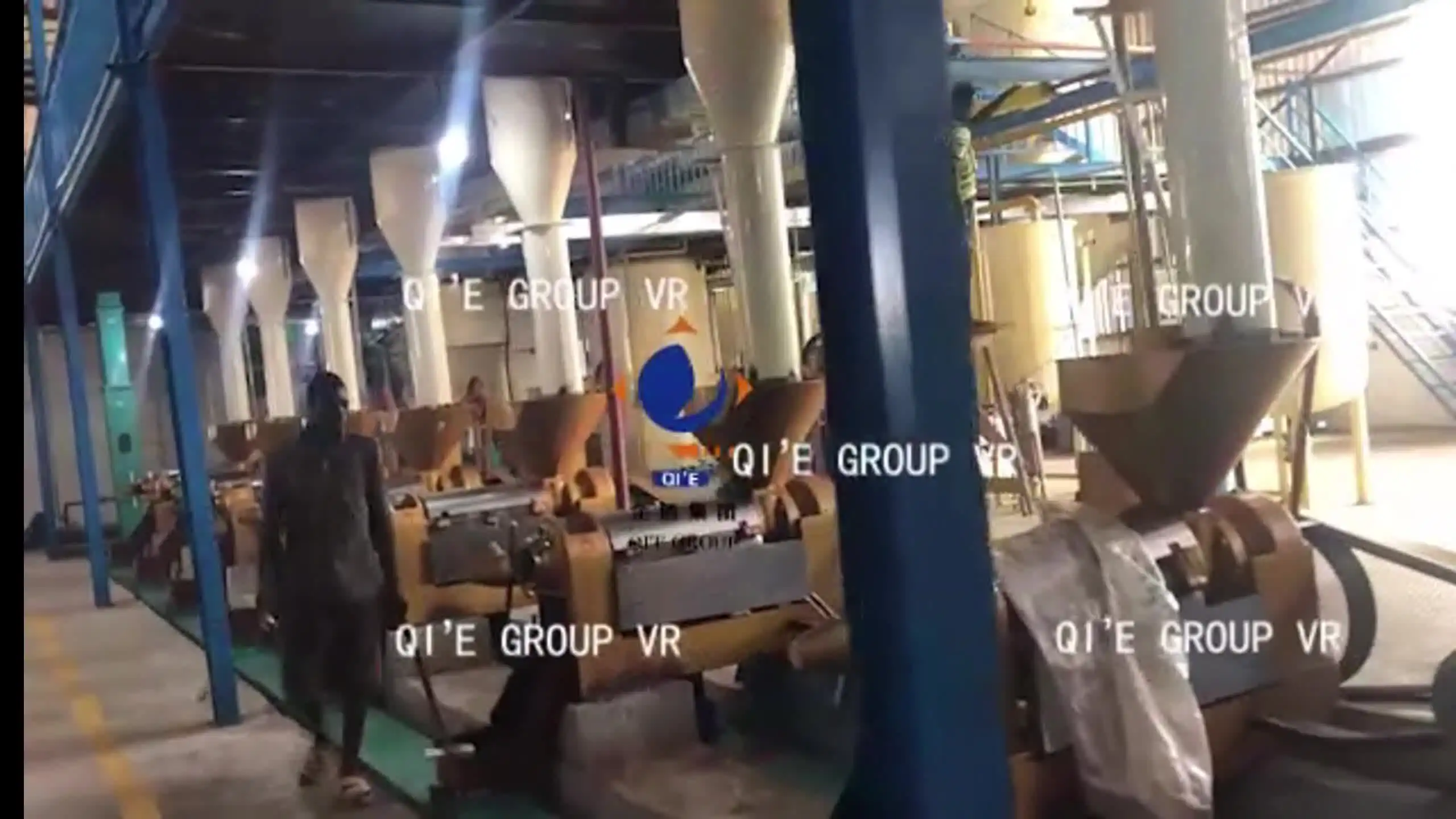
Screw presses operate through a continuous helical compression process that applies gradually increasing pressure to coconut meat. This technology excels in large-scale production environments where consistent output is critical. Key advantages include:
Modern screw press designs incorporate variable speed controls and segmented barrel heating, allowing processors to optimize extraction parameters for different coconut varieties and moisture levels. The coconut oil production line integration of screw press technology typically results in 65-72% oil extraction efficiency from well-prepared coconut meat.

Hydraulic press systems utilize intense pressure (up to 600 bar) applied in a batch process to extract oil from coconut meat. This technology is particularly favored for producing high-quality, cold-pressed coconut oil where retention of natural nutrients and flavor is paramount. Key characteristics include:
While hydraulic presses typically have lower throughput (ranging from 100kg to 1,000kg per hour per unit), they often achieve higher overall oil yields (70-75%) with properly prepared material. The batch nature allows for precise control over pressure profiles, making this technology ideal for specialty and organic coconut oil production.
| Performance Metric | Screw Press | Hydraulic Press |
|---|---|---|
| Throughput Capacity | High (500-5,000 kg/h) | Medium (100-1,000 kg/h) |
| Oil Extraction Rate | 65-72% | 70-75% |
| Energy Consumption | Moderate (0.8-1.2 kWh/kg oil) | Higher (1.2-1.8 kWh/kg oil) |
| Initial Investment | Higher | Lower |
| Maintenance Requirements | Regular (screw and barrel wear parts) | Moderate (seals and hydraulic components) |
The decision between screw and hydraulic press technology should be guided by specific production requirements. Screw presses are ideally suited for large-scale industrial operations producing standard coconut oil for food processing, cosmetics, and industrial applications. Their continuous operation minimizes labor costs and maximizes output volume.
Hydraulic presses, on the other hand, are preferred by producers focusing on premium, organic, or cold-pressed coconut oil markets. The batch process allows for meticulous quality control, making it ideal for small to medium-scale operations serving health food markets and specialty product lines.
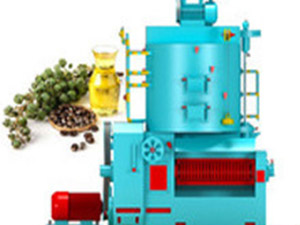
Proper maintenance is critical to maximizing equipment lifespan and performance. For screw presses, regular inspection of the screw flight and barrel wear is essential, with typical replacement intervals of 1,500-2,000 operating hours depending on material abrasiveness. Hydraulic systems require careful monitoring of oil quality and pressure components to prevent contamination and leaks.
Common issues include reduced oil yield, which often stems from improper feed moisture content or worn compression components. Temperature control is another critical factor—excessive heat can degrade oil quality in screw presses, while insufficient pressure can reduce extraction efficiency in hydraulic systems.
A major coconut processor in the Philippines recently upgraded their production line with a combination approach, implementing screw presses for high-volume standard oil production and hydraulic presses for their premium organic line. This strategic combination resulted in:
The integration of advanced control systems allowed for precise adjustment of processing parameters based on coconut quality variations, ensuring consistent output even with seasonal raw material fluctuations.

Penguin Group offers comprehensive coconut oil production line solutions tailored to your specific needs, combining cutting-edge technology with decades of industry expertise.
Discover Your Custom Coconut Oil Extraction SolutionEach coconut oil production facility has unique requirements based on raw material characteristics, production volume, and quality standards. By carefully evaluating the technical differences between screw and hydraulic press technologies, processors can make informed decisions that balance efficiency, quality, and profitability. With the right equipment selection and process optimization, coconut oil producers can achieve sustainable competitive advantage in the global market.