In the competitive landscape of coconut oil production, selecting the right extraction equipment is not just a purchase decision—it's a strategic investment that directly impacts your bottom line, product quality, and operational efficiency. With over 75% of global coconut oil production coming from Southeast Asia and the Pacific regions, manufacturers face unique challenges in optimizing processes for varying coconut maturities, moisture contents, and production scales. This guide explores the technical advantages and application scenarios of the two dominant coconut oil extraction technologies: screw press and hydraulic press systems.
Coconut oil extraction involves three critical stages: dehusking, grinding, and pressing. The efficiency of each stage directly influences overall yield, which typically ranges from 65-72% for mechanical extraction methods. The choice between screw and hydraulic press technology significantly impacts not only extraction efficiency but also energy consumption, maintenance requirements, and final product quality.

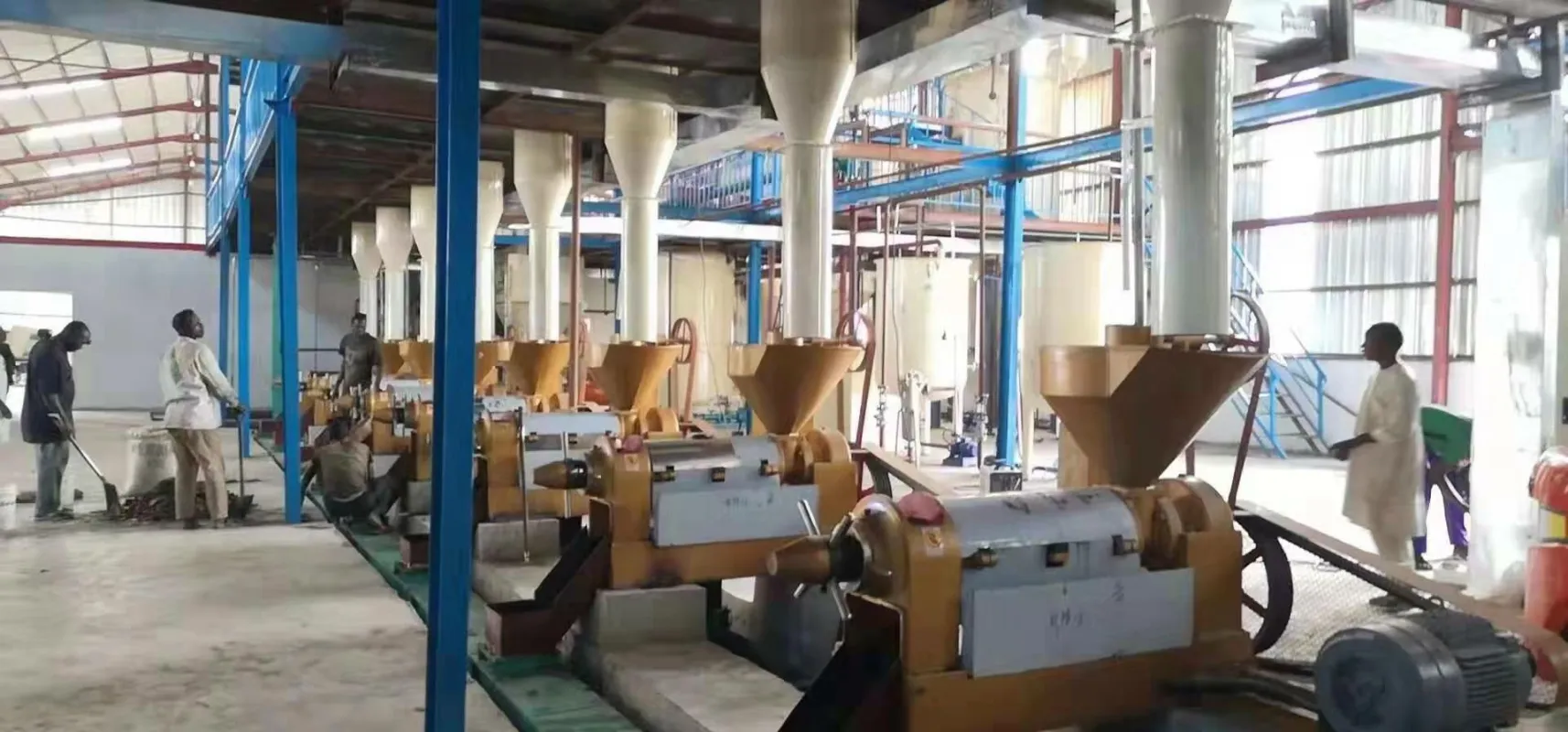
Screw press machines have become the industry standard for large-scale coconut oil production, offering continuous operation and high throughput capabilities. These systems use a rotating screw within a cylindrical barrel to apply progressive pressure to coconut meat, rupturing oil cells through a combination of mechanical compression and frictional heat.
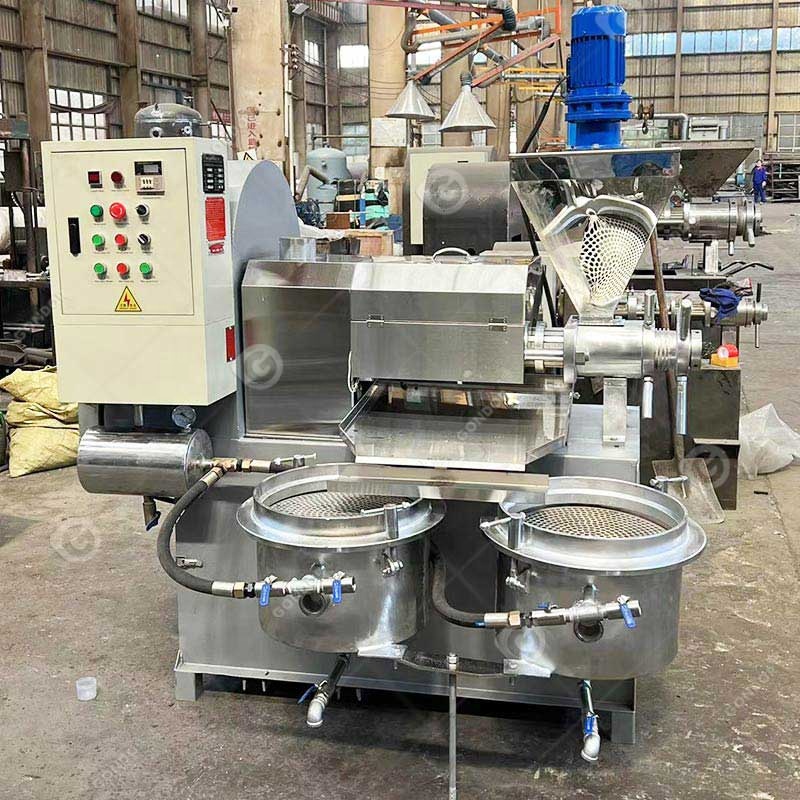
Hydraulic press systems utilize static pressure—typically ranging from 300-600 bar—to extract oil from coconut meat. This batch process involves placing ground coconut meat (copra) into cylindrical chambers and applying gradual, uniform pressure. The method's gentler extraction process preserves more of the oil's natural properties, making it ideal for specialty and organic coconut oil production.
| Performance Metric | Screw Press | Hydraulic Press |
|---|---|---|
| Oil Yield | 68-72% | 70-74% |
| Processing Temperature | 60-80°C | 40-55°C |
| Energy Consumption | Higher (continuous operation) | Lower (batch operation) |
| Initial Investment | Higher | Lower |
| Maintenance Requirements | Moderate | Low |
Choosing between screw and hydraulic press technology requires careful evaluation of several key factors that directly impact your production outcomes:
Coconut moisture content significantly affects extraction efficiency. Screw presses handle drier copra (6-8% moisture) more effectively, while hydraulic presses can process slightly higher moisture content (8-10%) with minimal yield loss. For fresh coconut meat with higher moisture (20-30%), a pre-drying stage becomes essential regardless of press type.
Production scale is another decisive factor. A medium-sized operation processing 1-3 tons of copra daily might find a hydraulic press more economical, while facilities exceeding 5 tons/day typically benefit from the continuous operation of screw press technology. 企鹅集团 offers both technologies with customizable capacities to match specific production requirements.

Proper maintenance is crucial for maximizing equipment lifespan and ensuring consistent performance. Screw presses require regular lubrication of moving parts and periodic replacement of wear components such as screw flights and barrel liners. Hydraulic systems need routine oil analysis and filter changes to prevent contamination and ensure proper pressure control.
Our team of process engineers will conduct a free production assessment to recommend the ideal equipment configuration for your specific needs.
Discover Your Custom Coconut Oil Extraction SolutionSuccessful coconut oil production requires balancing tradition with technology. While screw presses offer efficiency for large-scale operations, hydraulic systems provide flexibility and quality advantages for specialty products. The optimal solution often involves integrating complementary technologies within a comprehensive production line that addresses each stage of the process—from coconut reception through oil refining. By carefully evaluating your specific raw material characteristics, production goals, and quality requirements, you can select equipment that maximizes both your immediate returns and long-term sustainability in the competitive global coconut oil market.