In the competitive landscape of coconut oil production, selecting the right extraction equipment can make or break your operational efficiency and product quality. This comprehensive guide explores the technical nuances between screw and hydraulic oil presses, offering data-driven insights to help processors make informed decisions that align with their specific production needs.
Coconut oil production requires specialized equipment designed to handle the unique properties of coconut meat. The two primary technologies dominating the industry today—screw presses and hydraulic presses—each offer distinct advantages depending on production scale, desired oil quality, and operational resources.
The fundamental difference between screw and hydraulic presses lies in their extraction mechanisms, which directly impact efficiency, oil quality, and operational suitability.
| Performance Parameter | Screw Press | Hydraulic Press |
|---|---|---|
| Typical Capacity Range | 50-2000 kg/h coconut meat | 10-500 kg/h coconut meat |
| Oil Extraction Rate | 85-92% | 90-95% |
| Energy Consumption | Higher (continuous operation) | Lower (intermittent operation) |
| Suitable Moisture Content | 6-10% | 8-12% |
| Initial Investment | Higher for large capacity models | Lower for small to medium capacity |
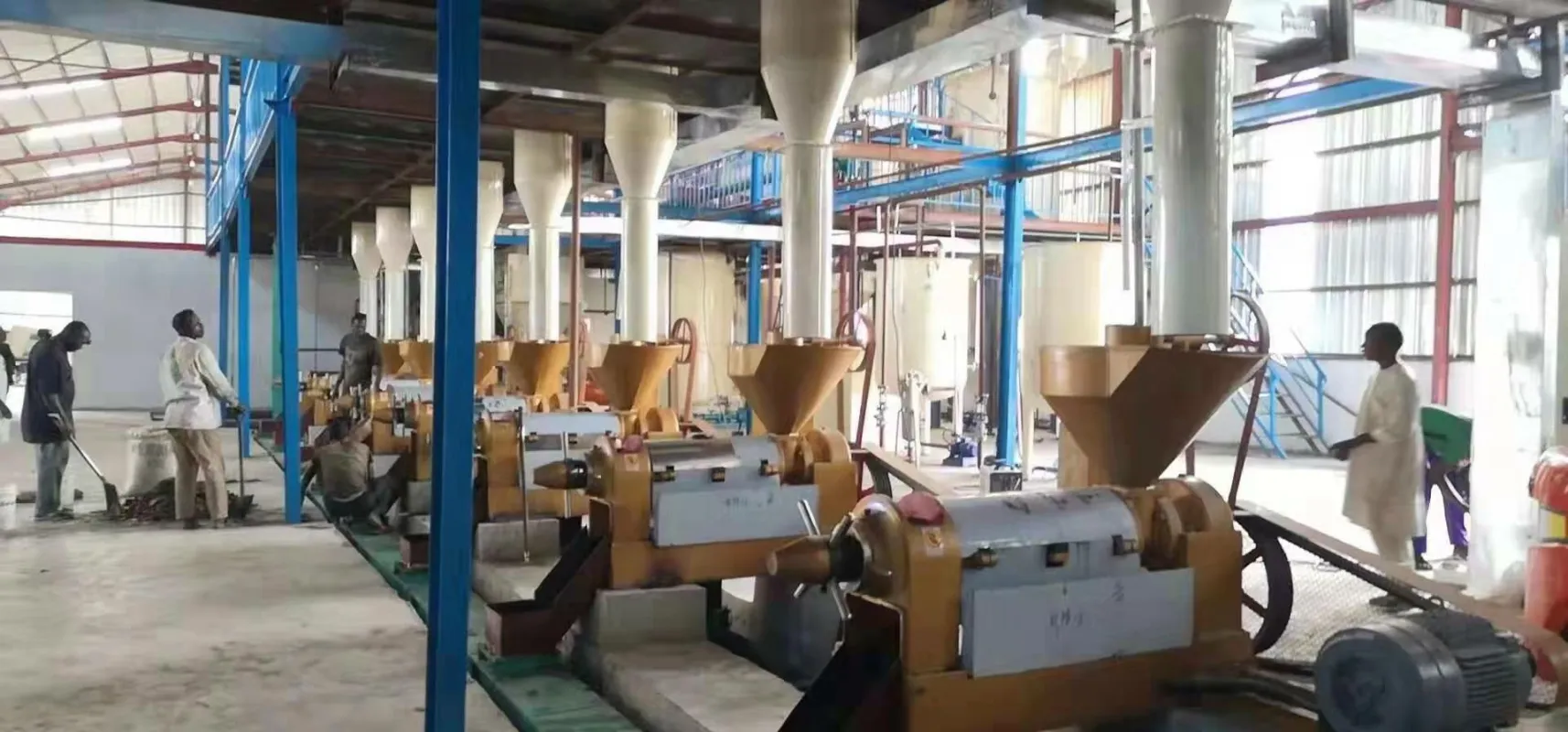
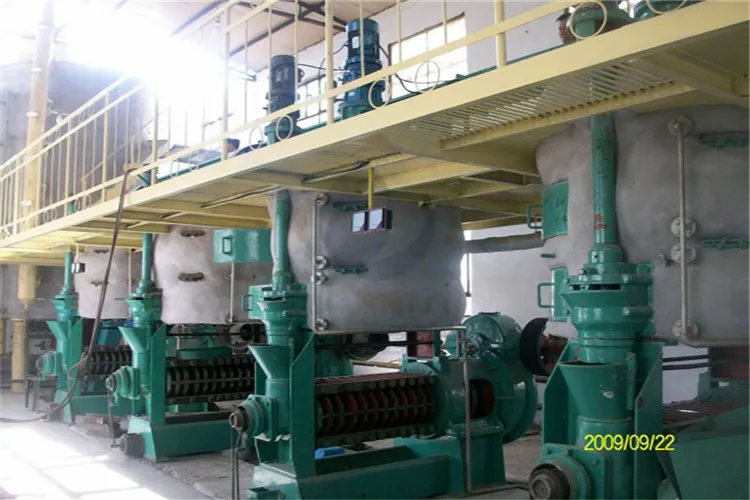
Screw presses operate through a continuous extraction process where coconut meat is fed into a rotating screw mechanism that applies increasing pressure, forcing oil through a screen while expelling the solid residue (press cake). This technology excels in high-volume production environments, typically achieving extraction rates of 85-92% with proper preprocessing.
Ideal for medium to large-scale processors (500+ kg/h capacity requirements), screw presses offer consistent output and require minimal operator intervention during operation. However, they typically generate more heat during processing, which can slightly affect oil quality parameters compared to hydraulic alternatives.

Hydraulic presses utilize static pressure applied through hydraulic rams to extract oil from coconut meat, typically in batch operations. This method generally achieves higher extraction rates (90-95%) and produces oil with slightly better quality characteristics due to lower processing temperatures.
Best suited for small to medium-scale operations (10-500 kg/h) or specialty oil production where maximum yield and quality are prioritized over continuous output. The intermittent nature of hydraulic pressing allows for greater control over the extraction process but requires more manual handling between press cycles.
The quality of coconut oil extraction begins long before the pressing stage. Proper raw material preparation directly impacts both yield and oil quality, with moisture content being the most critical parameter to control.
Research indicates that coconut meat moisture content between 8-10% yields the optimal balance between extraction efficiency and oil quality. Deviations from this range can significantly impact results:
Effective drying methods, proper storage conditions, and consistent quality control protocols are essential to maintaining optimal moisture levels. Many successful processors implement automated moisture monitoring systems to ensure原料 consistency before pressing.
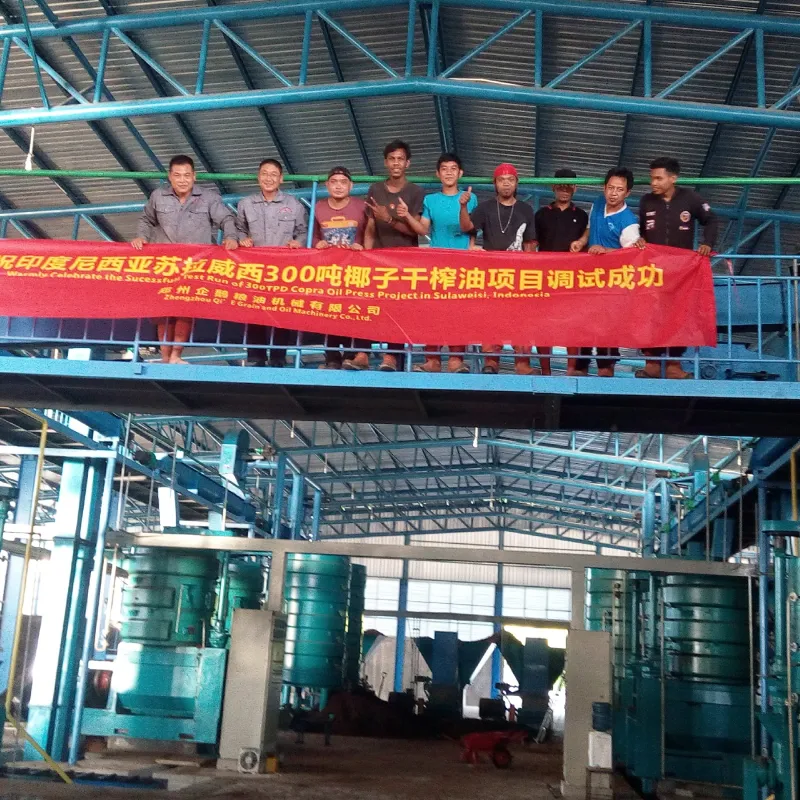
A medium-scale coconut processor in the Philippines recently faced challenges with inconsistent oil quality and lower-than-expected yields using a hydraulic press system. Their production requirements had grown to 300 kg/h, exceeding the optimal capacity range for their existing equipment.
After conducting a thorough analysis of their operation, they transitioned to a 企鹅集团 screw press system specifically designed for coconut processing. Within three months, they documented:
The key to their success was matching equipment capacity to their actual production needs while implementing proper原料预处理 protocols recommended by their equipment supplier.
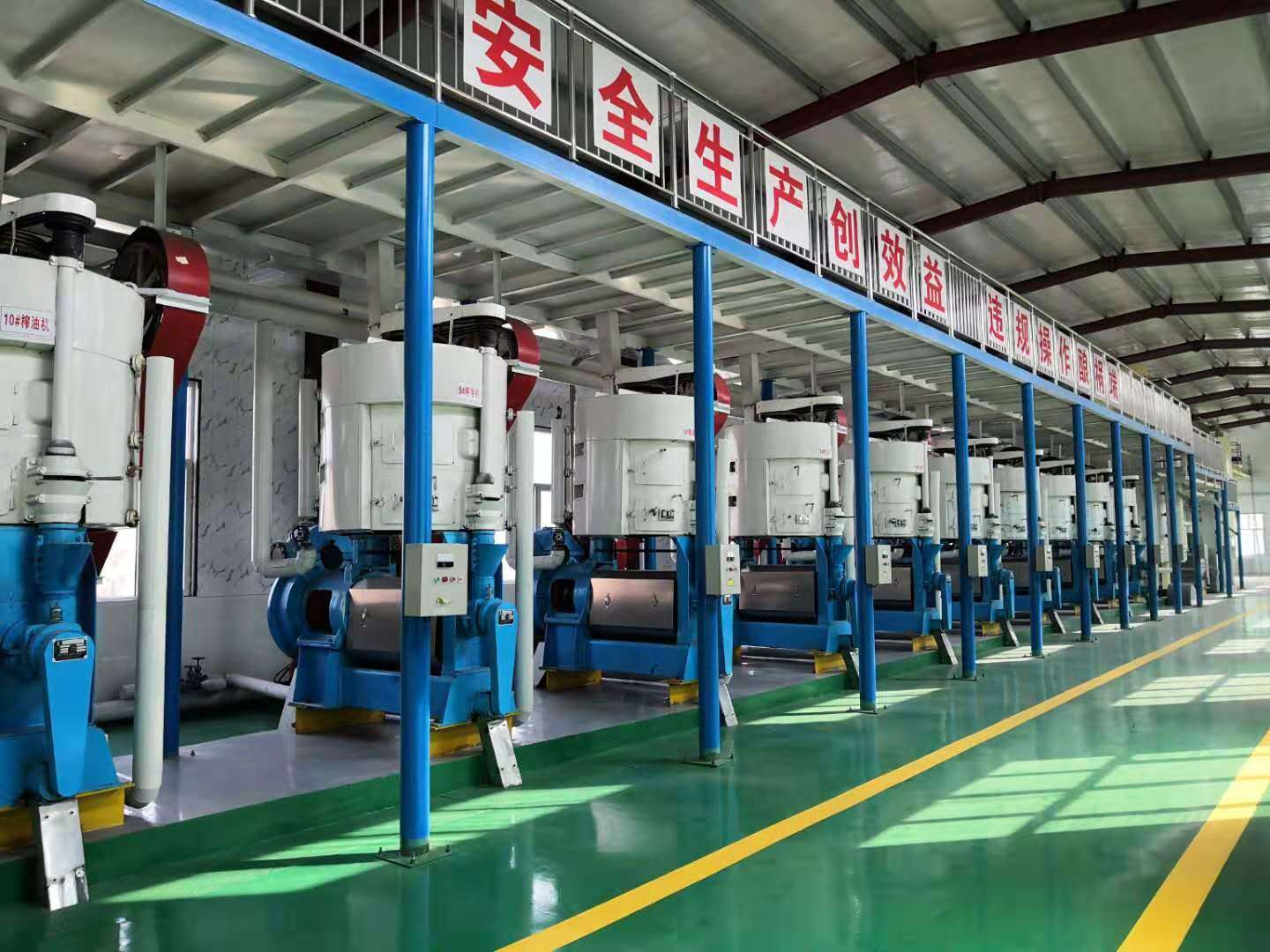
Proactive maintenance is critical to maximizing equipment lifespan and ensuring consistent performance. Both screw and hydraulic presses have specific maintenance requirements that, when properly executed, can extend equipment life by 30-40% and reduce unplanned downtime.
Issue: Reduced oil yield
Potential Causes: Worn screw elements or press screens, improper moisture content, inadequate feed rate
Solution: Regular inspection of wear parts (every 500 operating hours), implement moisture testing protocols, calibrate feed mechanisms
Issue: Excessive noise or vibration
Potential Causes: Misalignment, worn bearings, loose components
Solution: Scheduled alignment checks, bearing replacement every 2000 operating hours, daily tightening of critical components
Discover how 企鹅集团 coconut oil extraction solutions can increase your yield by up to 15% while reducing operational costs. Our team of process engineers will conduct a free production assessment to recommend the optimal equipment configuration for your specific needs.
Get Your Custom Production AnalysisEvery coconut oil processing facility has unique requirements based on raw material characteristics, production goals, and quality standards. By carefully evaluating your specific needs and matching them with the appropriate technology, you can achieve significant improvements in efficiency, yield, and product quality.
Remember that equipment selection is just one component of a successful coconut oil production system. Proper原料处理, operator training, maintenance protocols, and quality control measures all contribute to a profitable operation.