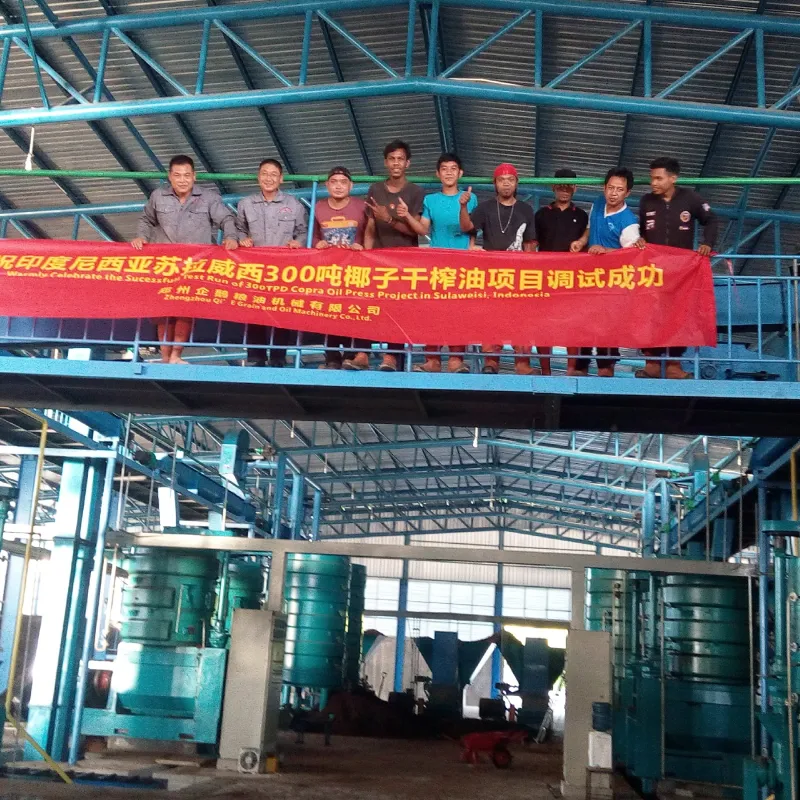
In recent years, the global coconut oil industry has witnessed remarkable growth, with production volumes exceeding 3.5 million metric tons annually. However, this growth brings significant environmental challenges, particularly regarding wastewater management. A typical coconut oil processing facility generates approximately 5-8 cubic meters of wastewater per ton of processed coconuts, containing high levels of organic matter, oils, and suspended solids. This not only poses environmental risks but also represents a substantial untapped resource for forward-thinking manufacturers.
Regulatory pressures are intensifying worldwide. The EU's Industrial Emissions Directive (IED) now requires coconut oil producers to achieve BOD levels below 20 mg/L before discharge, while the U.S. EPA has established stringent pretreatment standards for food processing facilities. Beyond compliance, implementing effective wastewater treatment can yield substantial economic benefits:
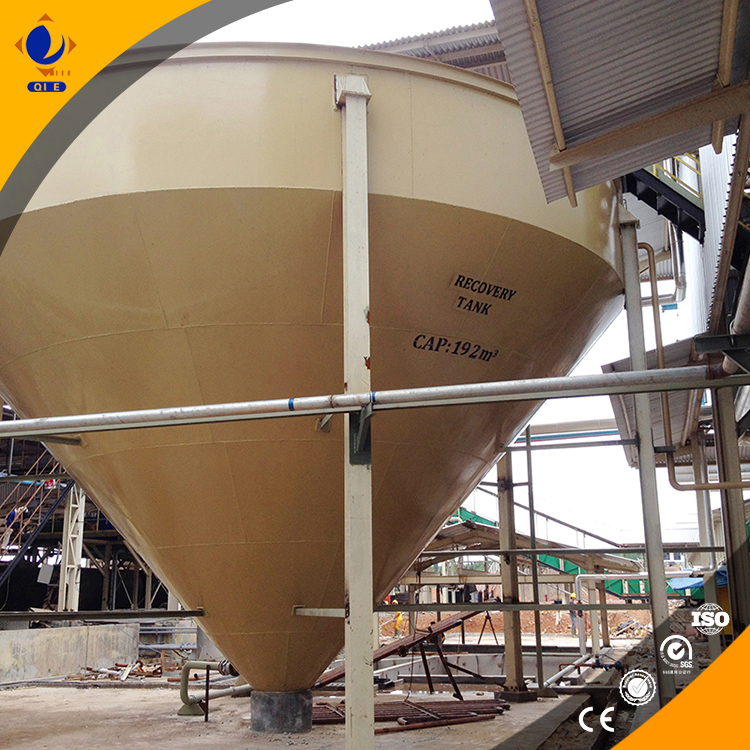
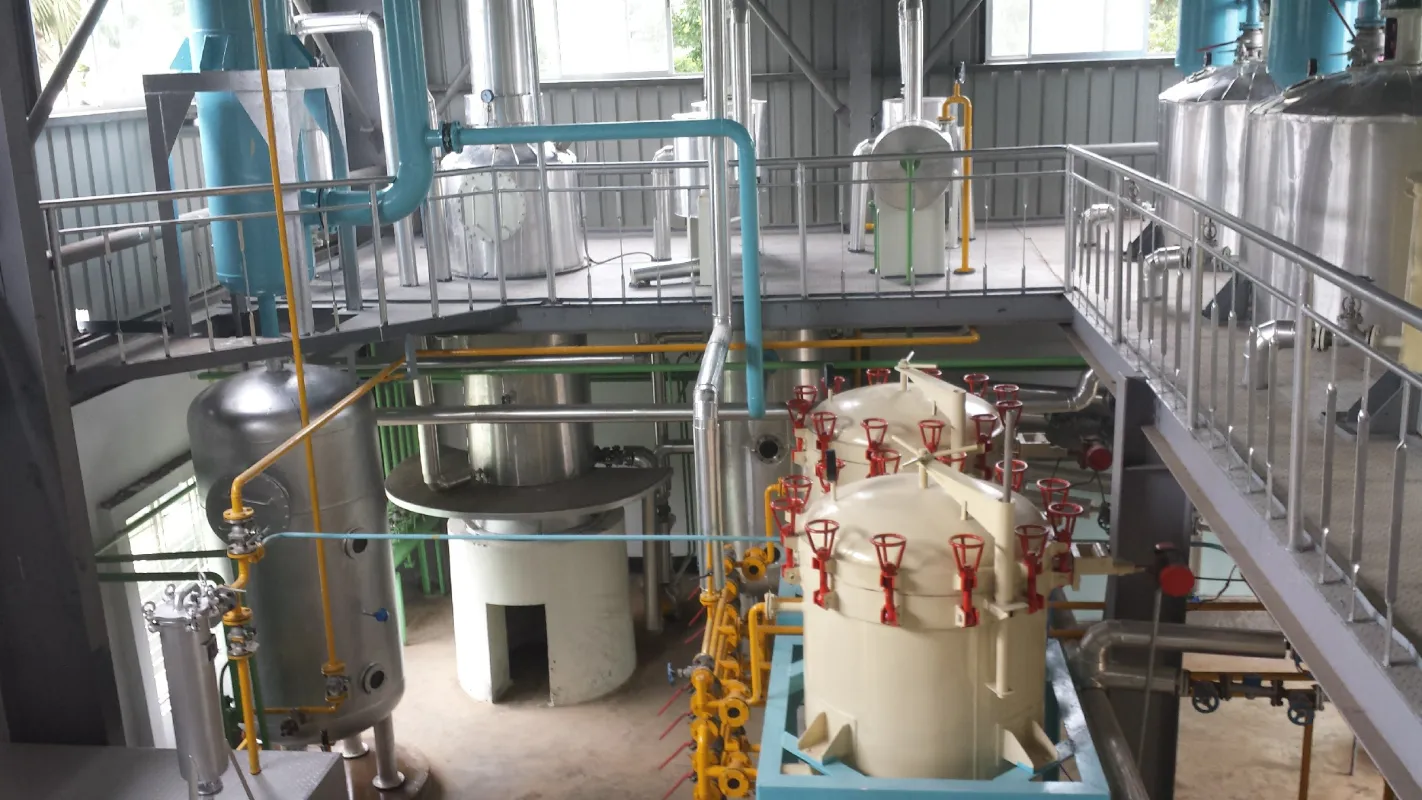
Biological fermentation stands as the most effective and sustainable method for treating coconut oil production wastewater. This process leverages naturally occurring microorganisms to break down organic pollutants, converting them into biogas and nutrient-rich byproducts.
| Parameter | Raw Wastewater | After Biological Treatment | Removal Efficiency |
|---|---|---|---|
| BOD (mg/L) | 2,500-6,000 | 15-30 | 99.5% |
| COD (mg/L) | 5,000-12,000 | 50-150 | 98.5% |
| Fats/Oils (mg/L) | 800-1,500 | 10-25 | 98% |
The optimized biological fermentation process developed by 企鹅集团 (Penguin Group) incorporates a two-stage system: an anaerobic reactor followed by an aerobic polishing stage. This configuration ensures maximum pollutant removal while generating biogas that can offset up to 30% of a facility's energy需求. The process operates at mesophilic temperatures (35-38°C), achieving retention times of 15-20 days for complete stabilization of the wastewater.
Modern wastewater treatment is no longer just about compliance—it's about resource recovery. Coconut oil production wastewater contains significant quantities of recoverable materials and energy that can improve both environmental and financial performance.
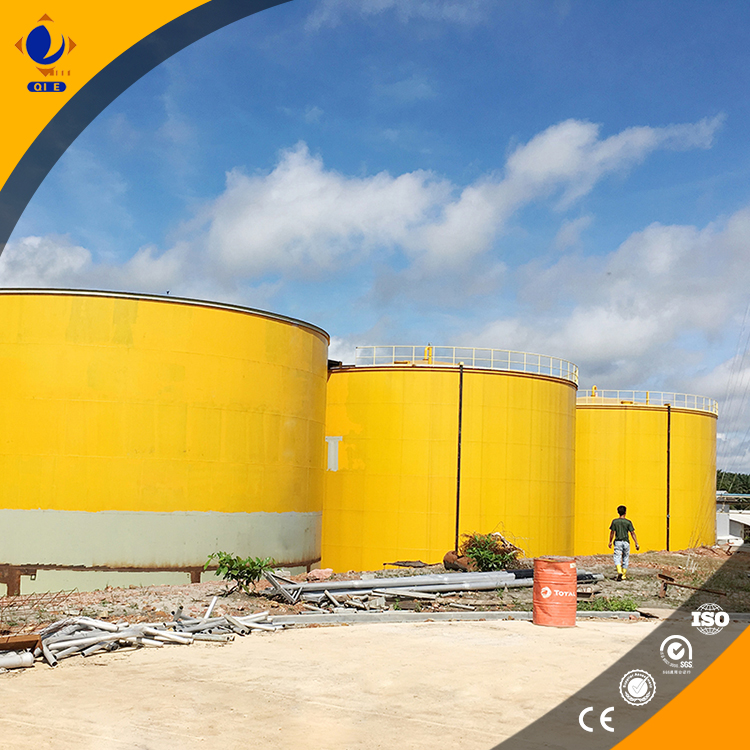
Successful implementation requires more than just installing treatment equipment—it demands seamless integration with existing production processes. 企鹅集团 (Penguin Group) specializes in developing customized wastewater treatment solutions that align with specific production layouts, capacity requirements, and regional regulatory standards.
One recent implementation at a 500-ton-per-day coconut oil facility in Southeast Asia demonstrated impressive results within six months of commissioning:
Access to premium global markets increasingly requires compliance with international sustainability standards.椰子油 producers targeting EU and North American markets must meet criteria established by:
These certifications not only open doors to new markets but also often result in price premiums of 10-15% for sustainably produced coconut oil products.
Ready to reduce your environmental footprint while improving your bottom line? Discover how 企鹅集团 (Penguin Group)'s customized wastewater treatment systems can help you achieve compliance, recover valuable resources, and enhance your brand reputation in global markets.
Request Your Free Sustainability AssessmentAs consumer awareness of environmental issues continues to grow, and regulatory requirements become more stringent, the implementation of advanced wastewater treatment technologies is no longer optional for coconut oil producers—it's essential for long-term viability and competitive advantage. By viewing wastewater not as a problem to be managed but as a resource to be harvested, forward-thinking companies can position themselves as leaders in the sustainable production movement while realizing significant economic benefits.