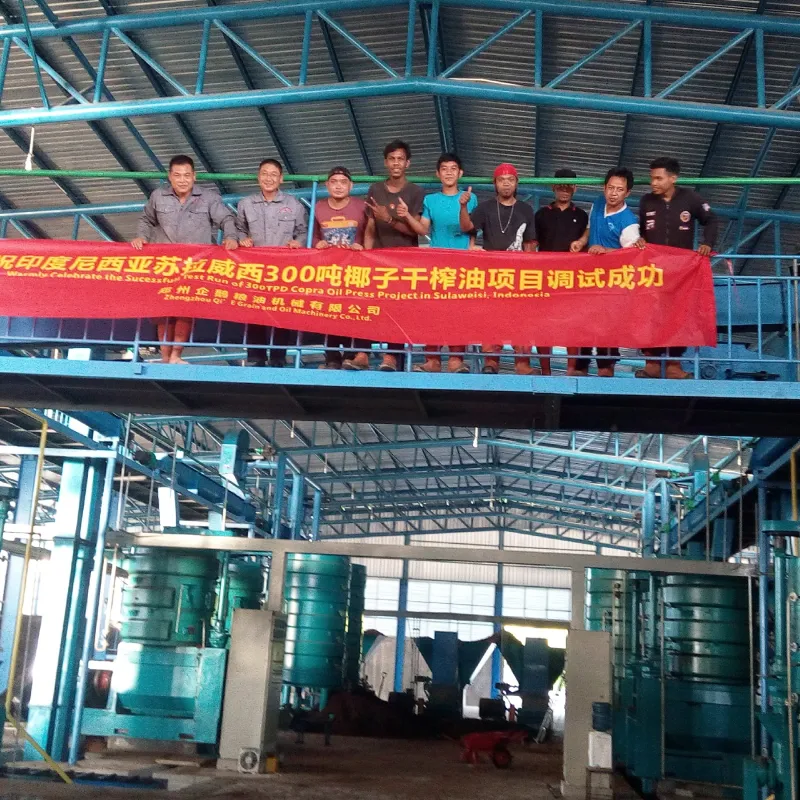
In the competitive landscape of edible oil production, achieving high-purity coconut oil with minimal processing loss has become a defining factor for manufacturers seeking market leadership. The refining process, often overlooked in its complexity, serves as the critical bridge between raw coconut oil extraction and the delivery of a premium, market-ready product. This technical exploration dissects the four fundamental stages of coconut oil refining—degumming, deacidification, bleaching, and deodorization—uncovering the precision engineering and process optimization that separate industry leaders from the competition.
Coconut oil, celebrated for its unique fatty acid profile and versatile applications, requires meticulous refining to meet the stringent quality standards of modern food, cosmetic, and pharmaceutical industries. According to industry benchmarks, a well-optimized refining process can achieve purity levels exceeding 99.8% while maintaining oil yields above 92%, significantly impacting a manufacturer's bottom line.
Degumming represents the initial purification step, targeting phospholipids, proteins, and mucilaginous substances that can compromise oil stability and quality. The process typically employs water degumming or acid degumming techniques, with modern facilities increasingly adopting enzymatic degumming for enhanced efficiency.
Optimal degumming occurs at 60-70°C with a reaction time of 30-60 minutes, depending on the phospholipid content of the crude oil. Pilot studies show that precise temperature control within this range can reduce phosphorus levels to below 10 ppm, a critical threshold for subsequent refining stages.
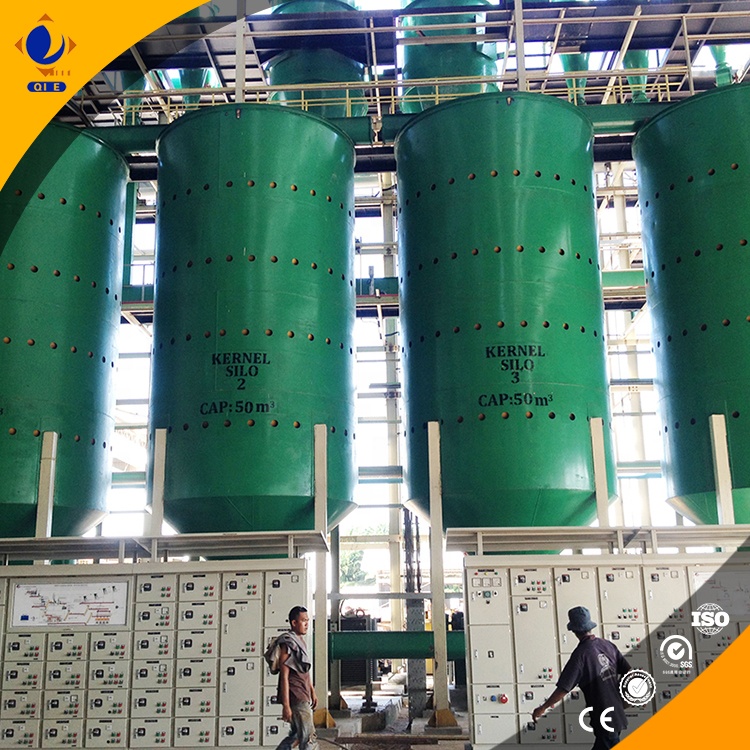
Deacidification addresses the free fatty acids (FFAs) naturally present in crude coconut oil, which contribute to off-flavors and reduced shelf life. The industry primarily utilizes two methods: chemical neutralization with caustic soda or physical refining through steam distillation.
| Parameter | Chemical Neutralization | Physical Refining |
|---|---|---|
| FFA Reduction Efficiency | 90-95% | 98-99% |
| Oil Loss | 3-5% | 1-2% |
| Capital Investment | Lower | Higher |
| Suitability for High FFA Oils | Limited | Excellent |
Physical refining, operating at 220-260°C under high vacuum (1-5 mbar), has gained preference in modern facilities for its superior yield and reduced wastewater generation. This method not only removes FFAs but also begins the process of volatile compound elimination, setting the stage for subsequent deodorization.
Bleaching transcends mere color reduction, serving as a critical purification step that removes chlorophyll, carotenoids, oxidation products, and trace metals. The selection of bleaching earth—typically activated clays or silica-based adsorbents—depends on the specific impurities present and desired final color.
Modern processes employ 1-3% bleaching earth by weight, processed at 80-105°C under vacuum conditions to prevent oxidation. Retention time of 20-40 minutes, combined with optimal agitation, ensures maximum adsorption efficiency. Advanced filtration systems, including pressure leaf filters and membrane technologies, have reduced bleaching earth consumption by up to 30% in the past decade.
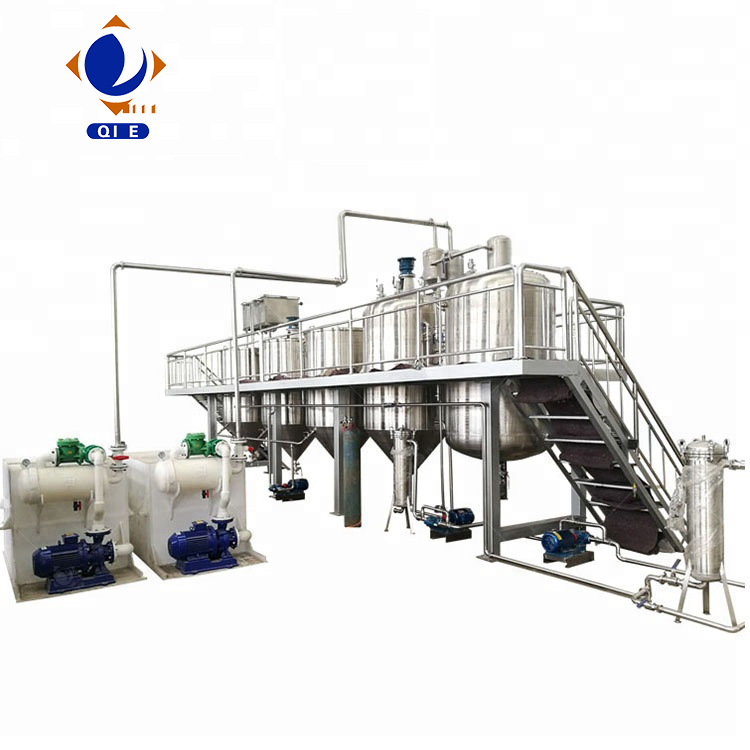
Deodorization represents the final and most energy-intensive stage, responsible for removing volatile compounds that impact flavor and odor. This thermal process, conducted at 200-240°C under high vacuum (0.5-2 mbar), utilizes steam stripping to eliminate aldehydes, ketones, and residual FFAs.
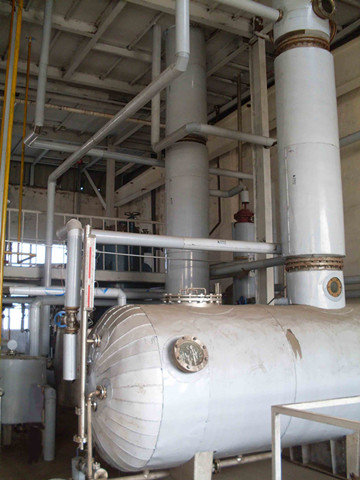
Recent advancements in heat recovery systems have transformed deodorization from an energy-intensive process to one with significantly improved sustainability. Modern plants incorporating falling film evaporators and thermal oil systems report energy savings of 35-45% compared to conventional systems. When integrated with comprehensive coconut oil生产线 automation, these technologies deliver not only efficiency gains but also consistent product quality.
A 2022 implementation at a Southeast Asian coconut processing facility exemplifies the impact of integrated refining optimization. By upgrading to a continuous deodorization system with heat recovery and implementing precise process controls, the facility achieved:
The integration of advanced process analytics and machine learning algorithms has further enhanced process stability. Predictive maintenance systems now allow facilities to address potential issues before they impact product quality, reducing downtime by an average of 23% according to industry reports.
Penguin Group's advanced coconut oil refining solutions deliver unmatched purity, efficiency, and sustainability for industrial producers worldwide. Our integrated approach combines proven technology with innovative process design to maximize your operational performance.
Discover Your Custom Refining SolutionAs consumer demand for high-quality coconut oil continues to grow across food, cosmetic, and pharmaceutical sectors, the refining process remains the cornerstone of product differentiation. By implementing the latest advancements in process technology, automation, and energy management, producers can achieve the dual goals of exceptional product quality and operational efficiency.
The future of coconut oil refining lies in the integration of intelligent process control, sustainable energy practices, and data-driven optimization—elements that define the next generation of industrial excellence in edible oil production.