The global coconut oil market is projected to reach $15.8 billion by 2028, growing at a CAGR of 5.8% from 2023 to 2028, according to industry reports. As consumer demand for high-quality edible oils and cosmetic ingredients continues to rise, the coconut oil refining process has become a critical factor in determining product quality, shelf life, and market value. This comprehensive guide explores the complete coconut oil refining process, focusing on the four essential stages that transform crude coconut oil into a premium product.
Crude coconut oil, obtained through expeller pressing or solvent extraction, contains various impurities including phospholipids, free fatty acids, pigments, and volatile compounds. These components not only affect the oil's appearance and flavor but also reduce its stability and shelf life. The refining process addresses these issues through a systematic sequence of operations that typically includes degumming, deacidification, bleaching, and deodorization.
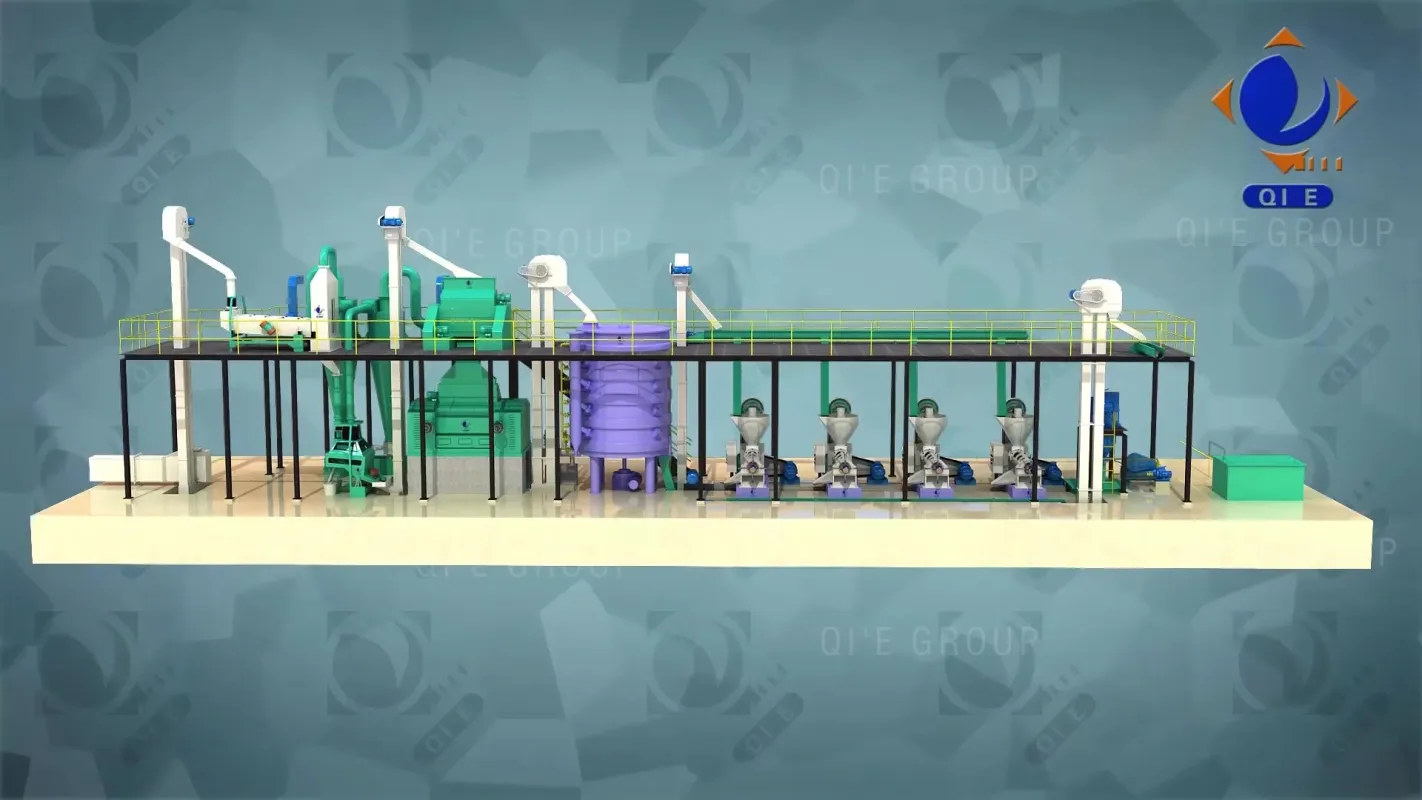
Modern refining lines, such as those developed by 企鹅集团 (Penguin Group), integrate advanced automation and energy-efficient technologies to achieve purity levels exceeding 99.8% while minimizing oil loss to less than 3%. This level of precision ensures compliance with international standards such as Codex Alimentarius and FDA regulations, opening doors to global market opportunities.
Degumming is the initial purification step focused on removing phospholipids (gums) that can cause cloudiness and reduce stability. These compounds, which act as natural emulsifiers, can lead to off-flavors and sediment formation if not properly removed.
The process typically involves adding 0.5-2% water or dilute acid (phosphoric or citric acid at 0.1-0.3%) to the crude oil, followed by gentle agitation at 60-80°C for 20-60 minutes. This hydration process converts the non-hydratable phospholipids into hydratable forms that can be separated by centrifugation. Modern continuous degumming systems achieve gum removal efficiencies of 95% or higher, significantly improving downstream processing.
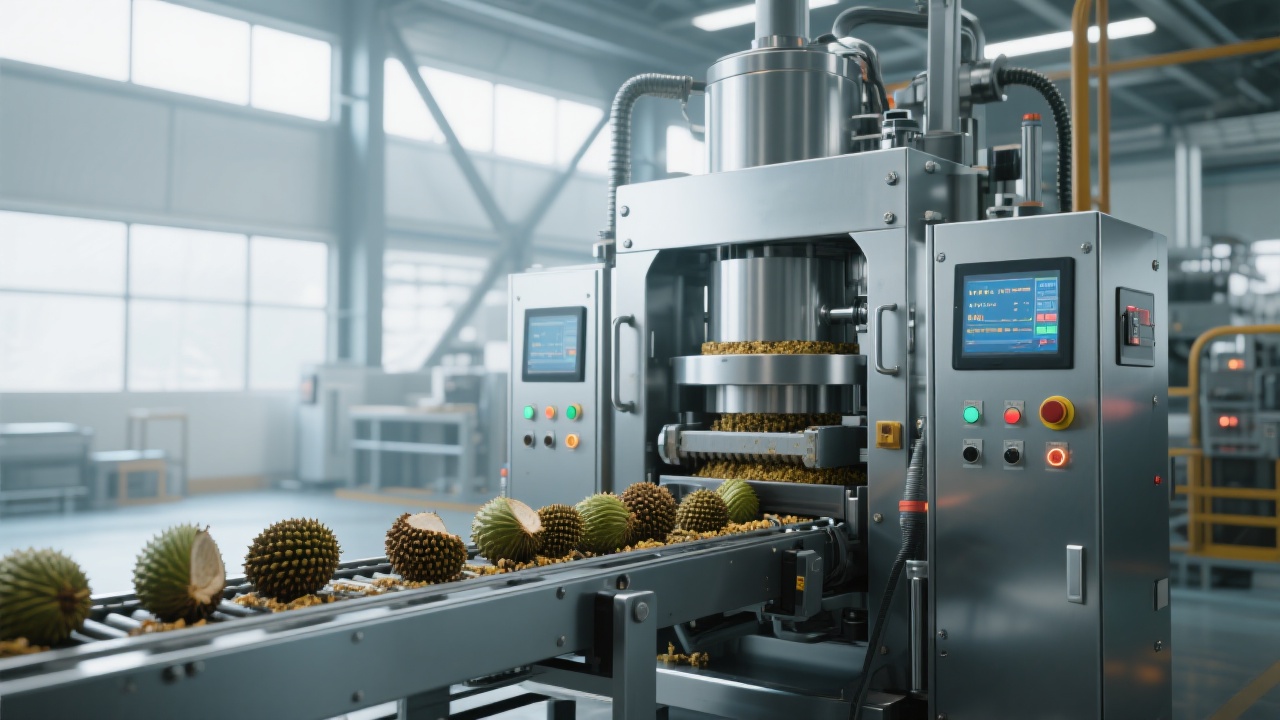
Free fatty acids (FFAs) in crude coconut oil, typically ranging from 2-8%, contribute to unpleasant flavors and lower smoke points. Deacidification reduces FFA levels to below 0.1%, a critical specification for high-quality edible oils.
Two primary methods are employed: alkaline refining and physical refining. Alkaline refining uses sodium hydroxide to neutralize FFAs, forming soapstock that is removed by centrifugation. This method is effective but results in oil losses of 1-3%.
Physical refining, increasingly preferred for coconut oil, uses steam stripping under high vacuum (1-5 mbar) and elevated temperatures (200-240°C) to volatilize FFAs. This process achieves FFA reduction to 0.05% with minimal oil loss (0.5-1.5%) and better retention of natural tocopherols. A case study from a Southeast Asian refinery showed that switching to physical refining increased yield by 2.3% while improving product quality.
After deacidification, the oil undergoes bleaching to remove pigments (carotenoids, chlorophyll), residual soap, and oxidation products. This step not only improves the oil's appearance but also enhances its stability and flavor.
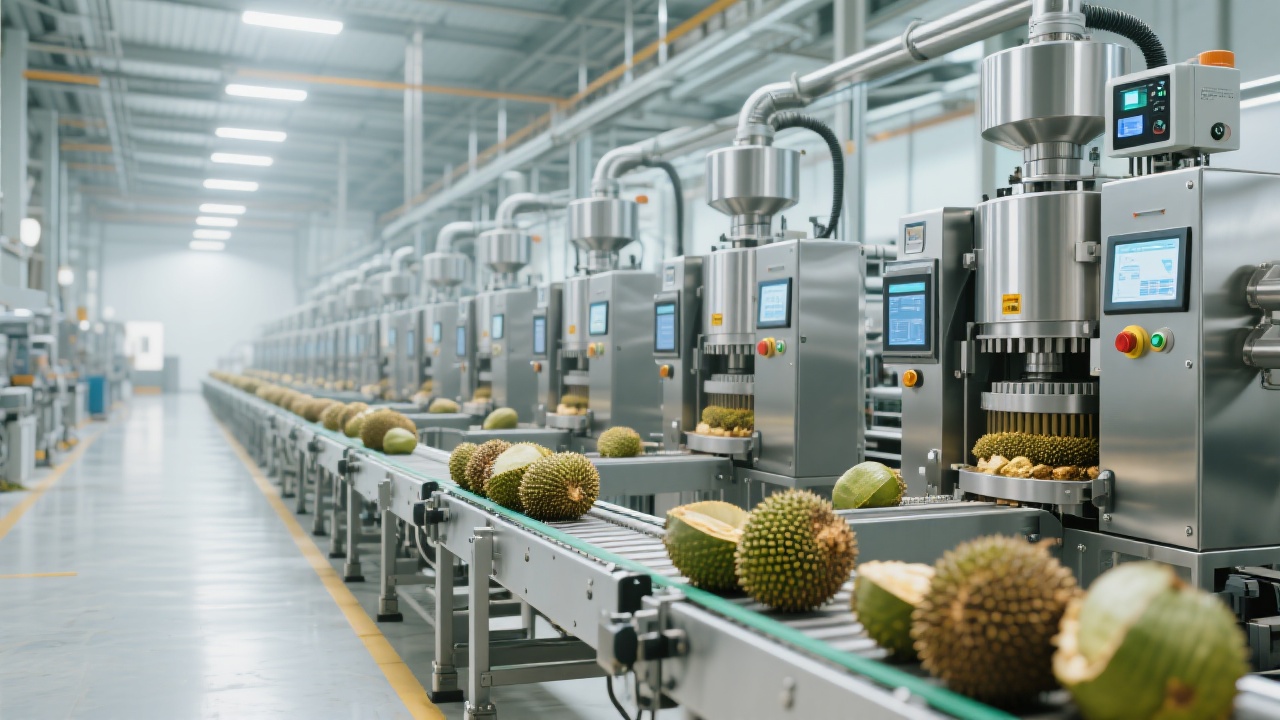
The process involves mixing the oil with adsorbents such as activated clay (1-3%), activated carbon (0.1-0.5%), or silica at 80-110°C under vacuum. The mixture is agitated for 20-60 minutes before filtering to remove the spent adsorbents. Modern bleaching systems utilize pressure leaf filters or membrane filtration technology, achieving color reduction of up to 85% while maintaining oil quality.
Optimizing bleaching parameters is crucial for efficiency. A recent study demonstrated that using a combination of 2% acid-activated clay and 0.3% activated carbon at 95°C for 30 minutes reduced the oil's color from 35 to 3.5 Lovibond units, well within the premium grade specification of ≤5 Lovibond units.
Deodorization removes volatile compounds that contribute to off-flavors and odors, resulting in a neutral-tasting oil with extended shelf life. This critical step involves treating the oil with high-temperature steam under vacuum conditions.
In modern deodorization systems, oil is heated to 220-260°C under a high vacuum (0.5-2 mbar) while introducing superheated steam. The process typically takes 60-120 minutes, depending on the desired quality. This treatment not only removes volatile components but also destroys any remaining microorganisms and inactivates enzymes, further enhancing stability.
Energy efficiency is a key consideration in deodorization, as the process accounts for approximately 40% of total energy consumption in the refining line. Heat recovery systems can reduce energy usage by 30-40%, with some advanced plants achieving specific energy consumption as low as 1.2 MJ per kg of oil processed.
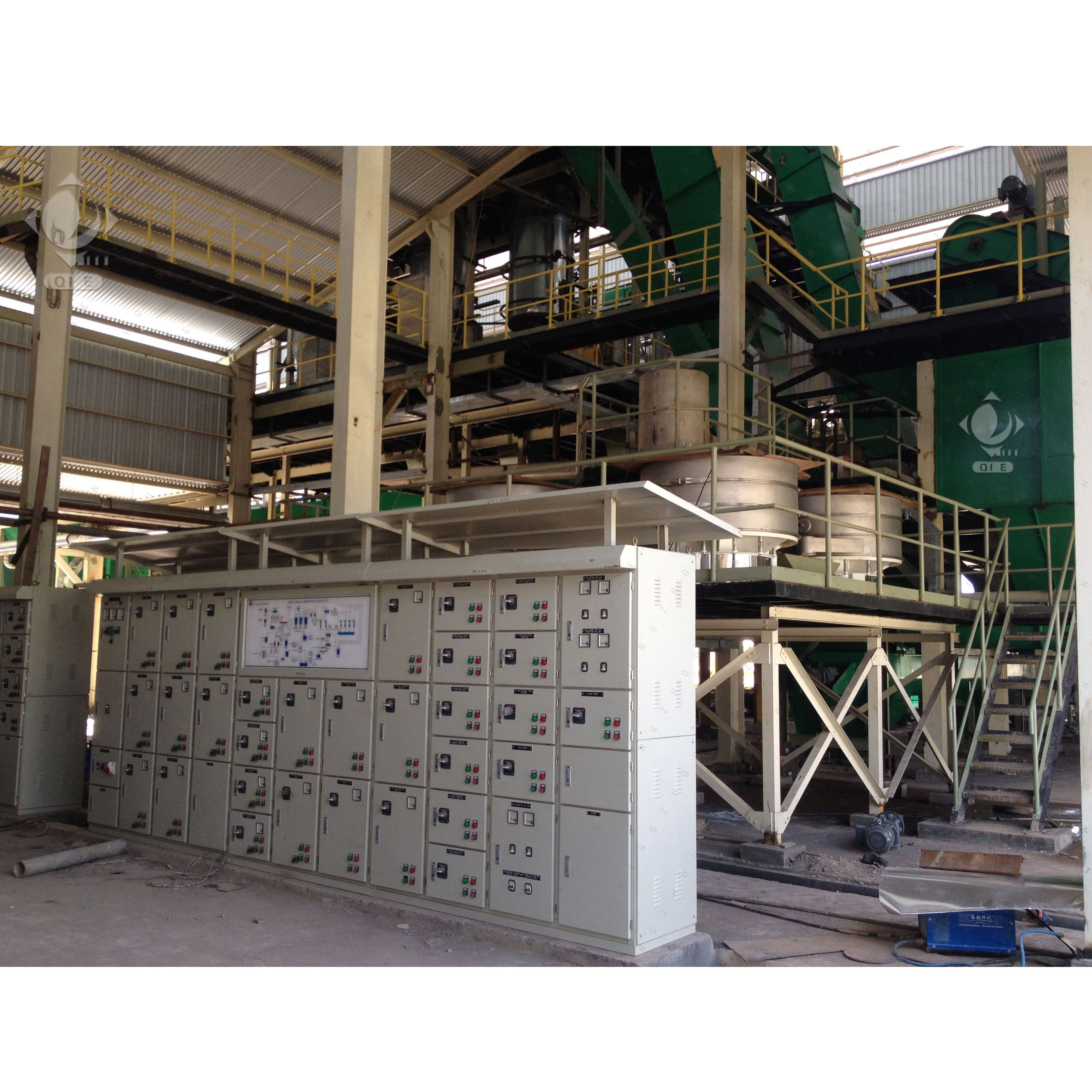
Achieving consistent high quality requires rigorous process control and optimization. Key parameters to monitor include temperature profiles, reaction times, vacuum levels, and adsorbent dosages. Implementing automated control systems allows for precise parameter adjustment and real-time quality monitoring.
Quality control testing throughout the refining process ensures compliance with specifications. Critical tests include FFA content, peroxide value, color, moisture, and sensory evaluation. By implementing Statistical Process Control (SPC) methods, processors can reduce process variability and maintain product consistency, with leading manufacturers achieving a process capability index (Cpk) of 1.33 or higher for key quality parameters.
Unlock the full potential of your coconut oil processing with state-of-the-art refining solutions that deliver superior product quality, higher yields, and reduced operating costs. Whether you're upgrading an existing facility or building a new plant, our expertise in coconut oil refining technology can help you achieve operational excellence and market competitiveness.
Discover Custom Coconut Oil Refining SolutionsThe coconut oil refining process is a sophisticated combination of science and engineering that transforms a raw agricultural product into a high-value commodity. Each stage – degumming, deacidification, bleaching, and deodorization – plays a critical role in determining the final product's quality, stability, and marketability. By implementing modern technologies and best practices, processors can achieve consistent quality while optimizing production efficiency and sustainability.
As consumer demand for premium coconut oil continues to grow across food, cosmetic, and pharmaceutical applications, investing in advanced refining technology becomes increasingly important. The right process design not only ensures compliance with international standards but also provides a competitive edge in a rapidly expanding global market.