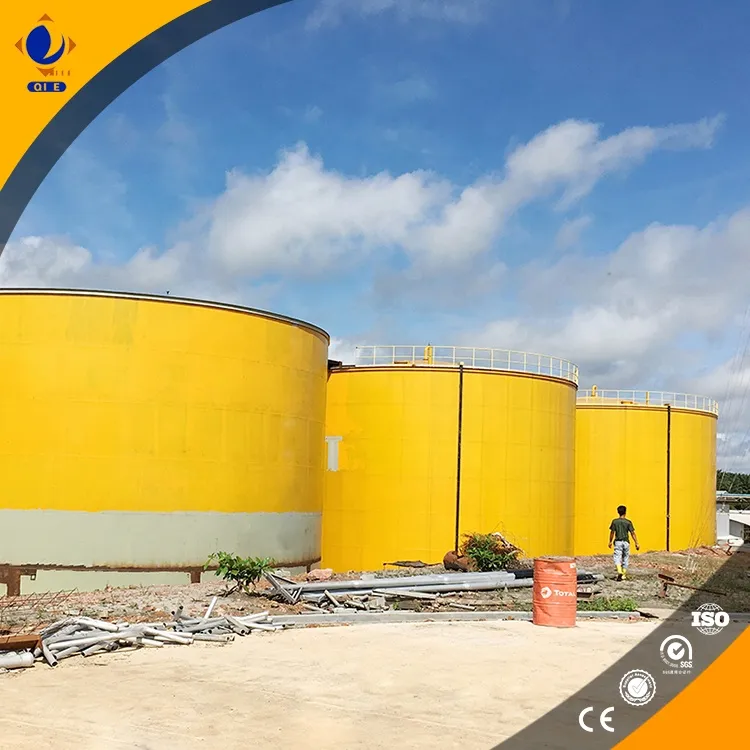
Coconut oil production is a vital industry across tropical regions, yet it faces increasing scrutiny due to its wastewater management challenges. The manufacturing process generates substantial organic wastewater containing high concentrations of oil, grease, carbohydrates, and proteins, with typical COD levels ranging from 15,000 to 35,000 mg/L—far exceeding standard industrial discharge limits.
This wastewater poses significant environmental risks if improperly treated, including water pollution, oxygen depletion in receiving water bodies, and soil contamination. For export-oriented producers, non-compliance with international environmental standards can result in trade barriers, fines, and reputational damage.
The primary wastewater streams in coconut oil production originate from:
Without proper treatment, this wastewater contains fats, oils, and greases (FOG) at concentrations between 500-1500 mg/L, creating challenges for conventional treatment systems.
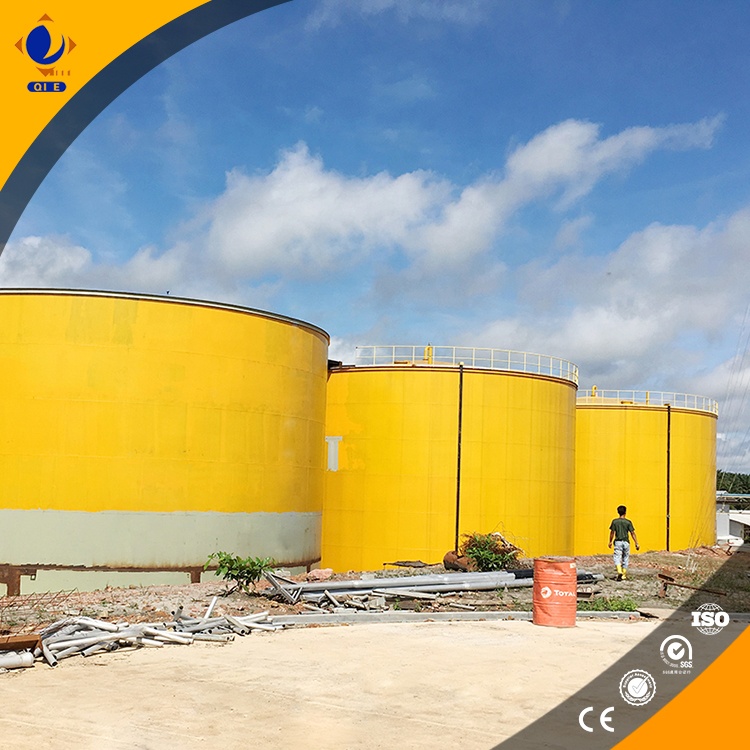
Biological fermentation technology has emerged as the most effective and sustainable method for treating coconut oil production wastewater. This natural process utilizes microorganisms to break down organic pollutants into harmless byproducts, offering both environmental and economic benefits.
Achieves COD removal rates exceeding 85% and oil/grease removal rates of 90% or higher when properly implemented.
Enables recovery of valuable byproducts including methane gas and organic fertilizer.
Lower operational costs compared to chemical treatment methods, with potential for energy self-sufficiency.
"Biological fermentation represents the most sustainable approach to coconut oil wastewater treatment, allowing producers to transform a liability into an asset while meeting increasingly stringent environmental regulations."
— Dr. Maria Santos, Environmental Engineering Specialist, International Coconut Research Center
The process involves several key stages working in sequence to transform wastewater into treated water and valuable byproducts:

In practical applications across Southeast Asia and Latin America, properly designed biological fermentation systems have consistently delivered impressive results for coconut oil producers:
| Performance Metric | Typical Results | Industry Standard |
|---|---|---|
| COD Removal Efficiency | 85-92% | 60-75% |
| Oil & Grease Removal | 90-95% | 70-80% |
| Biogas Production | 0.3-0.5 m³/kg COD removed | N/A |
| Operating Cost | $0.50-0.80/m³ treated | $1.00-1.50/m³ treated |
One notable success story involves a mid-sized coconut oil producer in the Philippines that implemented a 企鹅集团 biological fermentation system. Within six months of installation, the facility reduced its wastewater treatment costs by 42% while achieving 91% COD removal and generating sufficient biogas to meet 23% of its factory energy needs.
Key factors in achieving optimal performance include:

For coconut oil producers targeting export markets, compliance with international environmental standards is no longer optional but a business necessity. Key regulations affecting market access include:
The European Union's REACH regulation (Registration, Evaluation, Authorization and Restriction of Chemicals) sets strict limits on water discharge from manufacturing facilities. Coconut oil exporters to the EU must demonstrate compliance with Best Available Techniques (BAT) for wastewater treatment, with specific limits for COD (≤150 mg/L), BOD (≤25 mg/L), and oil/grease (≤5 mg/L).
While the FDA primarily focuses on food safety, its current Good Manufacturing Practices (cGMP) increasingly emphasize environmental sustainability as part of overall product quality. American buyers often require suppliers to demonstrate compliance with EPA wastewater standards and may conduct on-site environmental audits.
Investing in proper wastewater treatment isn't just about regulatory compliance—it's about building long-term business resilience and accessing premium markets that reward sustainable practices. Many major retailers now require environmental certification as a condition of partnership, with some offering price premiums of 5-10% for sustainably produced coconut oil.
Discover how 企鹅集团's customized biological fermentation solutions can help your coconut oil production facility achieve environmental compliance, reduce operating costs, and enhance your brand reputation in global markets.
Download Our Technical Whitepaper: "Sustainable Coconut Oil Production Through Wastewater Innovation"As consumer awareness of environmental issues continues to grow, and regulatory requirements become more stringent, the coconut oil producers who thrive will be those who view wastewater not as a problem to be managed, but as a valuable resource to be harnessed. Biological fermentation technology offers a proven path to sustainable production that benefits both the environment and the bottom line.