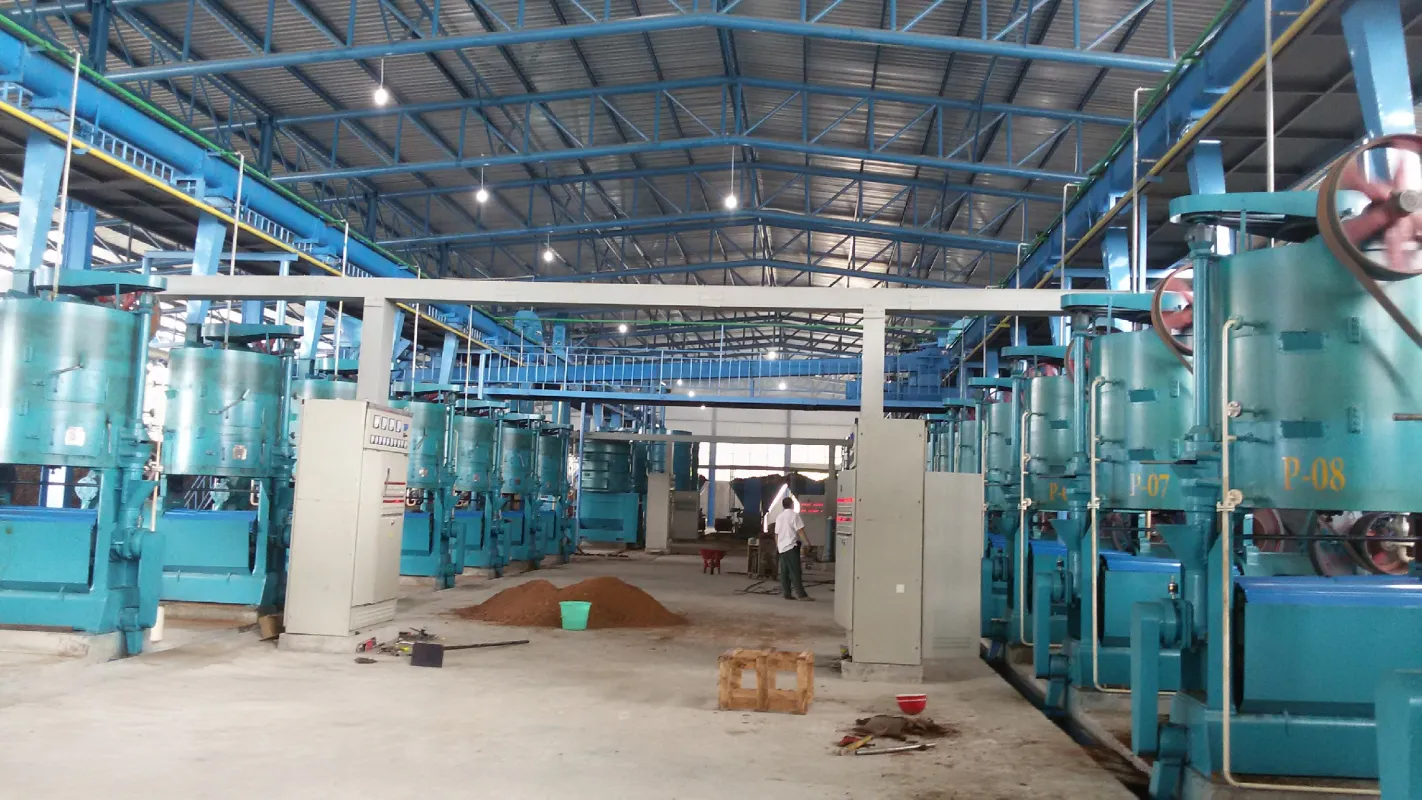
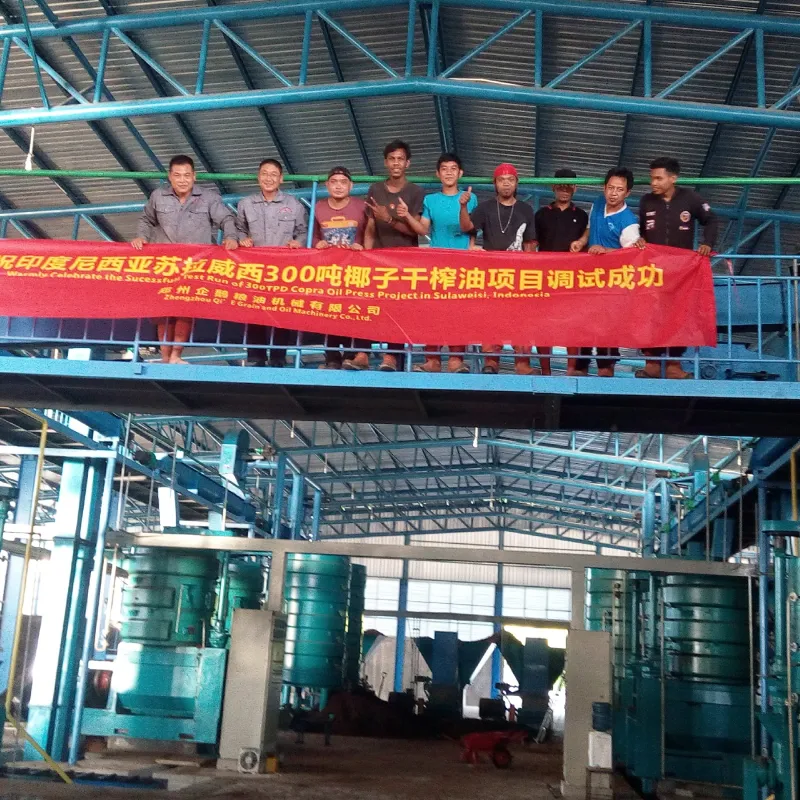
In an era where environmental compliance is no longer optional but a business imperative, coconut oil producers face increasing pressure to address wastewater challenges while maintaining profitability. This article explores how biological fermentation technology offers a sustainable path forward, transforming a costly liability into a valuable resource stream for forward-thinking manufacturers.
Coconut oil processing generates significant wastewater volumes, with an average production facility generating 8-12 cubic meters of wastewater per ton of processed coconuts. This wastewater contains high concentrations of organic matter (BOD levels often exceeding 20,000 mg/L), oils, and suspended solids, presenting substantial treatment challenges.
"Traditional treatment methods often fall short of meeting stringent international standards, exposing producers to regulatory penalties and reputational risks in export markets," notes Dr. Maria Santos, Environmental Engineering Specialist at the International Food Processing Association.
Without proper treatment, direct discharge can cause severe water pollution, eutrophication, and damage to aquatic ecosystems. For export-oriented producers, non-compliance with EU Ecolabel requirements or FDA environmental standards can result in market access restrictions and loss of competitive advantage.
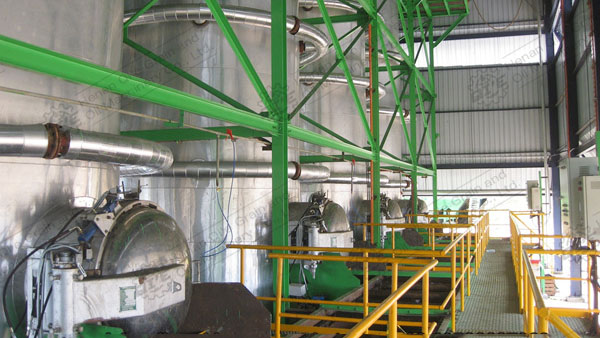
Biological fermentation technology utilizes specialized microbial consortia to break down organic pollutants in wastewater through controlled anaerobic and aerobic processes. The system operates in three key phases:
This closed-loop system not only treats wastewater but also captures valuable resources that would otherwise go to waste.
Implementing biological fermentation delivers multiple bottom-line benefits:
| Performance Metric | Traditional Treatment | Biological Fermentation |
|---|---|---|
| BOD Removal Efficiency | 65-75% | 95-98% |
| Energy Requirement | High (electricity intensive) | Net energy producer |
| Waste Disposal Cost | Significant | Reduced by 70-80% |
| Return on Investment | N/A (cost center) | 2-3 years typical |
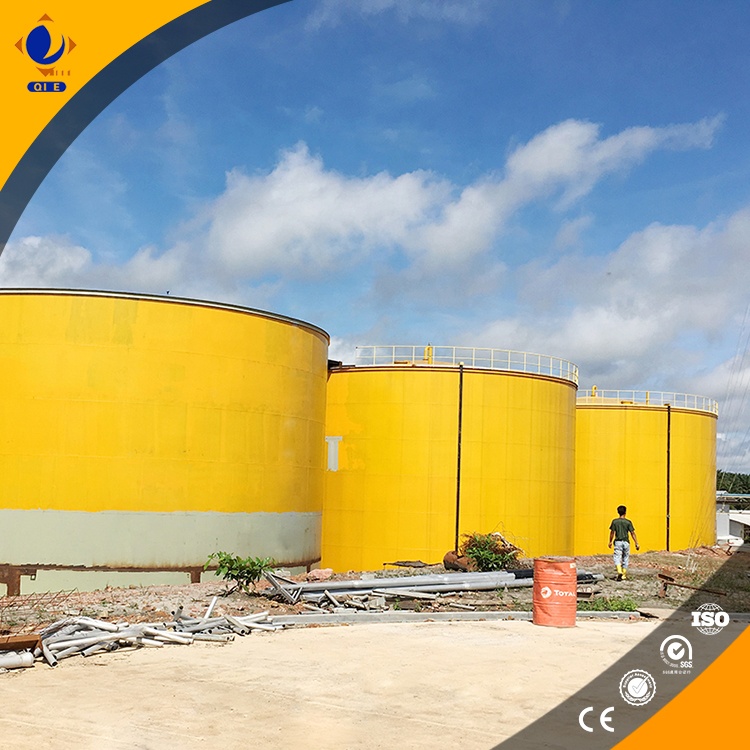
The true innovation of biological fermentation lies in its ability to transform wastewater into valuable resources:
The methane produced during fermentation can be used to generate heat and electricity for the production facility. A medium-scale coconut oil plant processing 50 tons of coconuts daily can generate approximately 800-1,000 kWh of electricity – enough to power 30-40% of the facility's needs while reducing reliance on grid electricity and lowering carbon footprint.
After treatment, the residual biomass contains high levels of nutrients and can be processed into organic fertilizer or animal feed supplements. This creates additional revenue streams while closing the resource loop.
"Our clients typically see a 25-35% reduction in overall operational costs within the first year of implementing biological fermentation systems, while simultaneously improving their environmental credentials," explains James Wilson, Technical Director at Penguin Group, a leading provider of sustainable industrial solutions.
For coconut oil producers targeting export markets, environmental compliance is increasingly tied to market access. Biological fermentation systems help meet key international standards:
These certifications not only ensure market access but also enhance brand reputation among environmentally conscious buyers, often commanding premium pricing of 10-15% in sustainable product categories.
Successful implementation requires careful planning and customization to specific production conditions. Key factors include:
Systems must be sized appropriately for production volumes while integrating seamlessly with existing processing lines. Modular designs allow for phased implementation and future expansion as production grows.
Proper operator training ensures optimal system performance. Regular maintenance schedules and remote monitoring capabilities help prevent downtime and maintain treatment efficiency.
Download our comprehensive technical guide and discover how Penguin Group's biological fermentation solutions can help your facility achieve environmental compliance while creating new revenue streams.
Get Your Free Technical Whitepaper NowAs consumer demand for sustainably produced coconut oil continues to rise, implementing advanced wastewater treatment technology is no longer just an environmental necessity but a strategic business decision. By adopting biological fermentation processes, producers can turn regulatory compliance into a competitive advantage, reduce operational costs, and position themselves as leaders in the global shift toward sustainable manufacturing practices.