Choosing Between Cold Pressing, Hot Pressing and Solvent Extraction for Oilseed Processing
Qi'e Grain and Oil Machinery Co., Ltd. compares cold pressing, hot pressing and solvent extraction oil processing routes, explaining suitable oilseeds, oil yield characteristics, equipment configuration, production scale, energy management and product positioning to help processors select the right line and matching refining system.
Selecting the right edible oil processing route is a strategic decision that affects oil yield, product positioning, CAPEX/OPEX, and the matching refining system. This page compares cold pressing, hot pressing, and solvent extraction in a practical, engineering-oriented way—so you can align your raw material, throughput target, energy management plan, and market requirements with the most suitable process.
Qi'e Grain and Oil Machinery Co., Ltd. (企鹅集团) designs and supplies oil pressing equipment, oil production line equipment, and edible oil refining equipment for B2B processors. We support route selection with process configuration guidance, line integration, and commissioning-oriented considerations.
Three Routes, Three Typical Goals
- Cold pressing: prioritize natural flavor/aroma retention and differentiated product positioning; usually lower thermal stress.
- Hot pressing: improve pressability via conditioning/cooking; balanced route widely used for many oilseeds.
- Solvent extraction: prioritize high oil recovery at scale; typically paired with desolventizing and a stable refining scheme.
What You Should Define Before Choosing
- Target capacity (batch vs continuous, current vs planned expansion).
- Raw material type & consistency (oil content, moisture, impurity, dehulling needs).
- Product positioning (crude oil sale vs refined oil; premium/niche vs commodity).
- Utilities & energy plan (steam/thermal oil, electricity, solvent handling requirements).
- Local safety/environment compliance requirements and site constraints.
Process Overview (How Each Route Works)
Cold Pressing (Mechanical)
Typical logic: cleaning → (optional) dehulling/crushing/flaking → cold press → filtration/settling → optional mild refining depending on market and quality targets.
Best when you value differentiated taste/branding and can accept that yield may not be maximized compared with extraction routes.
Hot Pressing (Mechanical + Conditioning)
Typical logic: cleaning → crushing/flaking → conditioning/cooking (moisture/temperature control) → oil press → oil clarification → refining as required.
Often chosen for broad applicability and more stable press performance, with energy use focused around conditioning.
Solvent Extraction (Extraction + Desolventizing)
Typical logic: pre-treatment (cleaning, dehulling if needed, flaking) → extraction (solvent contact) → desolventizing (meal and miscella management) → crude oil polishing → refining system matched to product spec.
Commonly used for large-scale operations seeking high oil recovery and consistent throughput, with higher requirements on safety, utilities, and management.
Comparison Table (Selection-Oriented)
| Dimension |
Cold Pressing |
Hot Pressing |
Solvent Extraction |
| Typical positioning |
Value-added, aroma/niche products |
Mainstream edible oil production |
Commodity-scale, high recovery focus |
| Yield characteristics |
Lower oil recovery vs extraction routes (depending on seed & setup) |
Improved pressing efficiency vs cold pressing through conditioning |
High oil recovery suitable for scale operations |
| Equipment set |
Oil press + filtration/clarification; optional compact refining |
Conditioning + oil press + clarification + refining |
Extractor + desolventizing system + supporting refining & utilities |
| Scale suitability |
Small-to-medium; flexible product focus |
Small-to-large depending on line design |
Typically medium-to-large with stable feedstock supply |
| Energy & utilities |
Lower thermal demand; focus on stable mechanical operation |
Higher thermal/steam needs for conditioning |
More complex utilities and safety management due to solvent loop |
| Refining match |
May use mild refining depending on end-market requirements |
Often paired with full refining to meet broad distribution specs |
Typically paired with stable refining configuration for volume supply |
Note: Specific yield/quality outcomes depend on oilseed variety, pre-treatment quality, moisture/temperature control, and line tuning. Route selection should be validated with your raw material and target spec.
Suitable Oilseeds & Practical Considerations
When Cold Pressing Tends to Fit
- When you need a product story around natural aroma and minimal processing.
- When your business prefers flexible batches and quicker SKU switching.
- When you plan for press + filtration and choose refining steps based on your target market.
When Hot Pressing Tends to Fit
- When you want a strong balance between yield and process stability.
- When you can support conditioning utilities (steam/thermal system) and consistent pre-treatment.
- When you aim at mainstream edible oil supply and plan a matching refining line.
When Solvent Extraction Tends to Fit
- When your core requirement is high oil recovery for large throughput.
- When you have stable seed supply and want systematic energy/utilities planning.
- When your site can meet solvent safety, operational discipline, and compliance constraints.
Typical Equipment Configuration (Route-to-Line Mapping)
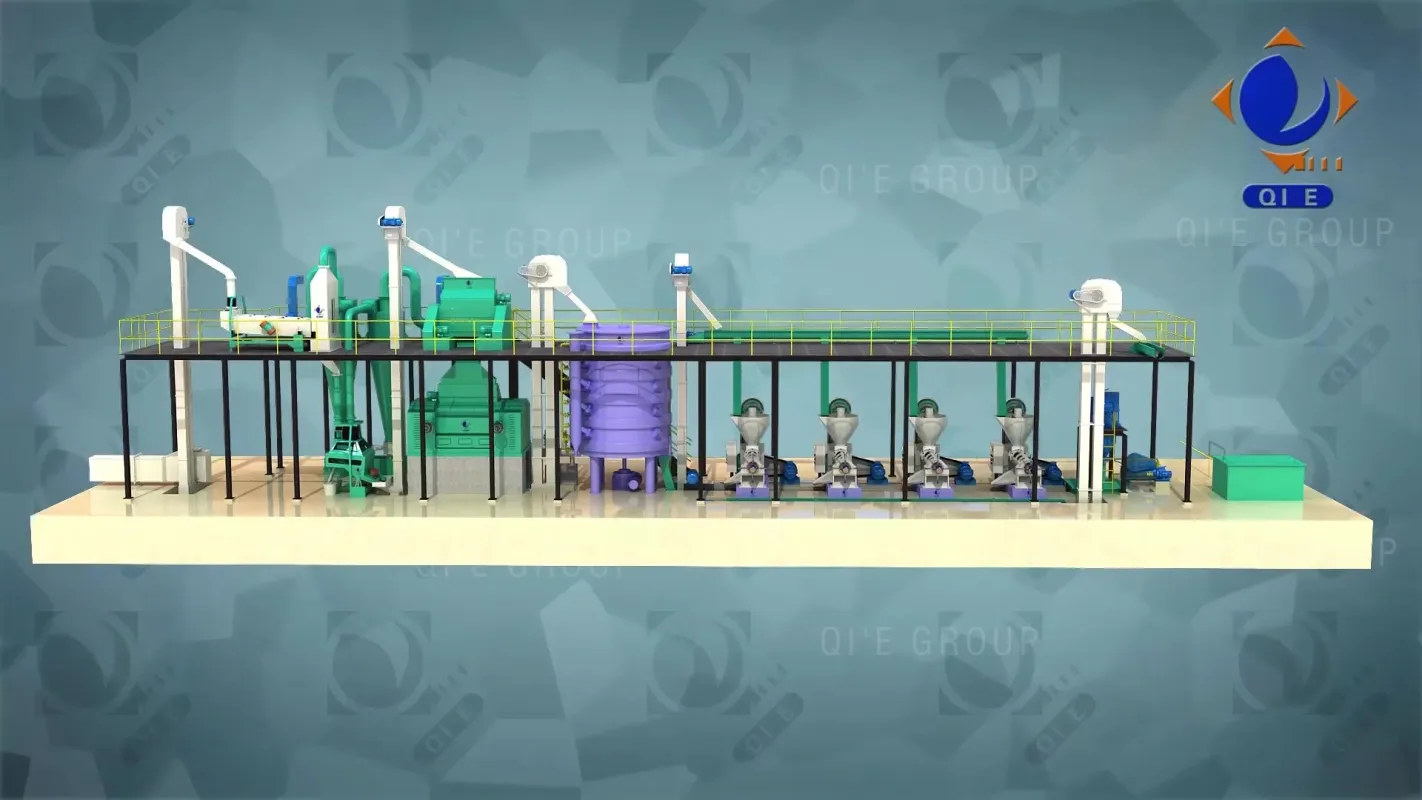
Cold Press Line (Core Modules)
- Seed cleaning & pre-treatment (as required)
- Cold press oil machine (mechanical pressing)
- Oil clarification: filtration/settling
- Optional compact oil refining equipment based on product spec
Hot Press Line (Core Modules)
- Cleaning + crushing/flaking
- Conditioning/cooking for temperature & moisture control
- Oil pressing equipment + oil clarification
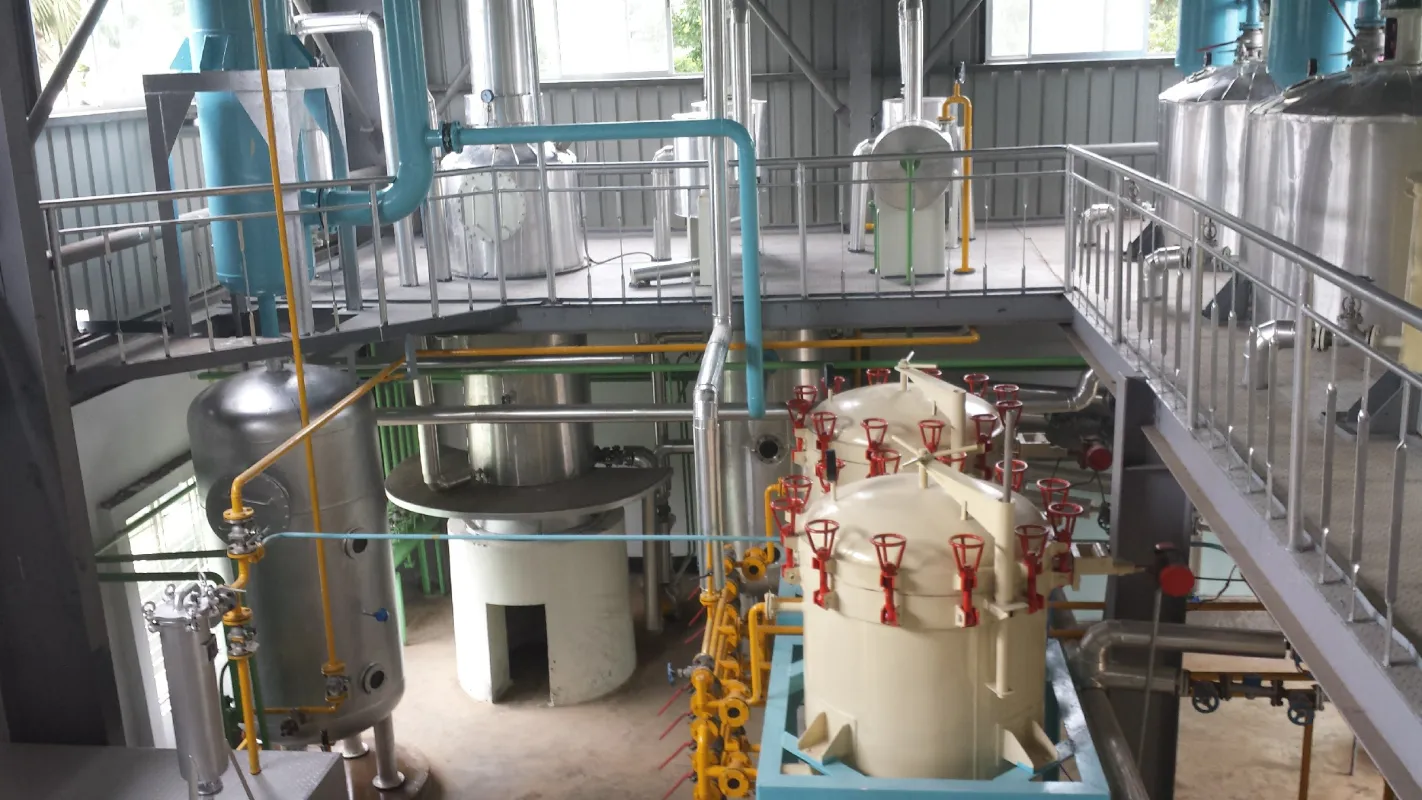
- Edible oil refining system matched to target market
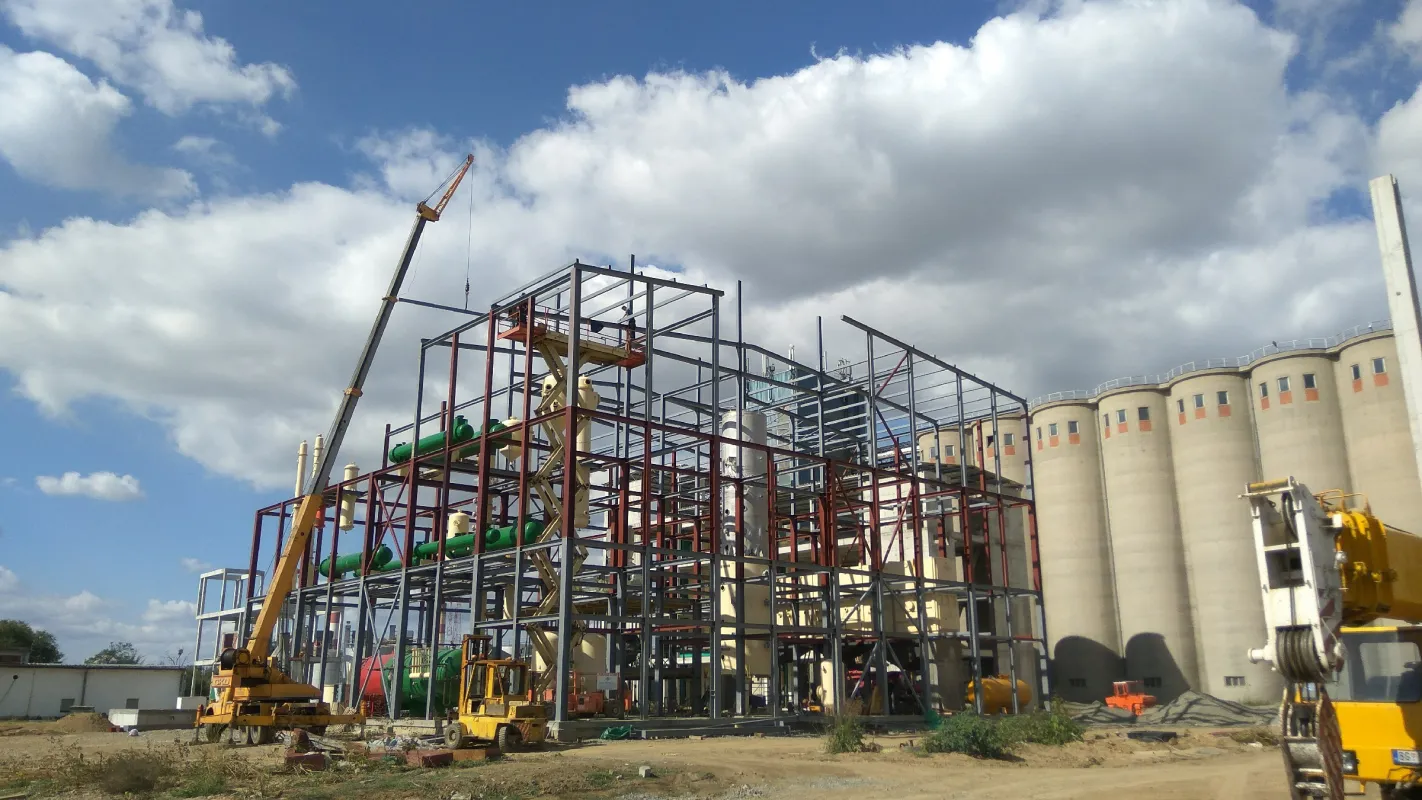
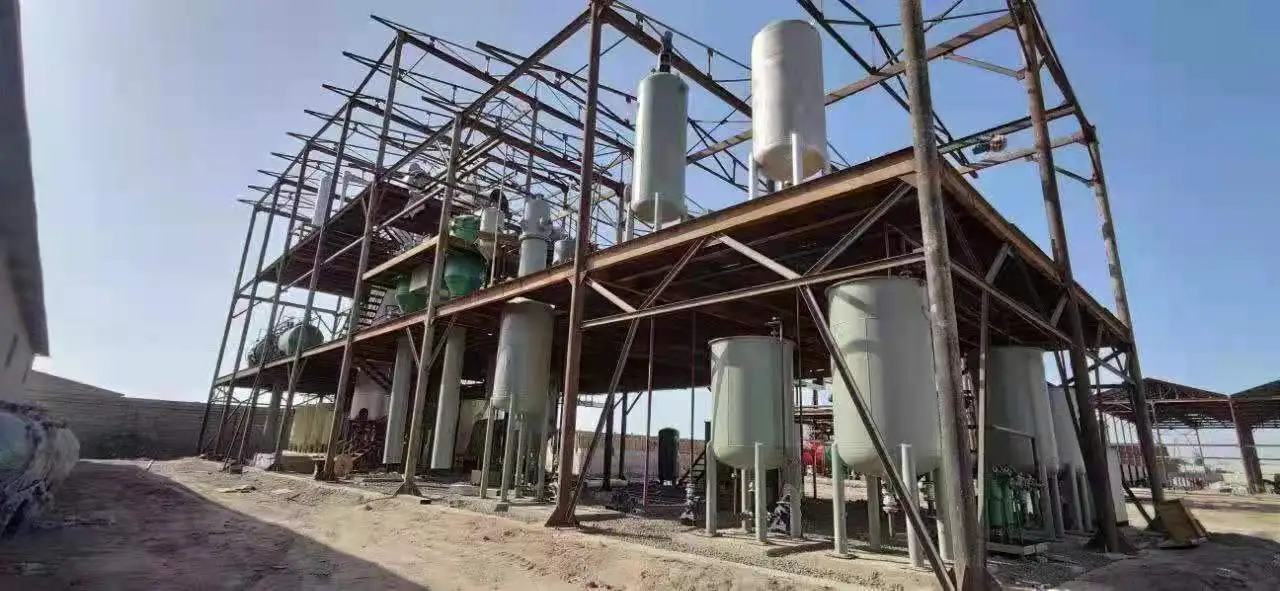
Solvent Extraction Line (Core Modules)
- Pre-treatment: cleaning, dehulling (if needed), flaking
- Solvent extractor + miscella/oil handling
- Desolventizing & meal handling system
- Oil refining equipment for stable product specification
Capacity, Investment & Energy Management (Decision Pointers)
- Small-to-medium start: pressing routes often provide simpler installation and faster operational ramp-up, especially when your product mix may change.
- Scaling strategy: if you foresee sustained high throughput, evaluate whether extraction becomes economical when considering utilities, staffing, safety systems, and refining integration.
- Energy planning: hot pressing emphasizes conditioning heat management; extraction emphasizes stable utility systems and solvent-loop operational discipline.
- Refining integration: define whether you sell crude oil or refined oil first—this influences the route, tank farm, filtration, and the refining configuration.
How Qi'e Supports Route Selection (B2B Engineering Approach)
What We Clarify With You
- Oilseed type, impurity/moisture range, and pre-treatment needs
- Throughput target, production schedule, and expansion plan
- Product positioning: cold-pressed, mainstream refined, or commodity supply
- Utilities availability and site constraints
What You Receive
- Route comparison aligned to your raw material and market
- Suggested line configuration: press/extractor/desolventizing and supporting refining
- Integration considerations for installation, commissioning, and operation
- A practical path to match equipment selection with budget and capacity goals
For processors in Asia, Africa, and South America, Qi'e focuses on line reliability, maintainability, and long-term service support—helping you build a stable oil mill operation around the right processing route.
Talk to an Engineer About Your Oilseed & Target Output
Share your oilseed type, desired capacity, whether you prefer cold pressing, hot pressing, or solvent extraction, and whether you plan to sell crude or refined oil. Qi'e Grain and Oil Machinery Co., Ltd. will help you map these inputs to a suitable equipment configuration and refining match—so your processing route fits your market and operating conditions.