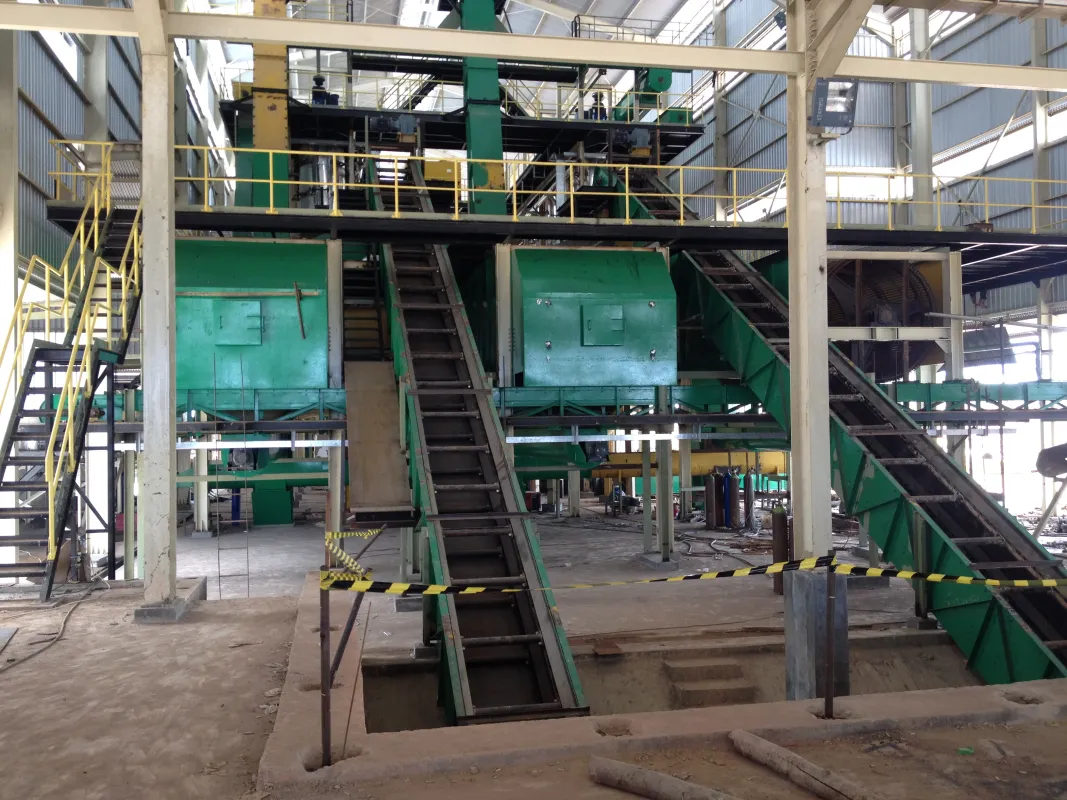
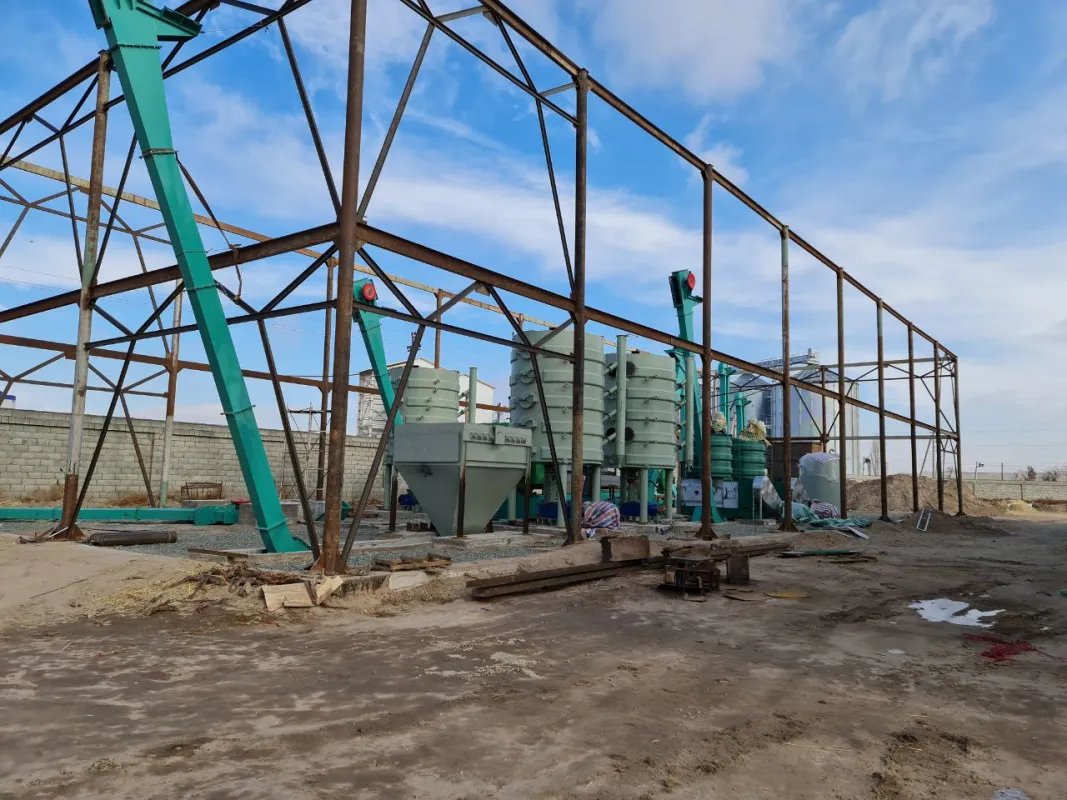
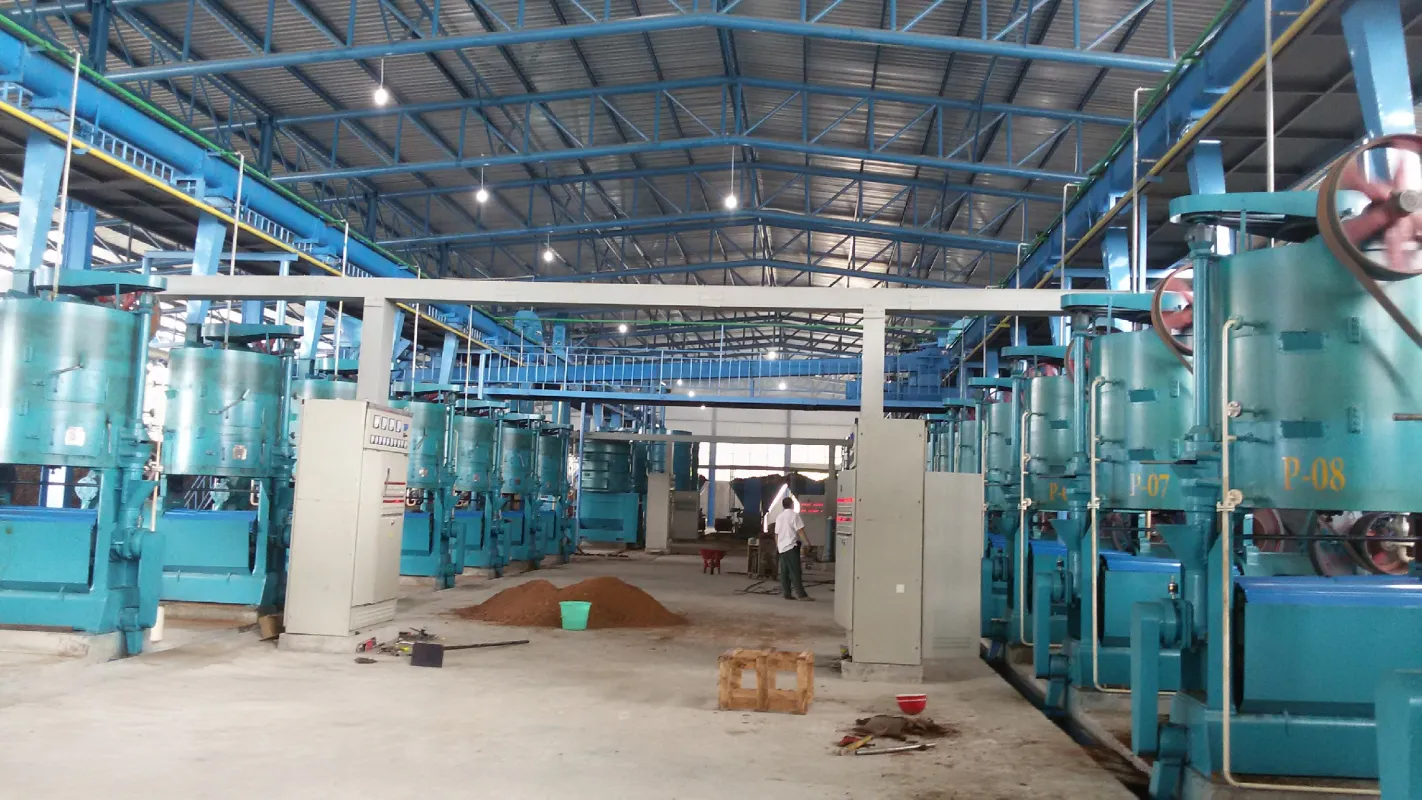
For B2B buyers planning a new edible oil factory or upgrading capacity, a common decision is whether to purchase a single machine (e.g., an oil press) or invest in a complete grain & oil processing equipment line (a turnkey plant solution). This page explains what a “complete plant” means in practical engineering terms, how pressing, solvent extraction, and refining modules connect into one production system, and what changes when you move from equipment purchasing to production-line delivery.
QIE Group designs and supplies grain & oil machinery and integrated edible oil production line solutions, including oil pressing equipment, solvent extraction equipment, and edible oil refining equipment—supported by engineering design, installation guidance, and technical service for project-based delivery.
A complete grain & oil processing plant is not one machine. It is a coordinated system of process modules that converts oilseeds (or oil-bearing materials) into edible oil through defined steps, with matching capacities, utilities, controls, and layout planning. In most projects, the scope includes:
A full edible oil production line is commonly organized as a chain of modules. Depending on your raw material, product target, and investment plan, some modules may be optional—but the key is that all selected modules are engineered as one system.
Prepares the material for stable pressing/extraction and protects downstream equipment.
Mechanical extraction to produce crude oil and press cake. This module is often the core when the process is “pressing only,” and it can also serve as pre-pressing before extraction.
Used when the project requires deeper oil recovery from prepared material or press cake. Because it involves solvent handling, this module is typically engineered with higher requirements for safety, utilities, and installation discipline.
Converts crude oil into refined edible oil quality according to your target market requirements. Refining scope can be configured based on the crude oil condition and product positioning.
In turnkey projects, auxiliaries often decide actual stability and uptime. They should be planned together with the process modules, not added later.
“Single-machine procurement” can be suitable for small expansions or replacement needs. A “complete line” is typically chosen when the goal is predictable production, scalable capacity, and integrated delivery. The differences below are the ones that most affect project outcomes.
| Comparison item | Single machine purchasing | Complete plant / turnkey line |
|---|---|---|
| Goal | Solve a specific step (e.g., pressing) or replace an existing unit. | Build or upgrade an end-to-end edible oil production capability with coordinated modules. |
| Capacity planning | Capacity is local to the machine; upstream/downstream mismatch is a common risk. | Balanced throughput across modules, with buffers/conveying designed to reduce bottlenecks. |
| Process stability | Depends heavily on the existing site’s layout, utilities, and operator experience. | Designed as a system: interconnections, controls, utilities, and maintenance access considered from the start. |
| Delivery scope | Mainly equipment supply and basic instructions. | Often includes engineering design, layout guidance, installation/commissioning support, and line-level training. |
| Factory layout impact | May require rework later (space, piping, conveyors) as additional machines are added. | Layout is planned around the line: material flow, safety distances, utilities routing, and future expansion paths. |
| Best fit | Pilot lines, maintenance replacement, limited budgets with strong in-house engineering. | New factories, capacity upgrades, and buyers who want clearer responsibility boundaries and predictable integration. |
Tip for B2B evaluation: ask for a line balance view (how each module capacity matches), a layout proposal, and a utilities list. These items often reveal whether the solution is truly integrated or just a list of machines.
QIE Group supports B2B projects with equipment supply and line-level integration thinking. Depending on the project, scope can include combinations of:
Note: the exact configuration depends on raw material characteristics, target product requirements, and site conditions. A professional line proposal should be based on confirmed inputs rather than generic assumptions.
To speed up quotation and technical alignment for a complete grain & oil processing plant, prepare the following:
Raw material: type, cleanliness, moisture range (if known)
Capacity target: desired throughput and working hours/day
Process route: pressing only or pressing + extraction; refining required or not
Site conditions: available space, utilities, local voltage/standards
If you are comparing options, QIE Group can help you clarify whether a single-machine procurement or an integrated edible oil production line solution better fits your timeline, integration risk, and factory planning needs.