You might be producing high-quality corn germ oil, but if your unit energy consumption is above industry benchmarks (like the average 120 kWh per ton for standard plants), you’re likely losing money without realizing it.
Many operators assume “hotter is better” during extraction—but that’s a myth. Inconsistent temperature control causes uneven oil release and increases solvent residue. According to a 2023 study by the International Association of Food Engineers, poorly managed thermal zones can reduce yield by up to 8% and raise energy use by 15–20%.
✅ Solution: Install real-time PID-controlled heating systems with automated feedstock pre-heating. This ensures consistent 65–70°C during pressing—boosting outturn while minimizing waste.
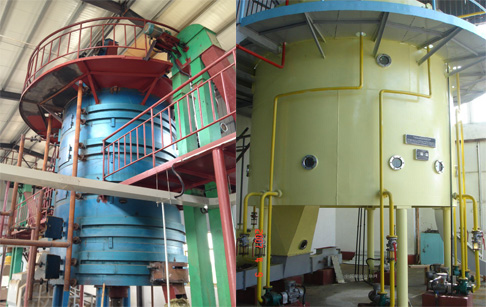
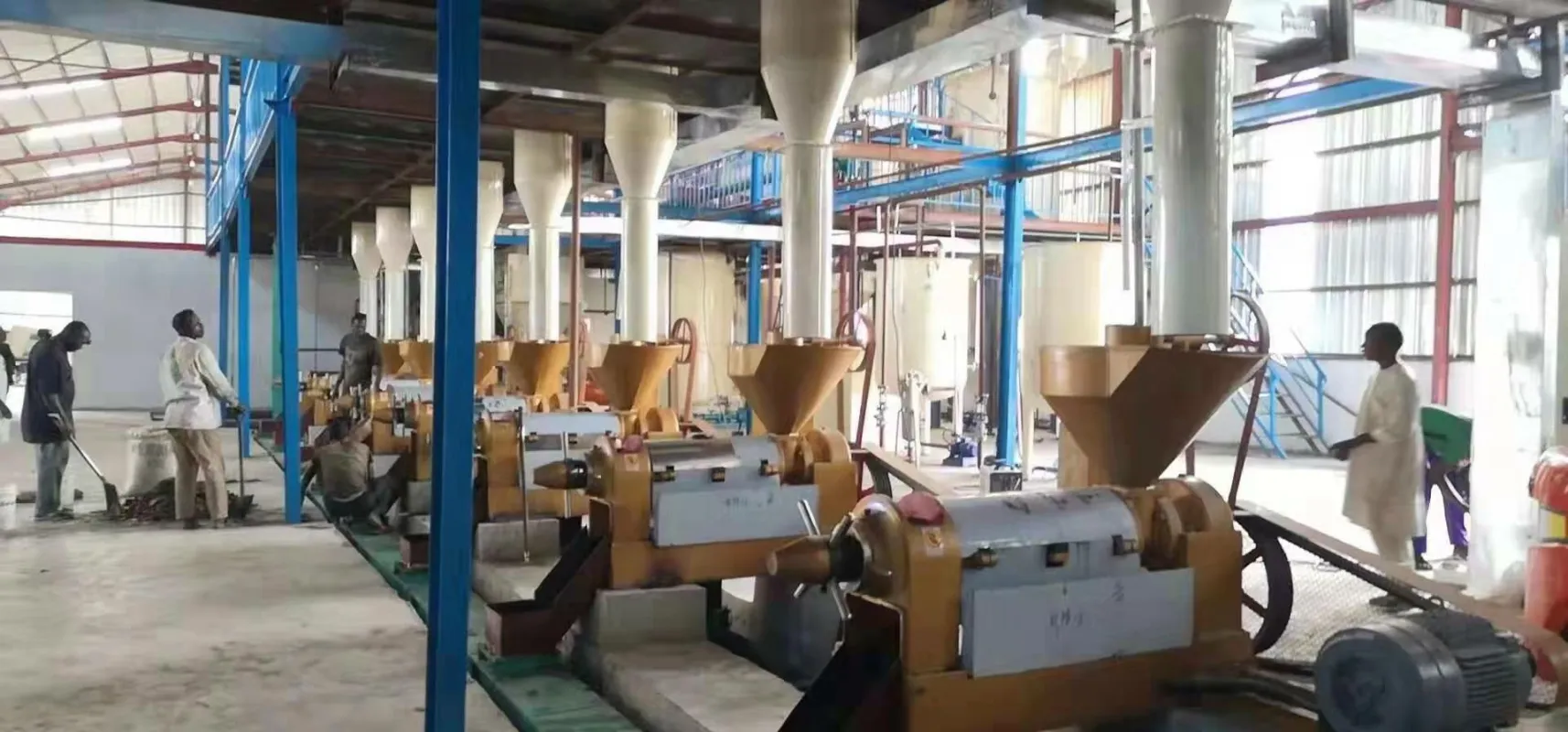
Old-style screw presses often operate at less than 60% efficiency due to poor torque distribution and worn rollers. A case from a mid-sized plant in Kansas showed switching to a modern dual-stage hydraulic press cut specific energy consumption from 135 kWh/ton to 98 kWh/ton—a 27% improvement—with no drop in quality.
✅ Tip: Look for presses with variable speed drives (VSD) and integrated moisture sensors. These allow dynamic adjustment based on raw material consistency—critical for stable output across seasons.
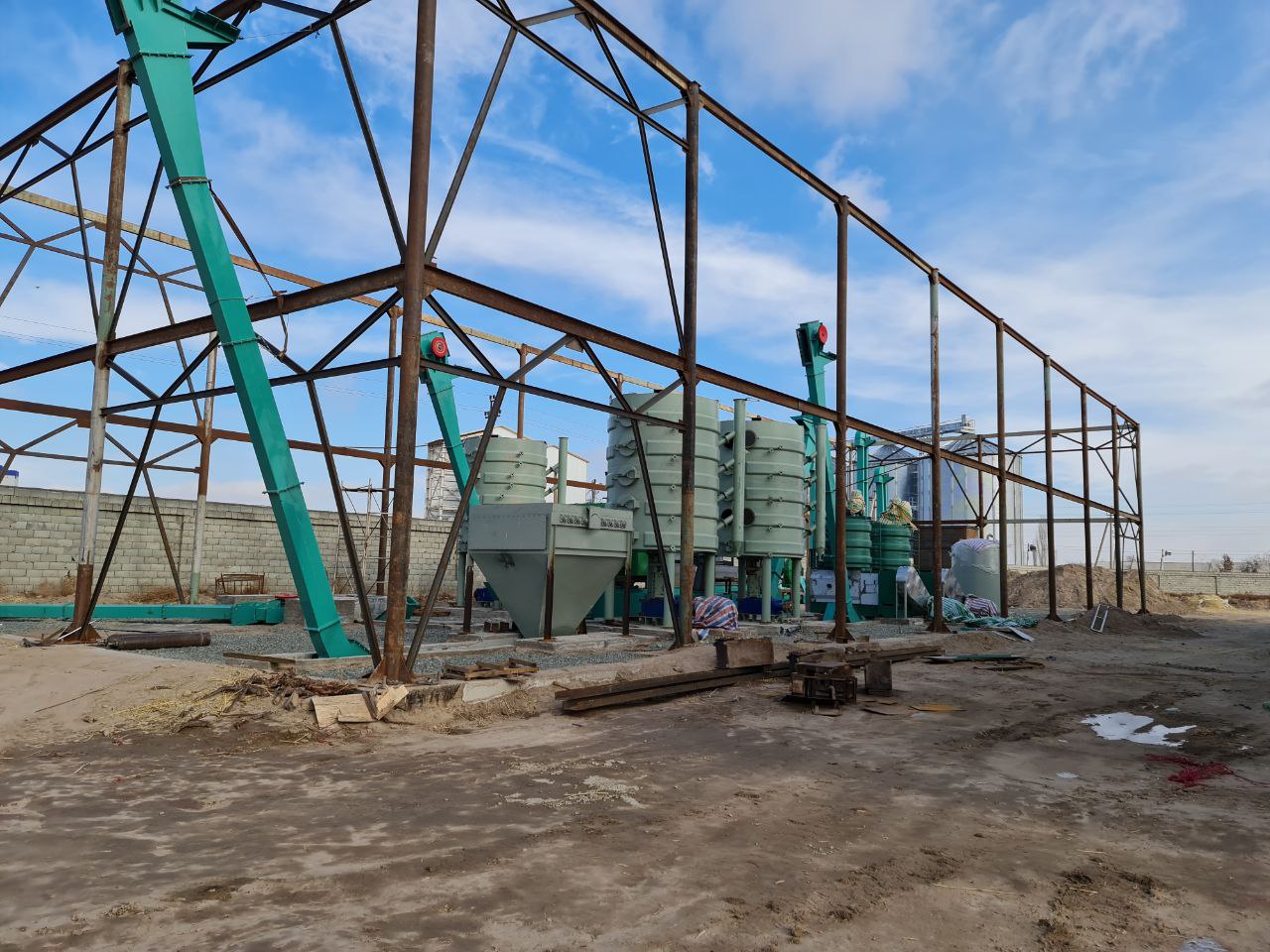
Most plants dump hot steam or residual heat into the air—wasting over 30% of total thermal energy. By installing a counter-flow heat exchanger, one Indian processor recovered 40% of its process heat, reducing boiler fuel costs by $18,000/year.
✅ Action Step: Use EER (Energy Efficiency Ratio) metrics to benchmark your system. If your EER is below 1.2, consider retrofitting with modular heat recovery units designed for food-grade applications.
| Process Stage | Baseline Energy Use (kWh/ton) | Post-Optimization | Savings |
|---|---|---|---|
| Pre-press Heating | 45 | 32 | 29% |
| Press Operation | 60 | 45 | 25% |
| Heat Recovery | 20 | 12 | 40% |
If your plant still uses manual controls or outdated equipment, ask yourself: Are you paying more for electricity than necessary? You don’t need to overhaul everything—you just need smart upgrades.
Not every line can deliver both stability and savings—but yours can. Start small. Audit your current setup using our free Energy Efficiency Checklist for Corn Germ Oil Plants. Then take action—because saving energy isn’t just green—it’s profitable.
Your production team will thank you when they see lower utility bills. And your CFO will thank you when margins grow—not shrink.