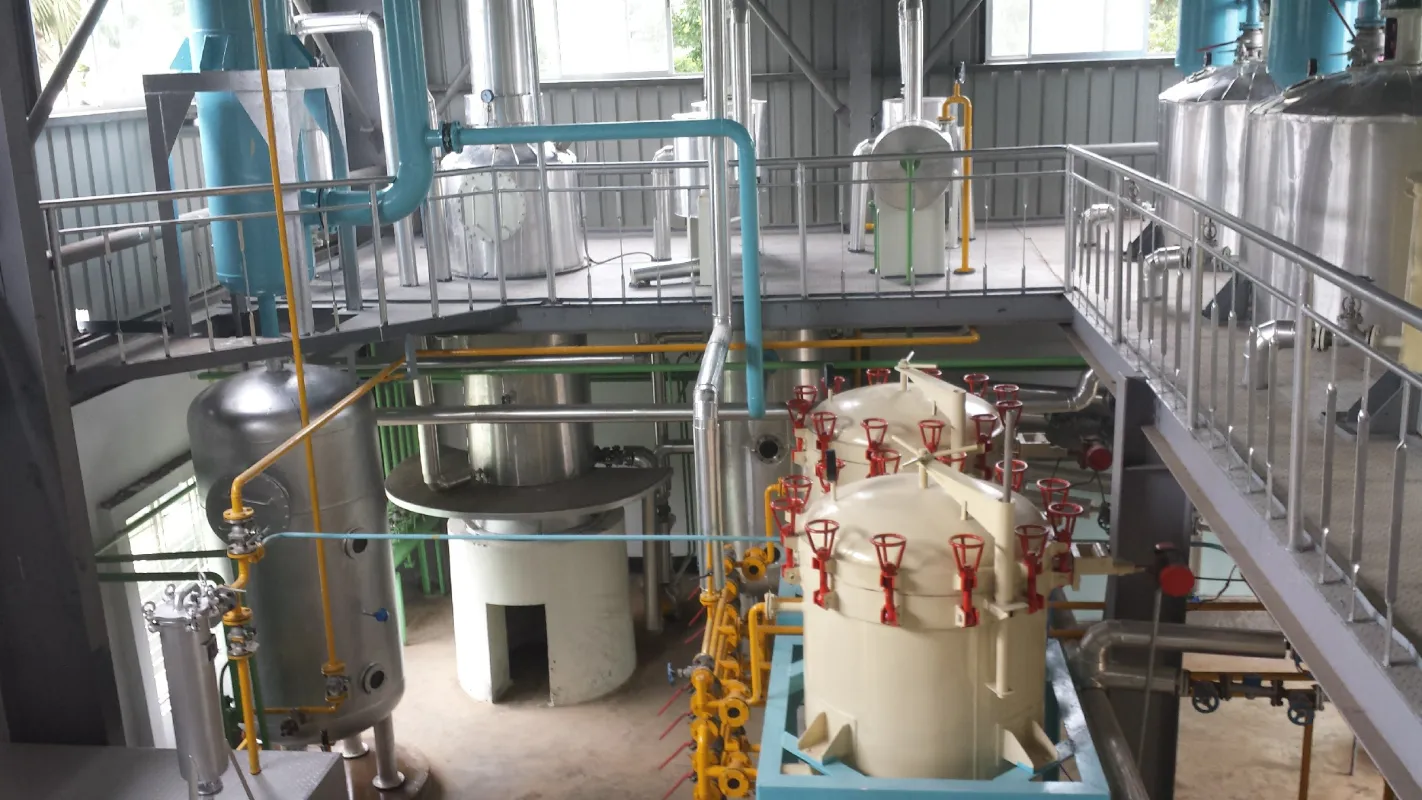
For food technologists and oil processors aiming to produce high-value functional oils, understanding how to preserve bioactive compounds during corn germ oil extraction is critical. At QIE Group, we’ve distilled years of R&D into a practical guide that ensures maximum retention of vitamin E, plant sterols, and other nutrients—without compromising yield or safety.
Proper cleaning and conditioning of corn germ before pressing can reduce oxidation by up to 40%. Maintain moisture content between 8–12% and ensure particle size consistency (1–2 mm) to prevent uneven heat transfer. A common mistake? Over-drying leads to brittle kernels that break easily—increasing free fatty acid levels and reducing shelf life.
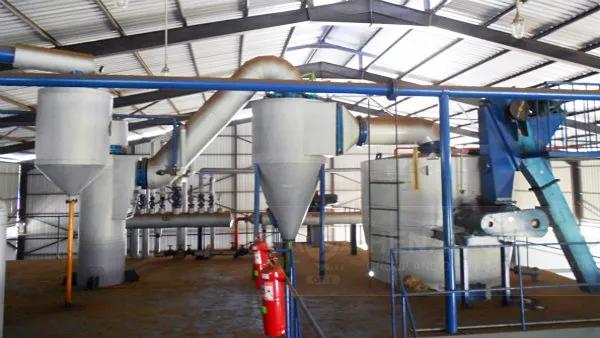
The de-gumming stage is where vitamin E stability is most at risk. Studies show that temperatures above 65°C can degrade up to 30% of tocopherols within 15 minutes. Our recommended range? Keep it below 60°C with continuous monitoring using inline sensors. Also, maintain vacuum pressure at -0.08 MPa to minimize oxygen exposure—a key factor in preserving unsaturated fatty acids.
| Parameter | Optimal Range | Impact on Nutrients |
|---|---|---|
| De-gumming Temp (°C) | ≤60 | ↑ Vitamin E retention |
| Vacuum Level (MPa) | -0.07 to -0.09 | ↓ Oxidation rate |
| Antioxidant Addition Time | Post-degumming, pre-refining | ↑ Stability during storage |
While refining removes impurities like phospholipids and free fatty acids, it also risks stripping valuable components if not carefully managed. Add natural antioxidants such as rosemary extract or tocopherol blends at the final stage—after bleaching but before deodorization—to protect vitamin E and plant sterols from thermal degradation.

By implementing these science-backed controls, manufacturers can consistently meet global standards such as ISO 22000 and EU Regulation (EC) No 178/2002 while enhancing product value through superior nutrition retention.
Download our full “Nutrient-Preserving Corn Germ Oil Processing Manual” — trusted by over 50+ international food companies.
Get Your Free Guide Now