Industrial Corn Germ Oil Production Line Selection Guide: Configuration Evaluation & Maintenance Checklist
This guide from Qi'e Grain and Oil Machinery (企鹅集团) helps procurement teams and plant engineers evaluate an industrial corn germ oil production line configuration—from pretreatment, pressing and filtration to optional refining, conveying and control systems—plus a practical maintenance and inspection checklist to support lifecycle cost decisions.

Procurement and engineering teams often compare multiple industrial corn germ oil production line proposals that look similar on paper—but differ significantly in configuration match, maintainability, and lifecycle cost. This page from Qi'e Grain and Oil Machinery (企鹅集团) provides a structured way to evaluate line configuration (pretreatment → pressing → filtration, with optional refining, conveying, and control systems) and a practical maintenance/inspection checklist to support quotation comparison.
Configuration Evaluation
Maintenance Checklist
Lifecycle Cost Focus
Reference product
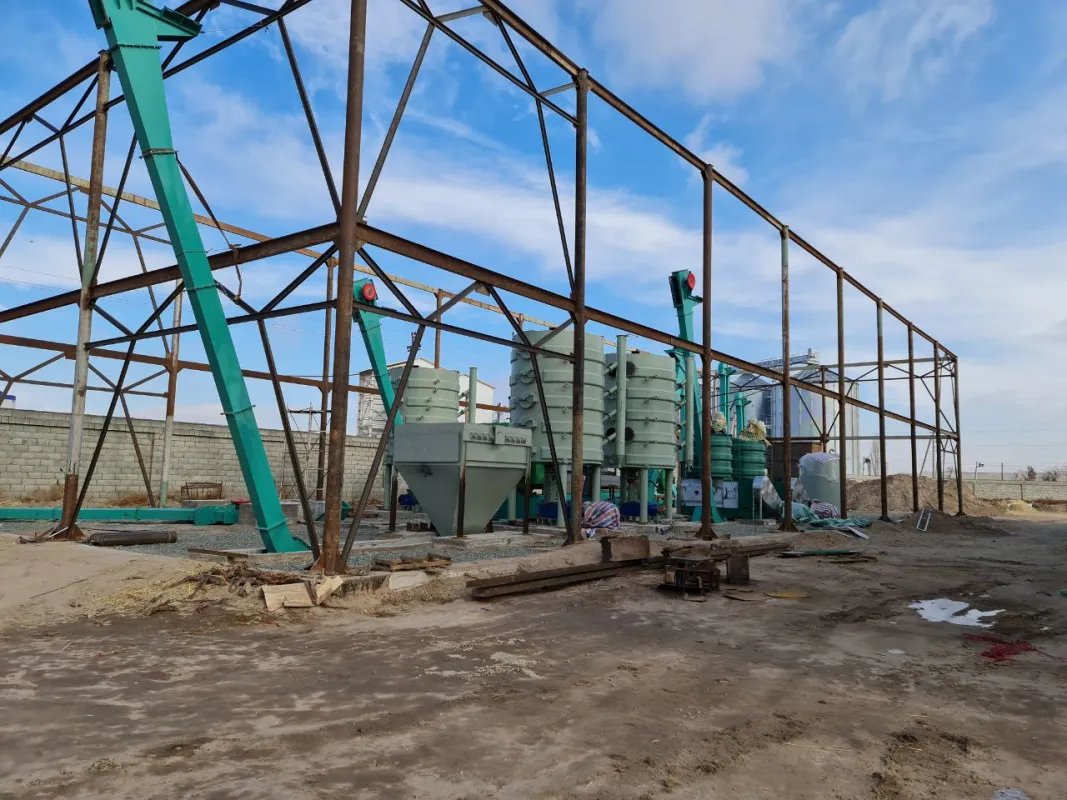
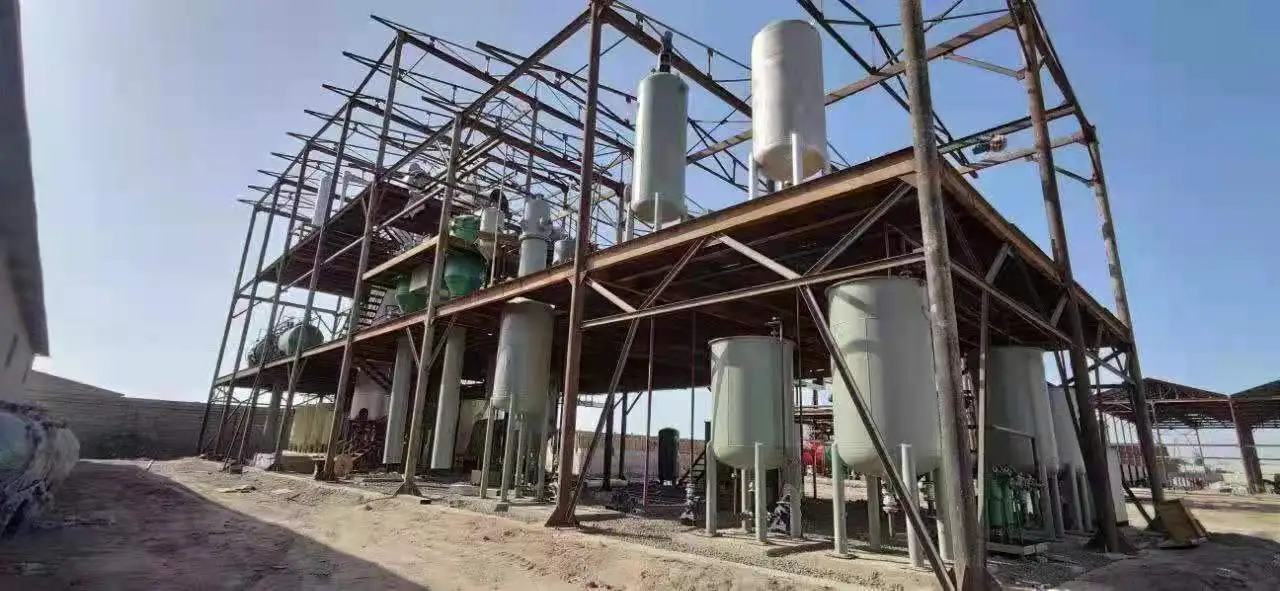
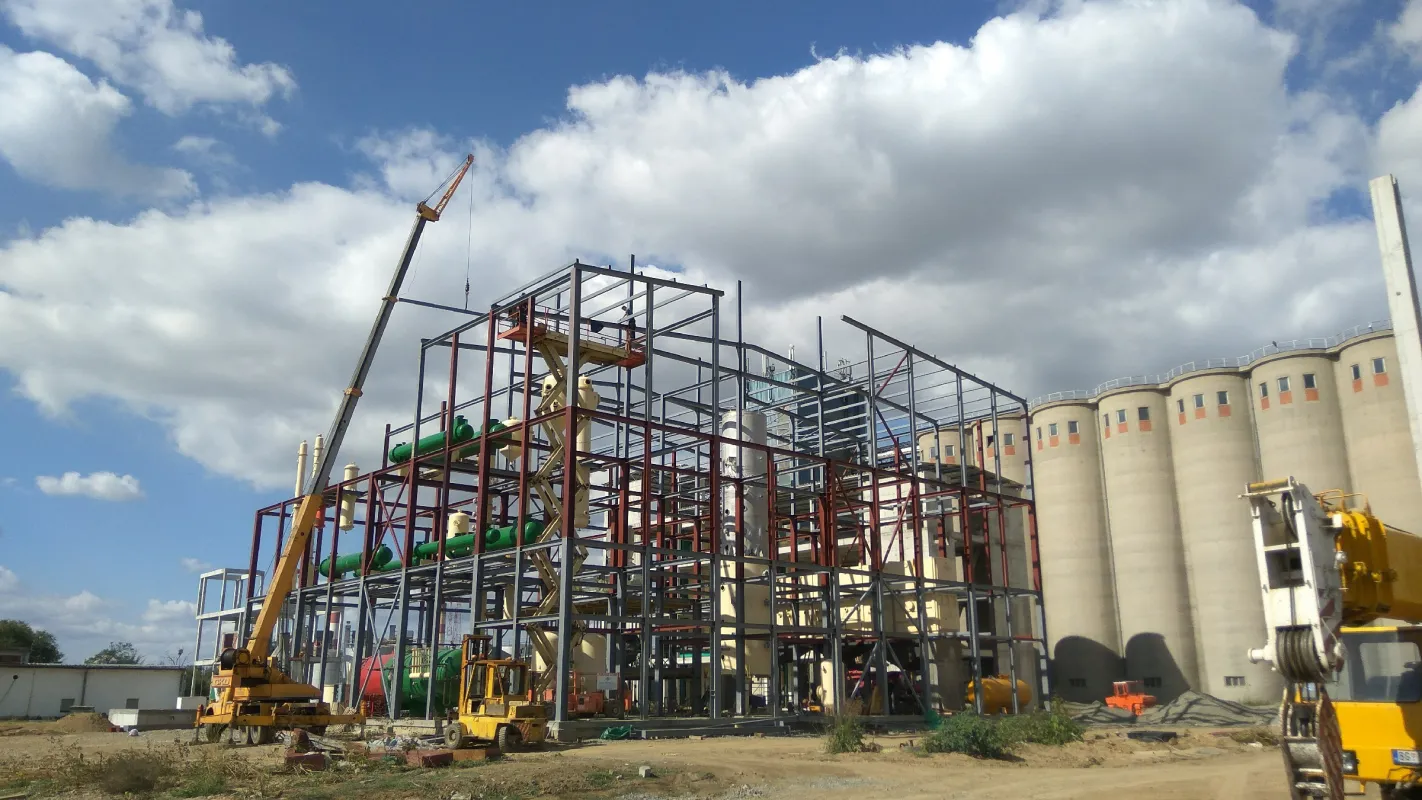
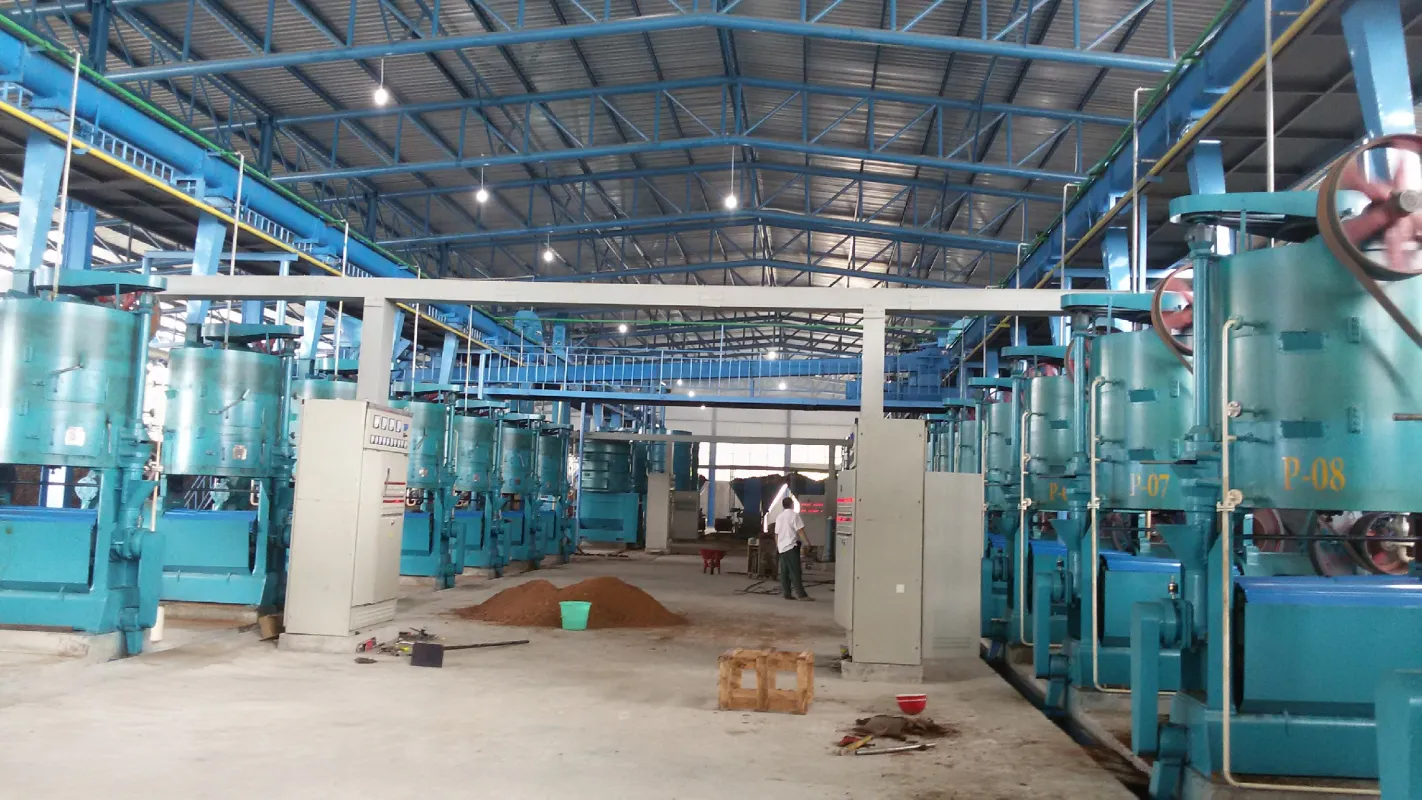
Corn Germ Oil Production Line

Designed with emphasis on energy efficiency and nutrient retention, supporting stable output and convenient installation/operation via modular oil processing equipment.
- Efficient & stable production with modern process control
- Energy saving and environmental protection considerations
- Quality-oriented process flow & quality control approach
- Adjustable process options based on customer needs
- Operator-friendly maintenance and daily servicing
Note: Final configuration, parameters, and maintenance intervals should follow the selected module set and the manufacturer’s technical documents. Electrical, dismantling, and high-temperature work must be performed by trained personnel under site safety procedures.
1) How to Evaluate a Corn Germ Oil Production Line Configuration
A robust evaluation starts by mapping your raw material and product targets to each processing stage. For industrial projects, configuration fit is typically determined by throughput requirements, corn germ oil content, target oil quality, available energy conditions, and budget—then validated through maintainability and operating logic.
Core modules (typical flow)
Pretreatment (cleaning / conditioning)
→
Pressing (oil extraction)
→
Filtration (clarification)
→
Optional refining (as required)
→
Conveying & control (line coordination)
The practical goal is coordinated capacity across stages—avoiding bottlenecks, unstable feeding, or frequent stop-start operation that increases wear and energy use.
Evaluation checklist (engineering & procurement)
| Area |
What to check |
Why it matters |
| Pretreatment |
Feeding stability, cleaning/conditioning logic, and whether process settings are adjustable to your raw material variation. |
Stable pretreatment helps protect downstream pressing and improves operational consistency. |
| Pressing |
Extraction capacity match to upstream feed rate; automation/control approach; accessibility for wear-part replacement. |
Capacity mismatch or hard-to-service design drives downtime and higher maintenance cost. |
| Filtration |
Clarification target, cleaning convenience, and whether filtration throughput keeps up with pressing discharge. |
Filtration is a common bottleneck; easier cleaning helps maintain oil quality and uptime. |
| Optional refining |
Whether refining modules are required for your target specification; integration interfaces and control coordination. |
Refining selection affects capex/opex, footprint, and maintenance scope. |
| Conveying & controls |
Interlocks, emergency stop logic, alarms, and how the line synchronizes feeding, pressing, and filtration. |
Good coordination reduces human error and supports stable industrial operation. |
| Modularity & service |
Modular design boundaries, ease of installation/commissioning, and maintainability (access points, common parts). |
Modular oil processing equipment can reduce labor and material costs during installation and upkeep. |
Configuration decisions should be validated against your site conditions (power/steam/water availability), operation staffing model, and maintenance capability—not just initial equipment price.
2) What “Energy-Saving” and “High Efficiency” Mean in Practical Terms
In this corn germ oil production line, energy-saving and high efficiency are approached through process control, stable continuous operation, and maintenance-friendly design. Instead of relying on claims, use the checks below during technical alignment and quotation review.
Stable capacity & automation
- Automated control helps keep operating parameters consistent.
- Stable feeding reduces surges that increase wear and waste energy.
- Clear operating logic shortens operator training time.
Nutrient retention & quality focus
- Process choices emphasize nutrient retention and product quality.
- Quality control steps help maintain consistent oil characteristics.
- Filtration coordination supports clarity and stability.
Maintainability that protects uptime
- Modular layout helps simplify installation and future adjustments.
- Accessible service points reduce downtime during routine checks.
- Defined wear-part management supports predictable spares planning.
3) Maintenance & Inspection Checklist (Lifecycle Cost Oriented)
Use this checklist to compare suppliers and plan internal maintenance resources. Actual intervals and methods should follow your final equipment configuration and technical manuals.
Routine items
Safety boundary
Lockout/tagout, hot surfaces, and electrical safety procedures must be followed. Dismantling, electrical checks, and high-temperature tasks should be performed by trained personnel.
Cleaning & housekeeping
- Clean around feeding/discharge areas to prevent buildup and slippage.
- Check filtration-related areas for residue accumulation and easy washdown.
- Verify guards and covers are correctly refitted after cleaning.
Lubrication
- Follow lubrication points list and recommended lubricants for each drive/bearing.
- Inspect for leaks and contaminated lubricant (dust/water ingress).
- Record lubrication actions to support troubleshooting.
Fastening & alignment
- Check key fasteners for looseness due to vibration.
- Inspect couplings, alignment indicators, and mounting stability.
- Review abnormal noise/vibration reports from operators.
Drive inspection
- Inspect belts/chains/gears (if applicable) for wear and tension.
- Confirm normal motor temperature and no rubbing/interference.
- Check guards and emergency stop accessibility.
Electrical checks
- Inspect control cabinet cleanliness and ventilation.
- Check terminals for overheating signs and ensure cables are secured.
- Verify alarms/interlocks function according to control logic.
Shutdown maintenance
- Plan deeper inspection during scheduled downtime (wear parts, seals).
- Clean and inspect key process interfaces between modules.
- Document findings to refine your preventive maintenance plan.
Wear-parts & spares management
- List typical wear parts by module (pressing/filtration/drives) and define minimum stock.
- Track replacement frequency and correlate with operating conditions.
- Confirm spares standardization across modular equipment where possible.
4) Who This Guide Is For (Typical Industrial Use)
- Procurement teams comparing quotations for corn germ oil pressing equipment and complete line packages.
- Plant engineers validating capacity coordination across pretreatment, pressing and filtration modules.
- Project owners planning budget and long-term maintainability for new plants or expansions.
- Start-ups and established mills seeking a modular configuration that fits site conditions and staffing.
5) How Qi'e Grain and Oil Machinery Supports Your Project
Qi'e Grain and Oil Machinery (企鹅集团) is focused on grain & oil machinery R&D, manufacturing, sales and service, providing B2B support for oil pressing equipment, oil production line equipment and edible oil refining equipment. For corn germ oil projects, our team can assist you in aligning the production line configuration with your targets and in planning operation and maintenance practices suitable for your site.
Information to prepare for technical alignment
- Planned throughput and operating schedule (shifts, annual run time assumptions)
- Raw material characteristics (corn germ quality variation, handling method)
- Target oil quality and whether optional refining is required
- Available utilities and site constraints (power, space, installation conditions)
- Maintenance resources and preferred spare parts strategy
If you are comparing multiple industrial corn germ oil production line suppliers, use the configuration evaluation table and the maintenance checklist above as a consistent scoring framework—then confirm final details against the selected module set and official technical documentation.