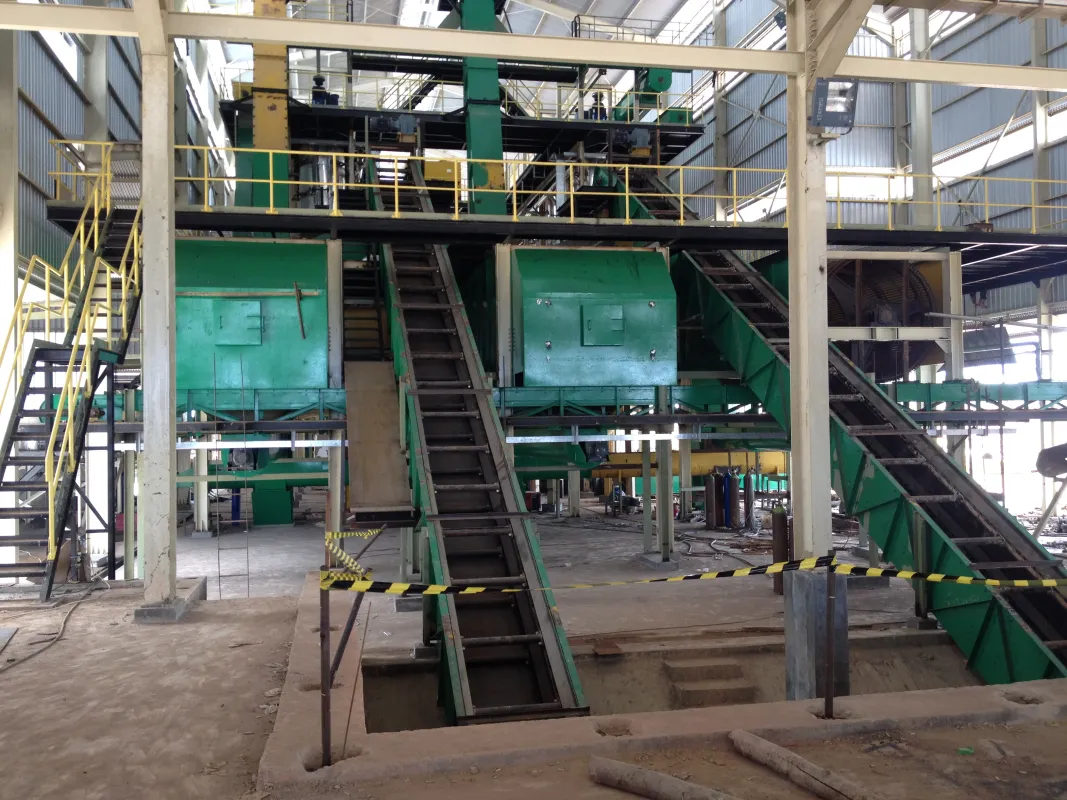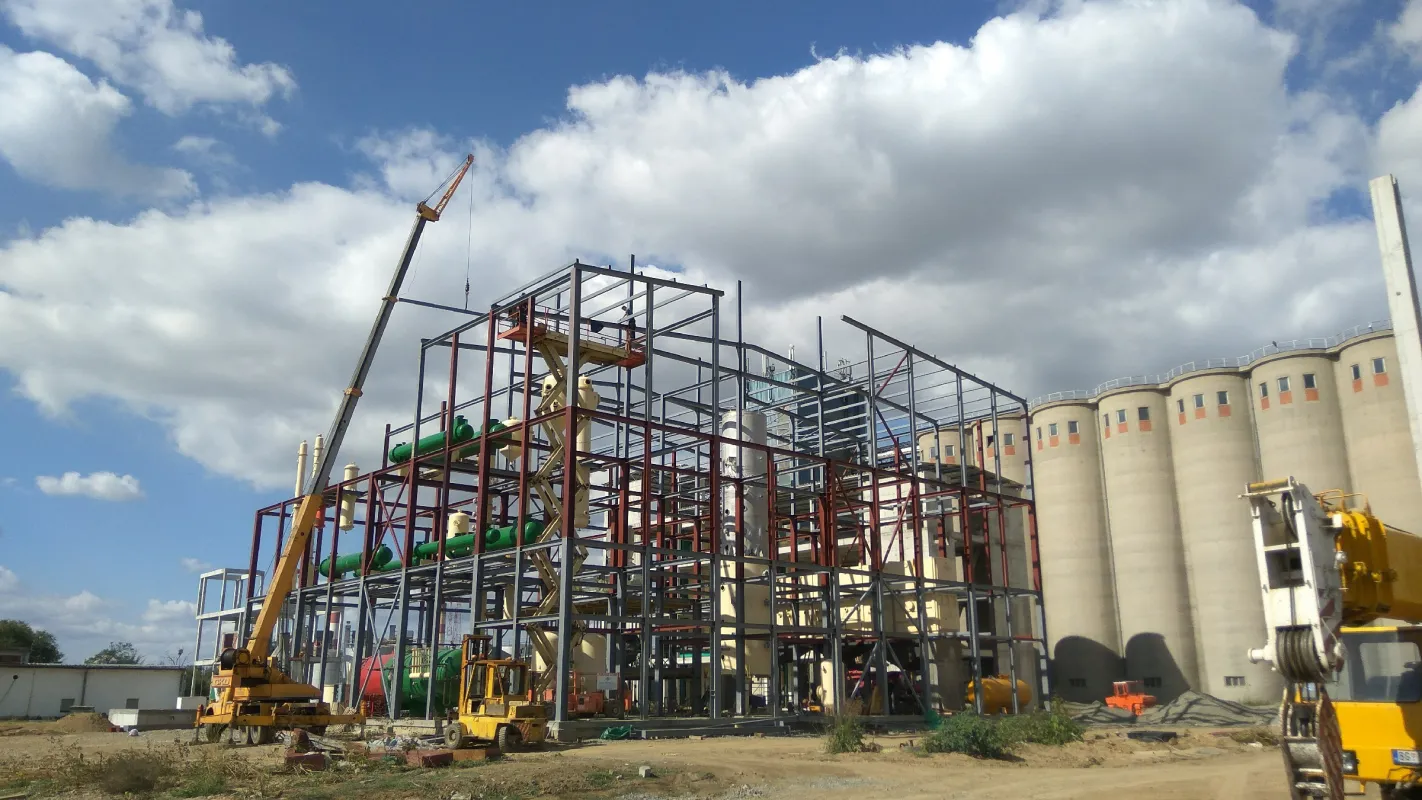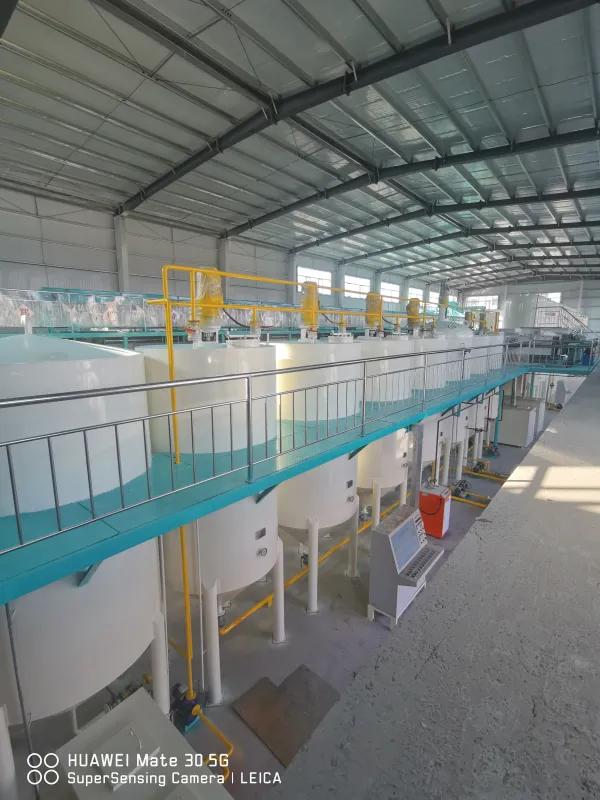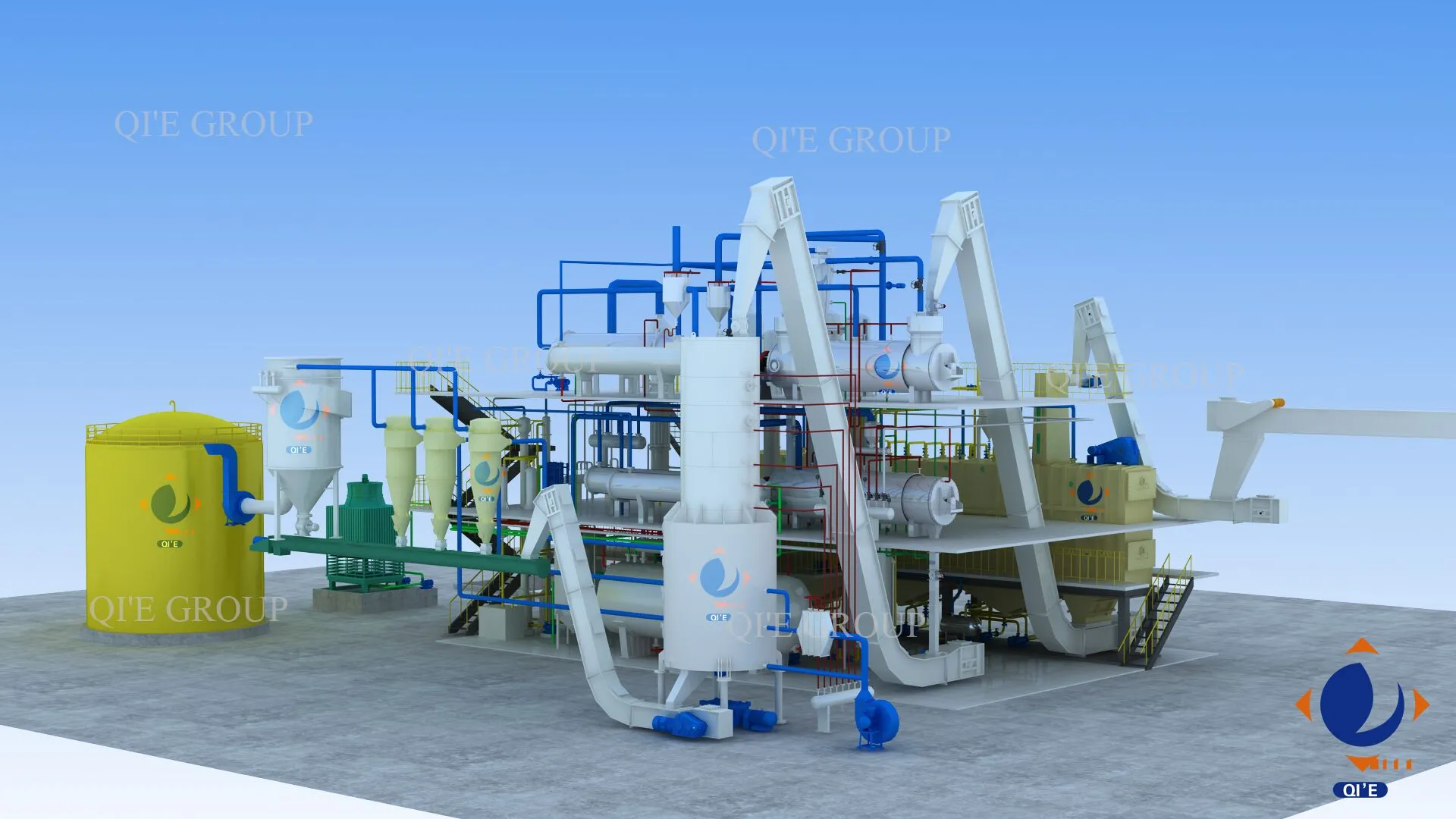
As a decision-maker in the edible oil industry, you know that choosing the right production system isn’t just about capacity—it’s about scalability, flexibility, and long-term ROI. For small to mid-sized oil mills aiming to produce high-quality corn germ oil, traditional fixed-line setups often fall short. Here's how modular systems—like those from QIE Group—solve real pain points.
Based on our work with over 70+ clients across Asia, Europe, and Latin America, we’ve found that successful adoption hinges on four key factors:
In one case study, a rural cooperative in Indonesia started with a 3-ton/day setup using QIE Group’s modular corn germ oil system. Within 18 months, they scaled to 20 tons/day—with zero major reconfiguration. Their labor cost per ton dropped from $1.20 to $0.65, and equipment uptime increased from 78% to 94%.
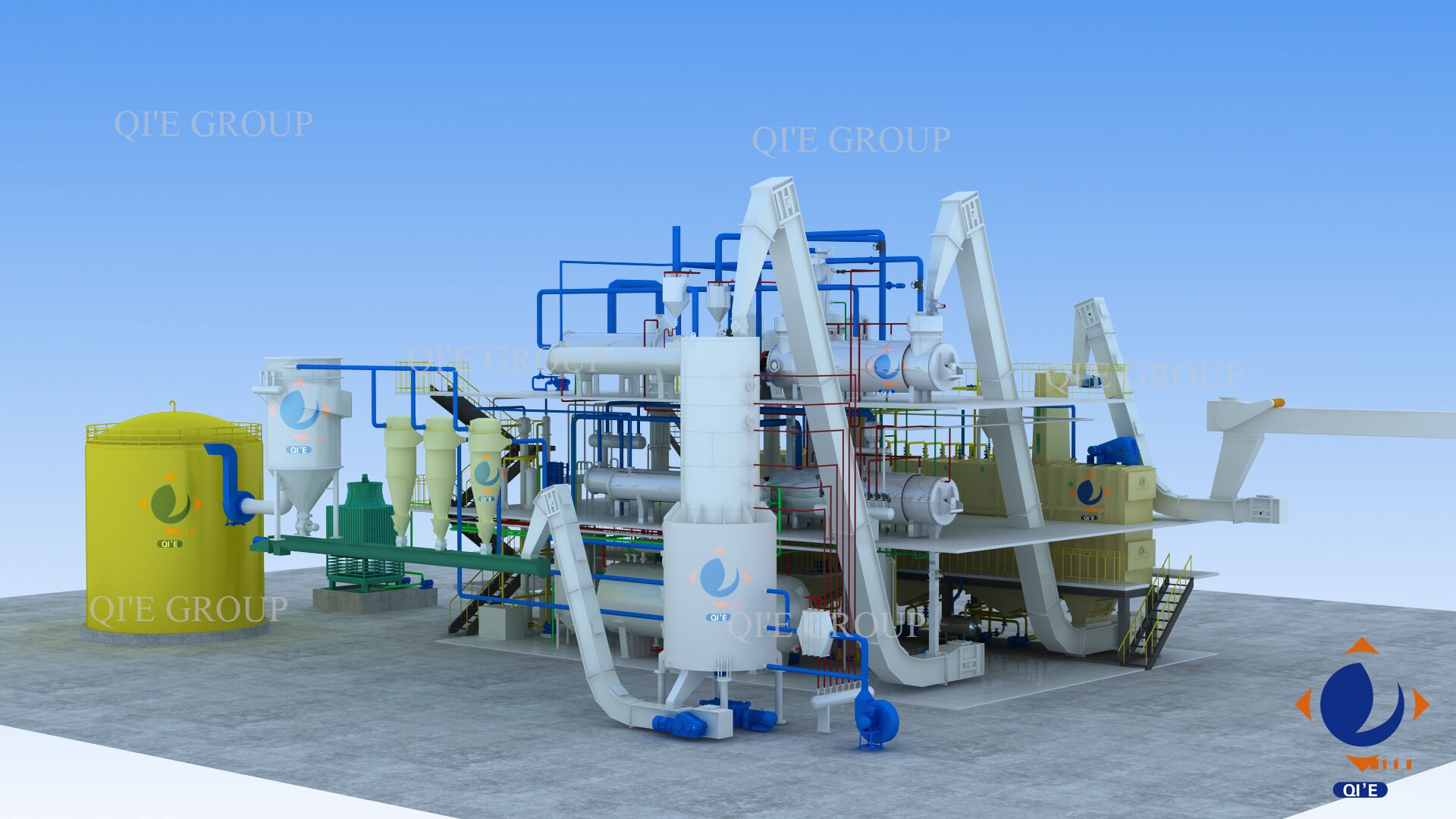
Too many operators invest heavily in “high-end” equipment too early—only to realize it doesn’t fit their actual throughput or budget. Don’t make this mistake:
“We bought a fully automated 50-ton/day line expecting steady demand. In reality, we only processed 12 tons/day during peak season. The idle time cost us $18K/month in maintenance alone.” — Client feedback from Thailand
The smarter path? Start with core modules (pre-treatment, pressing, filtration), then add refining stages as volume grows. This approach aligns with your business rhythm—not the vendor’s sales cycle.
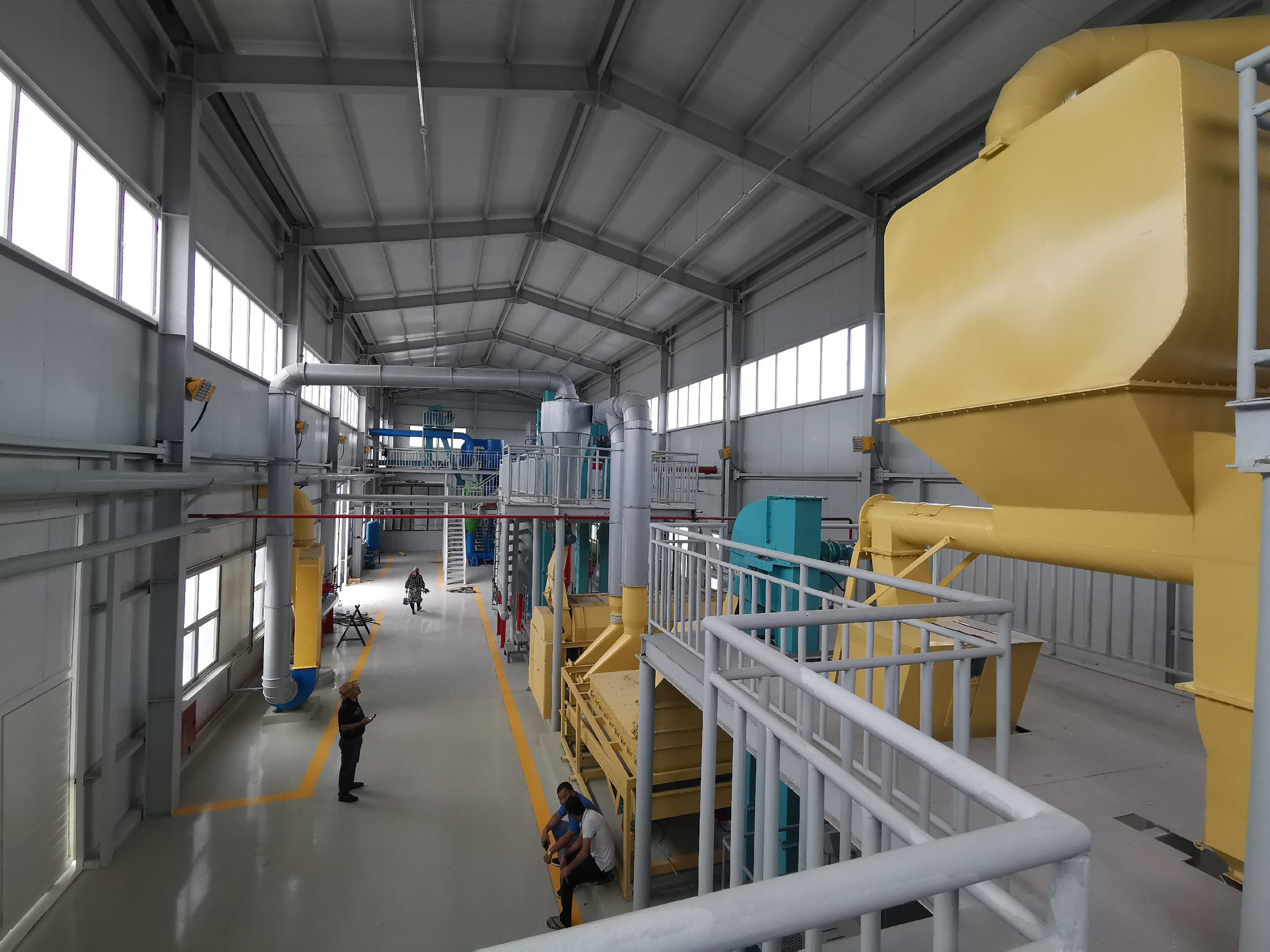
If your current building has at least 15m x 10m of usable floor area and basic utilities (water, electricity, compressed air), most QIE Group systems will fit. We provide site assessment kits free of charge.
You simply integrate new modules into your existing line—no structural changes required. Our customers typically expand in 5–10 ton increments based on seasonal demand.
Download our Free Capacity Planning Tool—it helps estimate your ideal configuration based on daily output, raw material type, and budget range.
Get Your Free Assessment Now →