How to Choose and Maintain an Industrial Corn Germ Oil Production Line for Stable, Efficient Operation
This guide from Qi'e Grain and Oil Machinery explains how to evaluate and maintain an industrial corn germ oil production line—from capacity matching and energy-consumption assessment to daily maintenance routines and troubleshooting to reduce unplanned downtime and lifecycle costs.
Stable output, controllable energy use, and consistent oil quality are the three levers that determine the lifecycle cost of an industrial corn germ oil production line. This page from Qi'e Grain and Oil Machinery (Qi'e Grain and Oil Machinery Co., Ltd.) explains how to choose the right configuration and how to maintain it for reliable day-to-day operation—especially for large oil mills, mid-size processing projects, emerging-market startups, and expansion/retrofit teams.
Capacity matching
Energy consumption evaluation
Maintenance routines
Troubleshooting workflow
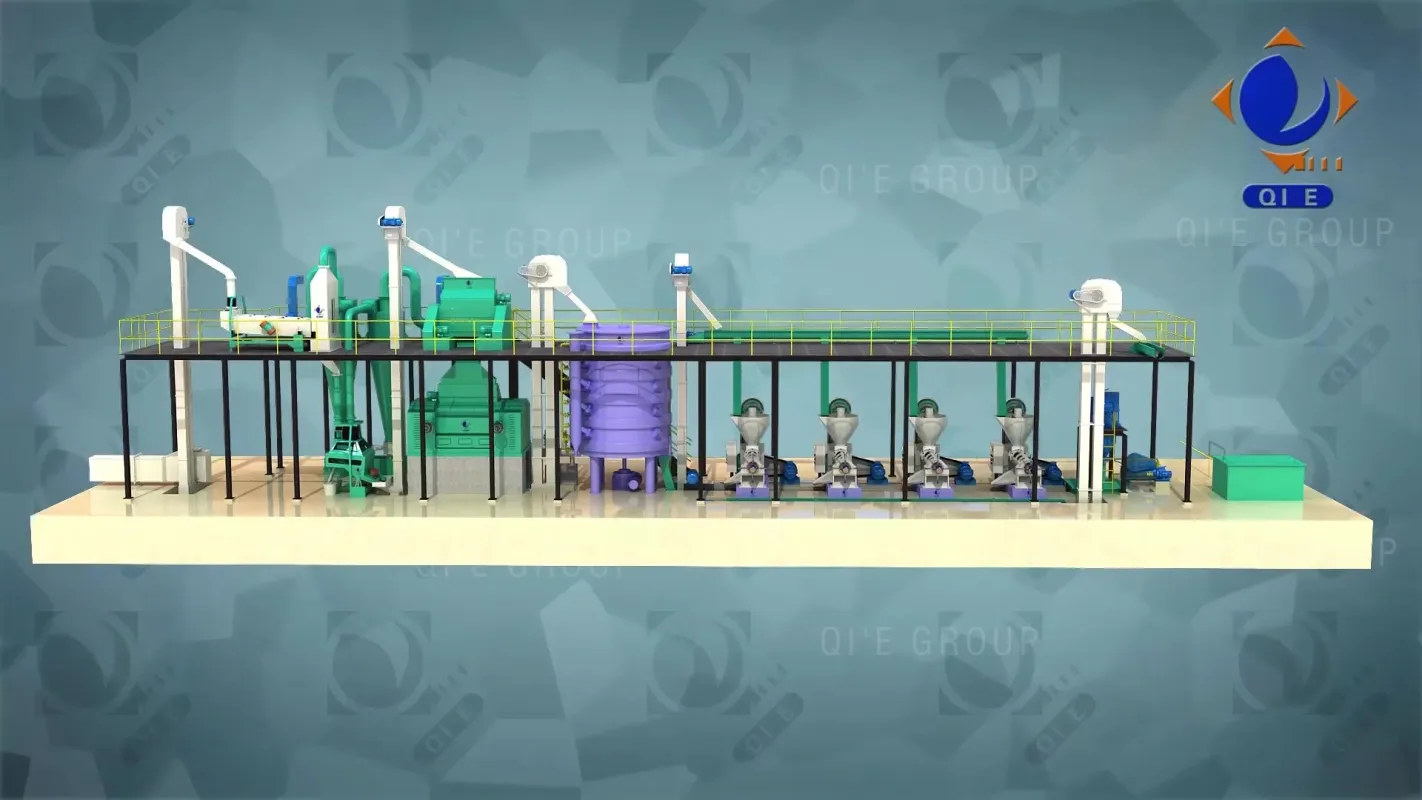
Modular equipment setup

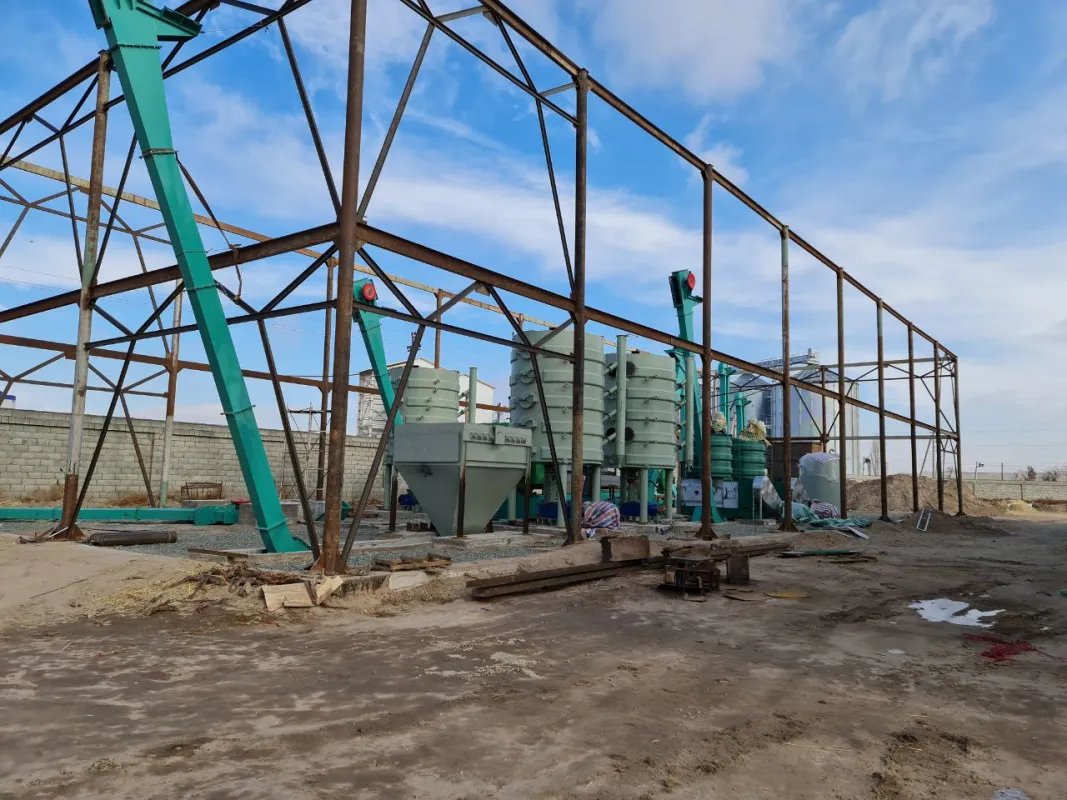
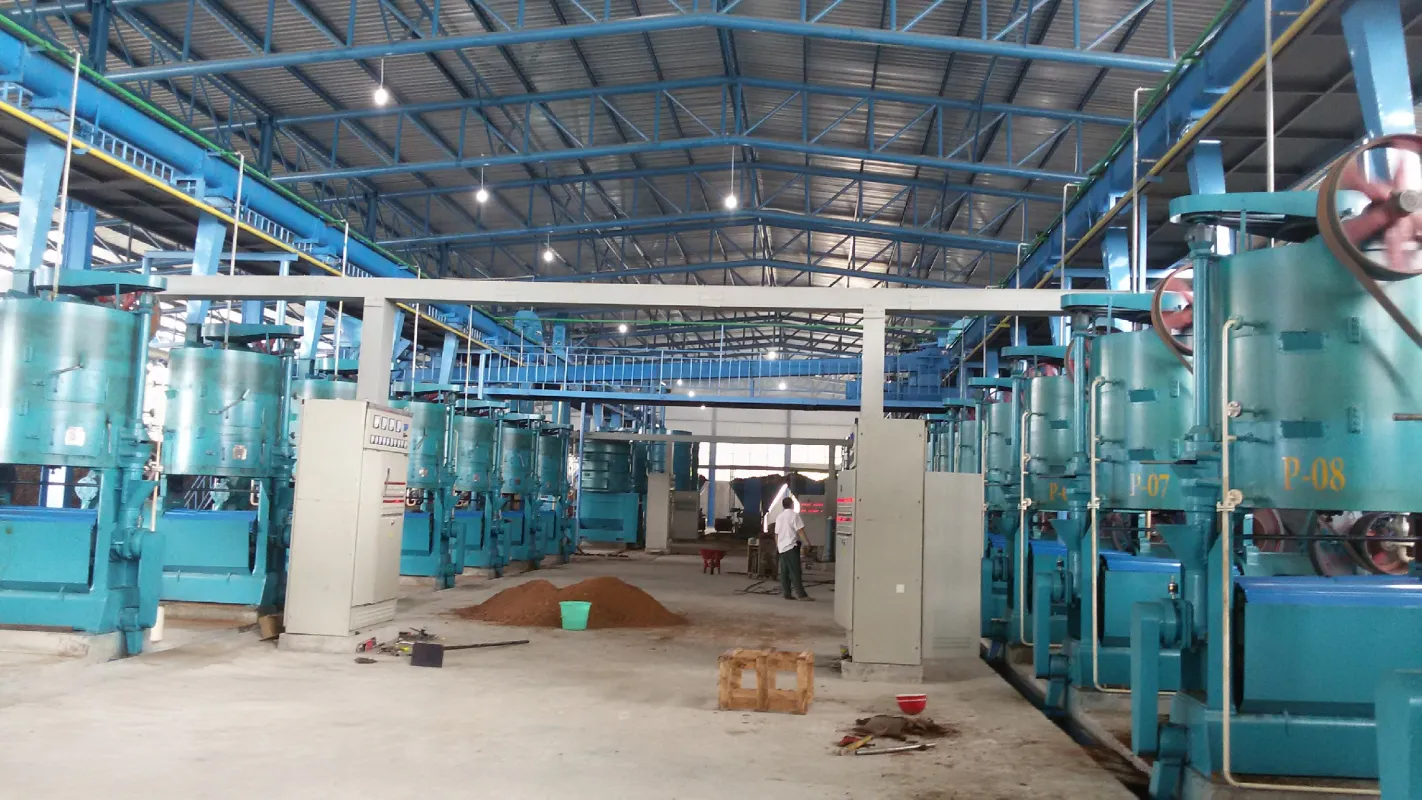
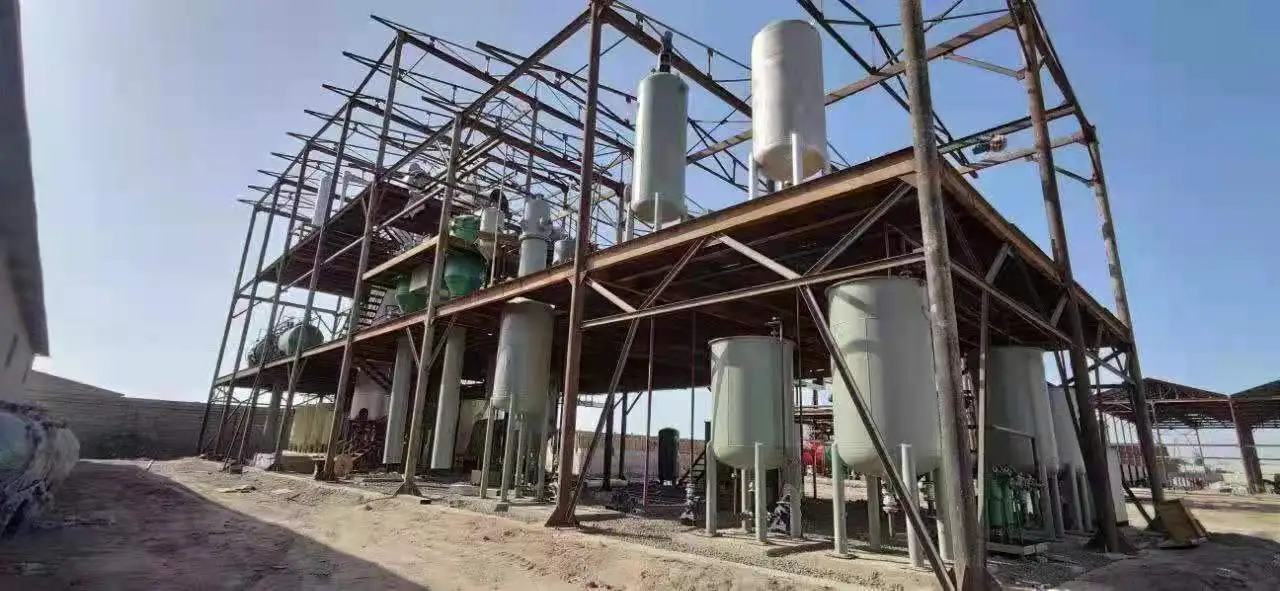
Corn Germ Oil Production Line
Focus: energy efficiency, nutrient retention, modular installation, and practical maintenance.
HS Code: 84388000
Typical use: industrial edible oil processing projects requiring stable, efficient operation.
1) Selection: How to Evaluate a Corn Germ Oil Production Line Before You Buy
Equipment selection should start from your raw material reality and your oil quality target, then translate into capacity, automation level, and energy-consumption requirements. Qi'e Grain and Oil Machinery designs corn germ oil lines with precise process control, supporting high output while targeting lower energy consumption through an energy-aware system design and configuration.
A. Capacity matching: design vs. actual throughput
- Define real operating hours (shift plan, seasonal peaks) and match line sizing accordingly—avoid chronic overload that increases wear and unplanned downtime.
- Check raw material variability: corn germ oil content and incoming consistency influence achievable output and stability.
- Plan for upstream/downstream constraints: feeding, conveying, and storage limitations can bottleneck a high-capacity line.
B. Energy-consumption assessment: where the costs accumulate
For an industrial corn germ oil production line, energy cost is rarely one single number. Evaluate unit energy consumption by considering the complete operating profile (start/stop frequency, load level, and automation strategy).
- Automation level & controls: modern automated control helps keep production stable and reduces energy waste from improper operation.
- Process adjustability: adjustable process equipment supports optimization for your raw material and quality goals rather than forcing a fixed, inefficient setting.
- Maintenance accessibility: easier cleaning and inspections reduce hidden energy loss caused by friction, misalignment, and contamination.
C. Oil quality targets: process control and quality management
If your market requires specific product positioning, define your oil quality targets early. Qi'e Grain and Oil Machinery’s line emphasizes nutrient retention alongside efficiency, supported by rigorous process flow and a quality control system to help produce high-quality corn germ oil under stable operating conditions.
D. Modular configuration: fit the line to your plant and budget
A modular oil processing equipment design makes installation, operation, and maintenance more manageable—especially for greenfield projects, upgrades, or staged investments.
- Plant conditions: layout, utilities, and local service capability should influence configuration choices.
- Staged commissioning: start with the needed capacity and expand with additional modules as demand grows.
- Reduced labor/material cost: modularity can simplify training and routine upkeep through clearer component boundaries.
2) What “Stable, Efficient Operation” Looks Like in Practice
For an industrial edible oil facility, stability is built on repeatable routines. Qi'e Grain and Oil Machinery’s corn germ oil production line is designed with humanized operation in mind—so operator training, daily checks, and maintenance actions can be standardized and audited.
| Operation objective |
What to verify on-site |
Why it matters |
| Consistent throughput |
Feed uniformity, stable load, no chronic overload |
Reduces wear, improves predictability, lowers downtime risk |
| Energy-efficient production |
Automation settings, avoid unnecessary idling/start-stop cycles |
Controls hidden energy loss during non-steady operation |
| Oil quality control |
Process parameters tracked; QC steps consistently executed |
Supports quality targets and reduces batch variability |
| Lower lifecycle cost |
Maintenance access, wear-part plan, operator readiness |
Less unplanned downtime, more controlled spare-part usage |
3) Maintenance Guide: Routines That Reduce Unplanned Downtime
Maintenance intervals and standards should follow the specific model, operating load, and the manufacturer’s technical documentation. The checklist below is a practical framework for building your plant’s routine around cleaning, lubrication, inspection, and planned replacement.
Daily / shift-level checks
- Cleaning: remove residues in accessible areas to prevent contamination and abnormal friction.
- Lubrication: verify lubrication points and oil/grease condition; correct early signs of shortage.
- Fastener checks: inspect key fasteners for loosening caused by vibration.
- Pre-start checks: confirm guards, basic safety condition, and readiness for stable loading.
Periodic inspections (routine maintenance plan)
- Transmission inspection: check alignment, abnormal wear, and stable power transfer.
- Electrical inspection: inspect wiring integrity, terminals, and control response to reduce unexpected stops.
- Wear-part replacement: replace wear parts based on condition and operating load rather than waiting for failure.
Shutdown care & restart readiness
- Shutdown cleaning: prevent residues from hardening and affecting the next startup.
- Protection checks: confirm critical protection components remain effective.
- Restart checklist: verify lubrication, fasteners, and electrical condition before load is applied.
4) Troubleshooting Method: Symptom → Cause → Inspection → Action → Prevention
A repeatable troubleshooting workflow reduces diagnosis time and helps prevent recurrence. Use the structure below to document events and improve your maintenance plan over time.
Recommended troubleshooting template
(adapt to your line configuration and technical manual)
- Symptom: describe what you observe (e.g., unstable output, abnormal noise/heat, irregular stops).
- Possible causes: list likely root causes (contamination, lubrication issues, loosened fasteners, transmission or electrical abnormalities).
- Inspection: check the most probable points first; record findings and conditions.
- Action: implement corrective steps (cleaning, lubrication correction, tightening, component adjustment/replacement).
- Prevention: add the lesson learned into routine checks (frequency, responsible person, acceptance criteria).
If a symptom repeats, treat it as a maintenance-system issue (intervals, training, spares, or operating load) rather than a one-time repair.
5) Why Many Projects Choose Qi'e Grain and Oil Machinery
- Efficient production: modern production technology and automated control support stable, efficient capacity.
- Energy saving & environmental consideration: line design prioritizes energy efficiency to help reduce operating cost in long-run operation.
- Excellent product quality: rigorous process flow and quality control aim to produce high-quality corn germ oil.
- Versatility: adjustable process configuration to better fit different customer needs and plant conditions.
- Convenient operation & maintenance: humanized design supports operator training and daily maintenance.
As a B2B grain and oil machinery manufacturer serving Asia, Africa, and South America, Qi'e Grain and Oil Machinery provides not only equipment supply but also solution-oriented support such as design coordination, installation guidance, and technical service—so your corn germ oil processing project can be implemented in a controlled, practical way.
Talk to Our Team About Line Sizing and Maintenance Planning
If you share your expected throughput, corn germ characteristics, automation preference, plant conditions, and oil quality targets, Qi'e Grain and Oil Machinery can help you shortlist a corn germ oil production line configuration and build a practical maintenance routine aligned with your operating load and budget.