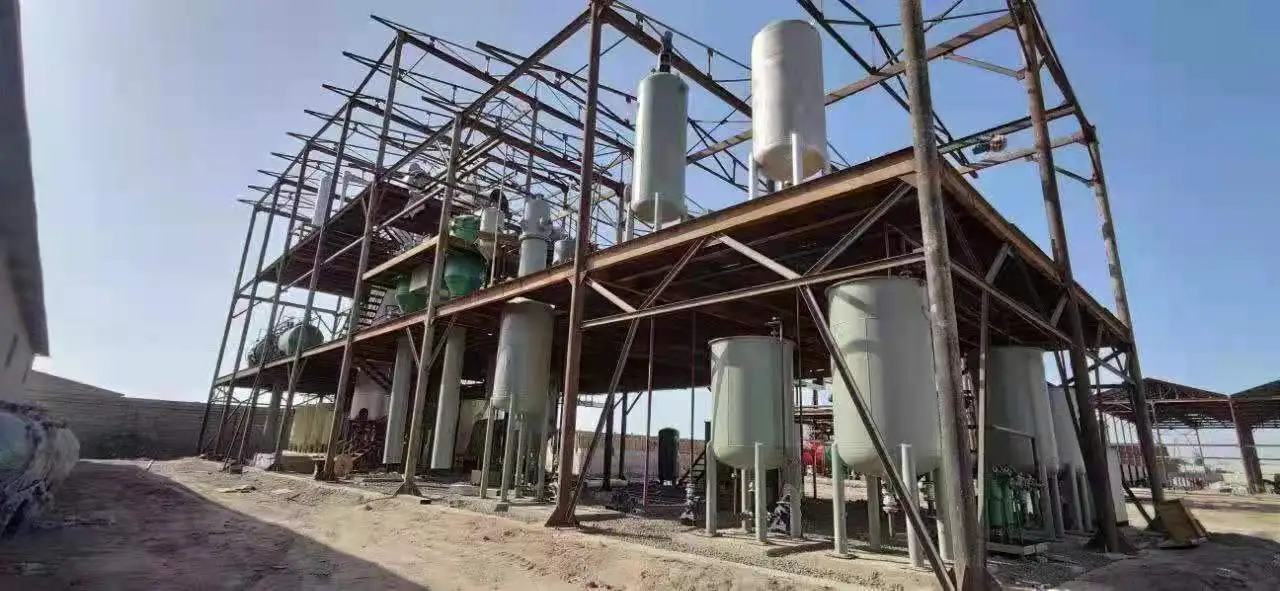
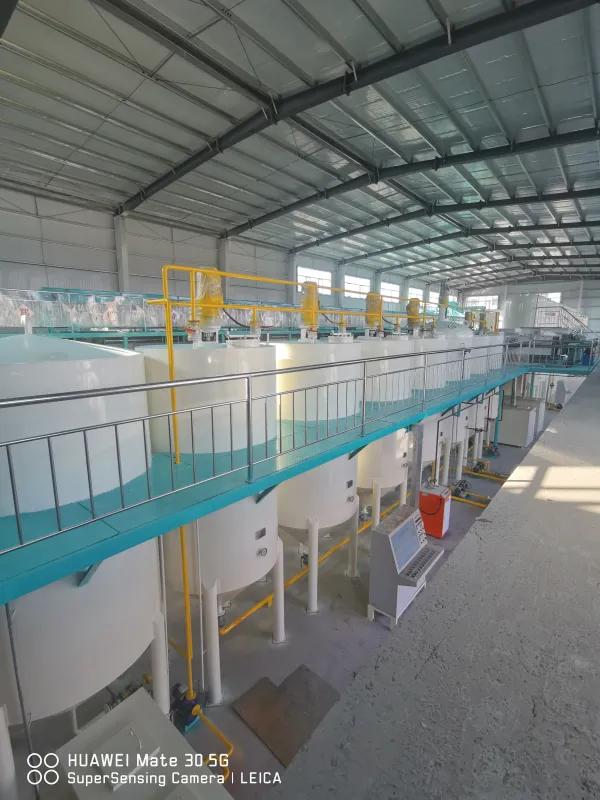
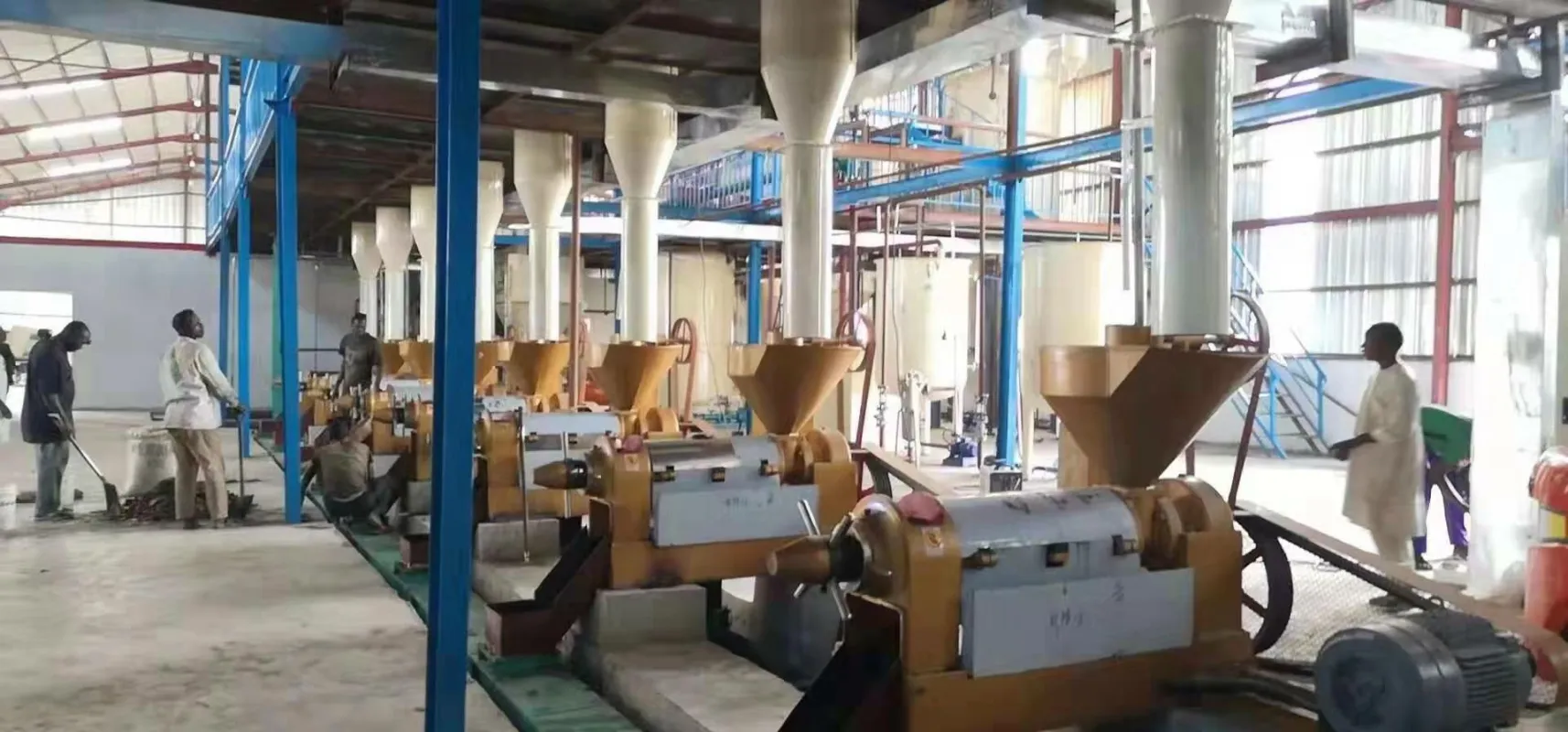
In the competitive world of edible oil manufacturing, achieving consistent high yield and energy efficiency in cottonseed oil production is no longer optional—it’s essential. At QIE Group, we’ve spent over a decade refining our dehulling and pressing technologies to deliver measurable results for B2B clients worldwide.
One of the most overlooked yet critical steps in cottonseed oil processing is mechanical dehulling. According to field data from our clients across India, Brazil, and Turkey, adjusting raw material moisture content between 8–10% can improve shell removal rate by up to 22%. Too dry (below 7%) leads to brittle kernels that break during processing; too wet (above 12%) causes clogging in feed systems and reduces throughput.
Equally important are equipment settings:
These parameters aren’t just theoretical—they’re backed by real-world testing at our pilot facility in Jiangsu, where we achieved an average dehulling efficiency of 94% using these settings.
After dehulling, multi-stage screw pressing plays a pivotal role in maximizing oil extraction while minimizing energy consumption. Our proprietary three-stage press design delivers:
Our engineers have documented this improvement through continuous monitoring of motor load, temperature rise, and cake moisture levels—data that’s now shared with every new client as part of our standard commissioning package.
Even the best systems face challenges. Here are quick fixes for common problems:
We provide a downloadable troubleshooting guide with visual checklists and live support via WhatsApp—because delays cost more than parts.
Whether you're setting up a new plant or upgrading an existing one, our team at QIE Group offers tailored technical solutions—including on-site commissioning, operator training, and remote diagnostics.
Get a Free Technical Audit for Your Plant Today