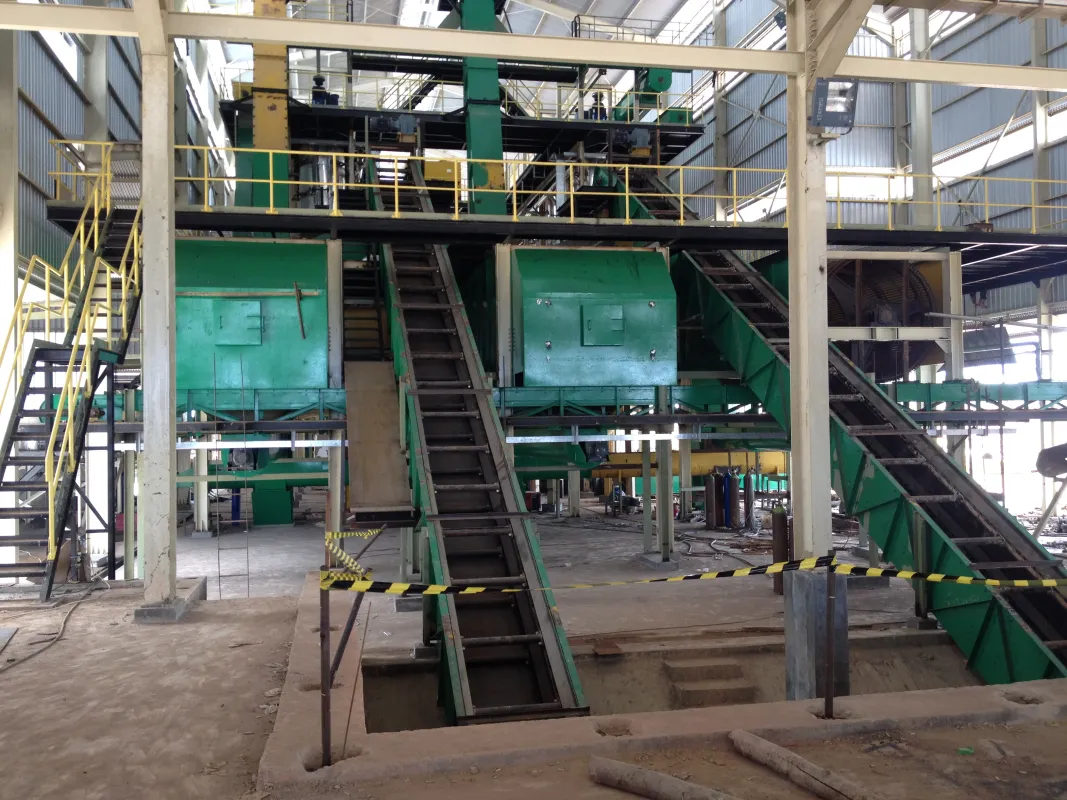
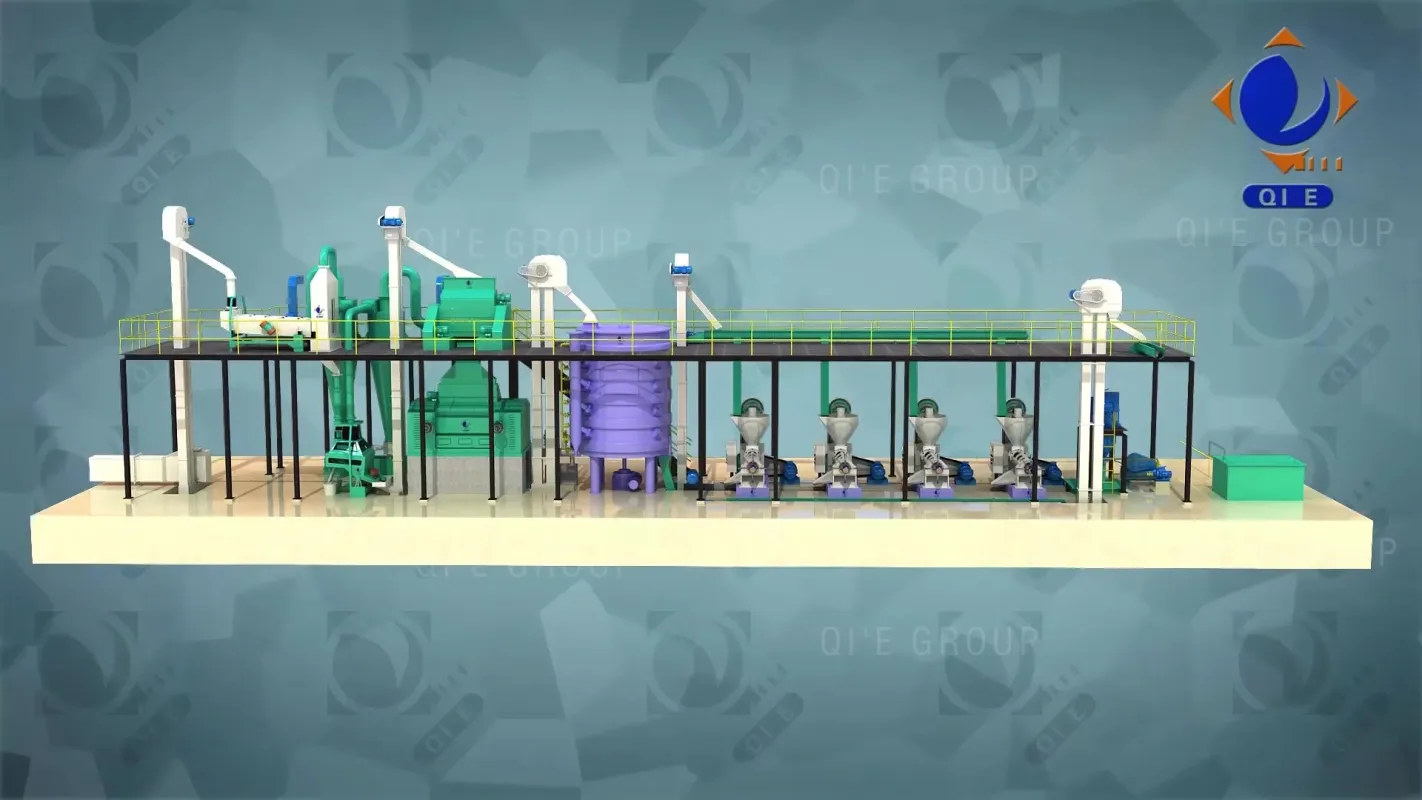
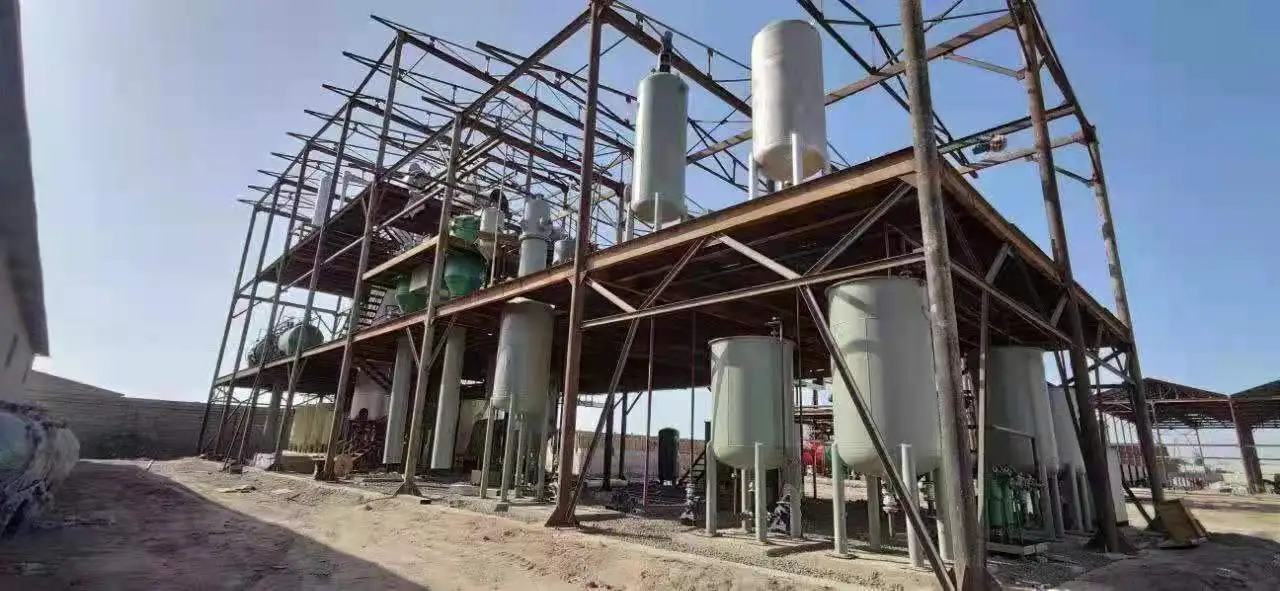
You're not alone if you've ever stood in front of a cottonseed oil plant and wondered: Is this really automated—or just semi-automated with a few buttons? Whether you’re a new buyer or upgrading an existing facility, understanding what makes a production line truly smart is critical for long-term efficiency, cost control, and operational resilience.
Don’t be fooled by flashy dashboards or vague claims like “fully automatic.” The real test lies in three measurable areas:
“We upgraded our old press line to a PLC-integrated system from Penguin Group—and saw a 30% reduction in manual adjustments within six months.” — Ahmed Hassan, Operations Manager, Nile Agro Processing Co.
A high-quality PLC doesn’t just run machines—it optimizes them. For example, multi-stage temperature control logic ensures consistent oil quality across batches, while automatic start/stop sequences reduce wear on key components like screw presses. In one case study, a client using Penguin Group’s integrated PLC system reported a 15% increase in daily output due to fewer process interruptions.
Sensors aren't just for monitoring—they're your eyes and ears during operation. Temperature sensors that detect overheating before it damages bearings, pressure gauges that flag clogs in filters, and flow meters that track oil recovery rates—all these create a closed-loop system where issues are caught before they escalate.
In fact, plants with robust sensor networks report up to 40% lower maintenance costs over five years compared to those relying on periodic checks alone.
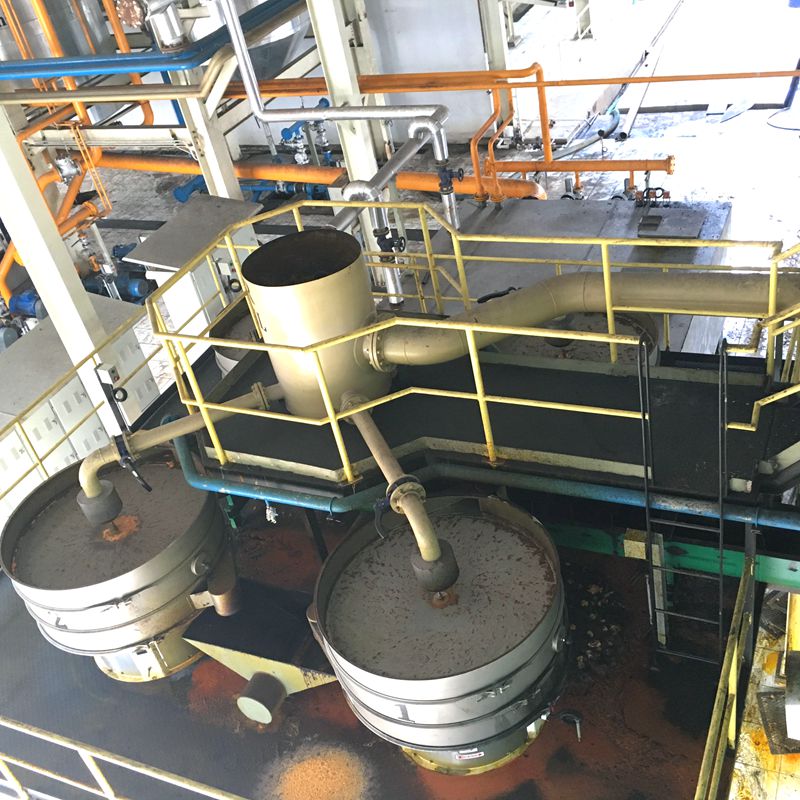
Even the most advanced automation fails if it's hard to service. Look closely at how easily parts like榨螺 (screw elements) can be removed—and whether seals are designed for quick replacement without tools. At Penguin Group, we design every component with field technicians in mind: modular layouts mean repairs take minutes, not hours.
Imagine getting an alert on your phone when a pump starts vibrating abnormally—even if you're miles away. That’s the power of remote diagnostics built into modern systems. Combined with a modular layout that allows individual units to be serviced without stopping the whole line, you gain true operational agility.
These features have helped clients reduce unplanned downtime by an average of 25%, translating directly into higher throughput and better margins.
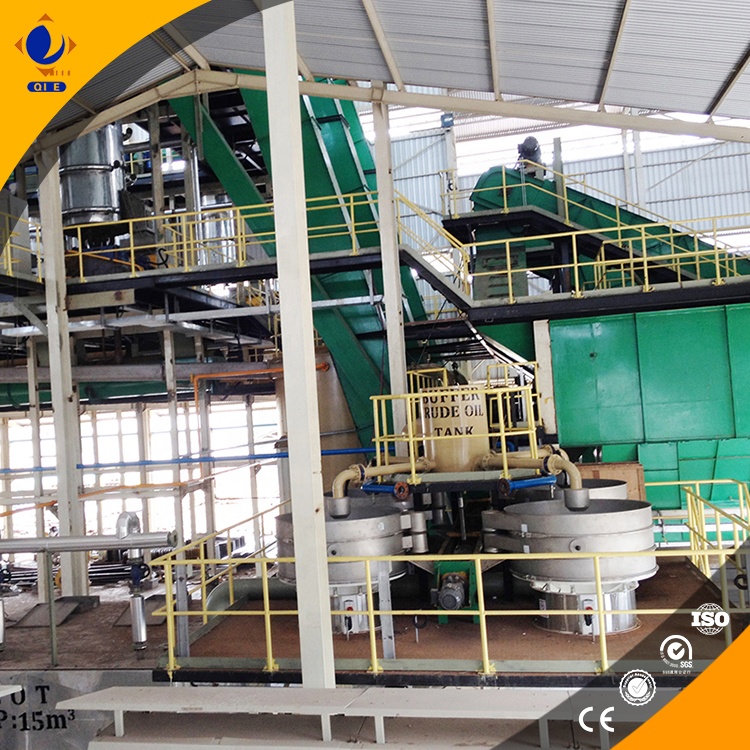
Remember: automation isn’t just about technology—it’s about making smarter decisions faster. If you’re evaluating equipment today, ask yourself: Is this system designed for performance—or just appearance?
Let our engineers walk you through a detailed evaluation of your current setup—and show you exactly where improvements can deliver ROI fast.
Get Your Free Automation Evaluation Report