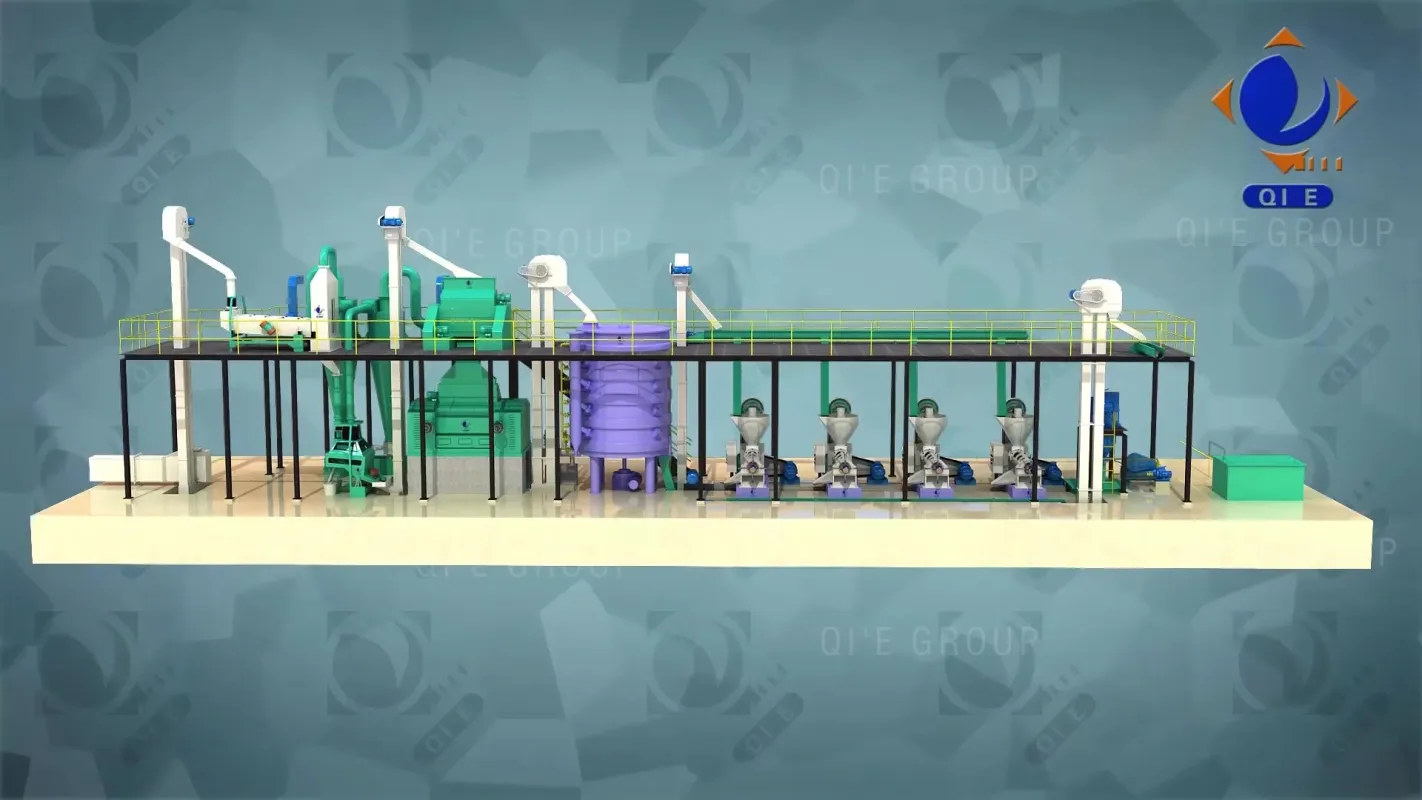
If you're running a cottonseed oil processing plant—whether new or upgrading existing equipment—you know that dehulling efficiency directly impacts your yield, energy use, and product consistency. At Penguin Group, we’ve helped over 50 industrial clients optimize their pre-treatment stages using real-world data from field trials across India, Brazil, and Turkey.
Studies show that cottonseed moisture levels between 4% and 12% produce optimal dehulling results. Below 4%, kernels become brittle and prone to breakage; above 12%, the hulls stick to the seed surface, reducing separation accuracy by up to 30%. This isn’t theory—it’s what our engineers observed during a 2023 trial in Gujarat, where adjusting moisture from 14% to 8% improved dehulling efficiency from 78% to 93% within one week.
“Moisture control is the foundation of any successful dehulling system,” says Dr. Arjun Mehta, Senior Process Engineer at Penguin Group. “It’s not just about setting a number—it’s about understanding how it interacts with your specific machine design.”
For seeds with moisture below 6%, reduce the gap between rollers to 1.5 mm. For 6–10%, set it at 2.0 mm. Above 10%, increase to 2.5 mm to prevent clogging without sacrificing hull removal rate. These ranges are based on our internal testing with spiral dehullers from our Automated Oil Plant Solutions line.
Tip: Use a simple moisture meter (like the HUMI-PRO series) before feeding into the dehuller. If fluctuations exceed ±1.5%, consider adding a pre-conditioning step—this can improve consistency by up to 25%.
A poorly matched screen size can cause blockages even if moisture and gaps are ideal. For cottonseed, use 3.5 mm mesh screens when operating at 7–9% moisture. Higher flow rates (>1.2 tons/hour) require larger openings (4.0 mm) to avoid pressure buildup. Our clients report fewer maintenance calls when they match screen specs to both material properties and throughput.
Unlike single-stage presses, multi-stage spiral systems distribute pressure gradually, improving oil recovery while minimizing mechanical stress. In one case study, a client in Egypt saw an average oil extraction increase from 18.5% to 21.3% after switching to a three-stage press. Energy consumption dropped by 12% due to better material flow and reduced reprocessing needs.
When in doubt, don’t guess—diagnose. We offer remote diagnostics via IoT-enabled sensors on our machines, allowing us to spot issues before they affect production.