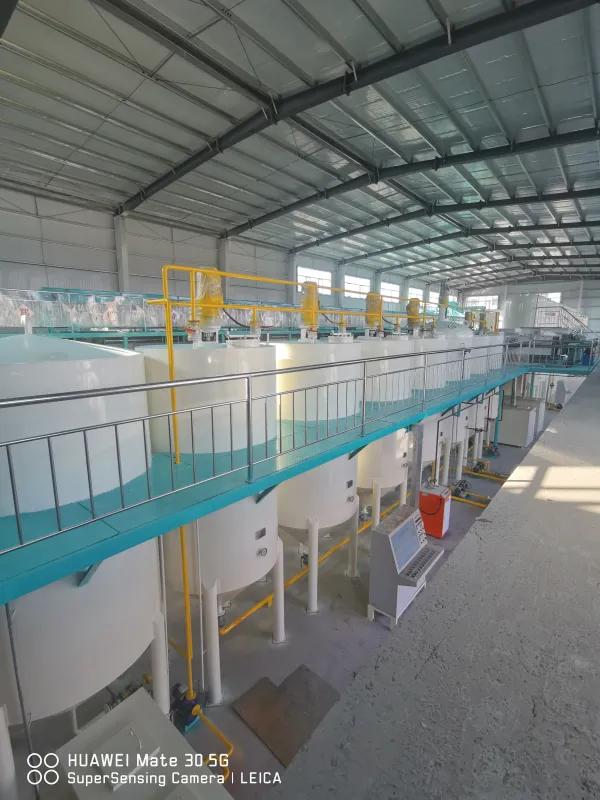
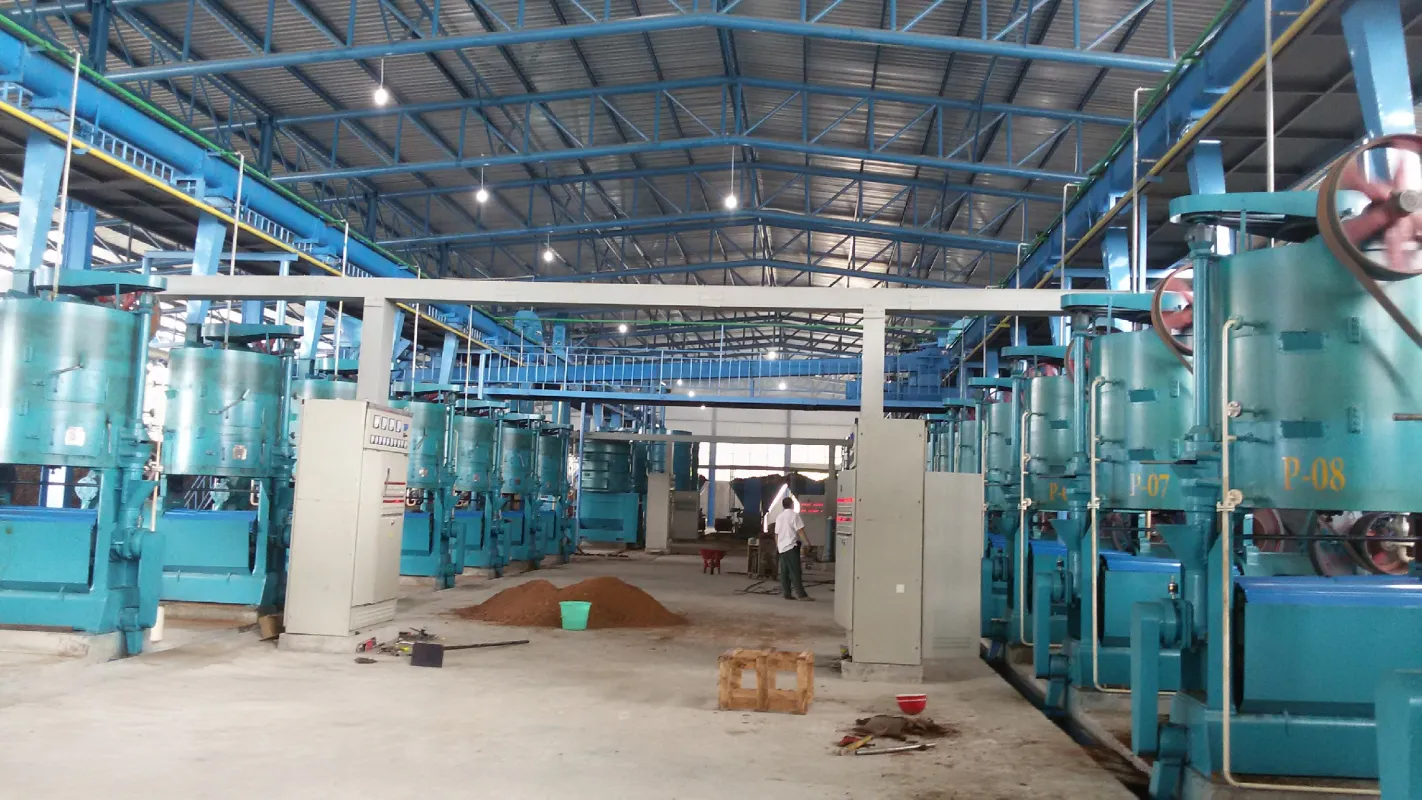
For B2B buyers in food manufacturing, edible oil processors, and export-oriented producers, understanding the full cottonseed oil refining process is no longer optional—it’s a competitive necessity. Whether you're sourcing from suppliers or building your own production line, mastering these three core steps—de-gumming, de-acidification, and bleaching—is critical to achieving consistent quality, compliance with international standards, and premium pricing potential.
De-gumming removes free fatty acids, phospholipids, and trace metals that cause instability during storage and processing. For raw cottonseed oil with high phosphorus content (typically 300–800 ppm), physical methods using water or citric acid are preferred due to lower chemical consumption and easier downstream handling. Chemical de-gumming with phosphoric acid achieves up to 95% removal efficiency but requires precise pH control (pH 4.0–4.5) to avoid over-treatment.
According to AOCS Official Method Cd 2-66, proper de-gumming reduces oxidative stability loss by up to 40% in refined oils stored at 60°C for 7 days.
While steam distillation (physical method) retains more triglycerides (yield >98%), it demands higher energy input and longer processing times. In contrast, caustic soda neutralization (chemical method) offers faster throughput but can lead to soapstock formation if not optimized—resulting in up to 5% yield loss if temperature exceeds 70°C. For export-grade oil, especially targeting EU or GCC markets, we recommend combining both methods: physical pre-treatment followed by controlled chemical neutralization at 65–70°C.
Bleaching uses adsorbents like activated carbon and diatomaceous earth to remove pigments, residual soaps, and oxidation products. Activated carbon excels in removing chlorophyll and carotenoids, while silica-based agents (like Celite®) target polar compounds. A well-designed bleaching stage should reduce color value (measured as Rancimat IV) below 5 mg KOH/g—a benchmark required for HACCP-certified facilities.
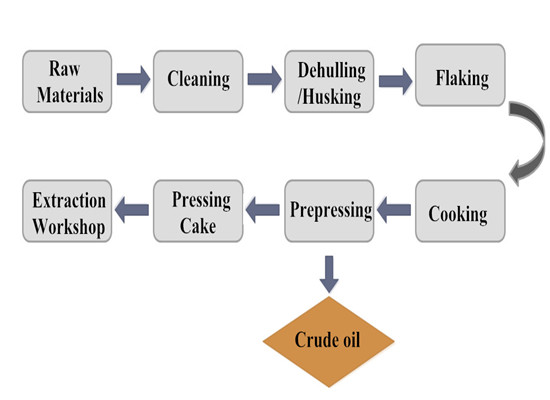
A leading Indian processor working with 企鹅集团 (QIE Group) re-engineered their bleaching step by switching from pure activated carbon to a 70:30 blend of activated carbon and silica gel. This change reduced filter cake volume by 25%, lowered waste disposal costs, and improved final oil clarity—achieving an average iodine value of 95 ± 2, meeting European Food Safety Authority (EFSA) specifications.
If you’re selling to global buyers, ISO 22000 and HACCP compliance aren’t just checkboxes—they’re gateways to trust. These certifications require documented process controls across all three refining stages, including temperature logs, adsorbent usage records, and microbial testing. For example, a recent audit found that 63% of non-compliant refineries failed at the bleaching stage due to inconsistent adsorbent dosing.
Whether you need equipment recommendations, custom process design, or technical support for certification preparation, our team at 企鹅集团 has helped over 120+ exporters achieve consistent quality and faster time-to-market.
Get Your Free Refining Process Audit Today