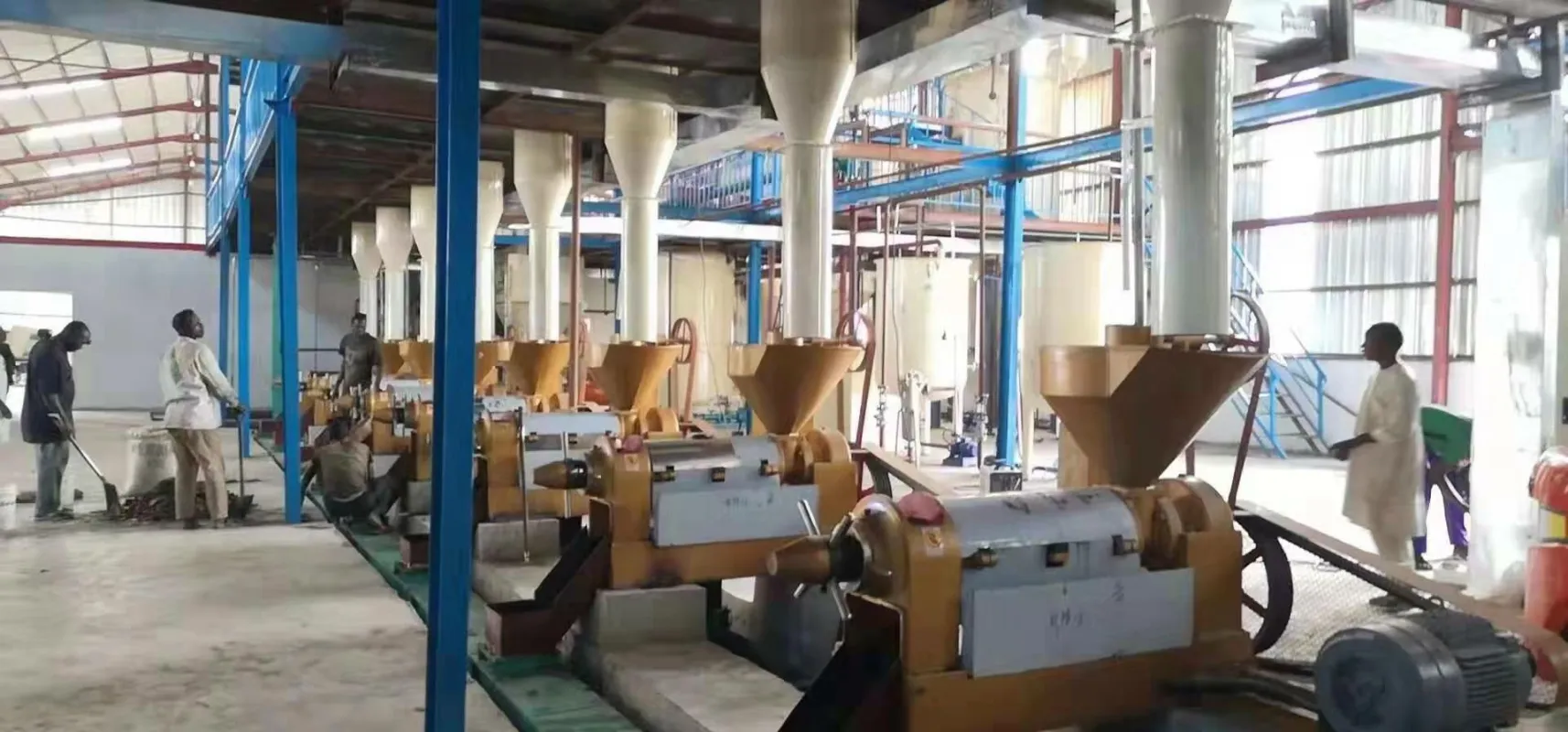
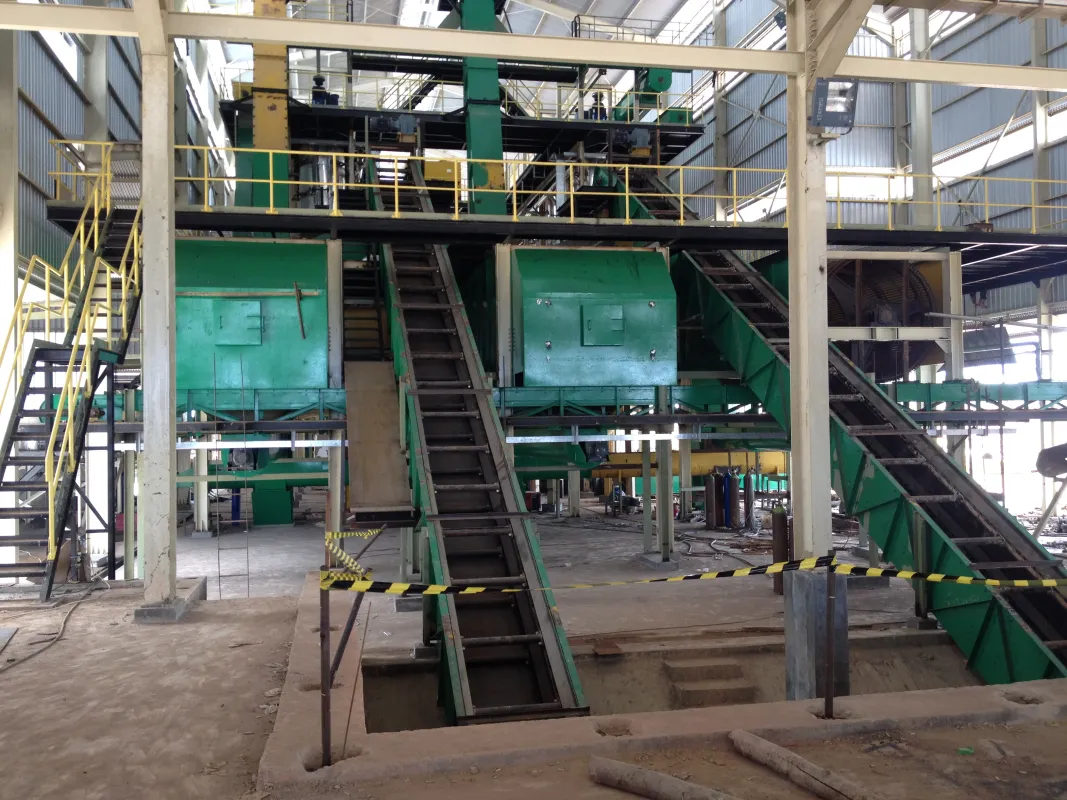
For B2B buyers and food manufacturers sourcing edible oils internationally, understanding how cottonseed oil is refined isn’t just technical curiosity—it’s a strategic advantage. At 企鹅集团, we’ve helped over 120 global clients optimize their refining processes while meeting stringent international standards like ISO 22000 and HACCP.
The first step in producing high-quality cottonseed oil involves removing gums (mainly phosphatides). Two methods dominate: physical de-gumming using water or citric acid, and chemical de-gumming with phosphoric acid. According to industry data from the International Oleochemical Society (IOS), physical methods reduce processing costs by up to 15% but may leave trace impurities if not carefully controlled. Chemical methods offer higher purity—ideal for export markets where free fatty acid levels must stay below 0.5%.
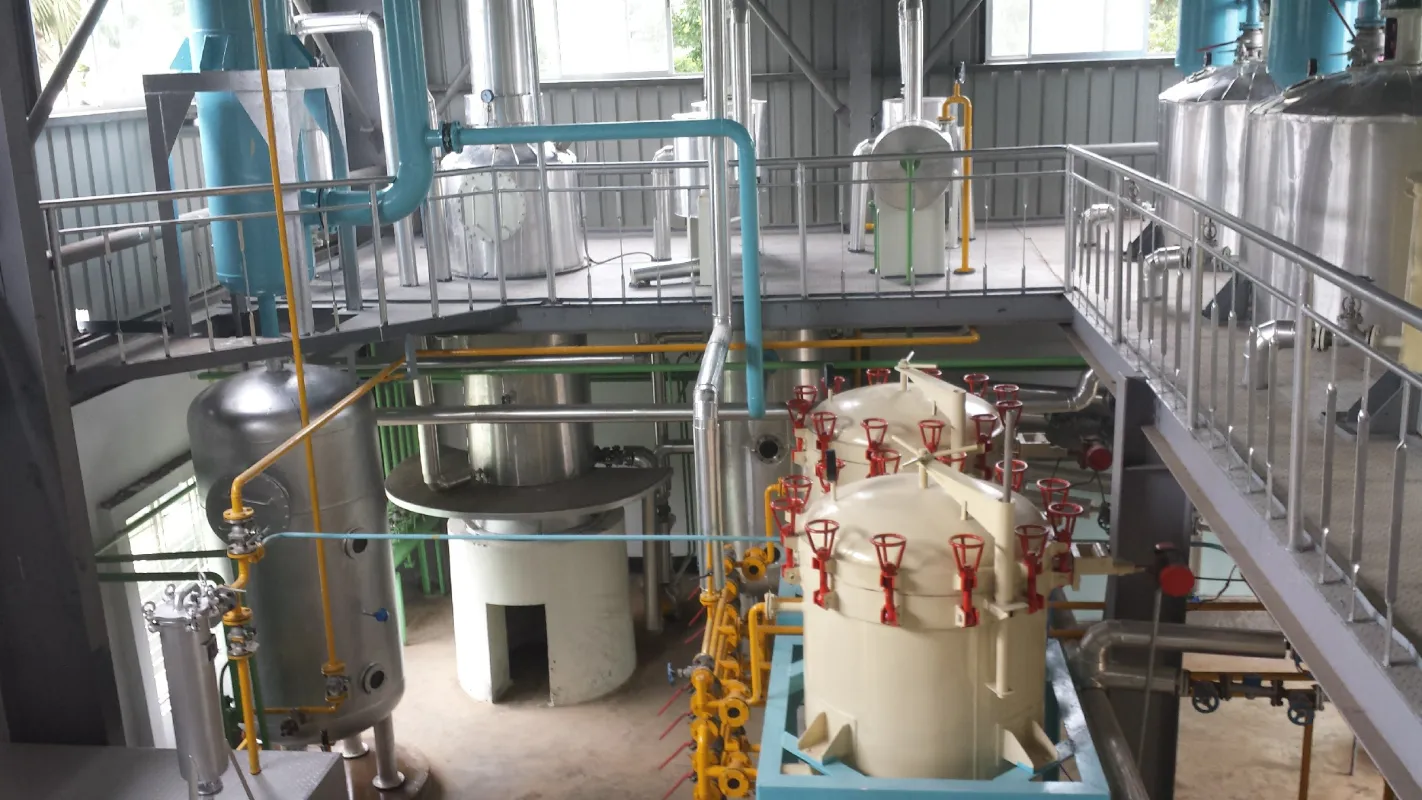
This stage neutralizes free fatty acids (FFAs) using caustic soda (NaOH). The ideal temperature range? Between 105°C and 120°C—any hotter risks oxidation, which can degrade oil stability. A case study from our client in Brazil showed that optimizing this step reduced energy consumption by 12%, saving ~$18,000 annually per 10-ton batch. For B2B buyers, this means better cost control without sacrificing quality.
Activated carbon and diatomaceous earth are the two most common adsorbents. While activated carbon excels at removing pigments, it's more expensive and harder to filter. Diatomaceous earth offers excellent value for money—especially when used in combination with pre-filtration. In one factory audit conducted by our team, switching from pure carbon to a blended system cut raw material costs by 20% while maintaining color clarity within EU standards (L* > 90).
“In refining, precision isn’t optional—it’s your brand’s credibility.” — Dr. Lena Müller, Senior Process Engineer at QIE Group
Exporting to Europe, the U.S., or the GCC? You need HACCP-certified systems and documented process controls. Our clients report an average 30% faster customs clearance when they provide full documentation—including lab reports on residual soap, moisture content, and oxidative stability (Rancimat test results). This isn’t just compliance—it’s competitive edge.
Whether you’re scaling production or entering new markets, 企鹅集团 provides tailored solutions—from equipment design to certification support—that ensure both quality and profitability.
Get Your Custom Refining Plan Today