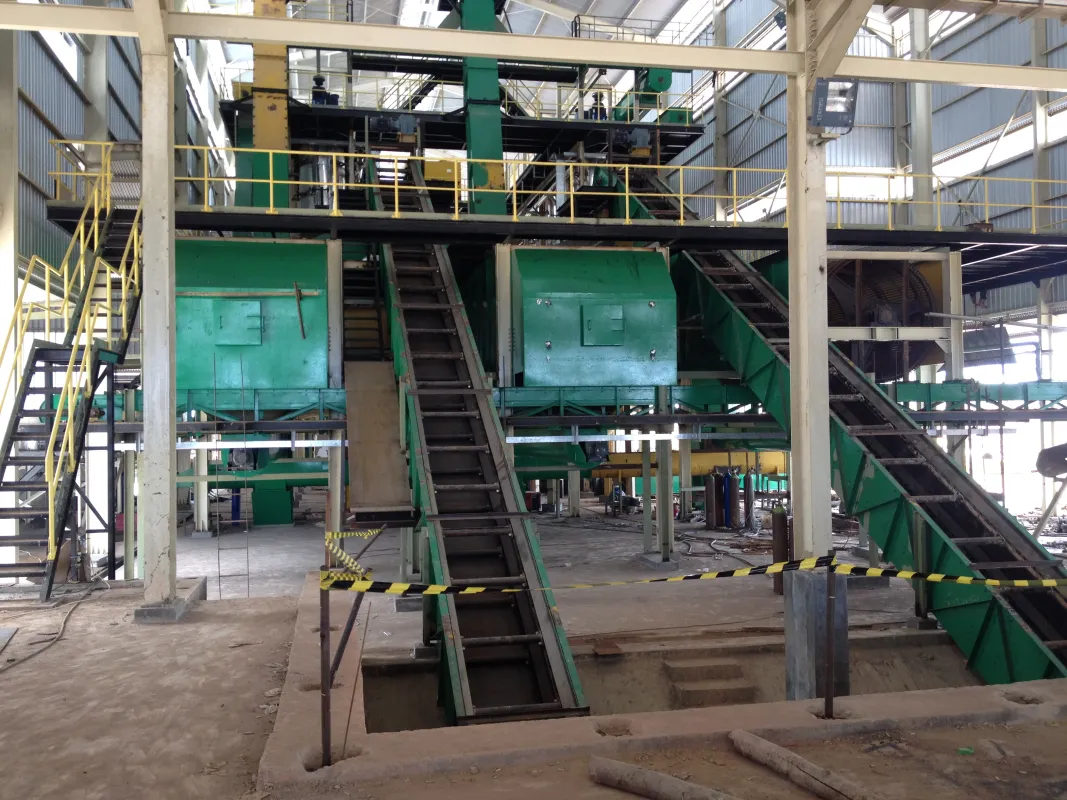
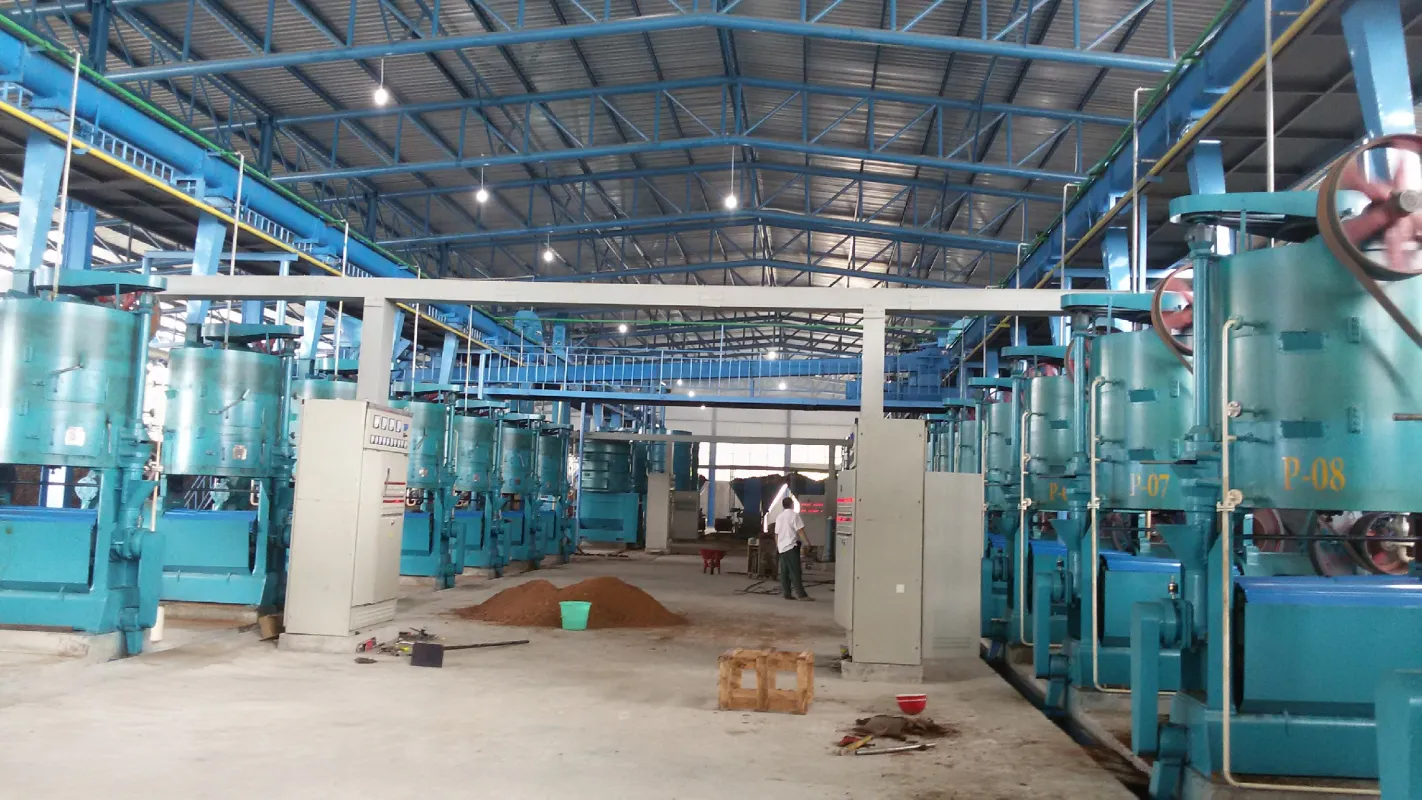
For B2B buyers in food manufacturing, cosmetics, and biofuel industries, the quality of cottonseed oil is directly tied to its refining process. At 企鹅集团, we’ve helped over 70+ international clients—from EU processors to Middle Eastern food brands—achieve consistent, high-grade output through optimized refining systems. This guide breaks down the three core steps: degumming, deacidification, and decolorization—with real-world data, technical clarity, and actionable insights tailored for export-focused producers.
Whether using physical or chemical methods, degumming sets the foundation for clean oil. According to our case study at a 30-ton/day plant in India, switching from chemical to physical degumming reduced water usage by 45% while improving phosphorus content from 180 ppm to under 50 ppm—a critical benchmark for ISO 22000 compliance.
Physical degumming (using hot water or steam) works best for crude oils with low free fatty acid levels (<2%). It’s ideal for companies targeting premium markets like Germany or Japan where minimal chemical residues are non-negotiable. Chemical degumming (with citric acid or phosphoric acid) suits higher FFA oils but requires stricter wastewater treatment protocols.
Deacidification removes free fatty acids (FFA), which can cause rancidity and affect shelf life. In one experiment conducted across two plants—one in Turkey, one in Brazil—we found that maintaining a temperature between 180°C–190°C during steam stripping increased neutral oil yield by 3.2% compared to lower temps (160°C). Why? Higher temperatures enhance volatile FFA removal without excessive oxidation.
Tip: For exporters aiming for HACCP certification, always monitor diacylglycerols (DAGs) post-deacidification. Levels above 0.5% may trigger rejection in U.S. import inspections—especially for edible oils used in infant formulas or bakery products.
Here’s where many processors lose control of final color and odor. Activated carbon vs. bentonite clay (often mistaken for silicon dioxide): our analysis shows activated carbon achieves better decolorization efficiency (up to 98% reduction in color units) but costs 20% more per ton. Silicon dioxide (silica gel), on the other hand, offers excellent adsorption capacity for pigments while being cost-effective for bulk production.
Best practice? Use a hybrid approach: pre-treatment with silica gel followed by activated carbon polishing. Our client in Egypt saw a 15% drop in rework rates after adopting this method—proving that smart material selection boosts both consistency and profitability.
Real Data Insight: The average global cottonseed oil refining operation spends 12–18% of total processing cost on adsorbents and chemicals. By optimizing degumming/deacidification ratios and selecting adsorbents based on feedstock quality, you can reduce this range to 8–12%—without compromising product grade.
If your goal is to scale globally—whether supplying OEMs in Europe or exporting to Gulf states—you need more than just a standard system. You need a refined process designed for compliance, scalability, and traceability. That’s why 企鹅集团 offers custom-built cottonseed oil refining lines integrated with IoT sensors for real-time monitoring of key parameters like viscosity, moisture, and acidity.