Designing a palm oil processing line isn’t just about choosing machines—it’s about aligning your production goals with smart layout planning, energy-efficient technologies, and scalable infrastructure. For mills operating at 5–50 tons per day, or those scaling up to 100+ tons/day, a tailored approach can reduce operational costs by up to 18% while boosting throughput—according to a 2023 study by the International Society of Palm Oil Engineers (ISPOE).
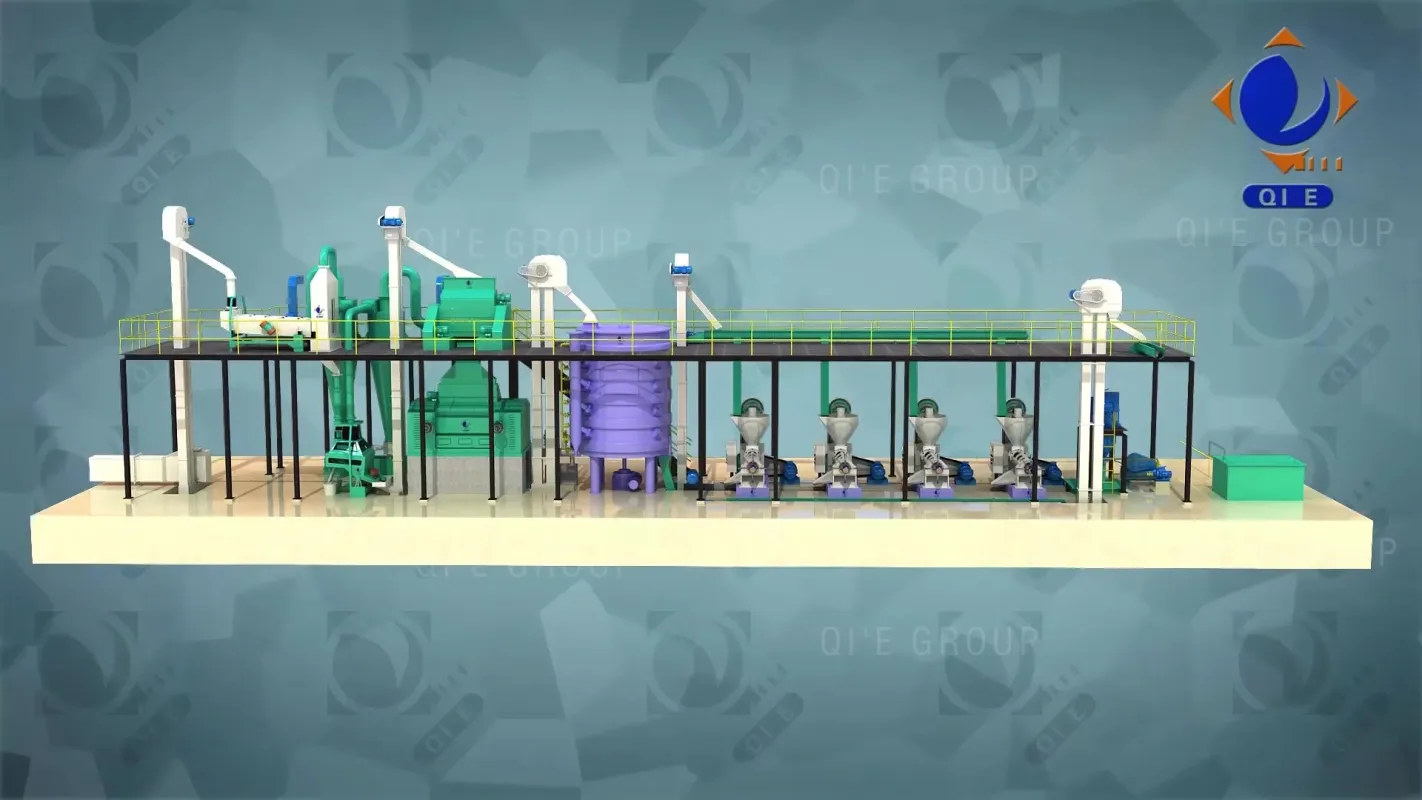
Start with a logical workflow: from raw fruit bunches (RFBs) to refined oil. A well-designed plant minimizes material handling and reduces bottlenecks—especially in crushing, pressing, and clarification stages. Case in point: a Malaysian mill that reconfigured its layout using a U-shaped flow saw a 12% drop in downtime within six months.
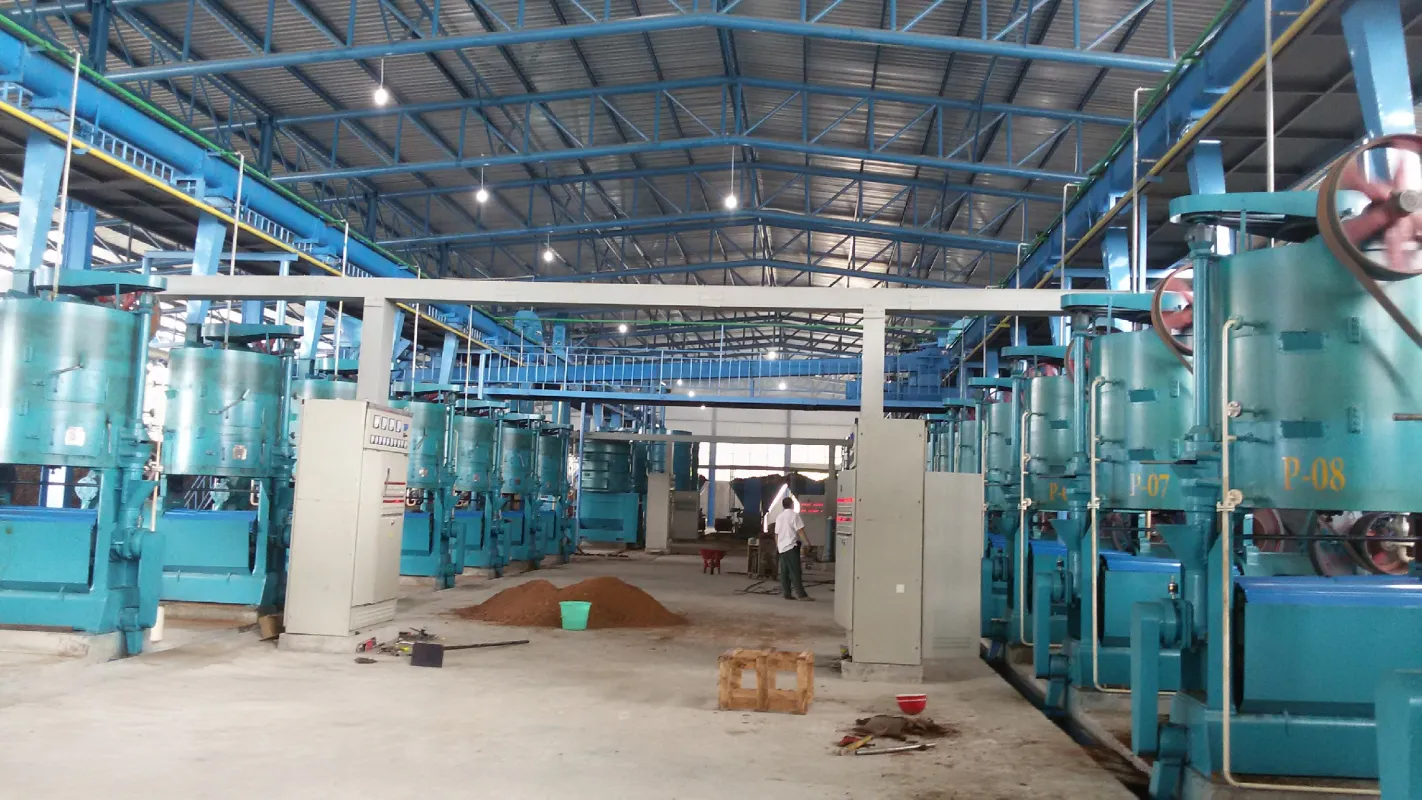
Don’t default to “big is better.” For small-to-mid-scale producers, consider compact screw presses and vertical clarifiers that offer high yield (92–95%) without excessive capital investment. Mid-range plants benefit from automated extraction systems that cut labor costs by ~25%, as seen in a recent project in Indonesia.
Modern heat recovery units can reclaim up to 30% of thermal energy used in deodorization. One Vietnamese facility reported saving over $45,000 annually after retrofitting their steam system with a closed-loop condensate recovery unit—a win for both the bottom line and ESG compliance.
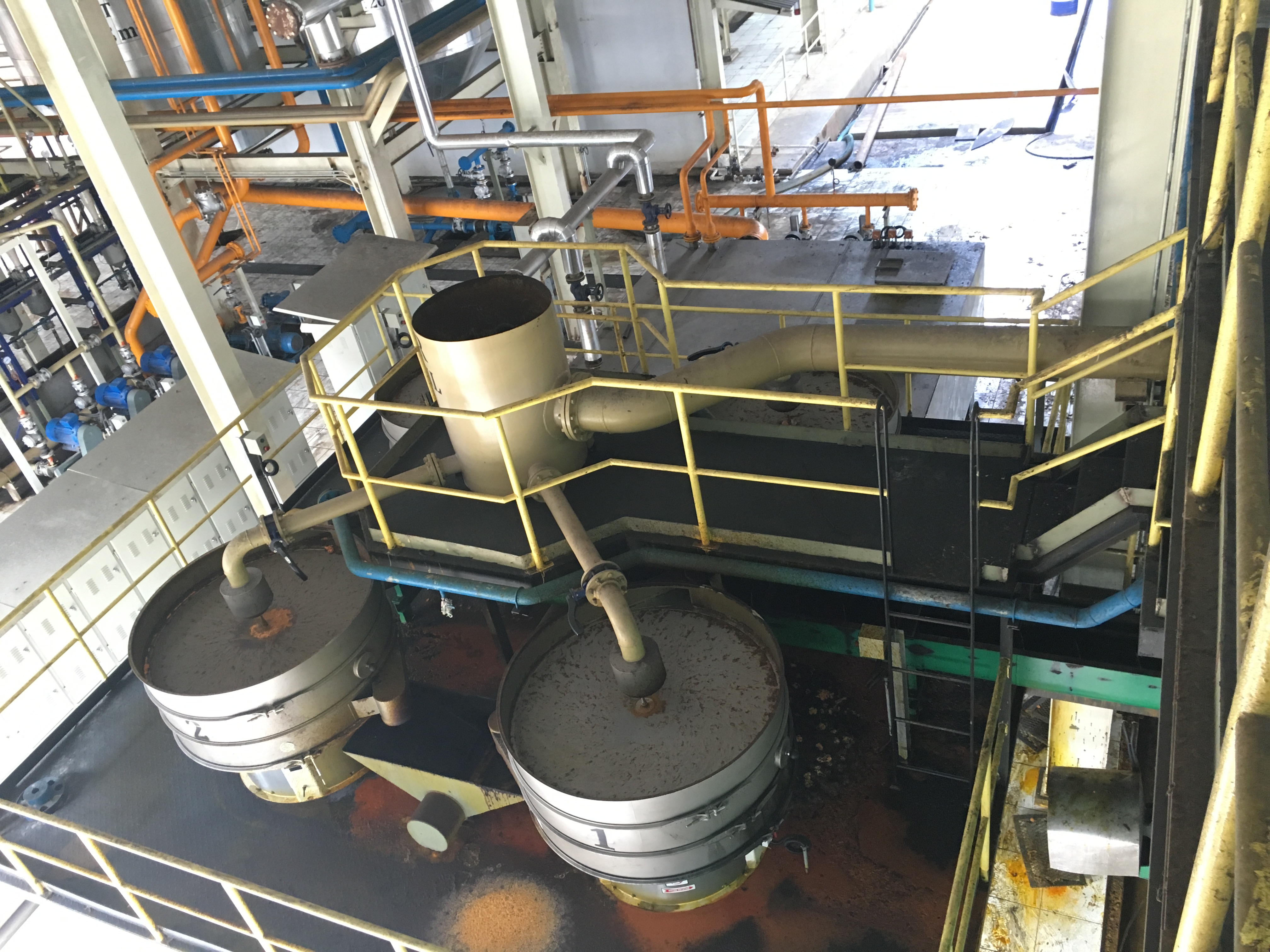
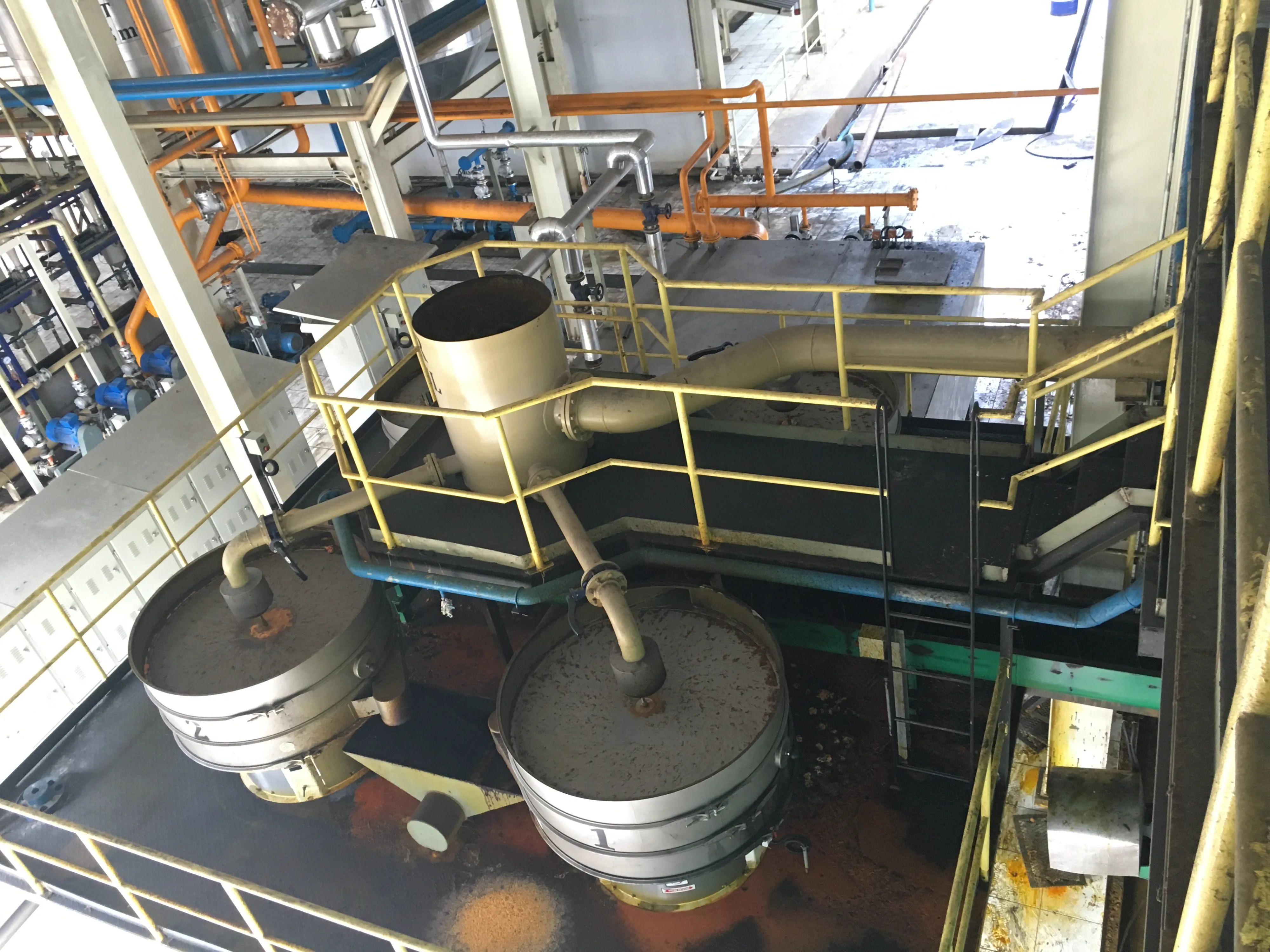
Choose modular components with easy access points—like quick-release filters and self-cleaning screens. This reduces mean time to repair (MTTR) from an average of 4.5 hours to under 2 hours, improving overall equipment effectiveness (OEE) by up to 15%. That’s not just efficiency—it’s peace of mind.
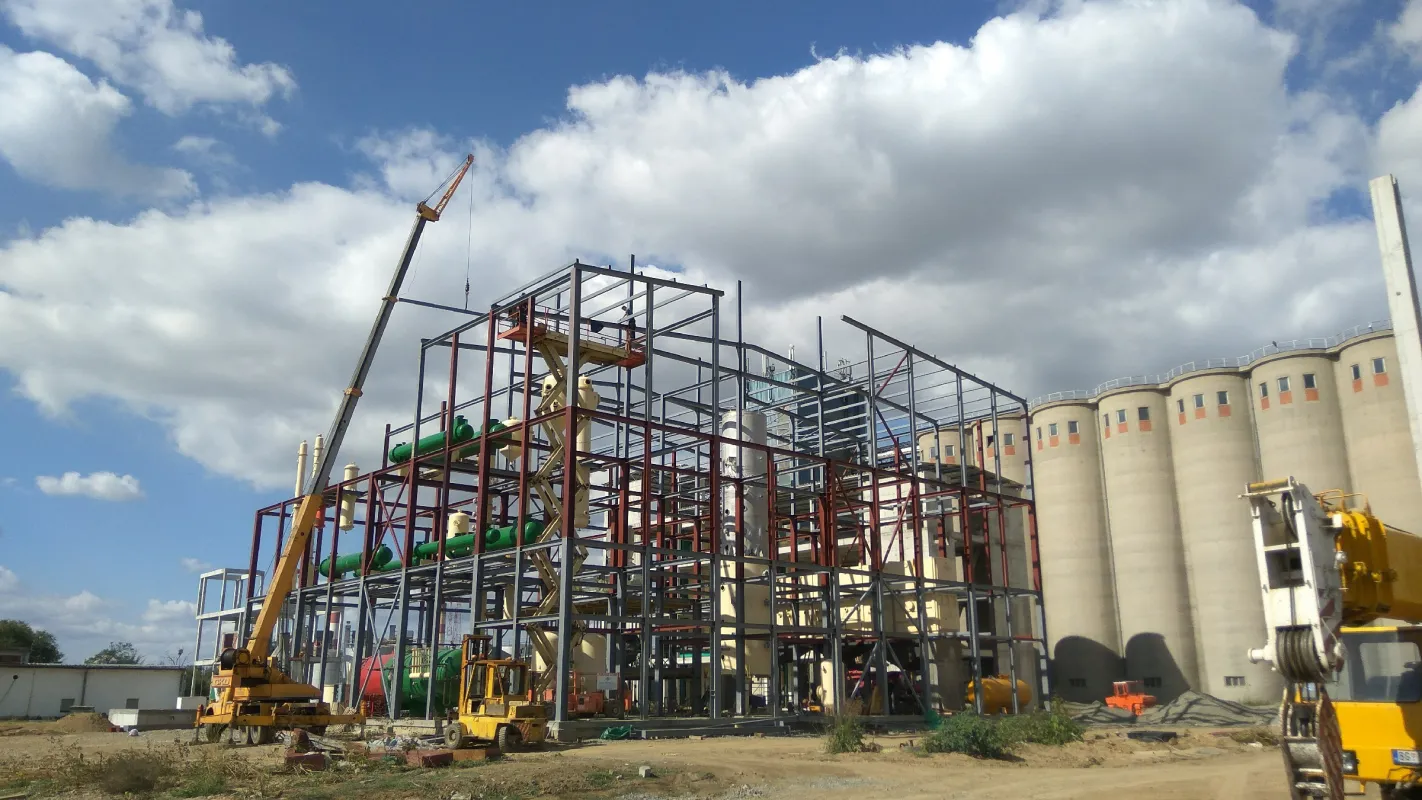
Every palm oil mill has unique constraints: local climate, labor availability, feedstock quality, and regulatory requirements. A one-size-fits-all design fails where customization thrives. Whether you're building from scratch or upgrading existing lines, a custom solution ensures long-term resilience—and competitive edge.
Ready to build a smarter palm oil operation? Let our engineering team walk you through a free feasibility assessment tailored to your site, output targets, and sustainability goals.
Get Your Free Custom Process Design Consultation