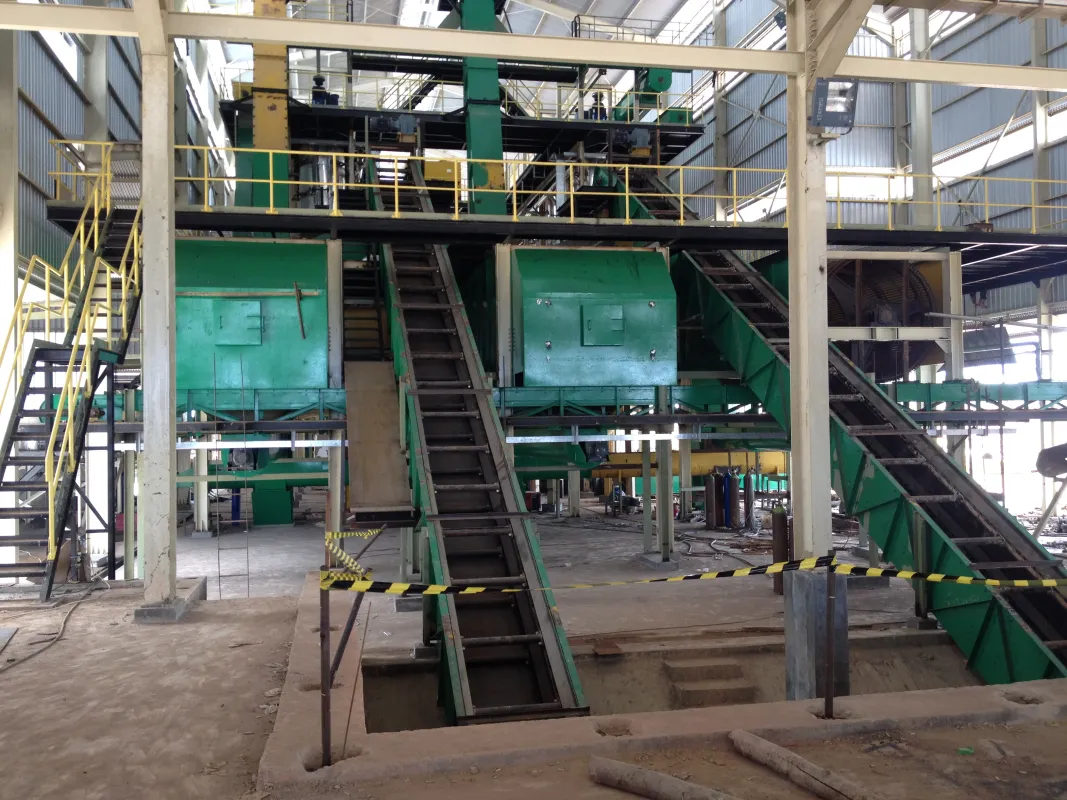
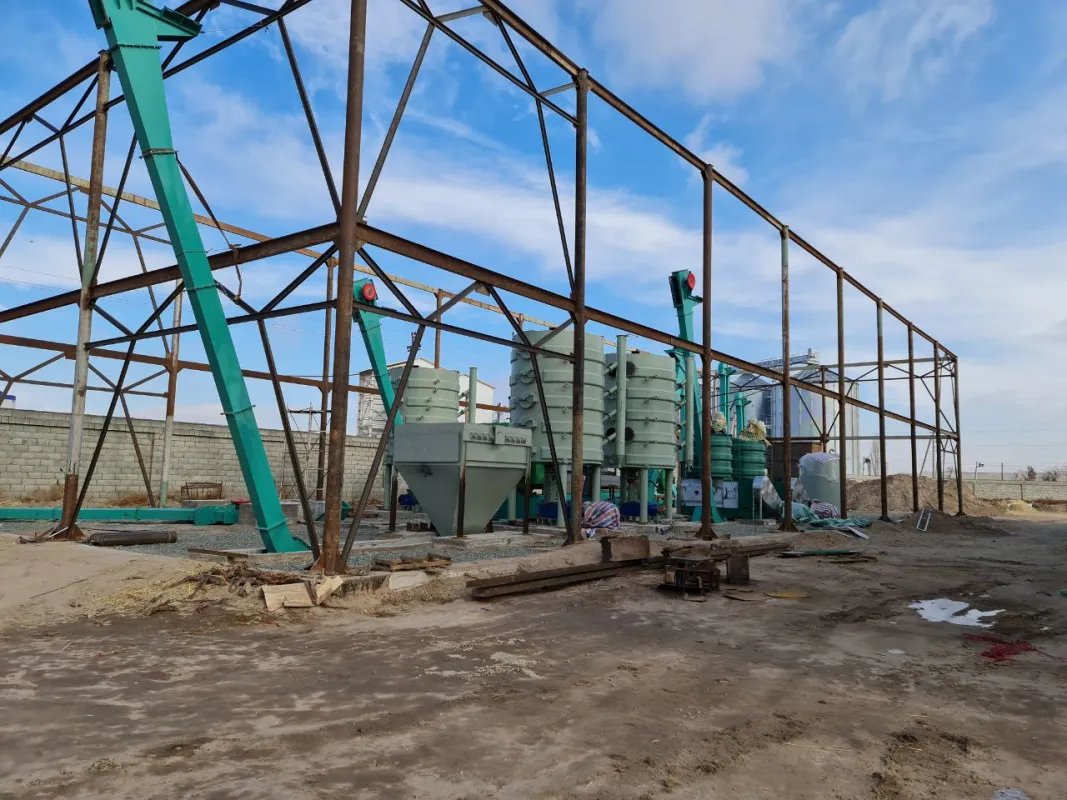
Designing a palm oil production line isn’t just about choosing machines—it’s about creating a tailored system that aligns with your facility size, output goals, energy efficiency targets, and long-term sustainability plans. According to industry benchmarks from the International Palm Oil Council (IPOC), well-designed custom lines can reduce energy consumption by up to 18% and increase throughput stability by over 25% compared to generic setups.
Every palm oil mill has unique constraints—whether it's raw material variability, local climate conditions, or existing infrastructure. A one-size-fits-all approach often leads to inefficiencies, higher maintenance costs, and inconsistent product quality. That’s where strategic design comes in: optimizing flow paths, minimizing bottlenecks, and selecting equipment that performs under real-world conditions—not just lab tests.
For example, integrating a pre-heating system with heat recovery loops can cut thermal energy use by 15–20%, while using variable frequency drives (VFDs) on pumps and conveyors reduces electrical load spikes by up to 30%. These aren't just technical tweaks—they’re foundational decisions that impact ROI within 12–18 months.
The heart of any efficient line lies in its components. When selecting crushers, screw presses, centrifuges, and filters, prioritize:
In our recent project for a Malaysian processor scaling from 5 to 15 tons/hour, we replaced outdated batch presses with continuous-flow decanters. This single change improved yield by 7.5% and reduced labor requirements per ton by 35%.
Modern buyers don’t just want efficiency—they demand compliance with ESG standards. By embedding features like automated cleaning-in-place (CIP) systems and real-time monitoring dashboards, you future-proof your operation against regulatory shifts and consumer expectations.
A case study from Indonesia shows how a plant using IoT-enabled sensors for oil temperature, moisture content, and pressure saw a 22% drop in reject rates over six months—directly boosting profitability and brand reputation among global B2B buyers.
Let us help you turn your production goals into reality—with proven engineering, smart automation, and sustainable outcomes.
Explore Our Custom Line SolutionsWhether you're expanding an existing facility or building from scratch, the right design ensures resilience, scalability, and competitive advantage. Don’t settle for generic solutions when your business deserves precision-engineered performance.