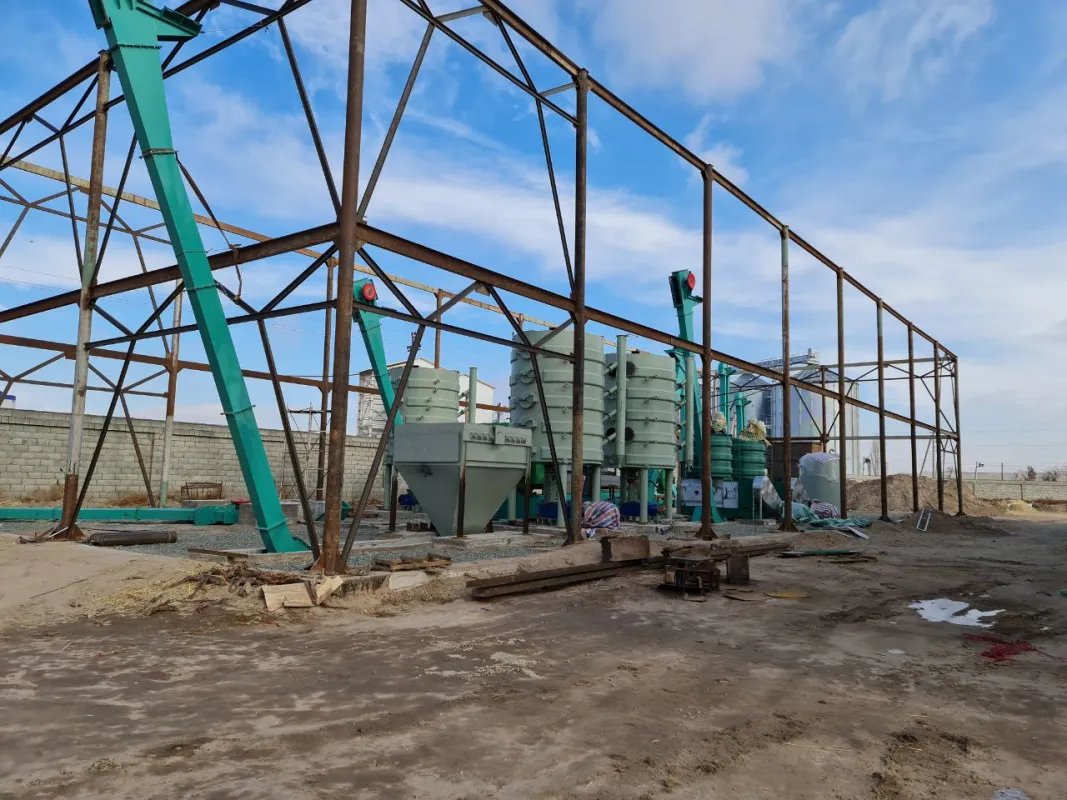
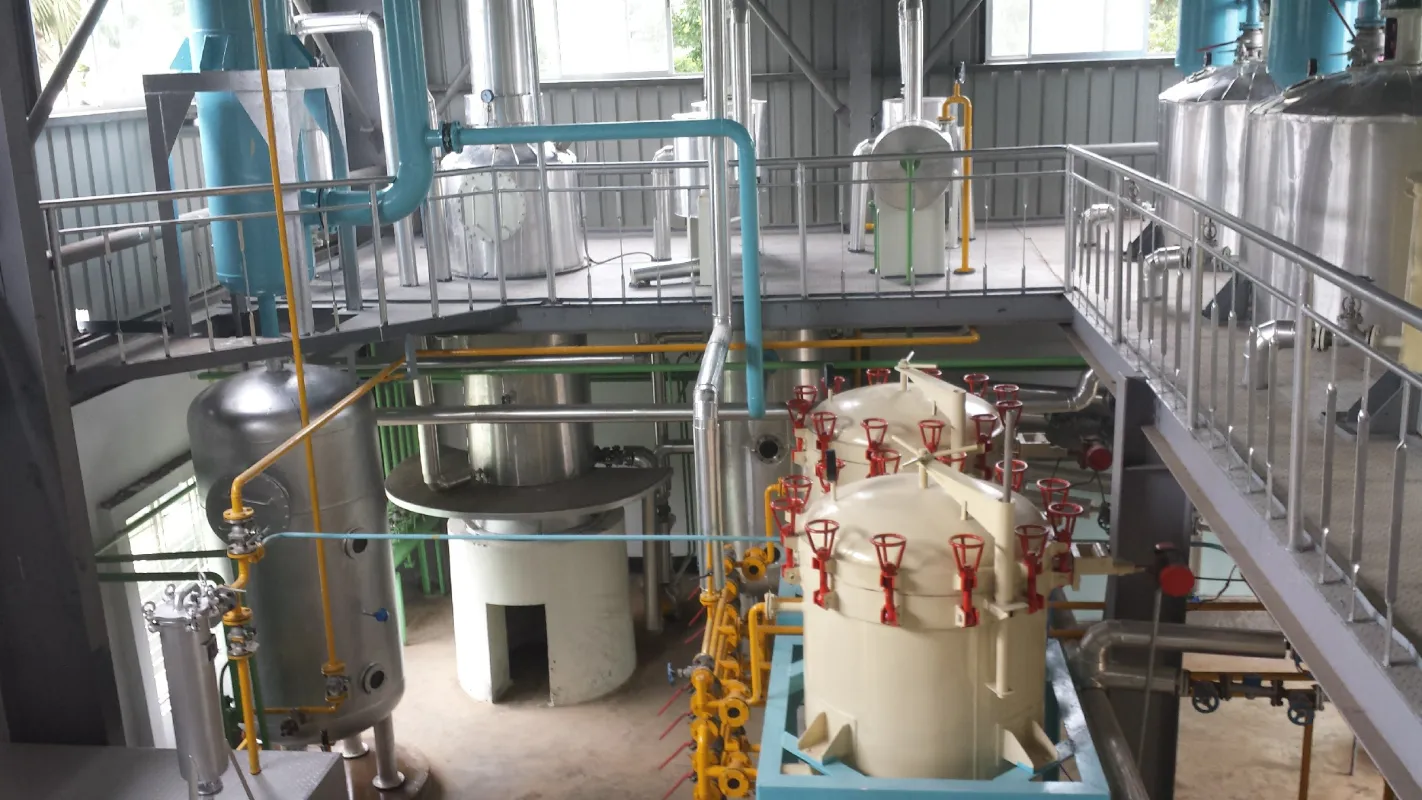
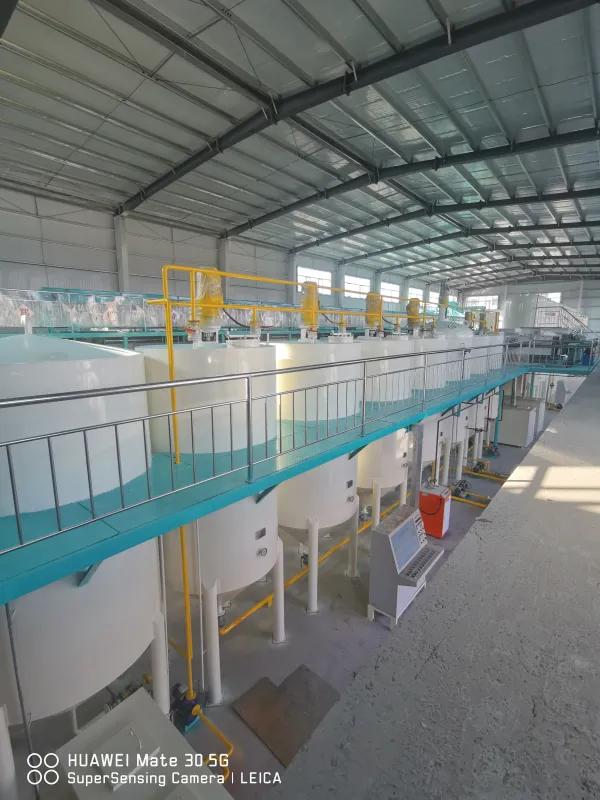
In today’s fiercely competitive global palm oil market, improving production efficiency while reducing costs is no longer a luxury but a necessity for export-driven enterprises. You may be grappling with limited capacity, soaring energy expenses, or the complexities of maintenance that disrupt your operations. This is where a professionally customized palm oil production line steps in — delivering tailored, integrated solutions designed specifically for your factory’s needs.
Many palm oil mills face three critical pain points:
Understanding these challenges lets us focus on what matters — optimizing your production line to be leaner, greener, and more resilient.
A truly customized palm oil processing line pivots on three pivotal pillars:
Strategically mapping out each production stage eliminates bottlenecks and streamlines throughput. By analyzing raw material input, pressing, clarification, and purification steps, layouts are designed to minimize material handling and reduce process time — improving your output by up to 20% according to industry benchmarks.
Every component — from sterilizers and thickeners to screw presses — is meticulously chosen based on capacity, energy efficiency ratings, and maintainability. High-performance motors and heat exchangers not only cut power use by approximately 15% but also integrate seamlessly within your current infrastructure.
Incorporating state-of-the-art energy recovery technologies, like heat exchangers reusing thermal energy from waste streams, slashes utility expenses. Moreover, smart control systems dynamically adjust operating parameters, optimizing fuel and electricity consumption without sacrificing output or quality.
Consider a mid-size exporter who implemented a customized line featuring:
“After adopting their tailored solution, our operational costs dropped significantly, and throughput improved by nearly 20%. Downtime has been minimized, boosting our exports ahead of competitors.” — Plant Manager, Leading Palm Oil Exporter
Excessive maintenance is a costly productivity killer. Customized lines prioritize accessibility and modularity. Equipment chambers are designed for easy inspection; wear parts are standardized for speedy replacement; and predictive maintenance sensors alert you before faults occur. This proactive approach can reduce unplanned downtime by 25%, saving thousands in lost production hours.
Following these steps ensures clarity and actionable milestones — empowering your team to embrace transformation confidently.