Edible Oil Production Equipment Pre-Startup Checklist: Installation, Commissioning & Run-Ready Steps
This page from Qi'e Grain and Oil Machinery Co., Ltd. provides a practical pre-commissioning checklist for edible oil production equipment, covering installation verification, electrical and piping checks, no-load and load trial runs, process parameter setup, product quality inspection, safety training, and spare parts readiness to support stable start-up.
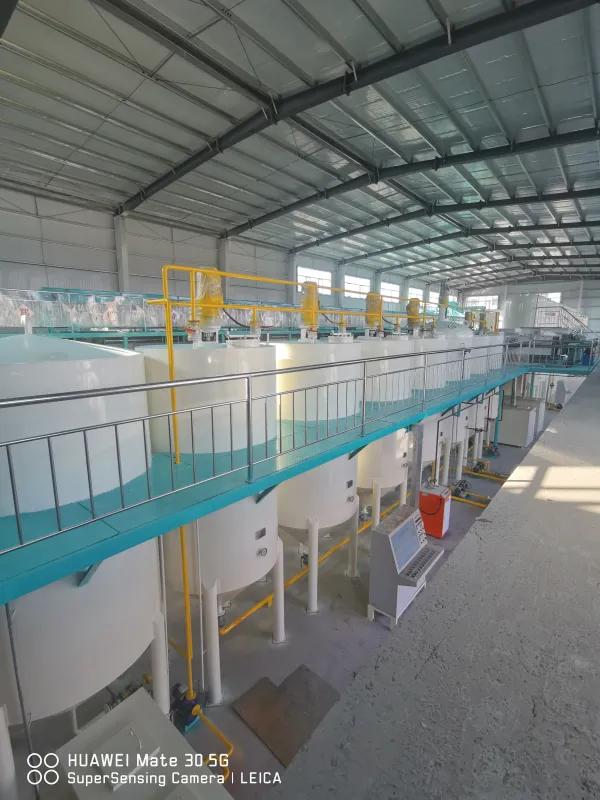
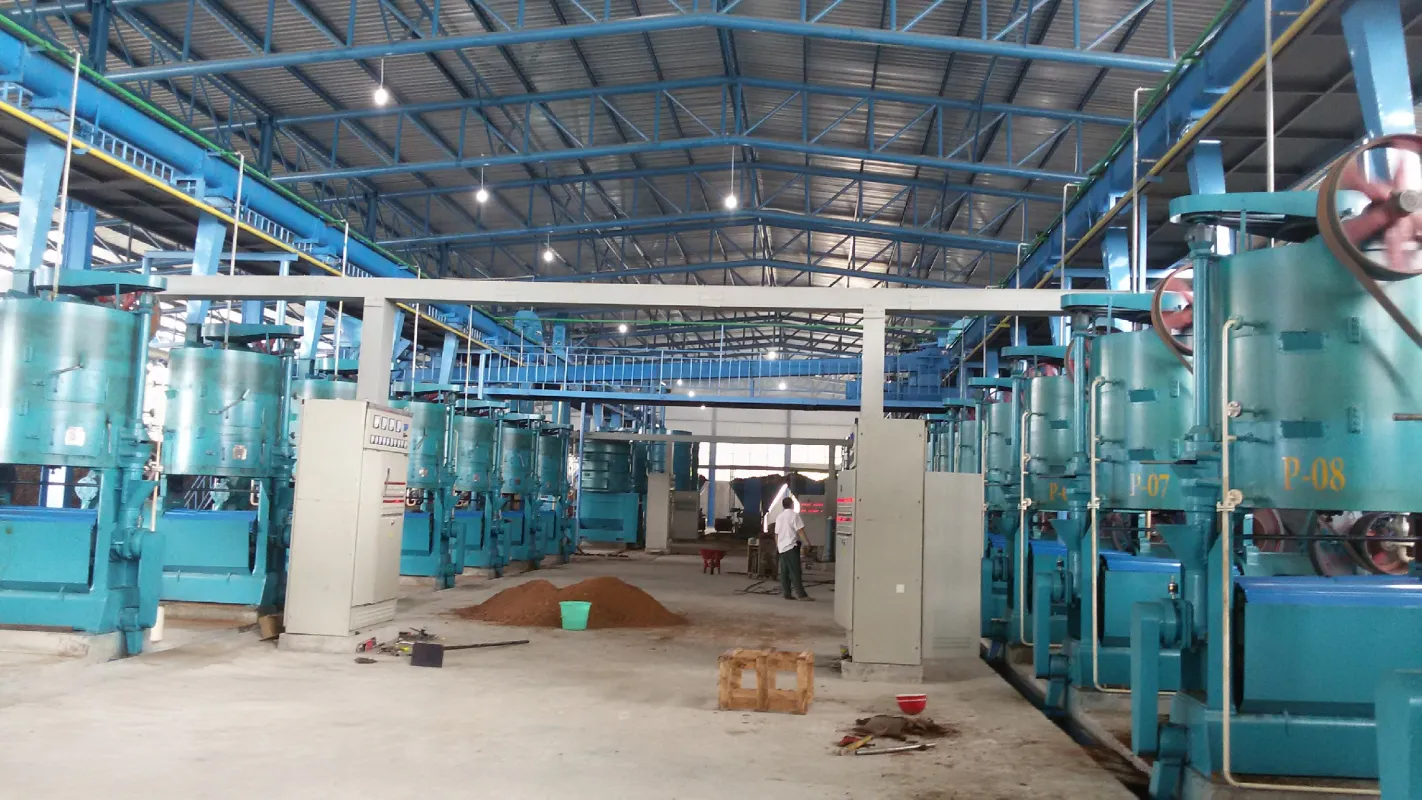
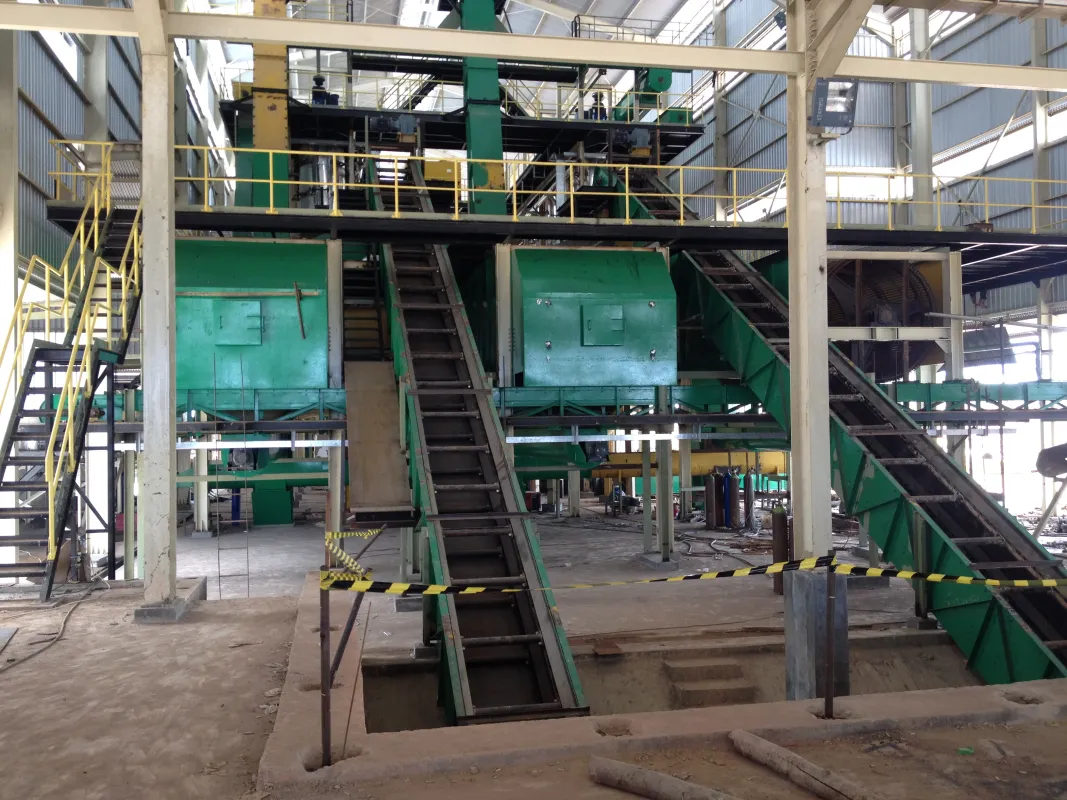
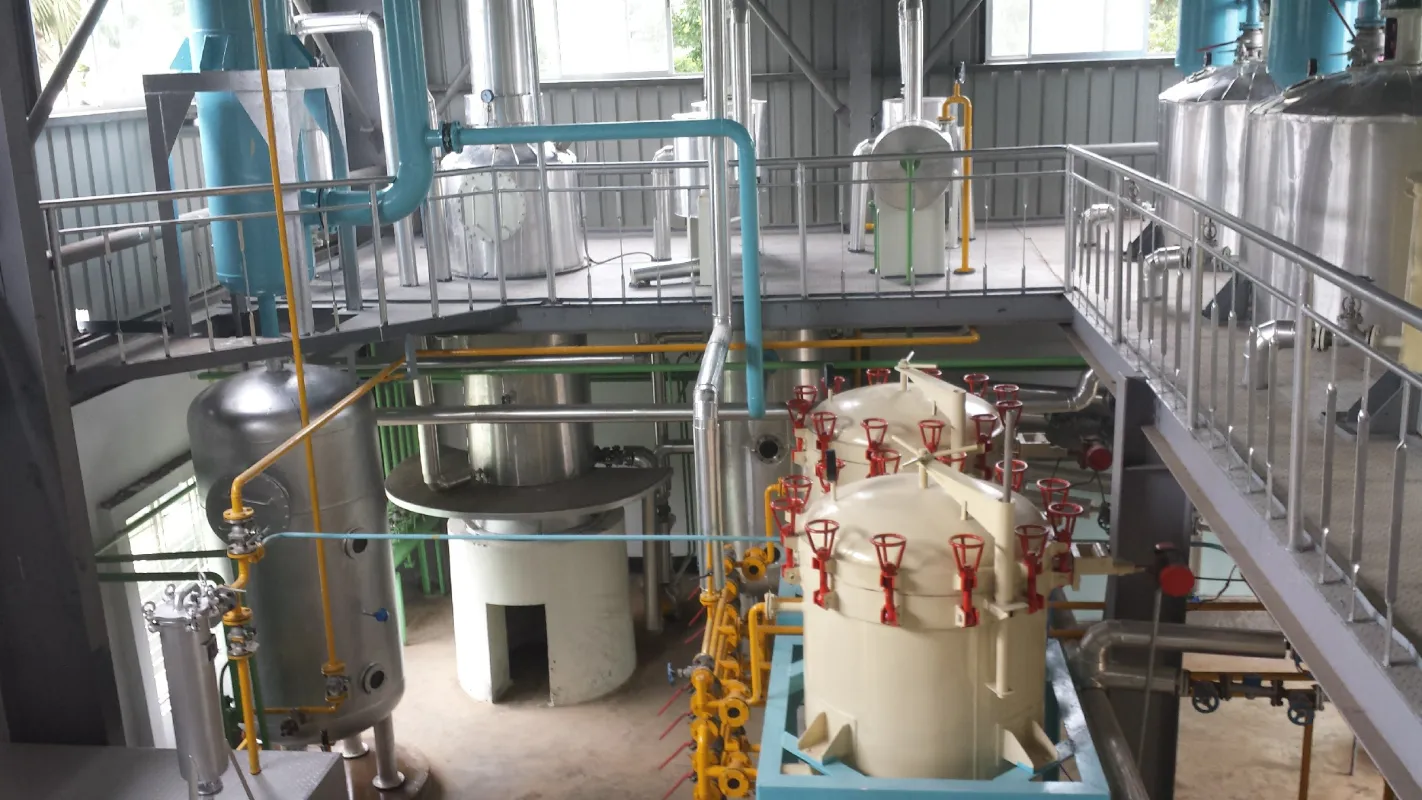
A stable start-up begins before the first batch is processed. This practical page from Qi'e Grain and Oil Machinery Co., Ltd. provides a standardized pre-startup (pre-commissioning) checklist for edible oil production equipment after installation and before official production—helping project owners, operators, and service teams reduce early-stage downtime and improve commissioning stability.
Installation verification
Electrical & piping checks
No-load & load trial runs
Process parameter setup
Quality inspection
Safety training & spares
Who this checklist is for
Project owners & plant managers
Confirm the line is “run-ready” before handover and production ramp-up.
Operators & maintenance teams
Align operating steps, safety rules, lubrication points, and routine inspection standards.
Commissioning & service engineers
Execute systematic checks and trial runs to reduce fault repetition during start-up.
Pre-startup checklist (edible oil production equipment)
Use the following steps as a practical oil production line start-up checklist. Adapt the sequence to your actual configuration (oilseed pre-treatment, pressing, solvent extraction, refining, filtration, filling, utilities, and control system).
1) Installation verification (mechanical & civil)
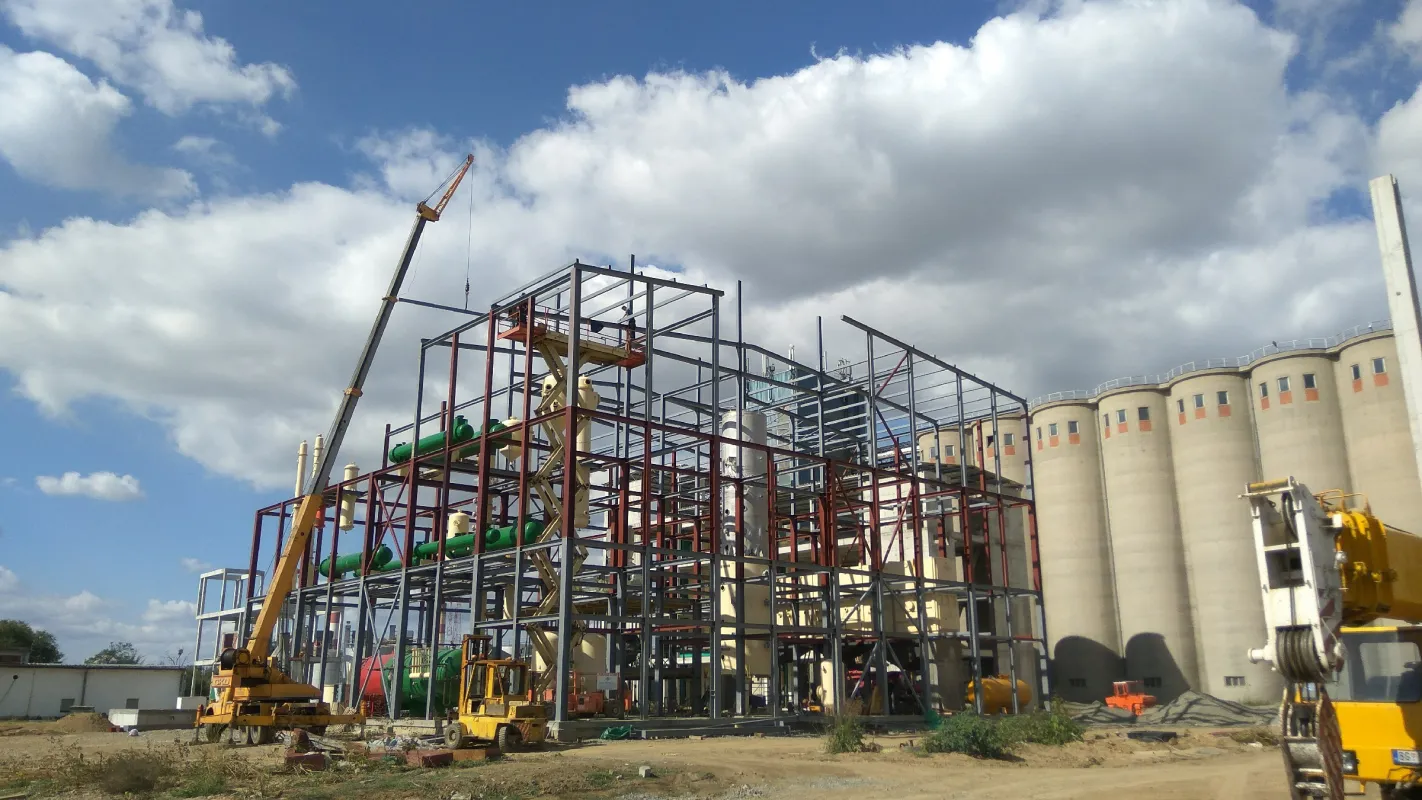
- Verify equipment is installed per drawings: orientation, access clearances, and maintenance space.
- Check foundations, anchor bolts, grouting/couplings, and alignment for rotating machines.
- Confirm guards, covers, and rotating-part protection are installed and secured.
- Ensure lubrication points are accessible and correctly labeled; confirm initial lubrication/greasing where required.
- Confirm conveyors, elevators, and transfer points are free of foreign objects and can be manually rotated where applicable.
2) Electrical, instrumentation & controls checks
- Confirm power supply matches equipment requirements; verify grounding/earthing continuity.
- Inspect wiring, terminal tightness, cable routing, and insulation condition; ensure panels are clean and dry.
- Check motor rotation direction (jog test) and interlocks; confirm emergency stop (E-stop) functionality.
- Validate sensors/instruments (level, temperature, pressure, flow, load) are installed, connected, and readable in the control interface.
- Confirm alarm logic, safety interlocks, and start/stop sequence are consistent with the process flow.
3) Piping, valves & utilities readiness
- Check all pipelines/hoses for correct connection, flange bolt tightness, gasket condition, and leak-free status.
- Verify valve tagging and open/close direction; confirm check valves and filters/strainers are installed correctly.
- Ensure utilities are available and stable (e.g., steam/hot water, cooling water, compressed air) where required by the line.
- Confirm tanks, filters, and pumps are clean and ready for circulation/flush if needed.
- Validate drains, vents, and sampling points are correctly routed and accessible.
4) No-load trial run (dry run)
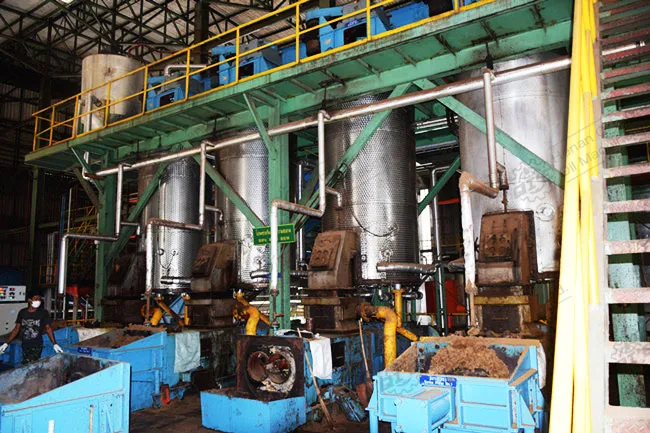
- Start equipment in the defined sequence; verify smooth operation, no abnormal noise/vibration, and stable current draw indications (as observed on site).
- Check bearings, gearboxes, and drive components for temperature rise and lubrication performance.
- Confirm conveyors/feeding systems run without rubbing, belt tracking issues, or material backflow points.
- Test interlocks and trip conditions in a controlled manner (as permitted by site safety rules).
- Record observations and corrective actions before moving to load.
Tip: Treat the no-load run as a “mechanical health check” and the load run as a “process stability check.”
5) Load trial run (with material / process media)
- Confirm oilseed pre-treatment readiness (cleaning, conditioning/softening, crushing/flaking where applicable) before feeding.
- Introduce material gradually; monitor feeding stability, discharge consistency, and any blockage tendency.
- For pressing/extraction/refining sections, verify circulation, pumps, filters, and key control loops respond as expected.
- Observe critical points for leaks, foaming/overflow risk, and abnormal odors/smoke; take immediate corrective action if found.
- Stabilize operation, then document baseline running conditions for future reference.
6) Process parameter setup & documentation
- Set and confirm key parameters (temperature, pressure/vacuum, flow, level, timing, and speed) per your process design and equipment manual.
- Define start-up/shutdown SOPs, normal operating ranges, and escalation actions for alarms.
- Create a daily check sheet: lubrication schedule, filter inspection frequency, tightening points, and housekeeping standards.
- Ensure calibration/verification records are filed for critical instruments where required by internal QA.
7) Finished oil quality inspection (start-up stage)
- Confirm sampling points and sampling method; avoid contamination from unclean valves/containers.
- Check appearance and clarity; verify filtration performance and the absence of visible impurities.
- Review whether refining/degumming/neutralization/bleaching/deodorization (as applicable) is meeting your internal acceptance criteria.
- Record batches produced during commissioning separately to support traceability and optimization.
Note: Specific quality indices and limits should follow your target market regulations and in-house standards.
8) Safety, training & readiness of spares/tools
- Conduct operator safety training: PPE, lockout/tagout (LOTO), hot surfaces, rotating parts, and chemical handling (if applicable).
- Post clear signage for emergency stops, evacuation routes, and hazard zones.
- Prepare essential consumables/spares: seals, gaskets, filter elements, lubricants, and common fasteners as per equipment list.
- Confirm tools and measuring devices are on-site (torque tools, alignment basics, electrical test tools), plus maintenance access equipment.
- Define responsibility matrix for start-up support: who operates, who approves changes, who contacts service.
Quick reference table: checkpoints & evidence to record
| Checklist area |
What to confirm |
Recommended evidence |
| Installation |
Alignment, fasteners, guards, access, lubrication points |
Photos, torque/inspection notes, punch list closure |
| Electrical & controls |
Rotation direction, interlocks, E-stop, alarms, I/O visibility |
I/O checklist, alarm test record, panel inspection log |
| Piping & utilities |
Leak-free connections, valve status, filtration/strainers, supply stability |
Pressure/flow observations, leak check sign-off |
| Trial runs |
No-load stability, load feeding, abnormal noise/vibration, response to adjustments |
Start-up log, baseline operating notes, corrective actions |
| Quality checks |
Sampling readiness, clarity/impurities, stage-wise acceptance criteria |
Sampling record, internal QA sign-off (as applicable) |
| Safety & spares |
Training completion, signage, PPE/LOTO, spares/tools availability |
Training attendance, spare parts list, maintenance readiness checklist |
How Qi'e Grain and Oil Machinery Co., Ltd. supports commissioning
As a specialized manufacturer of oil pressing equipment, oil production line equipment, and edible oil refining equipment, Qi'e Grain and Oil Machinery Co., Ltd. (Penguin Group) works with B2B customers to align equipment delivery with installation guidance, commissioning coordination, and operational readiness—so teams can start production on a controlled and documented basis.
- Commissioning-oriented handover: drawings, equipment lists, and recommended start-up records.
- Operational guidance: start/stop logic, routine inspection points, and maintenance basics for operators.
- Spare parts planning support: identify commonly consumed items to keep on-site for early-stage stability.
Scope and on-site support availability may vary by project and contract; always follow your site safety rules and local regulations.
Need a checklist tailored to your line configuration?
Share your process route (pre-treatment / pressing / extraction / refining), utility conditions, and control requirements. We can help you map the above equipment inspection before production into a site-ready commissioning document for your edible oil production equipment.