A Decision Framework for Selecting Edible Oil Processing Equipment and Complete Lines
Qi'e Grain and Oil Machinery Co., Ltd. explains a practical decision framework for selecting edible oil processing equipment and complete production lines—covering raw materials, capacity targets, process routes (cold press, solvent extraction, pressing), refining requirements, automation level, environmental compliance, and installation/service considerations for overseas projects.
Selecting edible oil processing equipment and a complete oil production line is a technical and commercial decision that impacts product quality, operating cost, compliance, and long-term uptime—especially for overseas projects.
This page from Qi'e Grain and Oil Machinery Co., Ltd. provides a practical decision framework you can use to define the right configuration (pressing / cold pressing / solvent extraction), capacity targets, refining and bottling scope, automation level, and installation/service requirements—applicable to integrated solutions such as a fully automatic rapeseed oil production line.
1) Start with the business inputs that drive equipment selection
Raw material profile
- Oilseed type (e.g., rapeseed) and expected impurity level
- Moisture, oil content, seasonal variability
- Storage conditions and handling constraints at your site
Capacity & operating plan
- Target throughput and shift plan (single/dual shift)
- Space and utility availability (power, steam/heat, water, air)
- Expansion expectations and modular upgrade needs
Product goals that define the process scope
Oil quality target
Define clarity, color, odor, and stability targets to decide refining depth and deodorization needs.
By-product strategy
Meal handling, filtration residues, and whether you need additional processing/packaging.
Market & packaging scope
Bulk vs. retail: decide whether the line includes bottling and final packing modules.
2) Choose the process route: cold pressing, pressing, or solvent extraction
The process route is the core of any oil production line design. In B2B projects, the “best” route depends on your raw material, quality expectations, operating cost model, and compliance requirements.
| Route |
When it fits |
Key considerations |
| Cold pressing |
Prioritizes gentle processing and oil characteristics; often paired with appropriate filtration and refining depending on end-market. |
Temperature control, press selection, automation for stable operation, and hygiene management. |
| Mechanical pressing |
A robust, commonly adopted route for many oilseeds; can be configured as a standalone press line or integrated with refining and packaging. |
Pre-treatment needs, press capacity matching, energy planning, and preventive maintenance strategy. |
| Solvent extraction |
Often considered for projects requiring high-volume, continuous operation and integrated recovery/refining arrangements. |
Environmental and safety compliance, solvent handling and recovery design, site infrastructure, and operator training. |
For overseas implementation, process-route selection should be validated together with local regulations, utilities, and serviceability considerations—not only theoretical output targets.
3) Define the line scope: extraction + refining + bottling
A complete edible oil project typically consists of oil extraction, edible oil refining equipment, and optional bottling/packing. Clarifying scope early helps avoid mismatched interfaces and delays.
Typical modules to confirm in your specification
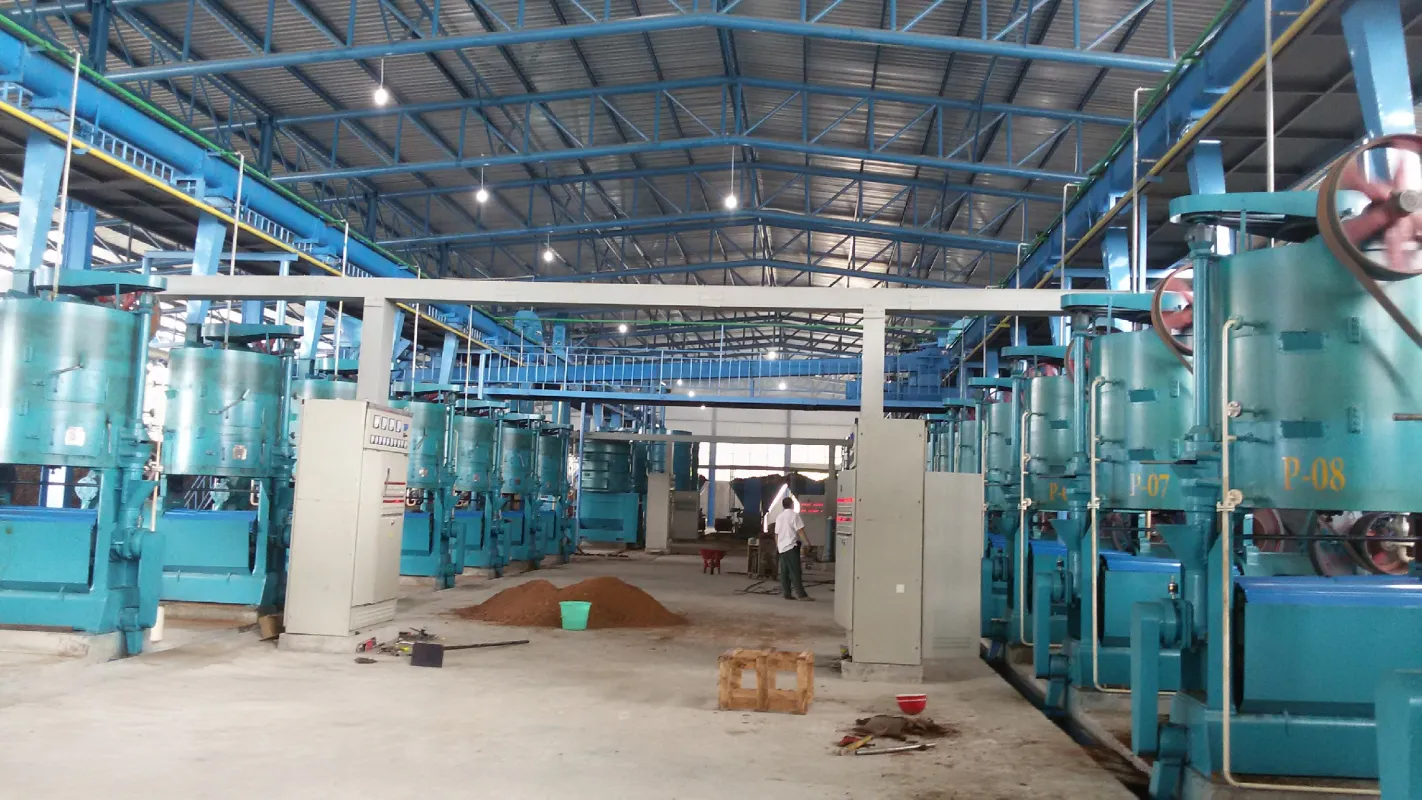
Oil extraction section
- Seed preparation / pre-treatment
- Pressing or extraction line integration
- Crude oil filtration and intermediate storage
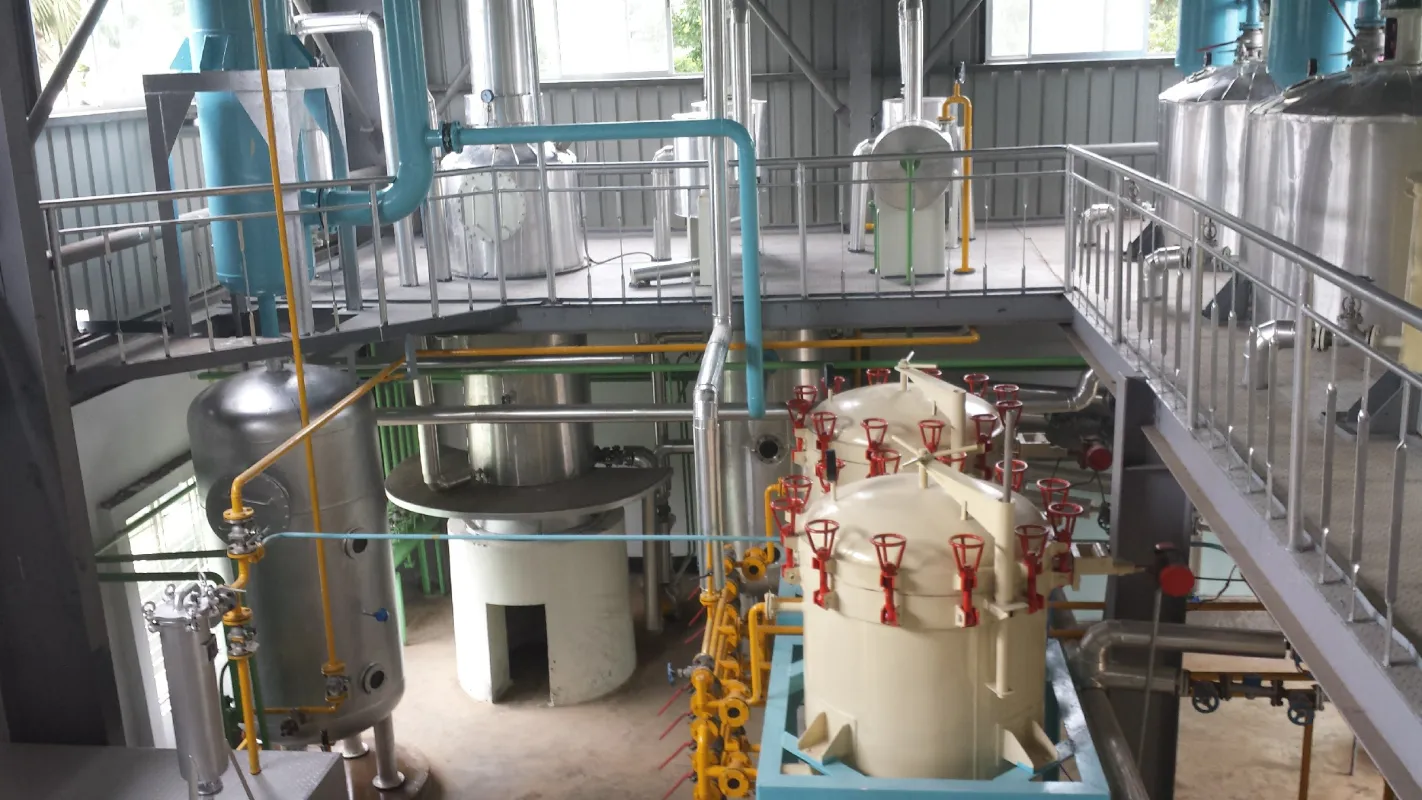
Refining section
- Refining depth aligned to target market
- Process hygiene and safety design
- Interface with tanks, heating/cooling, and utilities
Related equipment: edible oil refining equipment.
Bottling & packaging (optional)
If your project includes retail-ready output, define bottle formats, labeling, packing method, and hygiene requirements. If shipping in bulk, focus on storage tanks, loading interfaces, and traceability.
4) Specify automation level, control, safety, and hygiene
Automation is not “more is always better.” It should match your staffing capability, maintenance readiness, and stability needs—especially for continuous production.
What to confirm in control system design
- Centralized monitoring vs. distributed control points
- Interlocks for safe start/stop and abnormal condition handling
- Batch/lot traceability needs for B2B supply chains
- Operator-friendly HMI and training materials
Compliance & EHS checkpoints
- Safety and environmental requirements applicable to your region
- Waste and emission reduction measures integrated into the process
- Hygienic design for edible-grade production
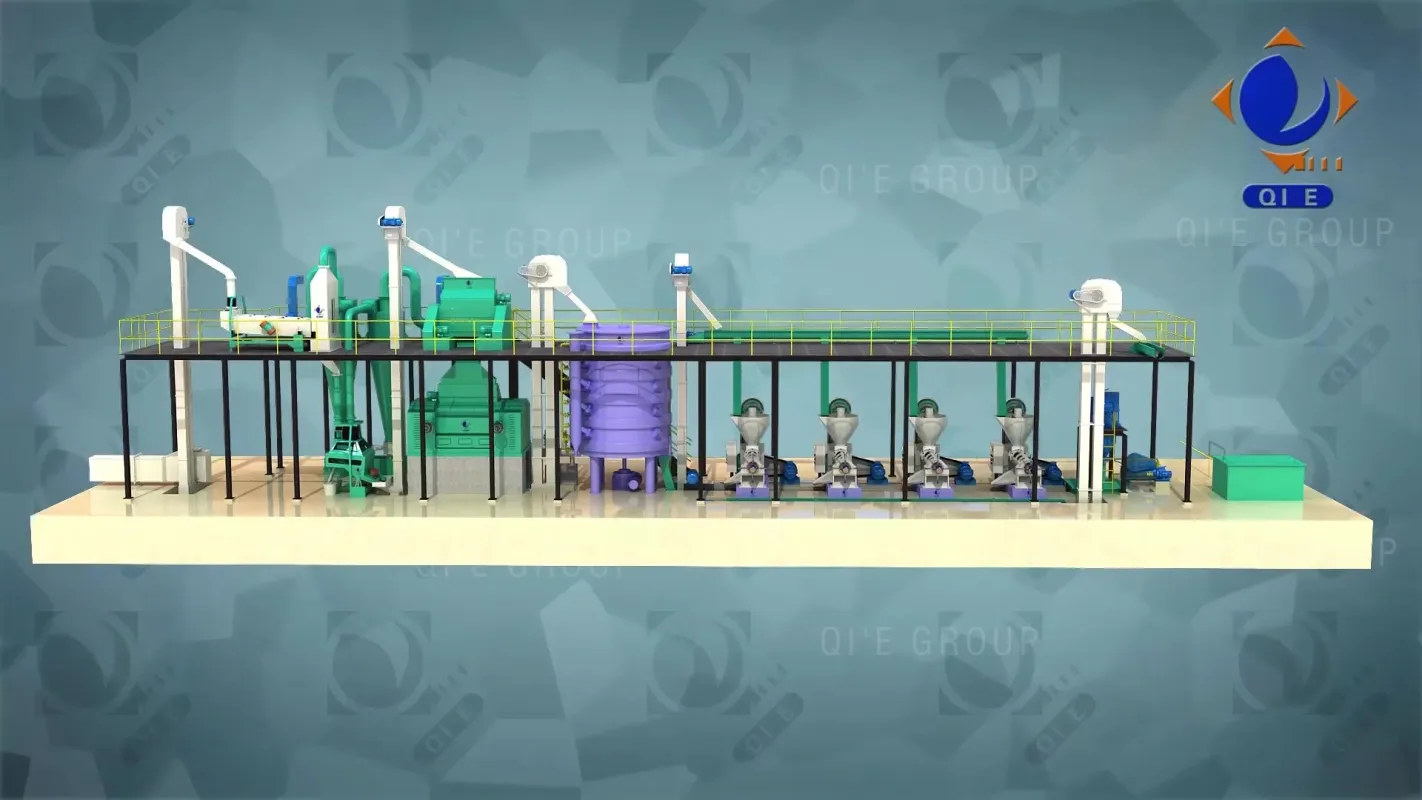
5) Use a rapeseed project as a reference: fully automatic rapeseed oil production line
Reference integrated solution
Qi'e Grain and Oil Machinery Co., Ltd. offers a fully automatic rapeseed oil production line designed for B2B operations that want streamlined workflows and consistent results.
Included scope (configurable)
- Integrated equipment for cold pressing and solvent extraction (as required)
- Refining to meet international edible-oil requirements
- Optional bottling and packaging integration
- Modern control system for easier operation and safer production
Operational advantages (as stated for this line)
- High efficiency: full-automatic control simplifies workflows and improves productivity.
- Lower energy consumption: optimized design helps reduce energy use.
- Durable equipment quality: built with durable materials and manufacturing processes to support stable operation.
- Safety & environmental alignment: designed to meet international safety and environmental expectations and reduce waste emissions.
- Customization: configuration and layout can be tailored to your capacity, site, and process choices.
- Technical support: installation guidance, commissioning, training, and after-sales support are available.
How to map this reference to your tender/RFQ
- Confirm whether your rapeseed plan needs pressing only, cold press, solvent extraction, or a hybrid route.
- Define refining depth and whether you require deodorization and final polishing filtration.
- Choose automation level based on staffing and uptime targets.
- Decide final output format: bulk shipping or a bottling/packaging module.
- List local compliance requirements and utilities for correct engineering interfaces.
6) Installation, commissioning, and service planning for overseas projects
For integrated edible oil plants, successful delivery depends on structured implementation. Qi'e Grain and Oil Machinery Co., Ltd. supports customers with practical engineering coordination and on-site readiness planning.
Recommended checklist (non-exhaustive)
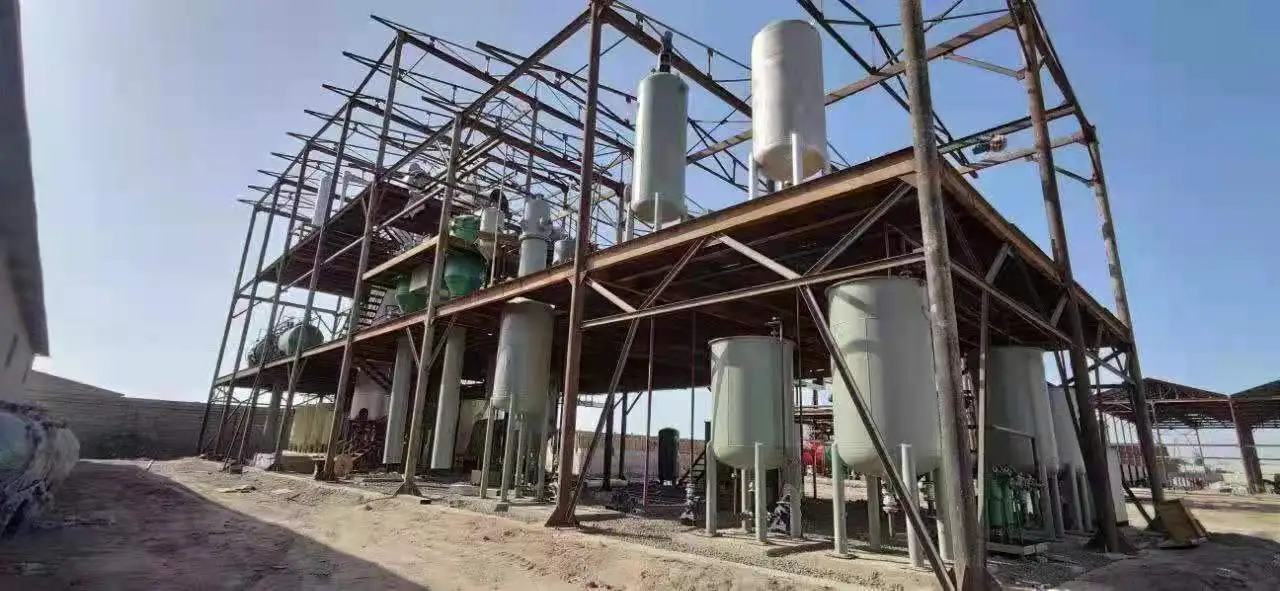
Site readiness
- Foundations and equipment access routes
- Utilities interface confirmation
- Storage and safety zoning
Commissioning
- Dry run and interlock testing
- Parameter setting and process stabilization
- Hygiene and safety acceptance checks
Training & after-sales
- Operator training and SOP alignment
- Maintenance planning and spare parts list
- Fault troubleshooting workflow
If your project is planning or upgrading an integrated line—such as a fully automatic rapeseed oil production line—prepare your raw material parameters, capacity target, process route preference, and refining/bottling scope to accelerate solution confirmation.
Work with a manufacturer focused on complete edible oil lines
Qi'e Grain and Oil Machinery Co., Ltd. (Penguin Group) develops and manufactures oil pressing equipment, complete oil production line equipment, and edible oil refining systems for B2B customers—supporting engineering design, installation guidance, commissioning, and training.
To align on the right configuration, share your seed type (rapeseed or other), desired capacity, preferred process route (cold pressing / pressing / solvent extraction), local compliance requirements, and whether you need refining and bottling as part of the turnkey scope.