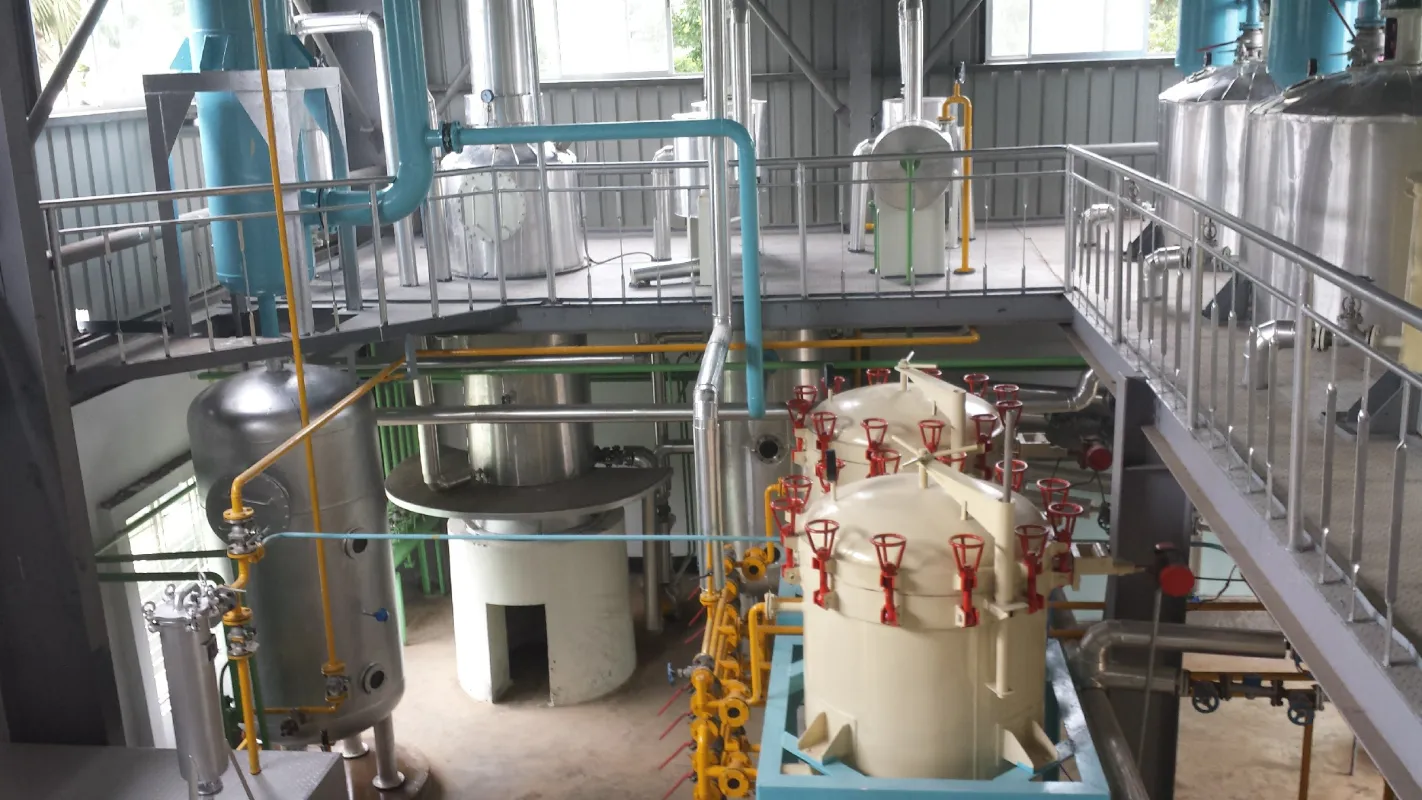
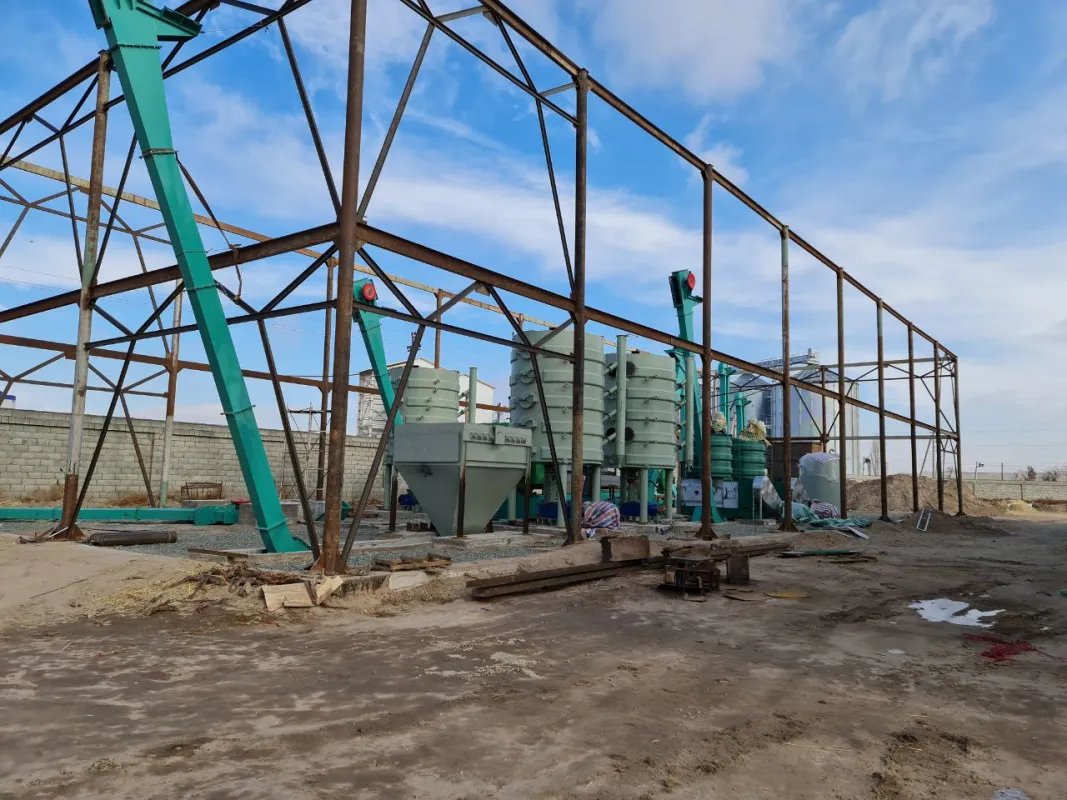
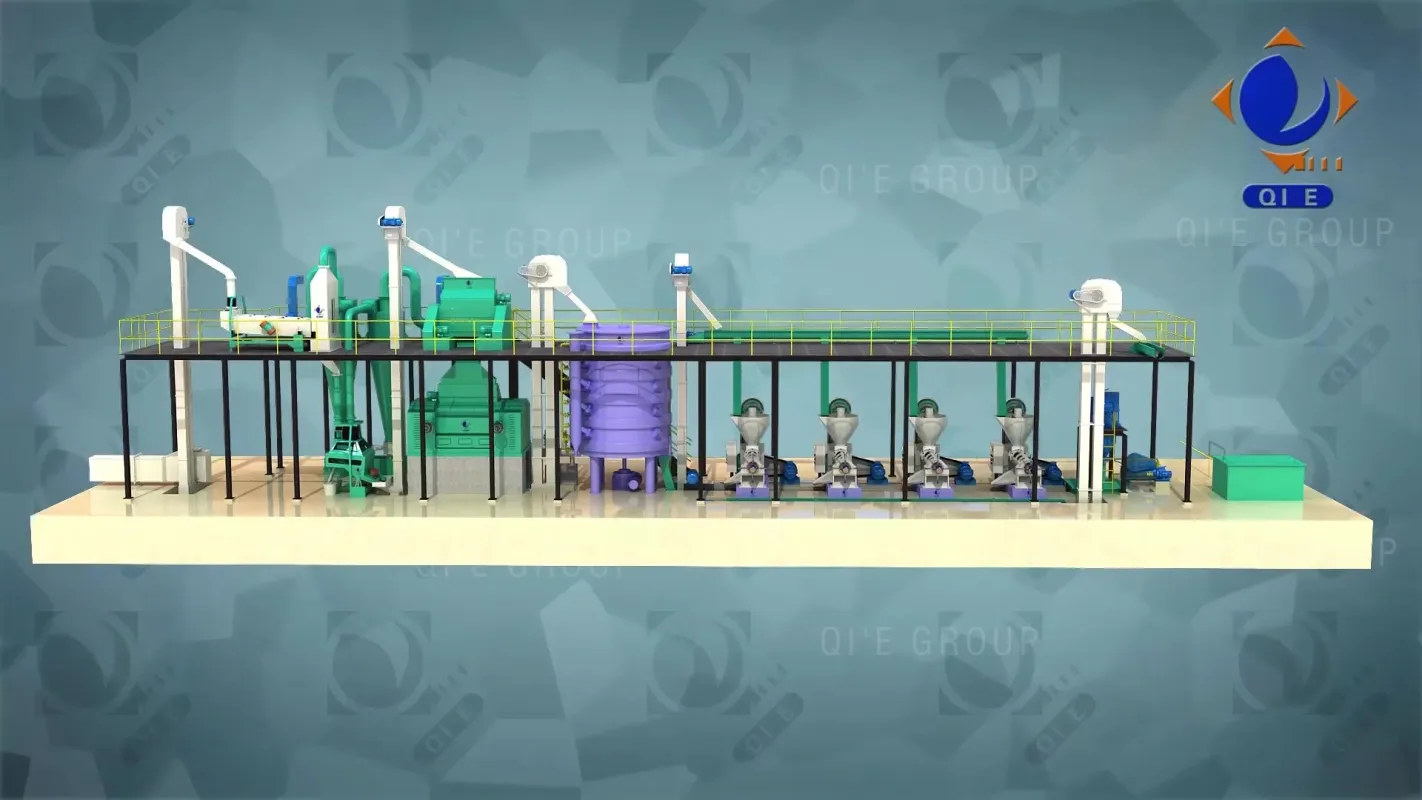
Selecting edible oil processing line equipment is a project decision that should start with the raw material and end with the finished-oil standard you must meet. This page provides a systematic, B2B-oriented evaluation framework—covering pretreatment, pressing vs. solvent extraction, capacity planning, automation, energy use, environmental compliance, and refining. It is especially useful for projects in Asia, Africa, and South America.
As a professional manufacturer of oil pressing equipment, oil production lines, and edible oil refining units, Qi'e Grain and Oil Machinery Co., Ltd. (企鹅集团) supports customers not only with machines, but also with engineering design, installation guidance, and technical service—helping investors, cooperatives, and food manufacturers build reliable oil mill projects.
Before choosing equipment, define your raw material and variability: oil content, moisture range, impurity level, hardness, and seasonal supply stability. These factors decide the pretreatment configuration, extraction route, and how much automation is cost-justified.
Pretreatment prepares raw material for consistent extraction and helps control energy consumption. Typical modules include cleaning and destoning, conditioning (moisture/temperature), crushing/flaking, and optional cooking/softening depending on the material.
The “best” route depends on your capacity target, quality expectations, and compliance/utility conditions. Some projects also adopt a combined route (pressing followed by extraction) based on their process strategy.
| Decision dimension | Pressing (oil press line) | Solvent extraction (extractor line) |
|---|---|---|
| Investment & complexity | Often simpler line structure; easier to start and scale modularly. | Higher system complexity; requires stronger safety, environmental, and utility planning. |
| Operations & staffing | More straightforward operation; training and maintenance typically simpler. | Requires disciplined process control and compliance management. |
| Energy & environment | Focus on efficient pretreatment and stable pressing parameters to reduce energy waste. | Must plan solvent handling, emissions control, and recovery to meet local requirements. |
| Best-fit use cases | Small-to-mid projects, rapid commissioning needs, or locations prioritizing simpler utilities and operations. | Projects that plan for extraction-based workflows and have suitable compliance/utility readiness. |
Practical note: When comparing options, evaluate the full system—pretreatment + extraction + oil clarification/filtration + refining + utilities + environmental controls—rather than a single machine.
B2B oil mill projects commonly fail to hit targets not due to “machine quality”, but due to mismatched capacity assumptions and poor line balance. Define your expected daily throughput, raw material supply stability, shift pattern, and storage/logistics constraints, then select equipment capacity with realistic buffers.
Automation is not simply “more is better”. Define the control depth you need—instrumentation, alarms, interlocks, and data logging—based on your staffing level, electricity stability, and the ability to maintain sensors and actuators locally.
Energy efficiency and environmental requirements should be evaluated at line-design stage. Look for design choices that reduce unnecessary heating, minimize losses, and keep the process stable—because instability typically increases energy use and rework.
Refining is where crude oil is upgraded to meet edible standards and application needs. Your refining configuration should be chosen based on target markets and product positioning—while staying consistent with your upstream extraction method and utilities.
For projects focusing on corn germ as a feedstock, Qi'e Grain and Oil Machinery Co., Ltd. offers a corn germ oil production line designed to emphasize energy efficiency and nutrient retention while supporting stable operation through precise process control. The line adopts a modular design to simplify installation, operation, and maintenance—helping reduce labor intensity and supporting practical scaling.
This type of configuration can be relevant to both established oil mills and new entrants building a first plant—provided the project defines capacity, utilities, compliance needs, and finished-oil targets upfront.
In B2B projects, supplier capability is more than manufacturing. Confirm whether the supplier can support engineering integration and long-term operation. Qi'e Grain and Oil Machinery Co., Ltd. provides integrated support, including design, installation guidance, and technical service, to help customers start and run oil production projects more smoothly.
| Evaluation area | Questions to confirm |
|---|---|
| Engineering fit | Can the supplier propose a line configuration based on your raw material, capacity, and refining target? |
| Installation & commissioning | What guidance is included for installation, trial run, and operator training? |
| Operations readiness | What spare parts list and maintenance plan are recommended for the first year of operation? |
| Quality & documentation | Are equipment specs, process descriptions, and acceptance criteria clearly defined for your project? |
A robust edible oil processing line equipment selection is one that connects raw material reality to process choice, capacity, automation, energy/environment, and refining quality goals. If you are planning an oil mill project in Asia, Africa, or South America, Qi'e Grain and Oil Machinery Co., Ltd. can support your evaluation and help you define a practical, modular solution—from equipment configuration to technical service during installation and operation.