How to Plan an Edible Oil Processing Line: Equipment Selection and Process Configuration
This guide from Qi'e Grain and Oil Machinery Co., Ltd. outlines how to plan an edible oil processing line—covering raw material type, target capacity, process route, automation level, refining requirements, plant conditions, and market goals to clarify project specifications and equipment configuration.
Planning an edible oil processing line is a specification exercise first—and an equipment purchase second. This page from Qi'e Grain and Oil Machinery Co., Ltd. helps investors, project owners, and oil mill operators translate business goals into a clear process route and a practical equipment configuration that fits the raw material, capacity, automation level, refining targets, and plant constraints.
Outcome:
A defined project scope + equipment list covering pressing/extraction, filtration, refining, and auxiliaries.
Focus:
Soybean, sunflower, palm (and other oils), with routes such as mechanical pressing or solvent extraction.
Planning logic:
Start from market/quality requirements, then design process flow, then select equipment and layout.
1) Define the raw material and oil type (this sets the process boundaries)
Different oilseeds and oils behave differently in cleaning, conditioning, pressing, extraction, and refining. Before choosing equipment, document the raw material characteristics and supply plan:
- Raw material type: soybean, sunflower seed, palm (e.g., palm oil/palm kernel), and other vegetable oils.
- Supply stability: seasonal fluctuation, impurity level, moisture variability, storage conditions.
- Target product: crude oil for further refining, or refined edible oil for retail/industrial use.
A clear raw-material definition prevents mismatches such as over/under-sizing pre-treatment and selecting an unsuitable pressing/extraction route.
2) Confirm target capacity and working mode (daily throughput drives sizing)
Capacity planning is not only a “tons per day” number—it must include the operating rhythm that affects equipment sizing and utilities.
| Capacity input |
What to decide |
Why it matters |
| Daily throughput |
Nominal T/D and expected range |
Determines main-line equipment scale and buffer storage |
| Shift plan |
Hours/day, days/week |
Impacts motor sizing, redundancy, and maintenance windows |
| Expansion plan |
Future capacity target and timing |
Guides layout space, utilities allowances, and modular equipment choices |
| Product mix |
Single oil vs multiple oils |
Influences changeover strategy, tank farm, and refining flexibility |
3) Choose the process route: pressing vs solvent extraction (or combined)
The “right” route depends on raw material, target capacity, investment approach, safety/environment requirements, and operating capability. A typical edible oil plant may include:
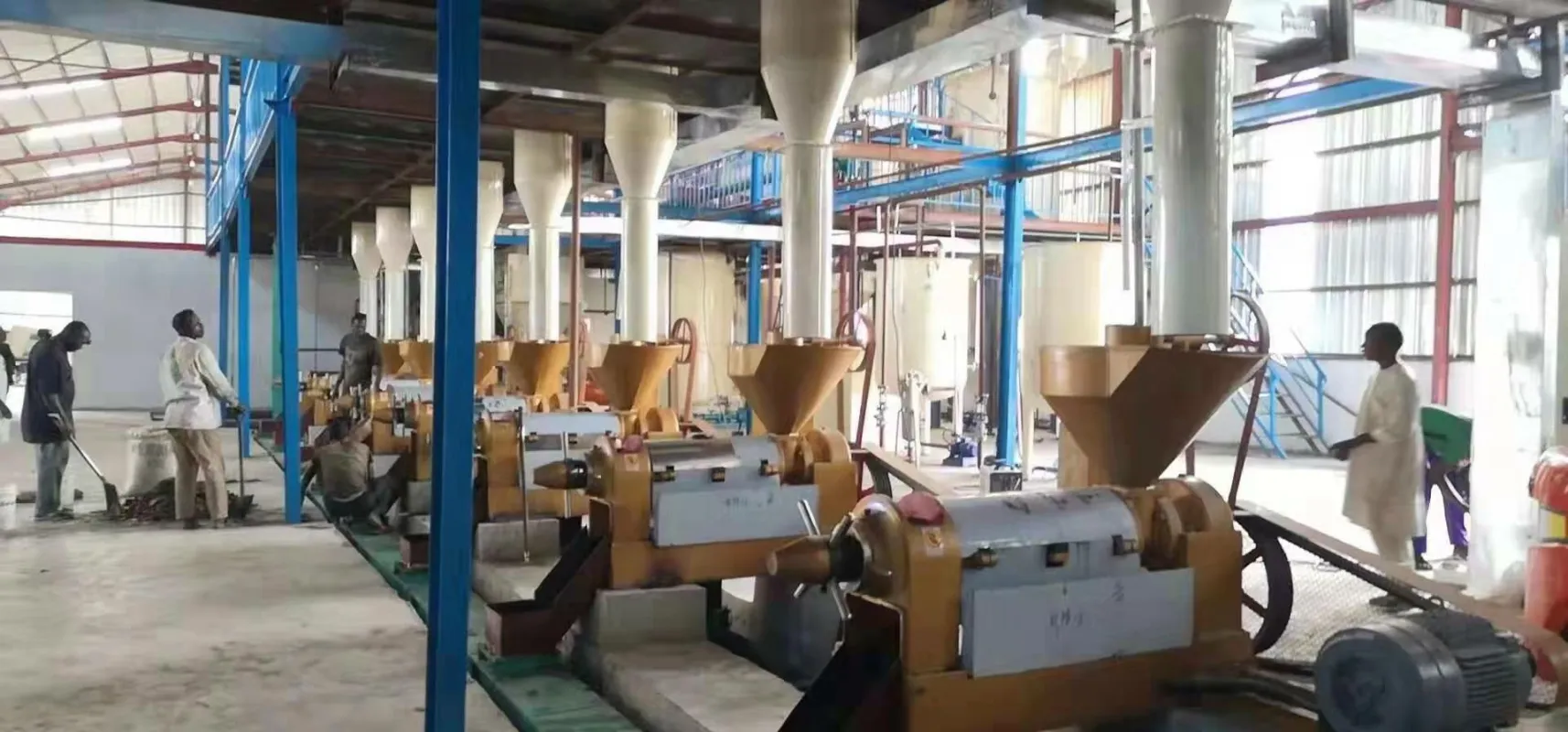
Mechanical pressing route
- Typical flow: cleaning → conditioning/pretreatment → pressing → oil filtration → crude oil tank → (optional) refining
- Key selection points: press type and configuration, pretreatment matching, filtration method, automation level
- Common fit: flexible for many oilseeds; often preferred where simpler operation is prioritized
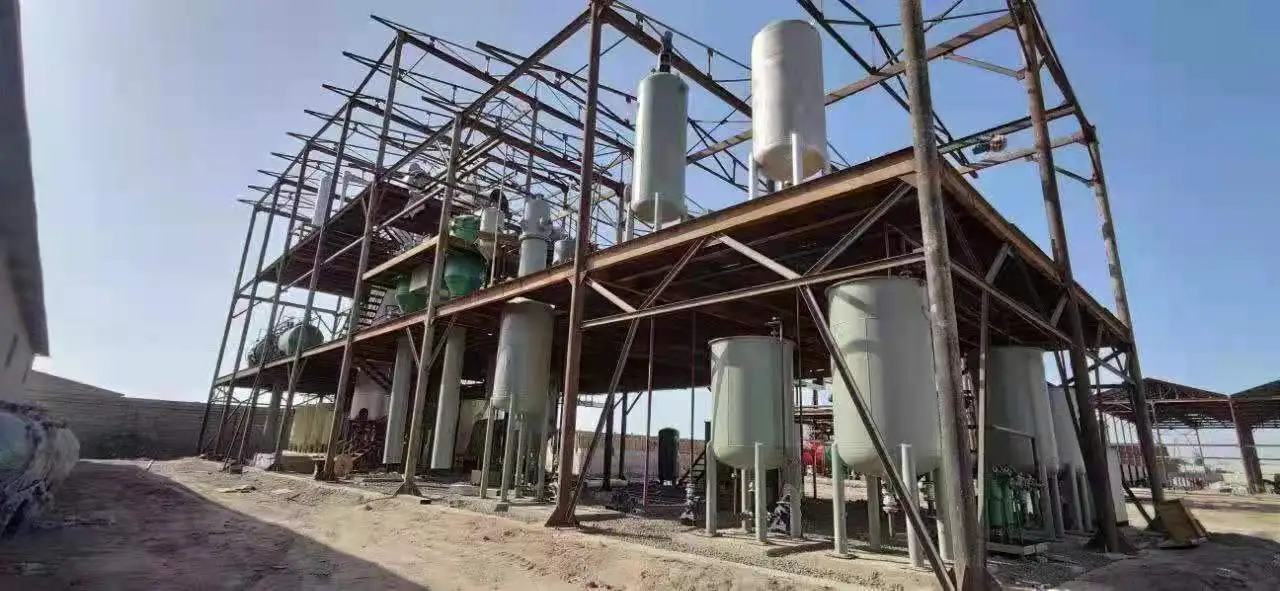
Solvent extraction route
- Typical flow: preparation → solvent extraction → desolventizing/toasting → meal handling → crude oil → (optional) refining
- Key selection points: extractor type, solvent recovery, safety design, ventilation and plant compliance requirements
- Common fit: used when an extraction route is needed for the business model and operational readiness
How Qi'e supports route clarification
Qi'e Grain and Oil Machinery Co., Ltd. aligns route selection with raw material, capacity, automation expectations, refining targets, and plant conditions—so the final equipment list is coherent across oil pressing equipment, oil production line equipment, and edible oil refining equipment.
4) Set the automation level and control philosophy
Automation affects manpower, consistency, and operating discipline. Define what “automation” means for your site:
- Core line control: start/stop sequences, interlocks, alarms, and basic production reporting.
- Quality stability needs: repeatability of pretreatment, pressing/extraction parameters, and refining setpoints.
- Operator experience: training expectations and maintenance capability.
- Traceability expectations: batch management, tank transfers, and basic data capture (as required).
5) Define refining requirements (quality targets determine refining modules)
Refining is where crude oil is processed toward edible standards. The required refining modules depend on the crude oil quality, target market standards, and final product positioning.
Common planning questions for edible oil refining equipment
- Is the objective semi-refined oil for further processing, or fully refined edible oil for retail/food use?
- What are the market and regulatory expectations for your destination markets (Asia, Africa, South America, etc.)?
- What utilities and space are available for refining—steam, power, water, and layout allowances?
- What are the site priorities: flexibility for multiple oils, throughput, or simplified operation?
Practical tip: lock the target market and product grade early—refining design is difficult to “patch” later without cost and downtime.
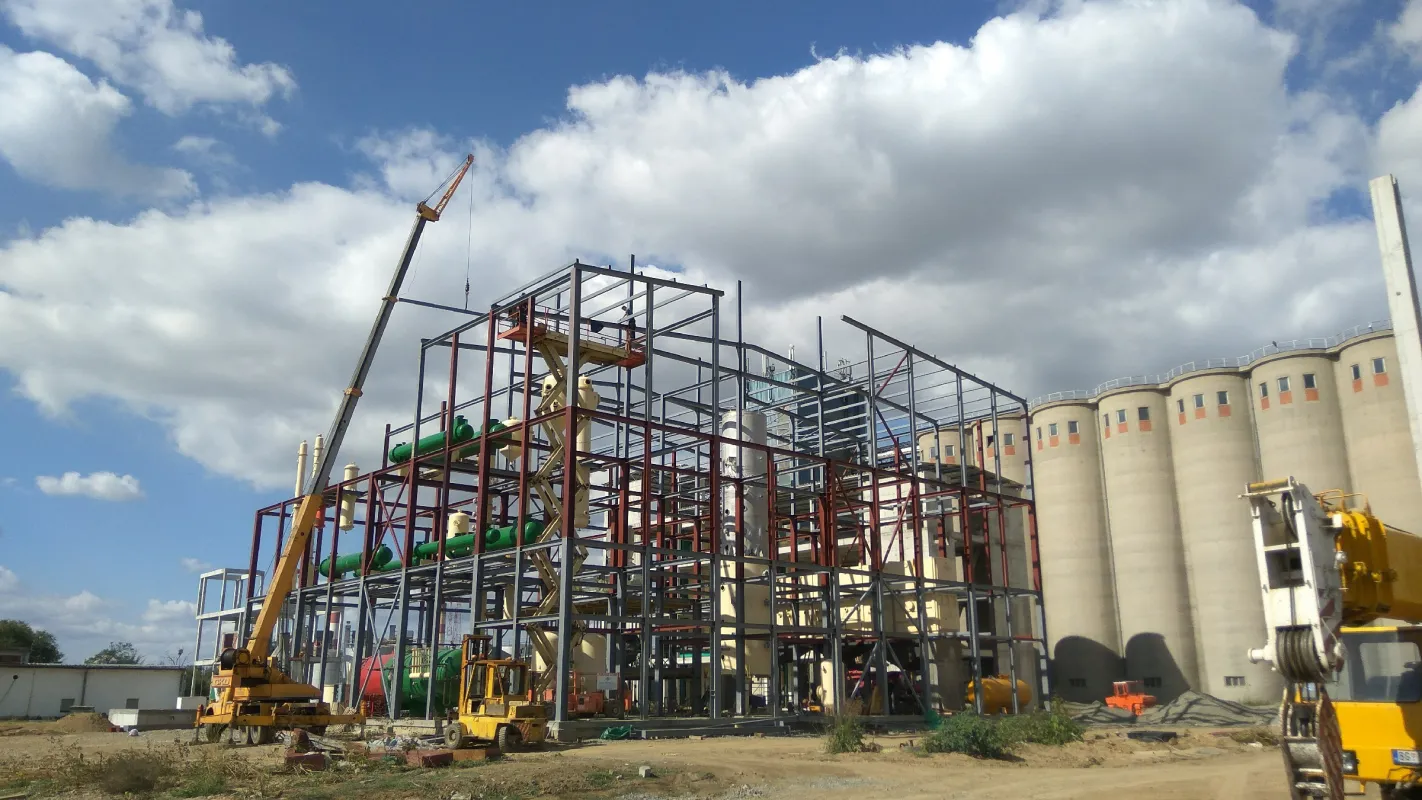
6) Check plant conditions and layout constraints (space, utilities, logistics)
A well-designed oil mill plant is not only a process flow; it is also a logistics flow. Ensure the process design matches physical conditions:
Site & building
- Available footprint and height limits
- Foundations and equipment installation access
- Zones for raw material, process, tanks, packaging
Utilities
- Power capacity and stability
- Steam/thermal needs (as applicable)
- Water supply, drainage, and ventilation
Inbound/outbound logistics
- Truck routes, unloading, and storage
- Oil storage and loading arrangement
- Meal/cake handling and byproduct strategy
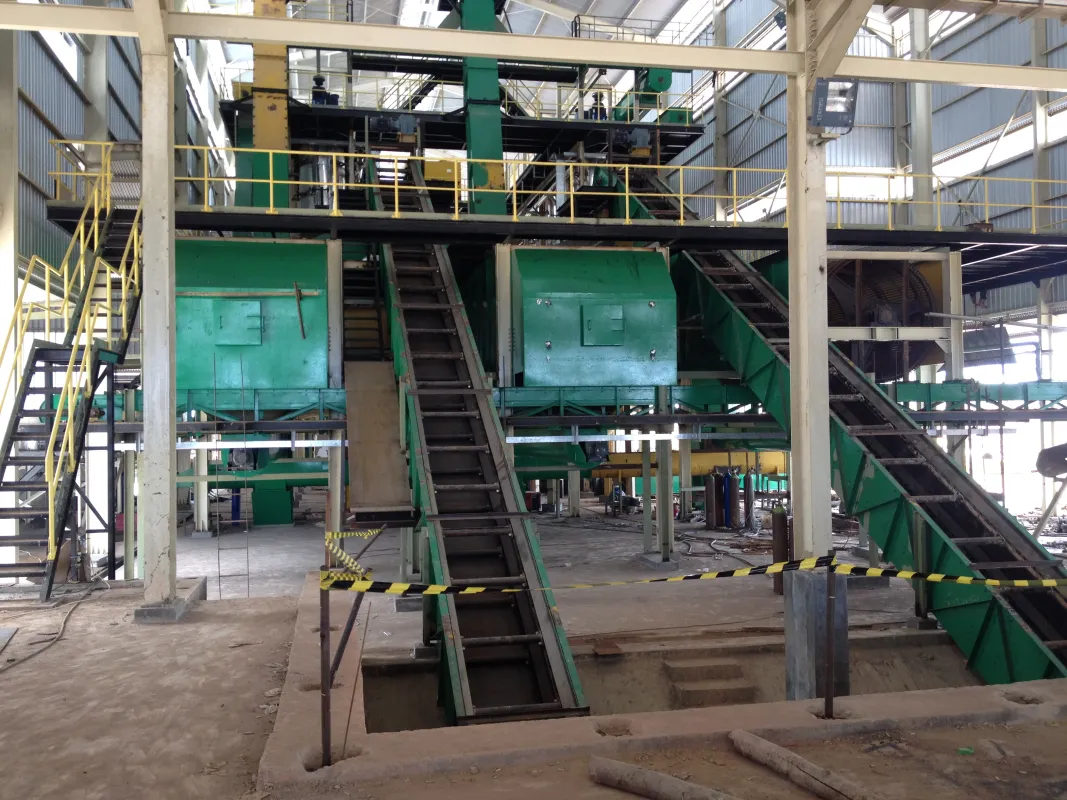
7) Translate requirements into an equipment configuration
Once the route and targets are fixed, you can assemble a coherent equipment list. Typical blocks include:
- Preparation & pretreatment: cleaning, grading, conditioning (matching your oilseed and route).
- Oil production line equipment: pressing system or solvent extraction system (depending on the selected process route).
- Oil pressing equipment selection: capacity matching, continuous operation suitability, maintainability, and spare-part strategy.
- Oil clarification/filtration: to stabilize crude oil handling prior to refining or storage.
- Edible oil refining equipment: configured to meet your defined product grade and market expectations.
- Auxiliaries: pumps, piping, valves, tanks, electrical cabinets, and safety-related components as required.
8) A practical planning workflow (what to prepare before requesting a quotation)
To speed up engineering clarification and reduce change orders, prepare the following information:
- Raw material: oilseed type(s), supply method, typical impurity/moisture expectations (if known).
- Capacity: target daily throughput, shifts, and expansion plan.
- Process preference: pressing, solvent extraction, or combined route; desired automation level.
- Refining target: crude vs refined, destination market standards, packaging or bulk plan.
- Plant conditions: site dimensions, building constraints, available utilities, logistics flow.
- Commercial goals: product positioning, timeline, and commissioning expectations.
Note: If you are still deciding between process routes or refining scope, Qi'e can support a phased approach—confirming the project specification first, then finalizing equipment configuration for procurement and installation.
Why work with Qi'e Grain and Oil Machinery Co., Ltd.
Qi'e Grain and Oil Machinery Co., Ltd. (企鹅集团) focuses on R&D, manufacturing, sales, and service of grain & oil machinery, including oil pressing equipment, oil production line equipment, and edible oil refining equipment. The team supports B2B customers with engineering-oriented planning, equipment supply, installation guidance, and technical service—helping align process design with real plant conditions and market goals.
If you share your raw material, target capacity, preferred route (pressing/extraction), automation expectations, refining targets, and site constraints, we can help clarify the process configuration and scope for an edible oil processing line in a structured way.