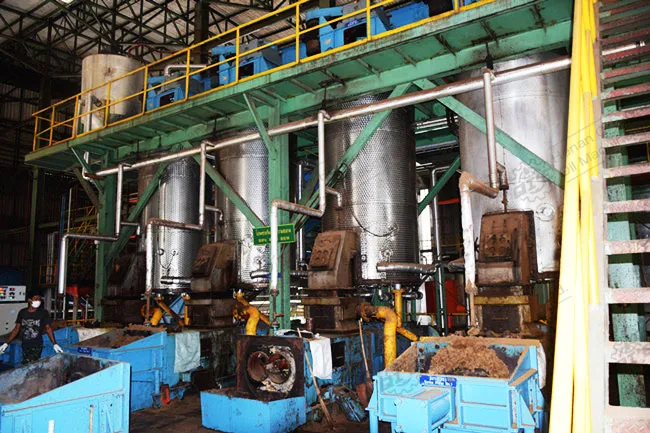
Qi'e Grain and Oil Machinery Co., Ltd. (企鹅集团) designs and manufactures edible oil production line equipment for B2B processors—covering the full system from raw material preparation to pressing/extraction, filtration, refining, and the supporting utilities and controls required for stable plant operation.
This page explains what an edible oil processing line includes, how the process is typically arranged end-to-end, and how configuration choices are influenced by feedstock, target capacity, and finished oil quality requirements. A dedicated section also highlights corn germ oil production lines as a practical example.
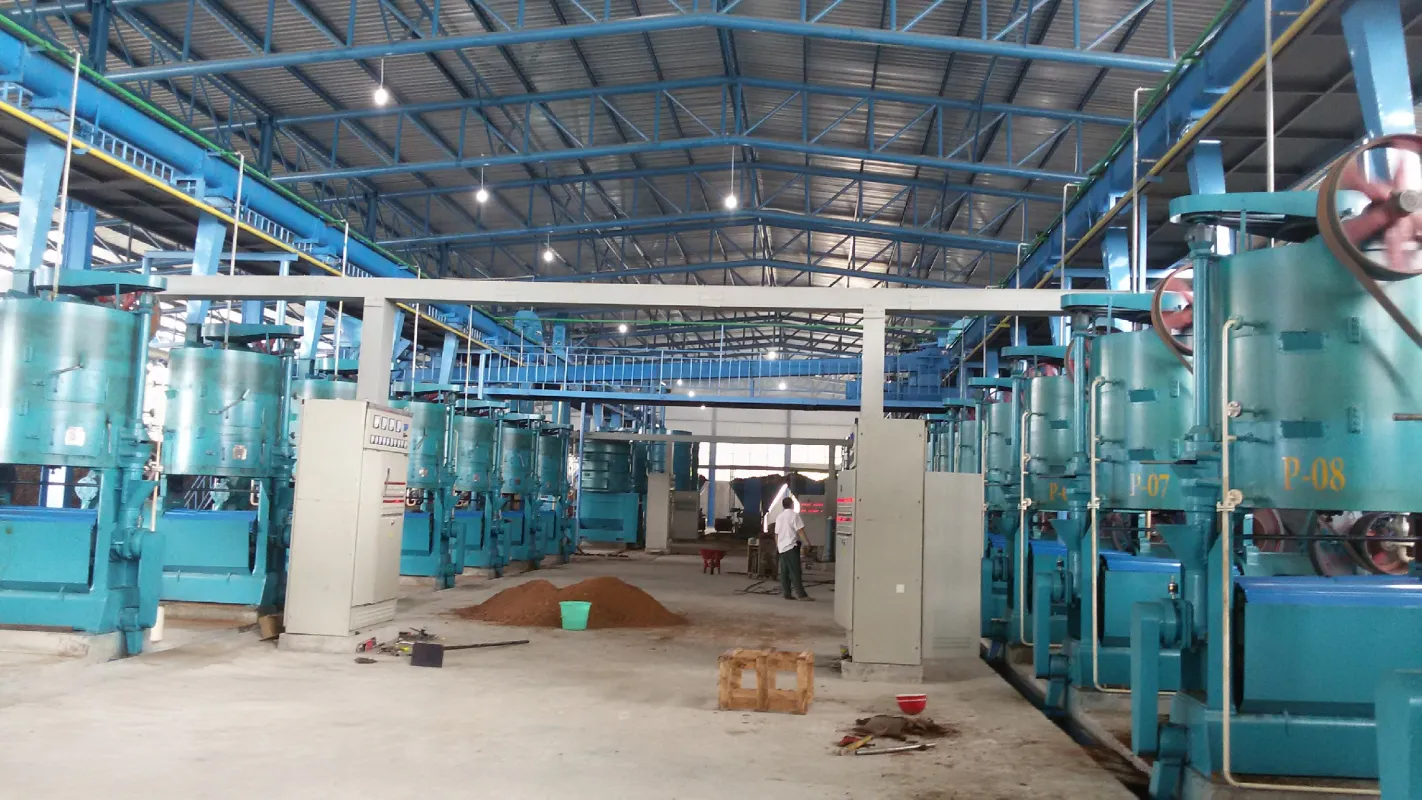
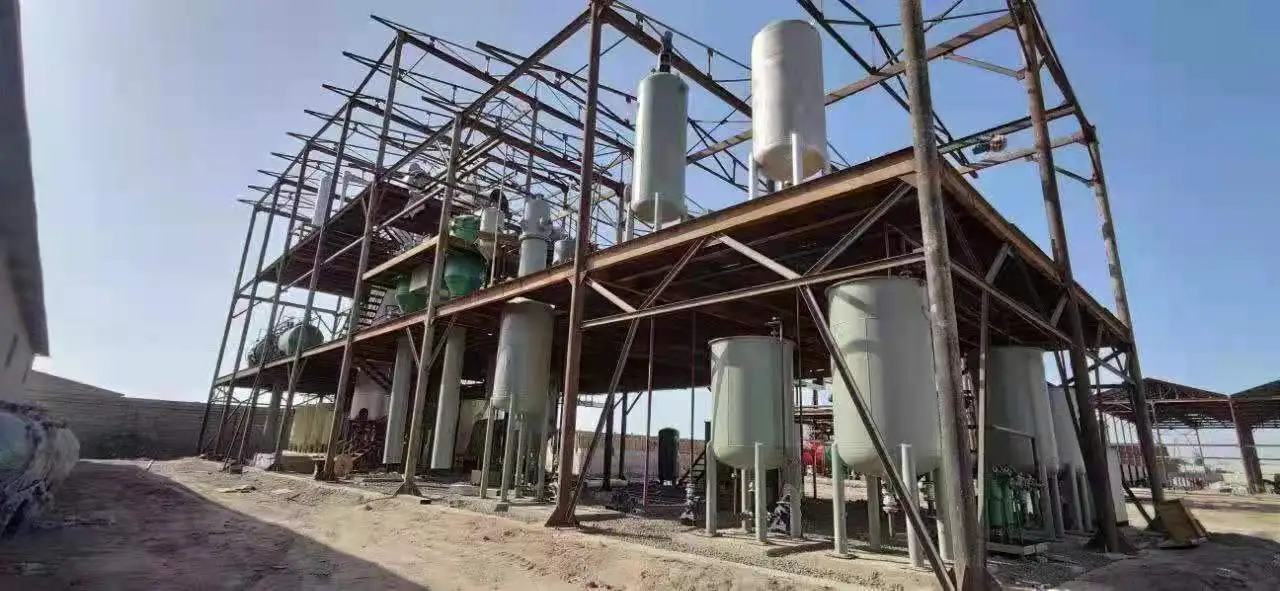
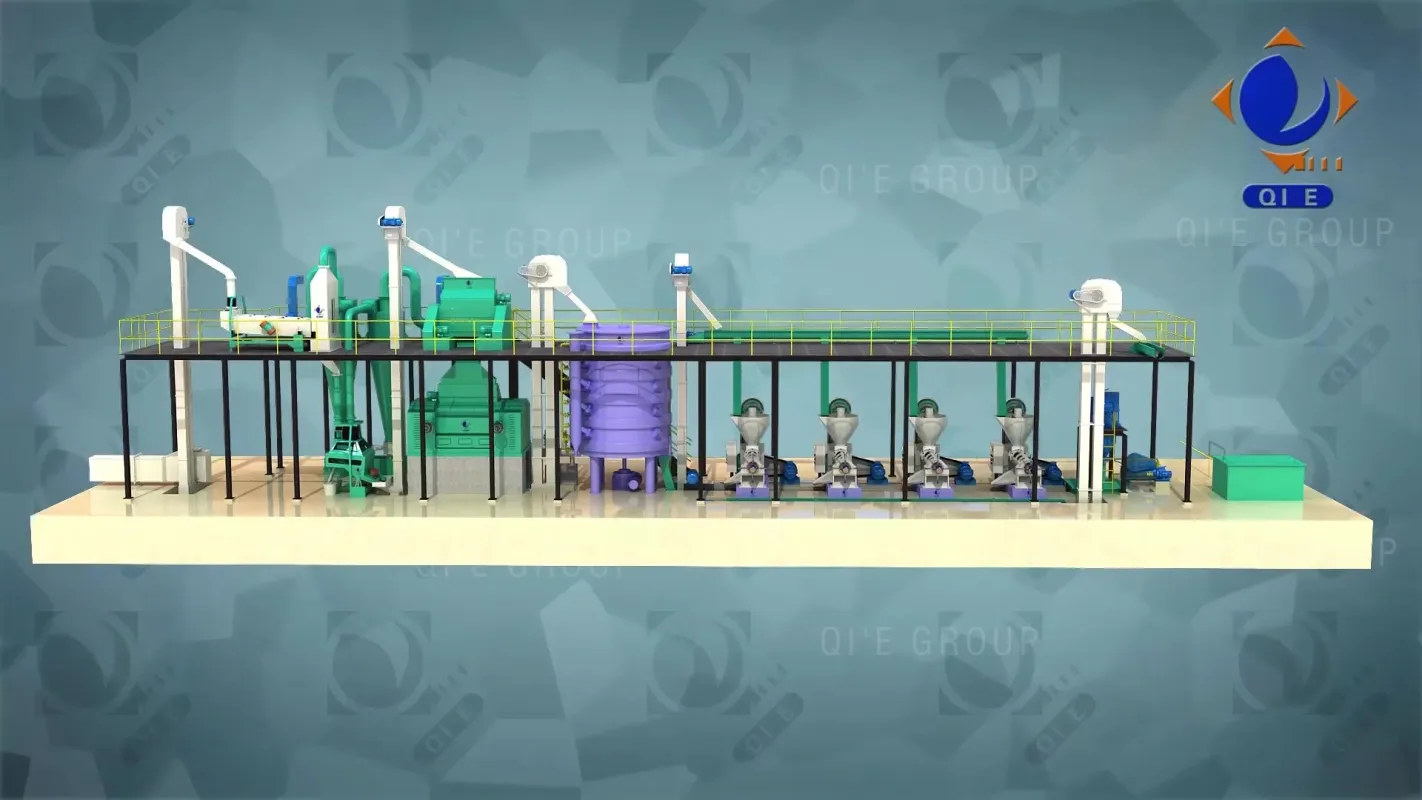
In an industrial context, edible oil production line equipment is not a single machine. It is a coordinated set of modules that handle material movement, oil recovery, quality stabilization, and safety/utility requirements—so the plant can run continuously and consistently.
Depending on the material and the target oil yield, lines are configured around mechanical pressing, solvent extraction, or a combined route (pre-pressing + extraction).
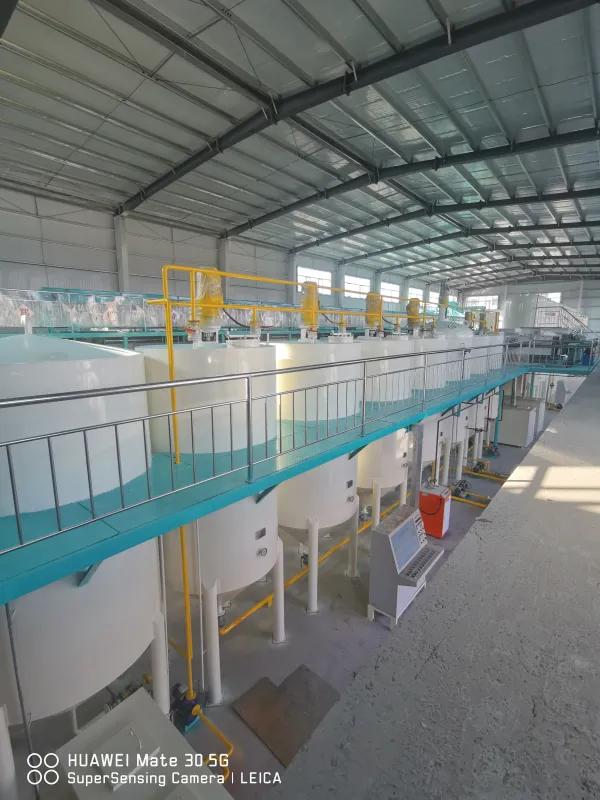
Oil refining equipment is selected based on the crude oil profile and the finished oil quality target. A refining section is typically designed to improve stability, appearance, and suitability for intended edible applications while aligning with plant utilities and control requirements.
While each project is engineered to the feedstock and product goals, a common edible oil processing flow can be understood as the following stages:
For project planning, it is best to define three inputs early: feedstock type, target capacity, and finished oil quality targets. These parameters drive the selection and sizing of pressing/extraction modules, refining configuration, and utility requirements.
| Planning factor | What it affects in the equipment list | Typical questions to confirm |
|---|---|---|
| Feedstock type | Preparation methods, pressing vs extraction choice, material handling layout | What is the raw material condition? Any impurities or moisture constraints? |
| Target capacity | Machine sizing, number of parallel units, buffer tanks, utilities | What daily/annual output is expected? Future expansion planned? |
| Finished oil quality requirements | Refining configuration, filtration grade, control points | What market standard or internal specification must the oil meet? |
| Energy & environmental priorities | Heat integration concepts, motor selection, dust control, plant layout | Is energy saving a key KPI? Any site-specific environmental constraints? |
| Operations & maintenance | Automation level, modularity, training needs, spare parts plan | How many operators? Preference for automated control? Maintenance capability? |
As part of the broader edible oil production line category, corn germ oil production lines are designed to balance energy efficiency with nutrient retention, while maintaining controllable, repeatable processing. Qi'e Grain and Oil Machinery provides a solution-oriented configuration that can be adapted for different plant sizes and investment plans.
The corn germ oil production line can be delivered using a modular design, which helps simplify installation and commissioning, and can reduce on-site complexity for operation and maintenance. This modular approach also supports phased investments when planning new plants or upgrades.
Penguin Group (Qi'e Grain and Oil Machinery Co., Ltd.) supports edible oil processors with an engineering-oriented delivery model—covering core equipment plus the services needed to put the line into operation.
With experience serving markets in Asia, Africa, and South America, Qi'e Grain and Oil Machinery focuses on practical engineering, quality-minded manufacturing, and service responsiveness—helping customers plan feasible edible oil processing lines without overcomplicating plant operations.
For a faster and more accurate configuration proposal, preparing the following information is helpful:
Qi'e Grain and Oil Machinery can then recommend an edible oil production line equipment configuration that aligns with your operational priorities—especially when planning or upgrading a corn germ oil production line.