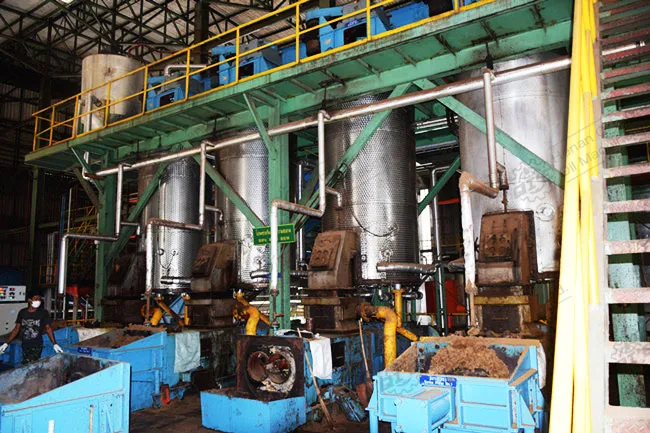
Planning an edible oil production line is not just about choosing machines—it is a structured decision process that aligns capacity, feedstock, product positioning, local utilities, plant layout, and automation level into a stable, scalable configuration.
Qi'e Grain and Oil Machinery Co., Ltd. (企鹅集团) supports B2B customers with end-to-end edible oil processing solutions, covering pretreatment, pressing, solvent extraction, and edible oil refining—so your line design avoids common mismatches that reduce yield, raise energy cost, or cause bottlenecks.
A workable plan begins by clarifying what you want to produce and how much you want to process. This determines process sections, sizing logic, and the level of automation.
Planning tip: Define capacity around your stable feedstock supply and utilities first—then match equipment sizing to prevent “one oversized section + one undersized section” bottlenecks.
Different oilseeds and oil-bearing materials require different pretreatment steps. Proper pretreatment stabilizes throughput and oil quality while protecting downstream pressing or extraction equipment.
| Planning Factor | What to Confirm On-Site | Impacts Configuration |
|---|---|---|
| Material condition | Moisture, impurities, hardness, storage conditions | Cleaning, drying/conditioning, wear-resistant components |
| Oil content & structure | Kernel vs. seed, fiber level, dehulling needs | Cracking/flaking, dehulling, cooking/conditioning |
| Process route | Press-only vs. press + extraction | Pretreatment intensity, cake handling, extractor sizing |
| Quality target | Market acceptance, refining depth, odor/color expectations | Refining sections, filtration, deodorization strategy |
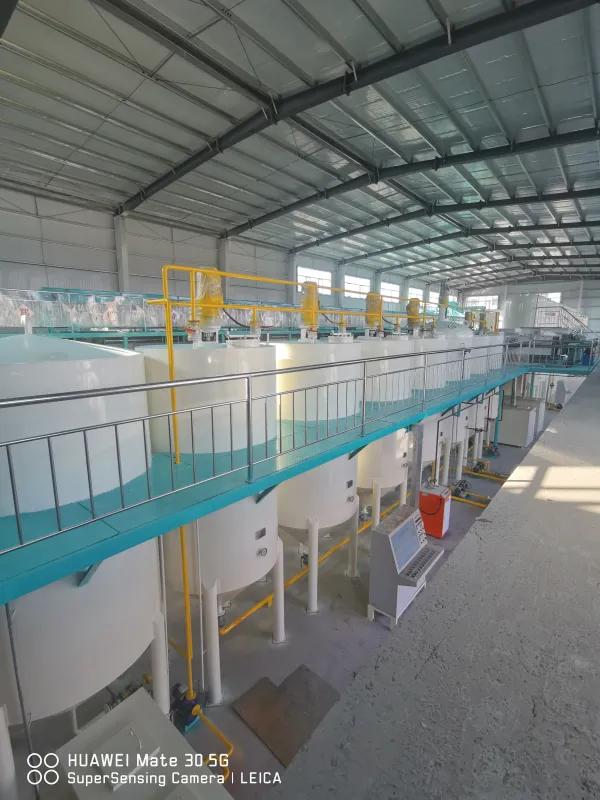
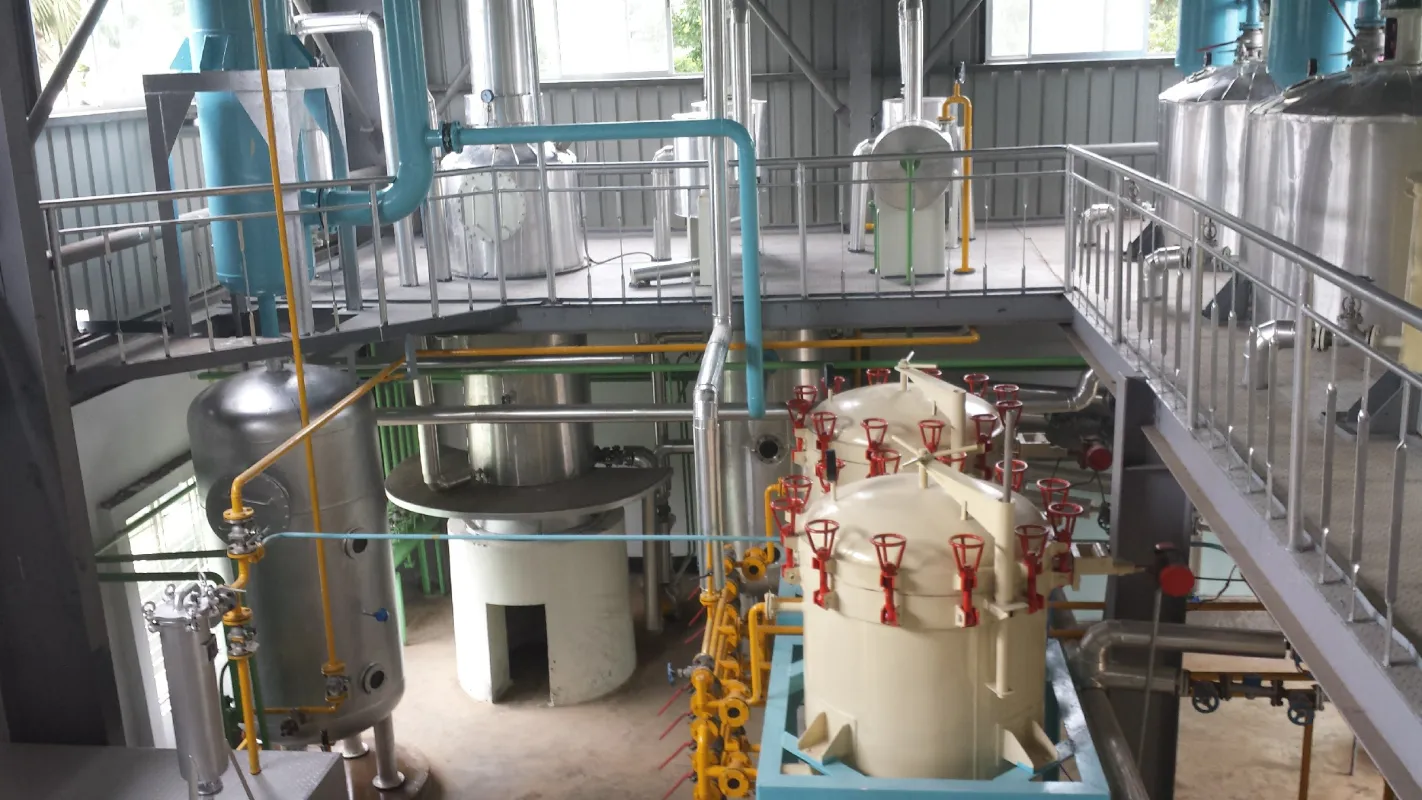
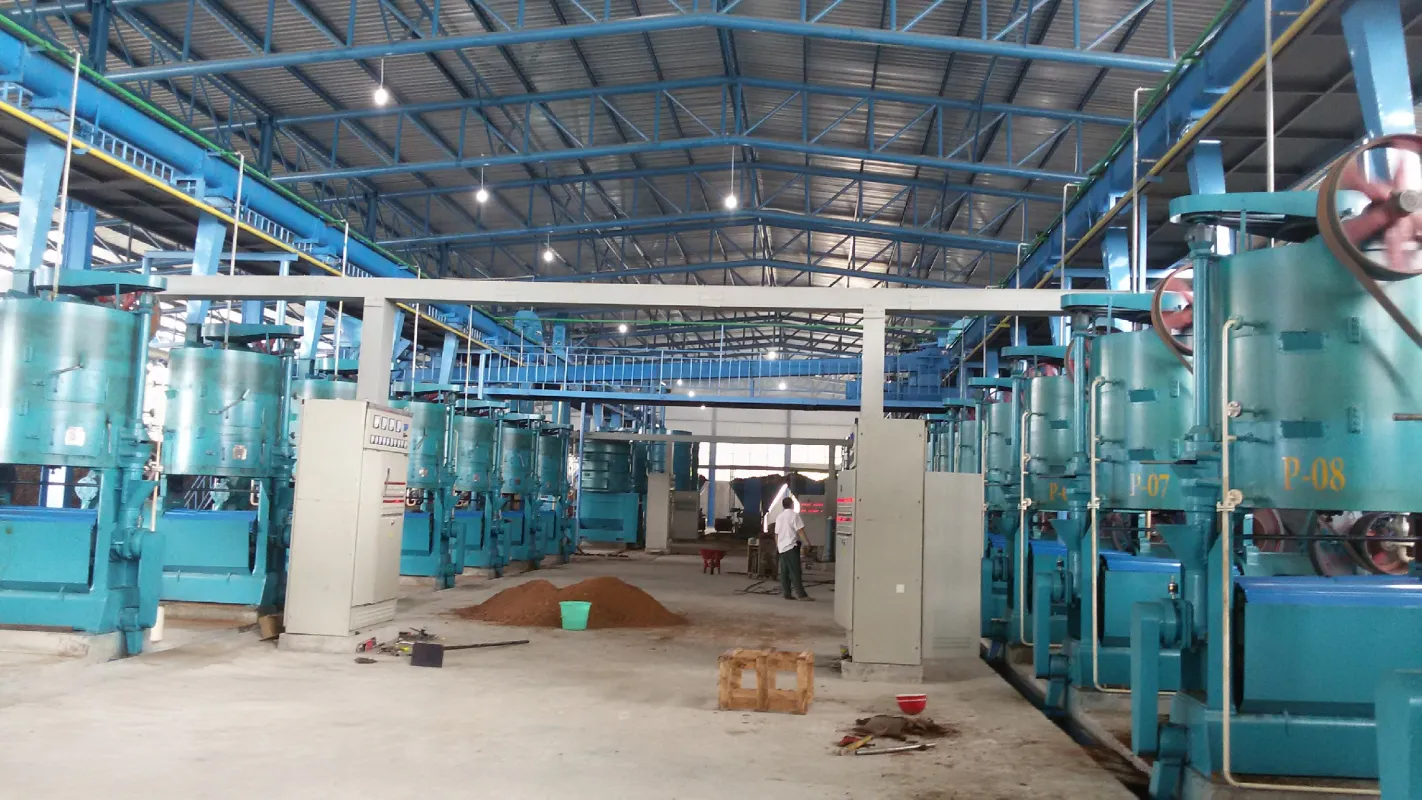
A complete edible oil line is typically composed of multiple process sections. The key is selecting the route that matches your feedstock and business goal, then configuring each section to the same capacity logic.
Focus: stabilize incoming materials and create consistent conditions for pressing/extraction. Typical planning considerations include cleaning, conditioning, size reduction, flaking, and feeding control based on material characteristics.
Focus: mechanical separation for crude oil production. Planning should check press type selection, cake discharge/transport, crude oil clarification, and how pressing capacity aligns with upstream feeding and downstream refining.
Focus: improve oil recovery for suitable materials and routes. Planning must consider local safety requirements, solvent handling, ventilation, and utilities—along with matching extractor throughput to pretreatment and meal handling systems.
Focus: improve stability, sensory attributes, and product consistency. Refining planning typically involves section selection and sizing (based on crude oil quality), filtration strategy, and utilities (steam, cooling, vacuum, compressed air) needed for stable operation.
Coherent configuration means each section—pretreatment → pressing/extraction → refining—is designed around the same throughput and operating schedule, with defined buffers and transfer methods (pumps, conveyors, tanks) to avoid stoppages.
Local energy and utilities directly affect equipment selection, operating cost, and reliability. Before finalizing the configuration, validate what is available on your site.
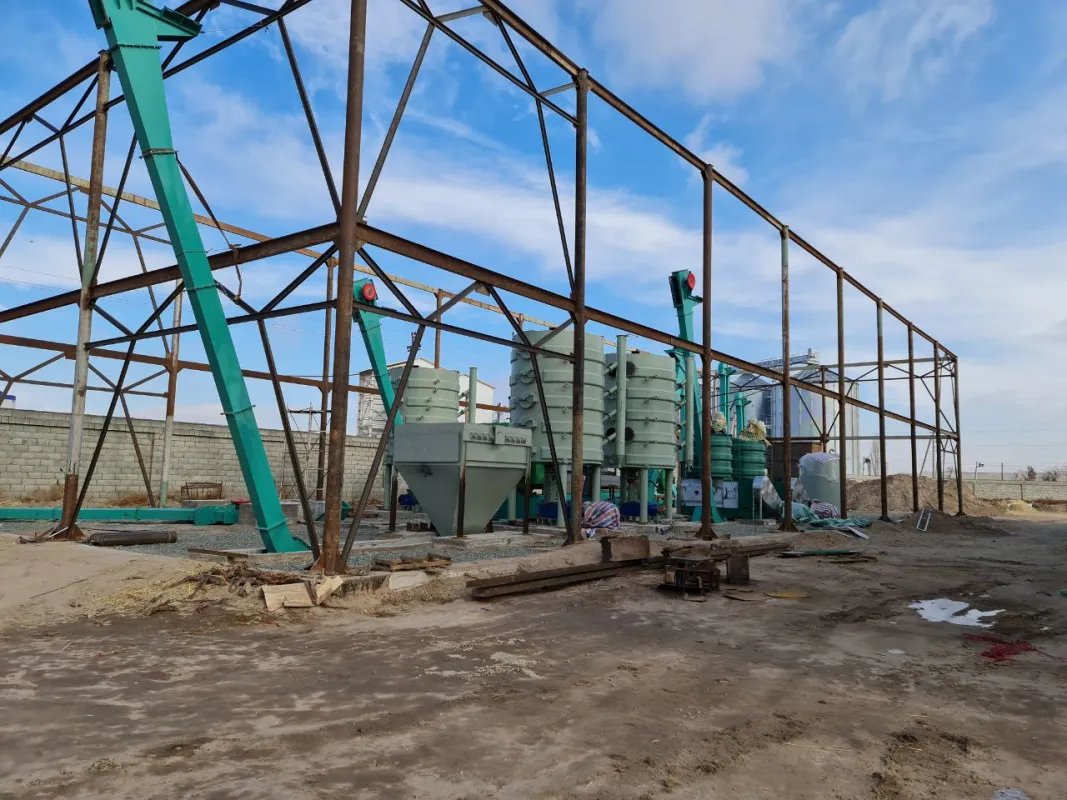
Layout is part of the process design. Good layout shortens conveying distance, simplifies maintenance access, and reduces cross-contamination risks between raw materials and finished products.
Automation should be planned based on local operating capability and quality targets—not simply “higher is better.” The right level helps reduce process variability and improves traceability for B2B operations.
| Automation Topic | Typical Scope | Planning Benefit |
|---|---|---|
| Feeding & dosing control | Stable feed rate, interlocks, alarms | Reduced bottlenecks and manual variability |
| Process monitoring | Temperature/pressure/flow tracking | More stable output and easier troubleshooting |
| Refining control points | Key valves, pumps, filtration and utility interfaces | Consistent refining conditions and smoother operation |
As a grain and oil machinery manufacturer serving global B2B customers, Qi'e Grain and Oil Machinery Co., Ltd. provides equipment and engineering support to help you plan an edible oil production line with consistent process logic and practical site fit.
Qi'e’s product range includes oil pressing equipment, oil production line equipment, and oil refining equipment, supporting integrated line configuration from preparation to refining.
For customers comparing routes, we can also reference typical configurations used in projects involving palm, soybean, sunflower, vegetable oil extraction, and edible oil refining systems—based on your feedstock and site conditions.
If you share your feedstock, target capacity, and local utilities, our team can help you outline a coherent edible oil production line configuration—covering process sections, layout considerations, and equipment matching—so the line is designed for stable production from day one.
Note: Final line configuration should be confirmed based on site data, local regulations, and engineering requirements. Qi'e Grain and Oil Machinery Co., Ltd. provides equipment and technical support within the agreed project scope.