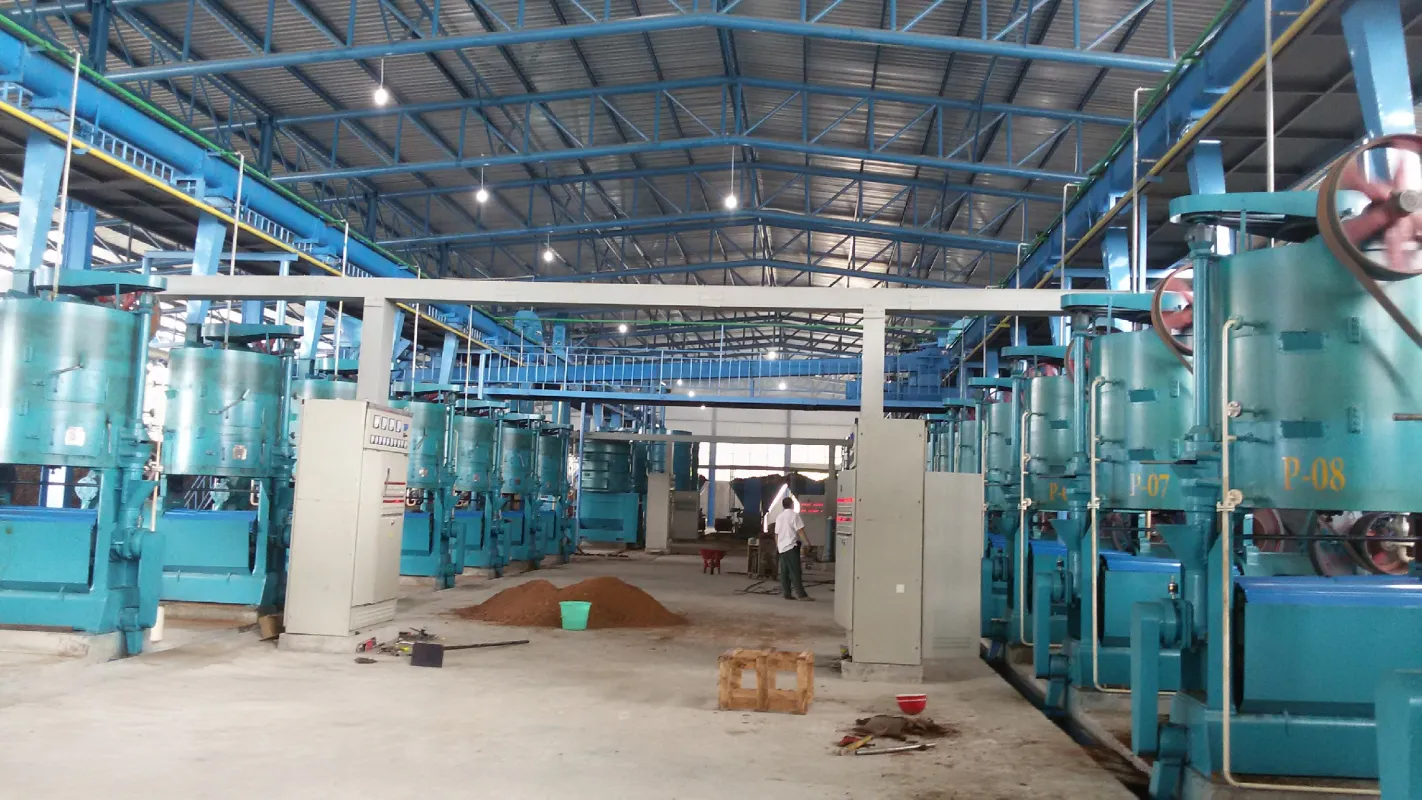
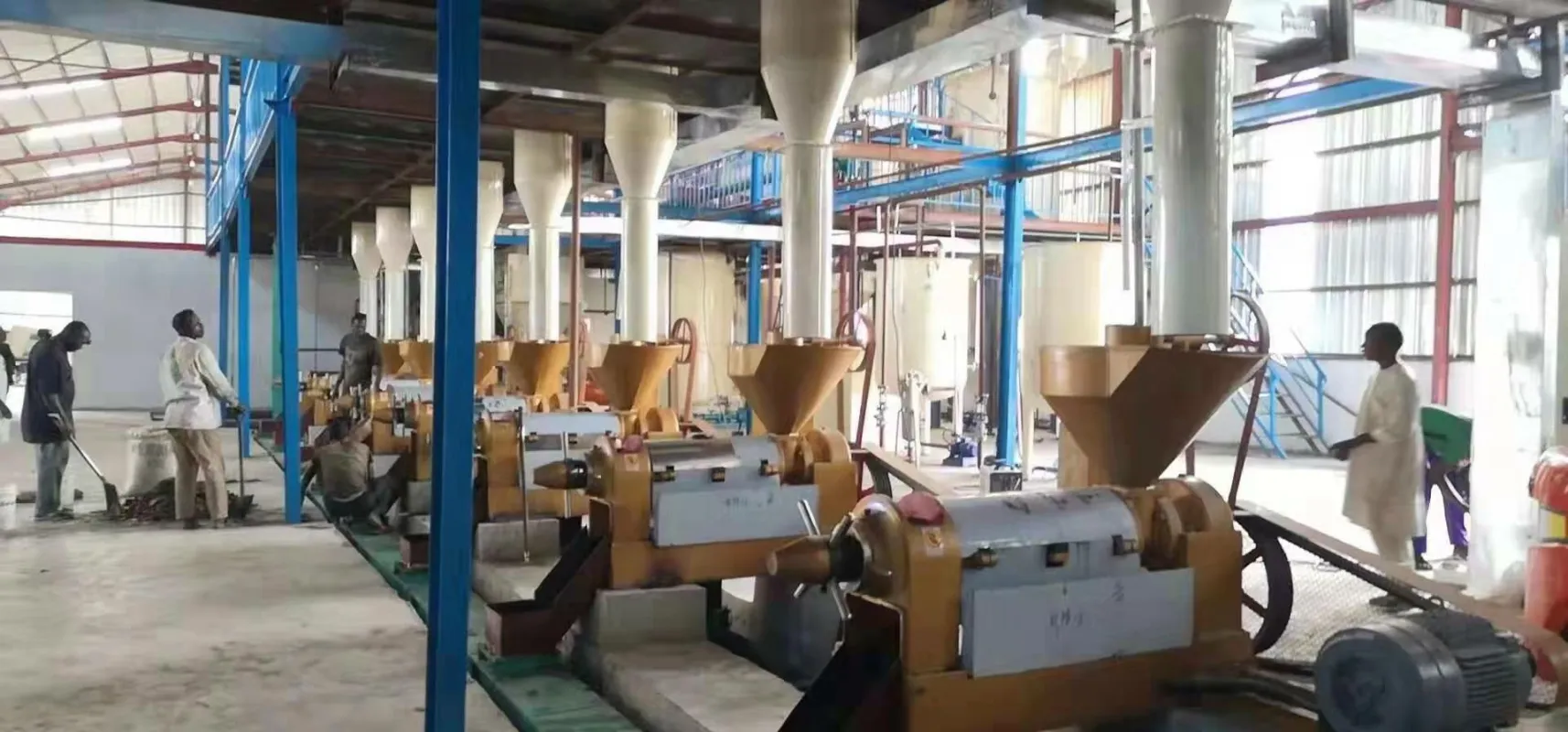
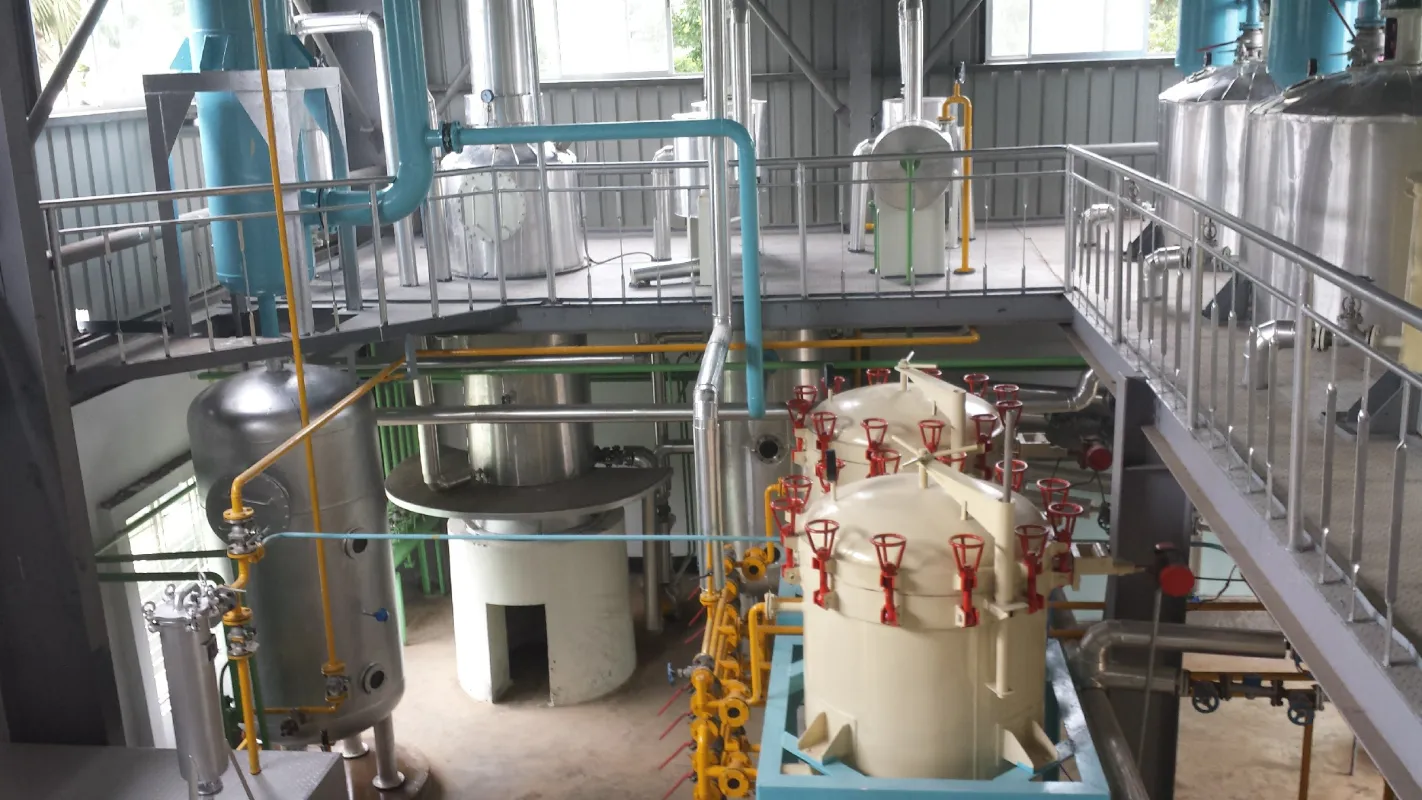
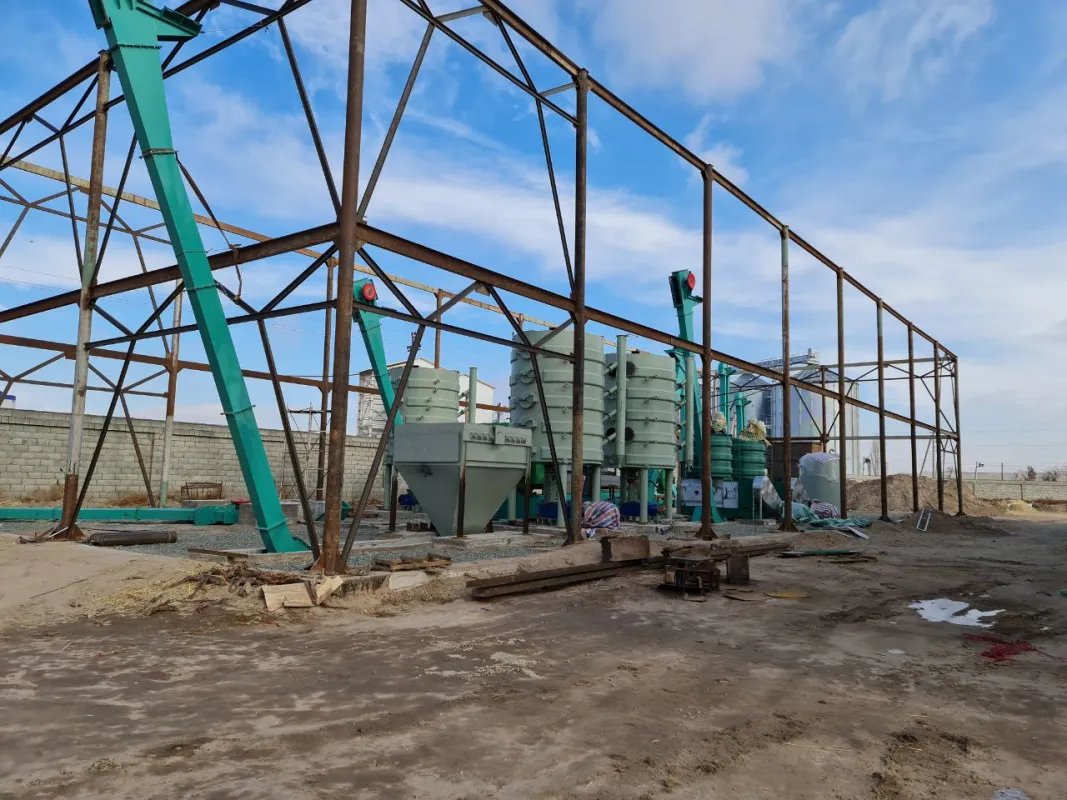
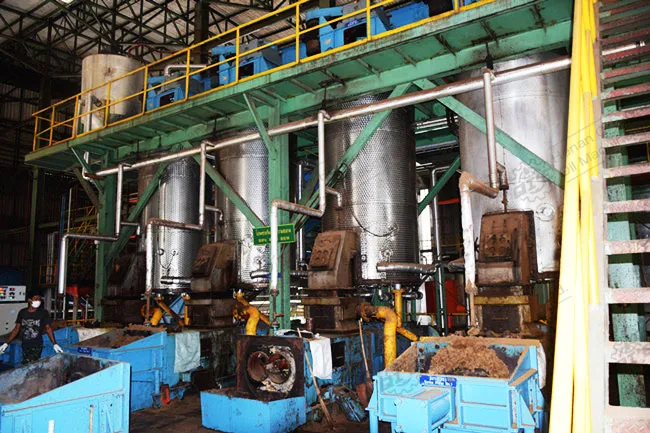
In edible oil plant projects, equipment selection decisions affect not only the initial budget, but also process stability, finished oil quality, uptime, and long-term operating cost. Qi'e Grain and Oil Machinery Co., Ltd. (企鹅集团) supports B2B buyers with oil pressing equipment, oil production line equipment, and edible oil refining equipment—helping procurement and project teams evaluate solutions based on process compatibility and lifecycle service, not just the unit price.
Who this page is for: project owners, procurement managers, EPC teams, and investors planning an edible oil processing plant in Asia, Africa, or South America and comparing oil press & refining equipment proposals.
How to use it: treat each pitfall as a checklist item during RFQ, technical clarification, and line layout review to reduce rework and mismatched purchases.
A common mistake is to select an oil press or extractor purely by advertised price while overlooking the full line requirements—feeding & conveying, cooking/conditioning, filtration, solvent extraction interfaces (if used), utilities, and safety protections. The lowest-priced unit can lead to higher integration costs, lower throughput stability, or frequent stoppages.
Buyer checklist: Ask suppliers to quote a process-based solution with boundary conditions (raw material type, capacity target, product grade targets, utilities available) and clearly list what is included/excluded for installation, commissioning, and operator training.
Different oilseeds (and even the same oilseed from different regions) may require different pretreatment steps and extraction approaches. Selecting a “one-size-fits-all” configuration without confirming oilseed characteristics can cause low oil yield, unstable operation, and inconsistent finished oil quality.
| Evaluation item | Why it matters in selection | Typical checks to request |
|---|---|---|
| Raw material type & cleanliness | Impacts pretreatment, wear, and downtime | Cleaning, dehulling/crushing needs, impurity tolerance |
| Moisture & conditioning approach | Affects pressing stability and cake characteristics | Cooking/conditioning guidance and control points |
| Process route (pressing vs. solvent extraction, or combined) | Determines capex, complexity, and product objectives | Process flow diagram, equipment boundaries, utilities |
| Target oil quality & downstream refining needs | Defines filtration, degumming, bleaching, deodorization expectations | Refining configuration recommendations and scope |
Note: a technically sound supplier should explain why a process route fits your oilseed and project goals, rather than simply offering a standard package.
Automation can improve consistency, but selecting maximum automation without evaluating operator skills, spare parts readiness, local service conditions, and maintenance capability may increase operational risk. In some projects, a balanced control approach provides better long-term reliability.
Some buyers focus heavily on extraction output and treat refining as optional. In practice, edible oil refining equipment is often essential to reach market expectations for clarity, stability, and odor—especially if you plan to sell branded or higher-value finished oil. Mis-scoping the refining section may lead to quality disputes, additional retrofit costs, or limited product positioning.
Qi'e Grain and Oil Machinery Co., Ltd. typically supports buyers by aligning pressing/extraction and refining scope so the overall line runs as one coordinated system.
Even well-built equipment can underperform if installation quality, commissioning steps, and operator training are not planned. Another frequent issue is buying equipment without a clear after-sales service plan—leading to extended downtime when adjustments or parts are needed.
Implementation essentials to confirm in your contract/RFQ:
To reduce selection risk, evaluate each proposal using consistent criteria that reflect long-term operation. This approach helps compare different oil press machines, extraction units, and refining solutions on an equal basis.
| Evaluation dimension | What to look for | Questions to ask |
|---|---|---|
| Process matching | Clear flow, defined boundaries, compatible interfaces between sections | How does this line adapt to our oilseed and capacity plan? |
| Stable long-term operation | Maintainability, wear parts plan, realistic utilities, safe layout | What are common failure points and how are they prevented? |
| Finished oil quality | Refining scope matches quality target; filtration and storage integration considered | What quality targets can the configured refining section support? |
| Lifecycle service support | Installation, commissioning, training, spares, documentation, after-sales plan | What is included from delivery to stable production? |
As a grain and oil machinery manufacturer focused on B2B projects, Qi'e Grain and Oil Machinery Co., Ltd. provides integrated support across oil pressing, oil production lines, and edible oil refining equipment, with an emphasis on reliable engineering and practical service delivery. Our team can assist with solution selection, line configuration discussion, installation coordination, and technical support planning—so equipment choices align with your raw materials, site conditions, and operational readiness.
For RFQs and technical evaluation, prepare your intended oilseed(s), capacity target, available utilities, and desired finished oil positioning. This enables a process-matched proposal and a clearer comparison between suppliers—beyond single-machine price.