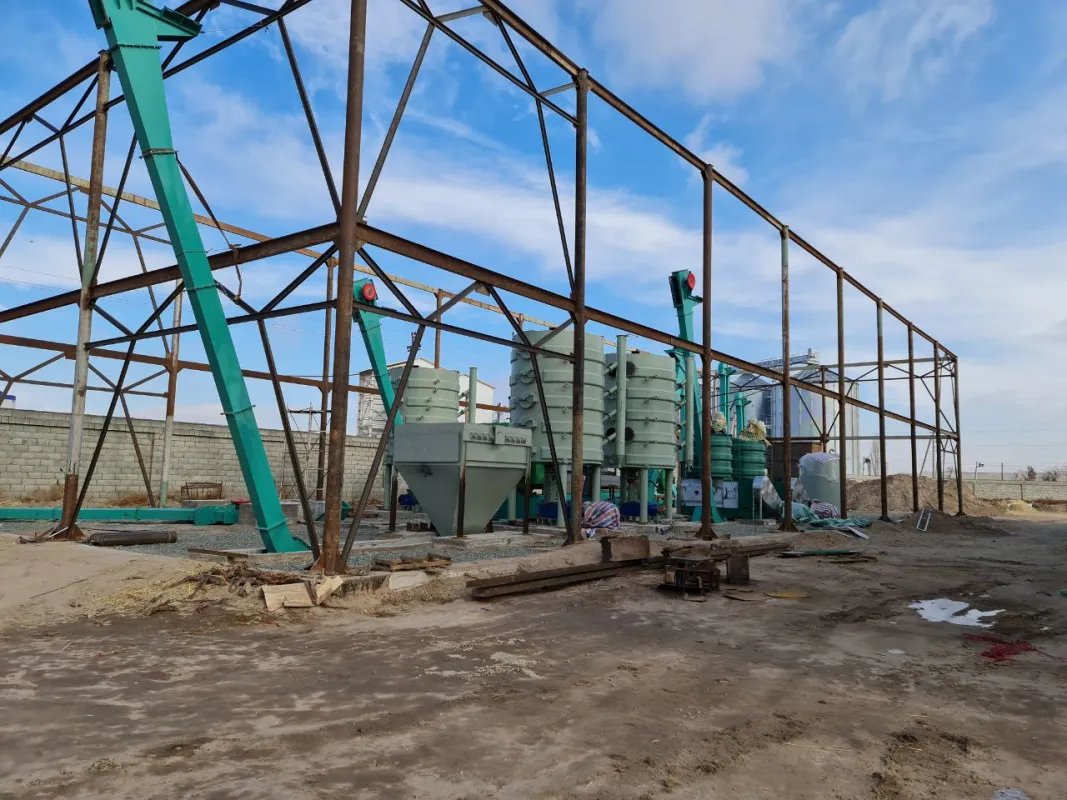
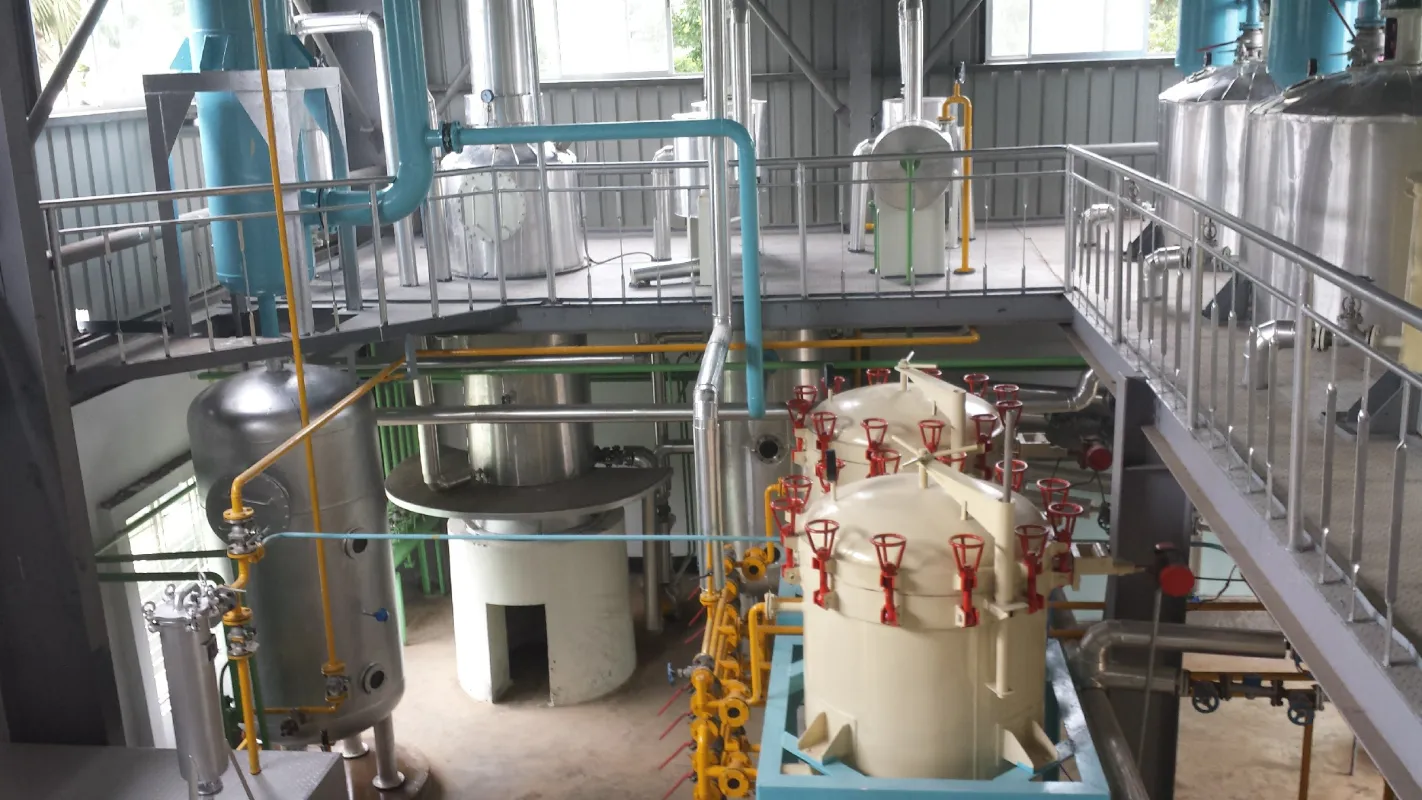
In grain & oil processing, a machinery solution is not a single machine—it is an end-to-end, engineered equipment set that connects oil pressing equipment, an edible oil production line, and edible oil refining equipment with practical engineering support such as process design, installation guidance, and technical service.
Qi'e Grain and Oil Machinery Co., Ltd. (企鹅集团) focuses on grain & oil machinery R&D, manufacturing, sales, and service. This page explains how solution components fit together—especially for corn germ oil production line configurations—and how mills in Asia, Africa, and South America can evaluate matching logic by raw material, target oil quality, and capacity scale.
A complete solution is typically built as a coordinated system. Each module is selected and connected based on the feedstock (e.g., corn germ), the desired product positioning (crude vs. refined edible oil), and the plant’s operating constraints (utilities, labor skill level, footprint, and maintenance plan).
Mechanical extraction equipment is used to release oil from the raw material. In practical projects, this module is planned together with upstream preparation and downstream oil handling to maintain stable operation and consistent output quality.
A production line integrates multiple machines into a coordinated workflow—material feeding, process control, oil collection, and intermediate storage—so the plant can run as a system rather than as disconnected units.
Refining equipment is used when the business requires a more standardized, market-ready edible oil. Refining scope and configuration are determined by the target oil grade, local regulations, and customer quality expectations.
As an example of an edible oil production line configuration, corn germ oil projects focus on balancing energy efficiency, nutrient retention, and stable output. Qi'e Grain and Oil Machinery’s corn germ oil production line is designed around controlled processing and practical operation, with an emphasis on reliable plant start-up and daily running.
High-efficiency production: Modern processing and automation-oriented control help support stable throughput in day-to-day operation.
Energy-saving & environmental focus: Line design considers energy efficiency to help reduce operating consumption in practical use.
Quality-minded process control: A rigorous workflow and quality control orientation support consistent oil quality targets.
Adjustable configuration: Process equipment can be selected and adjusted according to different plant requirements.
Operator-friendly operation & maintenance: Human-centered design supports easier training and routine maintenance planning.
The corn germ oil production line is positioned as a high-efficiency, eco-conscious, and reliable option. Modular design can make installation, operation, and maintenance more convenient and help reduce certain labor and material inputs during implementation.
For B2B buyers, selecting a “solution” means clarifying scope and interfaces. Below is a practical way to structure selection conversations so the final configuration supports production goals without over-building.
Planning tip: For many projects, a modular line approach helps align with budget and timeline—starting with essential extraction and expanding with refining as market requirements evolve (subject to project conditions).
When the goal is to improve operational stability, reduce energy consumption where feasible, and standardize product quality through better process control and equipment coordination.
When launching a greenfield edible oil project, a full-process production line with commissioning and training support can reduce start-up friction and clarify responsibilities across stages.
When the business needs consistent output at a defined capacity scale, with equipment that is maintainable and adjustable for operational realities.
Qi'e Grain and Oil Machinery’s brand approach emphasizes people-oriented service, quality as the foundation, and user-first support—aiming to build long-term cooperation through credible delivery rather than over-promising.
To recommend an appropriate grain & oil processing machinery solution, it helps to share a few project basics:
With these inputs, Qi'e Grain and Oil Machinery can align equipment modules and service scope to your project goals—supporting a practical path from single machines to a full-process edible oil production capability.