A Practical Guide to Selecting Oil Pressing, Solvent Extraction, Refining, and Edible Oil Production Line Equipment
Qi'e Grain and Oil Machinery Co., Ltd. explains how grain and edible oil processors can select oil pressing machines, solvent extraction systems, refining units, and complete edible oil production lines based on raw materials, capacity targets, product standards, automation level, energy use, environmental compliance, and after-sales support.
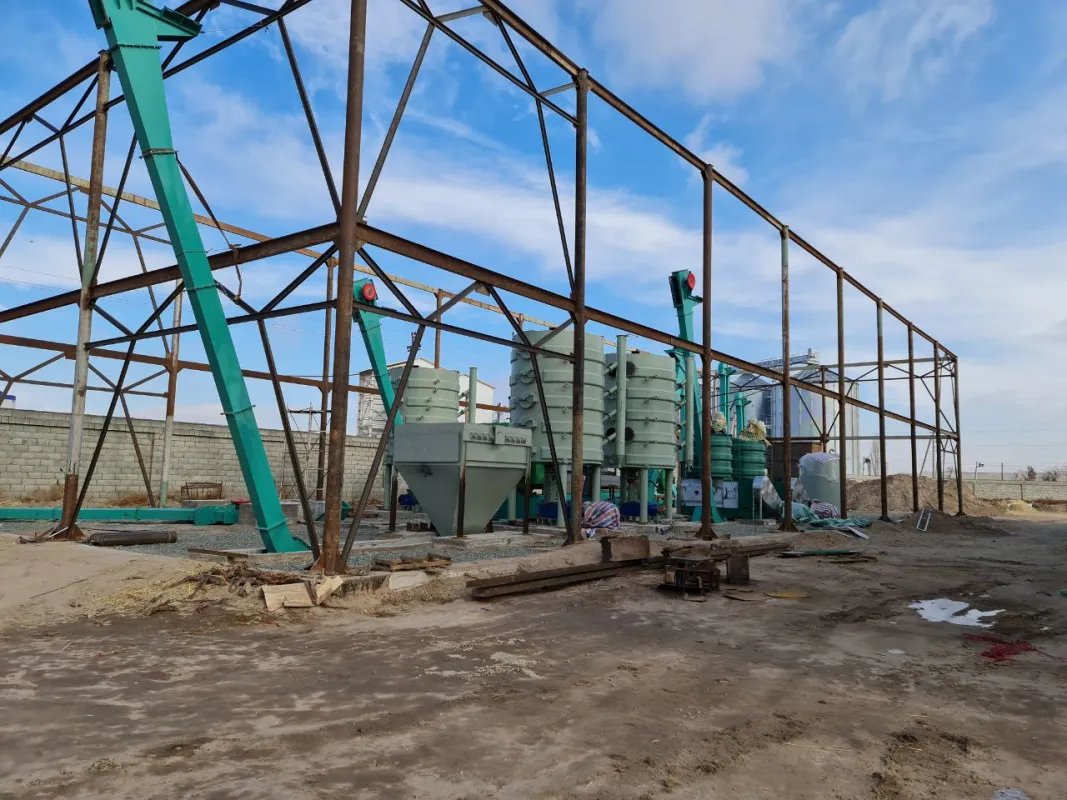
Selecting the right equipment for an edible oil project is a planning decision—not a single machine purchase. At Qi'e Grain and Oil Machinery Co., Ltd. (Penguin Group), we help grain and edible oil processors align oil pressing, solvent extraction, refining, and complete production line configurations with their raw materials, capacity targets, quality requirements, automation level, energy use goals, environmental compliance, and long-term service expectations.
This page focuses on a practical selection method, with a dedicated example for a corn germ oil production line—an application where oil yield, energy efficiency, and nutrition retention are often key project drivers.
What You Should Decide Before Comparing Suppliers
- Raw material profile: seed/germ type, moisture/impurities, variability by season or region.
- Capacity target: desired throughput and shift pattern, plus future expansion expectations.
- Product standard: crude vs. refined oil; target clarity, odor, and stability specifications.
- Automation preference: manual, semi-automatic, or PLC-based control and monitoring.
- Energy & operating costs: electricity/steam consumption goals and utility availability.
- Environmental compliance: emissions control, solvent safety measures (where applicable), wastewater handling.
- Support model: installation guidance, operator training, commissioning, spares, and response time.
A Clear Way to Define Your Process Route
Most edible oil projects can be organized into four connected selections:
- Pre-treatment (cleaning/conditioning as required)
- Pressing and/or solvent extraction (based on oil content and yield goals)
- Oil refining (based on product standard and market positioning)
- Automation & utilities (controls, energy system matching, safety design)
When these four parts are defined early, equipment configuration becomes measurable and comparable.
Selection Criteria for Oil Pressing, Solvent Extraction, and Refining Equipment
| Module |
What to Verify |
Why It Matters |
| Oil Pressing |
Suitable press type for your raw material; stability at target throughput; ease of operation and maintenance. |
Impacts yield stability, downtime risk, and operator dependency. |
| Solvent Extraction |
Solvent safety concept, sealing and recovery design, compliance readiness, and operating discipline requirements. |
Determines safety and environmental performance; affects operating cost and permitting complexity. |
| Edible Oil Refining |
Refining scope aligned with the required product standard; quality control points; energy and utility matching. |
Drives finished oil quality consistency and market acceptance. |
| Complete Line Integration |
Modular layout and installation plan; commissioning approach; training and after-sales service coverage. |
Reduces schedule risk and ensures the line reaches stable operation faster. |
Example: How to Evaluate a Corn Germ Oil Production Line
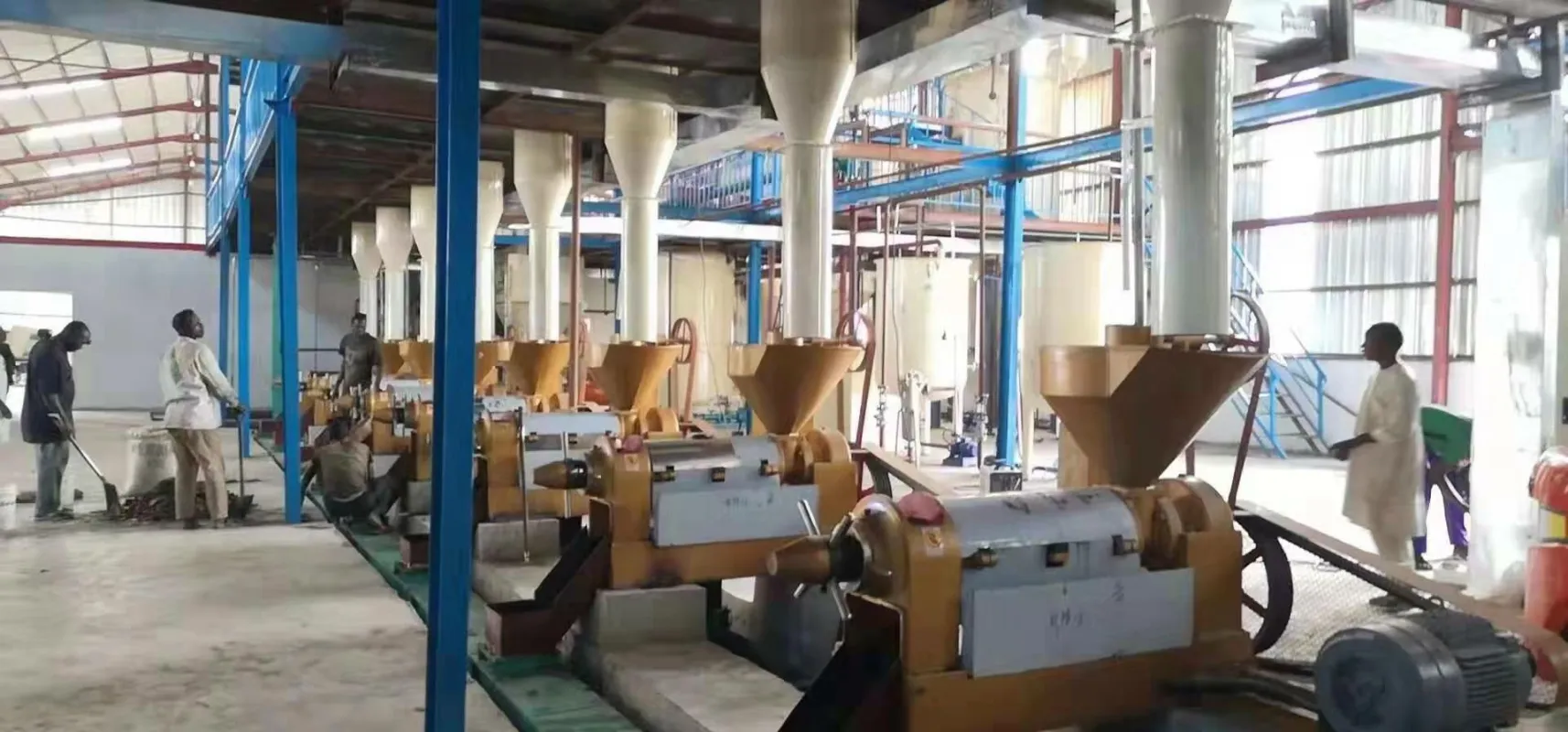
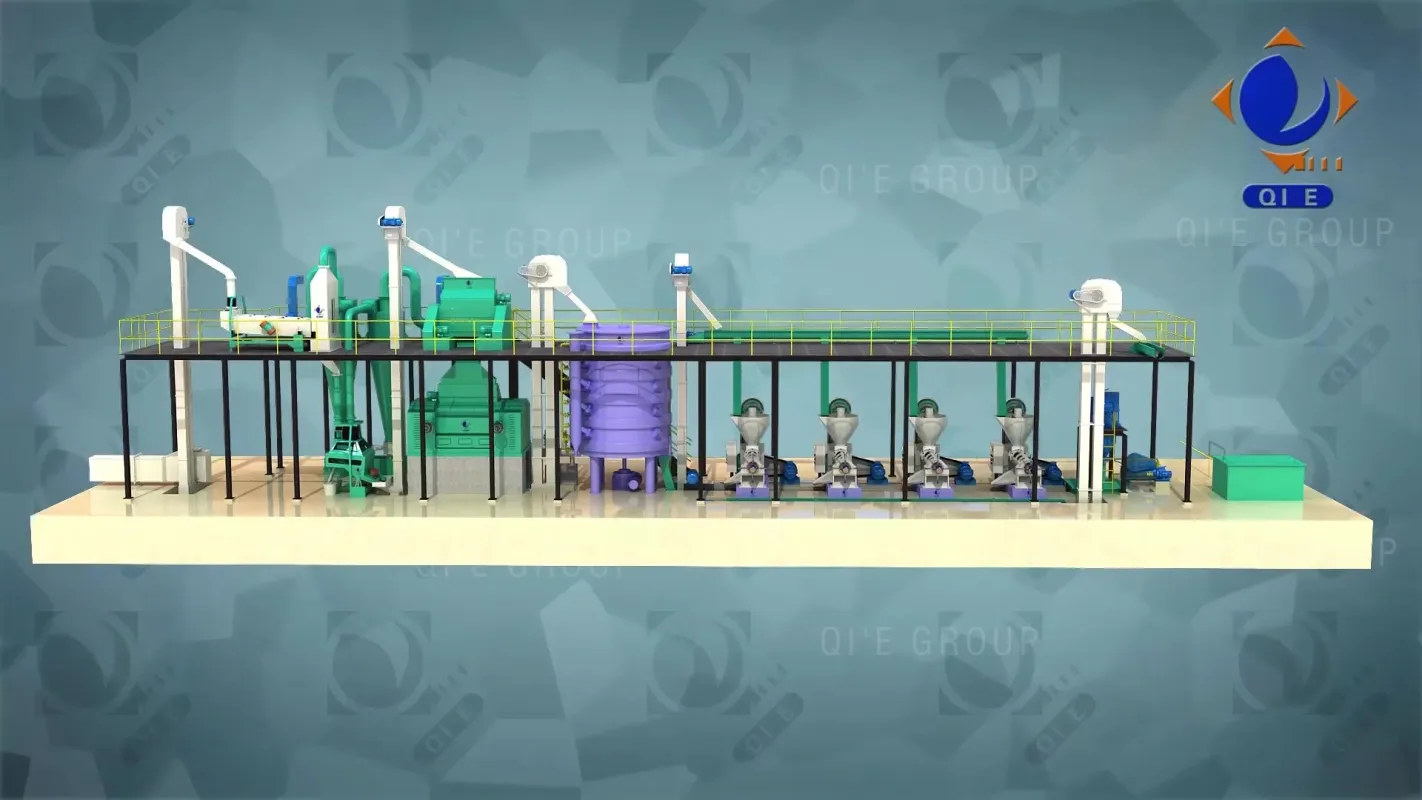
A corn germ oil production line is often selected with two practical goals in mind: energy efficiency and nutrition retention. Qi'e Grain and Oil Machinery Co., Ltd. designs corn germ oil line options that emphasize precise process control, high output with lower energy consumption, and modular equipment architecture for easier installation, operation, and maintenance.
Key Capabilities to Look For
- Efficient, stable production supported by modern processing methods and automation control options.
- Energy-saving design to reduce consumption and operating cost pressure.
- Quality-oriented process control with defined checkpoints to support consistent oil quality.
- Process flexibility with adjustable equipment configuration to match different requirements.
- Operator-friendly maintenance to reduce training time and simplify routine service.
Why Modular Design Matters
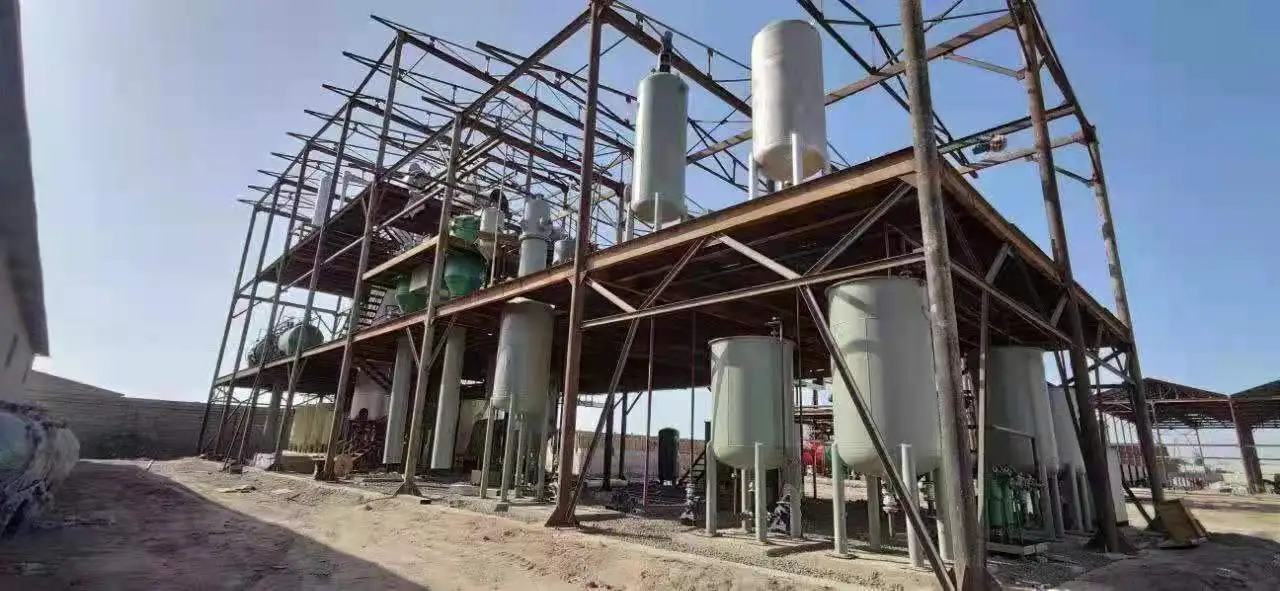
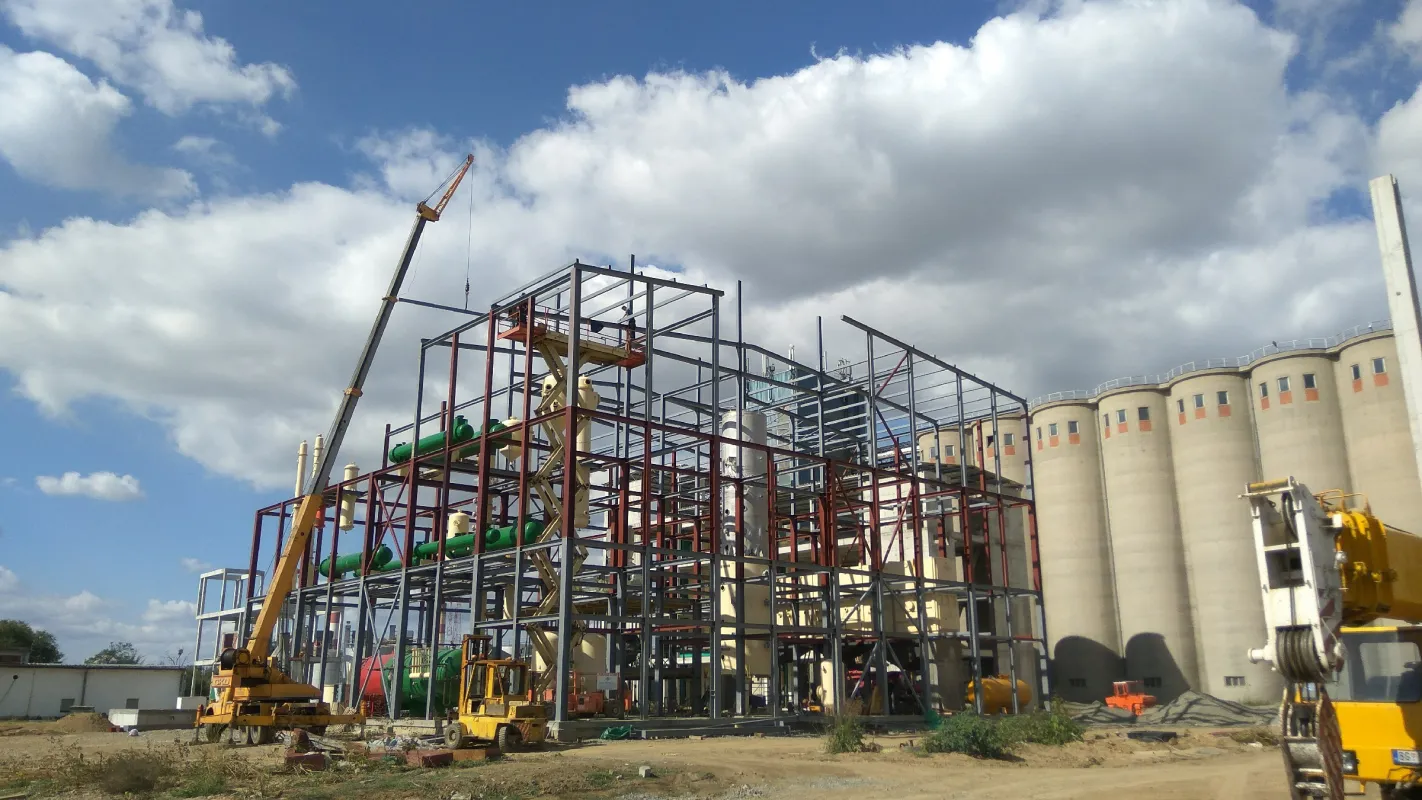
For many projects—especially new plants or emerging-market startups—modularity helps control risk.
- Simplifies installation and commissioning planning.
- Supports step-by-step expansion when capacity increases later.
- Improves serviceability and reduces downtime caused by complex maintenance.
- Helps lower labor and material costs through standardized modules.
For corn germ oil projects, selection should prioritize a configuration that matches your
capacity target and
quality standard while staying aligned with
energy consumption and
environmental compliance requirements. This is where a complete line approach (pressing/extraction + refining + control + service) typically outperforms isolated equipment purchases.
Project Planning Checklist (Used During Quotation & Configuration)
Raw Material & Output
- Raw material type(s) and handling requirements
- Target production capacity and operating hours
- Crude vs. refined oil deliverables
Quality, Energy & Compliance
- Product quality standard and control expectations
- Energy consumption targets and available utilities
- Environmental and safety compliance constraints
Operations & Service
- Desired automation level and operator skill profile
- Installation/commissioning responsibilities and timeline
- Training, spare parts plan, and after-sales response needs
How Qi'e Grain and Oil Machinery Co., Ltd. Supports Your Equipment Selection
As a B2B manufacturer and solution provider for oil pressing equipment, oil production line equipment, and edible oil refining equipment, Penguin Group (Qi'e Grain and Oil Machinery Co., Ltd.) supports project teams through selection-to-startup with practical deliverables:
- Process route clarification based on your raw materials and product positioning.
- Modular configuration proposals that consider installation, operation, and maintenance realities.
- Technical service support, including guidance for installation, operator training, and stable operation after commissioning.
If you are planning a corn germ oil line or evaluating pressing/extraction/refining upgrades, share your raw material details, capacity expectation, and target product standard—our team can help map them to a suitable equipment configuration and service scope.