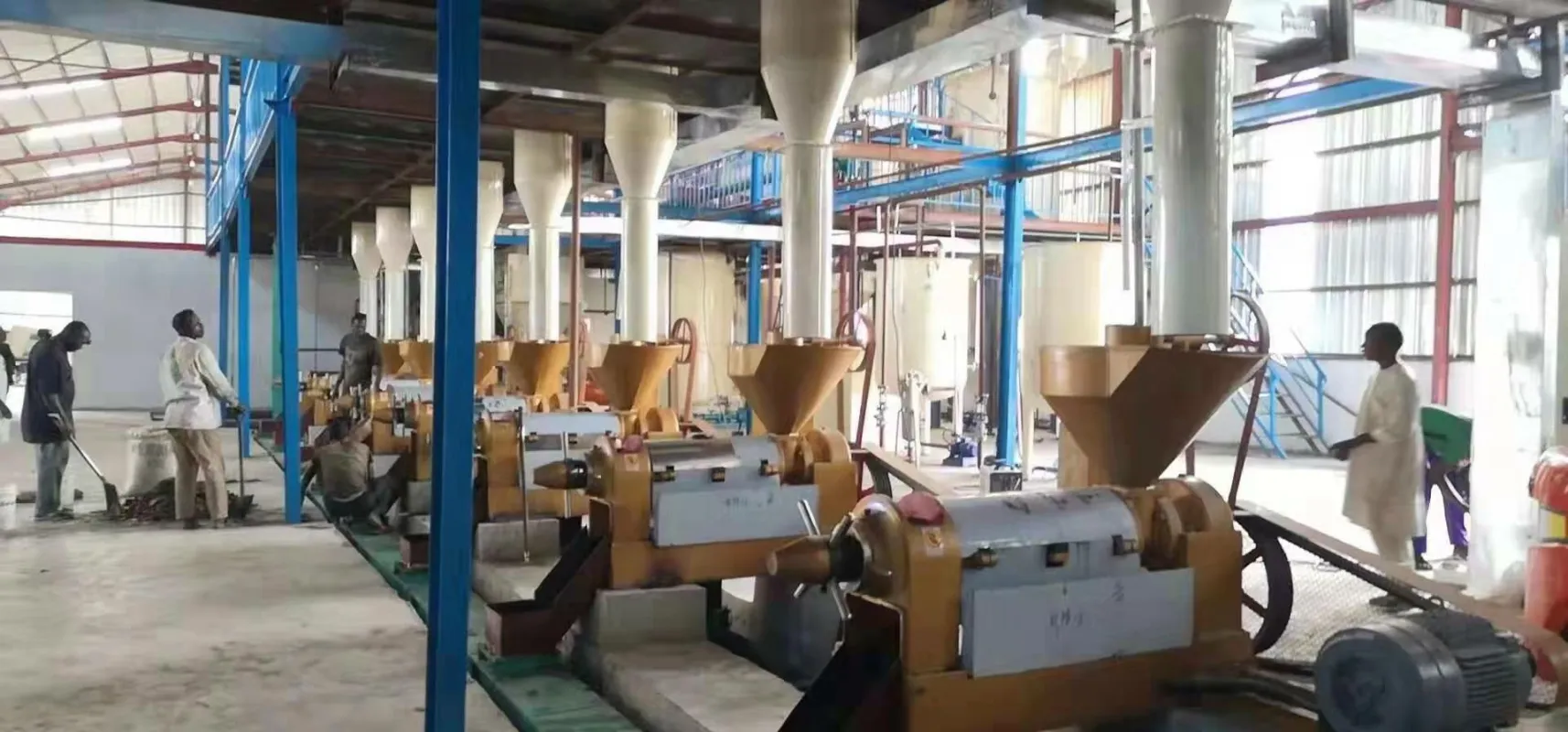
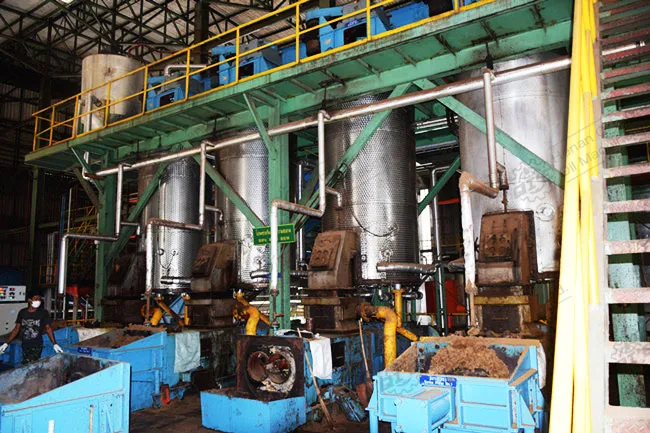
How to Plan an Edible Oil Production Line: A System Guide to Process & Equipment Configuration
Learn how to plan an edible oil production line—from oilseed characteristics and capacity targets to pressing, solvent extraction, refining, and auxiliary equipment selection. This guide also reflects Qi'e Grain and Oil Machinery Co., Ltd.'s integrated capabilities in grain & oil machinery R&D, manufacturing, installation, and technical service.

Planning an edible oil production line is a system engineering task: raw material characteristics determine the feasible process route, capacity targets determine equipment sizing, and finished oil quality targets determine refining depth and auxiliary utilities. This page provides a structured planning guide—while also illustrating how Qi'e Grain and Oil Machinery Co., Ltd. supports full-line solutions through R&D, manufacturing, installation, and technical service.
Who this guide is for
Edible oil producers, grain & oil processors, project investors, and engineering teams evaluating process configuration and equipment selection.
What you will gain
A practical method to define requirements, compare pressing vs. solvent extraction routes, align refining and utilities, and reduce configuration risk.
1) Start with requirements: raw material, capacity, and oil quality targets
- Raw material properties: oil content, moisture, impurities, kernel/husk ratio, and hardness impact pre-treatment, pressing efficiency, and suitability for solvent extraction.
- Capacity targets: define daily/annual throughput, working shifts, and future expansion needs—these drive equipment model selection and buffer/storage sizing.
- Finished oil positioning: target grade and application (food processing, retail, industrial) determine refining depth and quality control points.
- Site conditions: utilities availability (steam, power, water), layout constraints, environmental requirements, and local compliance expectations.
Tip: Clear input requirements (materials + capacity + quality + utilities) reduce redesign cycles and help avoid mismatched equipment sizing.
2) Choose the process route: pressing, solvent extraction, and hybrid options
Pressing line (mechanical oil pressing)
Suitable when a mechanical route is preferred and for materials where pressing is efficient. Key planning points include pre-treatment consistency, press selection, and cake handling.
Solvent extraction line
Often considered when higher oil recovery is targeted and the project scope includes solvent handling and related safety/environmental controls. Planning must include extraction, desolventizing, and solvent recovery.
Hybrid route (pre-press + extraction)
A common configuration that balances mechanical pressing with downstream extraction for improved overall efficiency. Equipment interfaces and material transfer stability are core design concerns.
3) Define the core modules: from pre-treatment to refining
| Module |
Planning focus |
Typical outputs |
| Raw material handling & cleaning |
Impurity control, stable feeding, dust management, storage and conveying strategy |
Cleaner feedstock, reduced wear, more stable process |
| Pre-treatment (conditioning) |
Moisture/temperature control, flaking/crushing strategy, controllability |
Improved pressing/extraction performance, consistent quality |
| Pressing / Extraction |
Route selection, capacity matching, automation level, safety & solvent controls (if applicable) |
Crude oil + meal/cake byproduct streams |
| Oil clarification & filtration |
Sedimentation/filtration approach, sludge handling, maintenance accessibility |
Cleaner crude oil for stable refining |
| Edible oil refining |
Refining depth aligned to oil quality targets; integration with utilities and quality control |
Refined edible oil meeting target specification |
4) Don’t overlook utilities & auxiliaries: the “hidden” drivers of stability
Utilities to plan early
- Power distribution and peak load considerations
- Steam / thermal energy matching for heating needs
- Water supply, treatment, and wastewater interfaces
- Compressed air and instrumentation needs
- Ventilation, dust control, and housekeeping design
Why this matters
Even with the right pressing/extraction and refining equipment, unstable utilities can cause bottlenecks, inconsistent quality, and higher operating workload. A complete line plan aligns process modules with utilities from day one.
5) Example configuration: Corn Germ Oil Production Line (modular, energy-conscious)
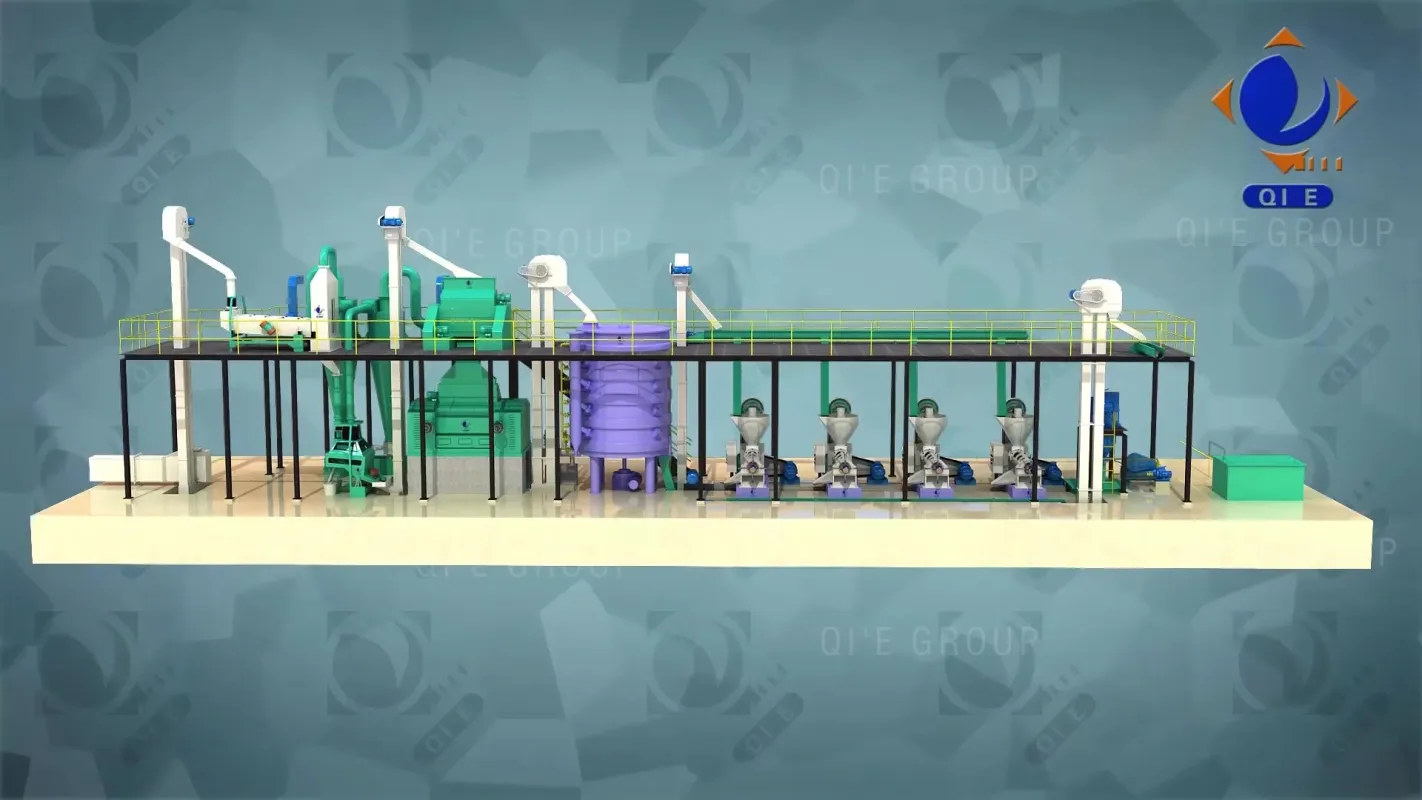
As a practical reference within edible oil production line planning, Qi'e provides a Corn Germ Oil Production Line designed with a focus on energy efficiency and nutrient retention, while keeping installation and maintenance manageable through modular equipment design.
Key characteristics (as provided)
- High-efficiency production: modern process route with automation control for stable output
- Energy saving & eco-minded: design considers reduced energy consumption and operating cost
- Quality-oriented: process discipline and quality control to support high-quality corn germ oil
- Flexible configuration: adjustable process equipment to fit different project needs
- Easy operation & maintenance: human-friendly design for training and daily upkeep
How to use this as a planning template
- Define corn germ input specs and desired daily throughput
- Select pressing/extraction route consistent with your site utilities and compliance needs
- Set refining objectives based on finished oil market positioning
- Choose modular sizing for phased investment and easier commissioning
- Lock in auxiliary systems (power/steam/water) before final layout approval
Note: Specific capacity and equipment model selection should be finalized based on your raw material analysis, target throughput, and local utility conditions.
6) Equipment selection checklist to reduce configuration risk
- Capacity matching: each module’s rated capacity should align to avoid bottlenecks.
- Process controllability: define key control points (temperature, moisture, flow, vacuum/pressure where applicable).
- Quality control points: clarify where sampling and inspection occur across pressing/extraction and refining.
- Maintenance access: layout allows safe access for wear parts and routine service.
- Utilities readiness: verify power/steam/water demand vs. site supply early.
- Expansion path: consider modular or staged installation if future capacity growth is planned.
Qi'e Grain and Oil Machinery: integrated support from planning to commissioning
Qi'e Grain and Oil Machinery Co., Ltd. focuses on grain & oil machinery for B2B customers, covering oil pressing equipment, edible oil production line equipment, and edible oil refining equipment. For projects in Asia, Africa, and South America, our role can include:
- Process route discussion based on raw material and product objectives
- Equipment configuration proposal and line layout coordination
- Manufacturing, delivery planning, installation guidance, and technical service
Information to prepare for consultation
- Oilseed type(s) and expected impurity/moisture range
- Target throughput and working schedule
- Desired finished oil application and quality target
- Available utilities and site footprint
If you are planning a complete edible oil production line—or evaluating a corn germ oil production line with modular configuration and energy-conscious design—Qi'e can help you translate requirements into a clear process and equipment configuration roadmap.