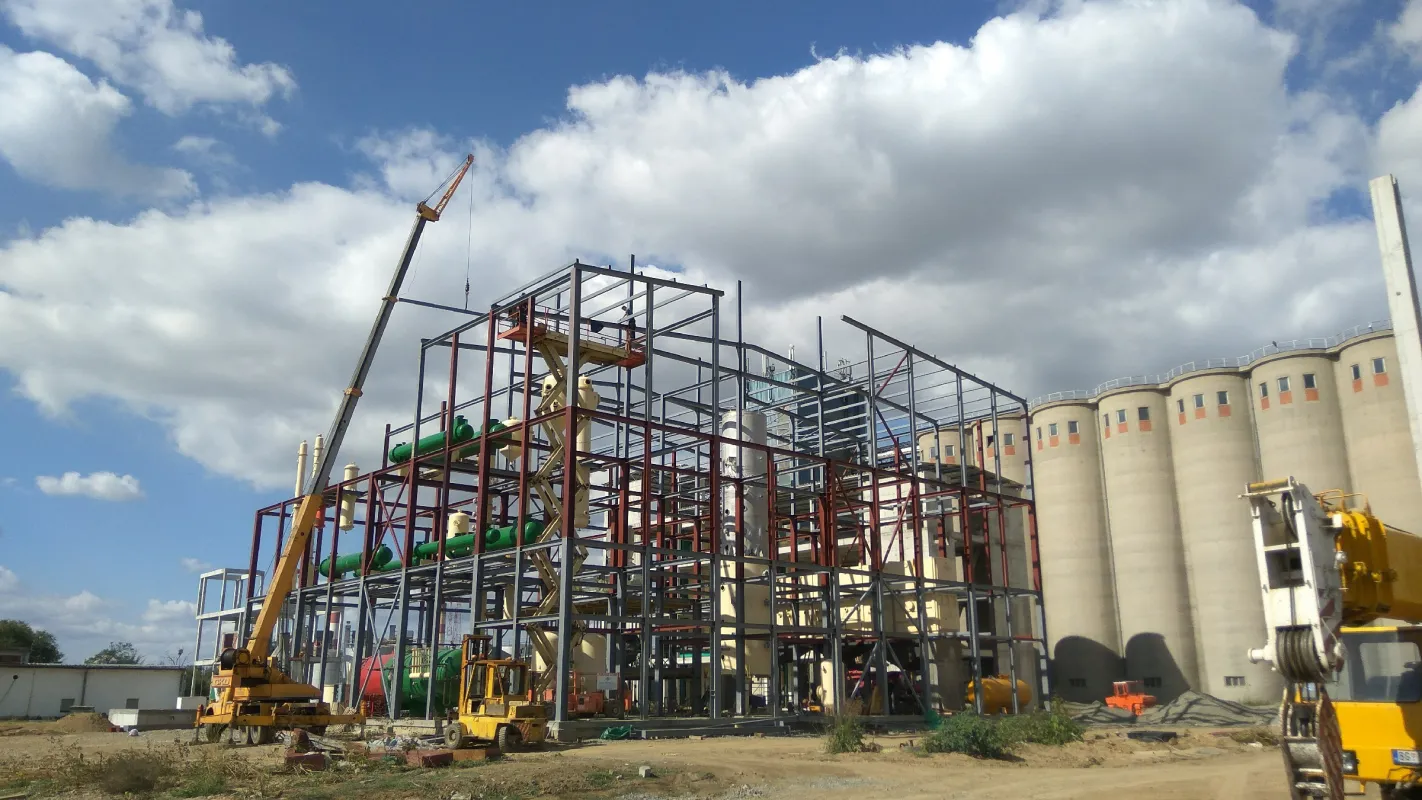
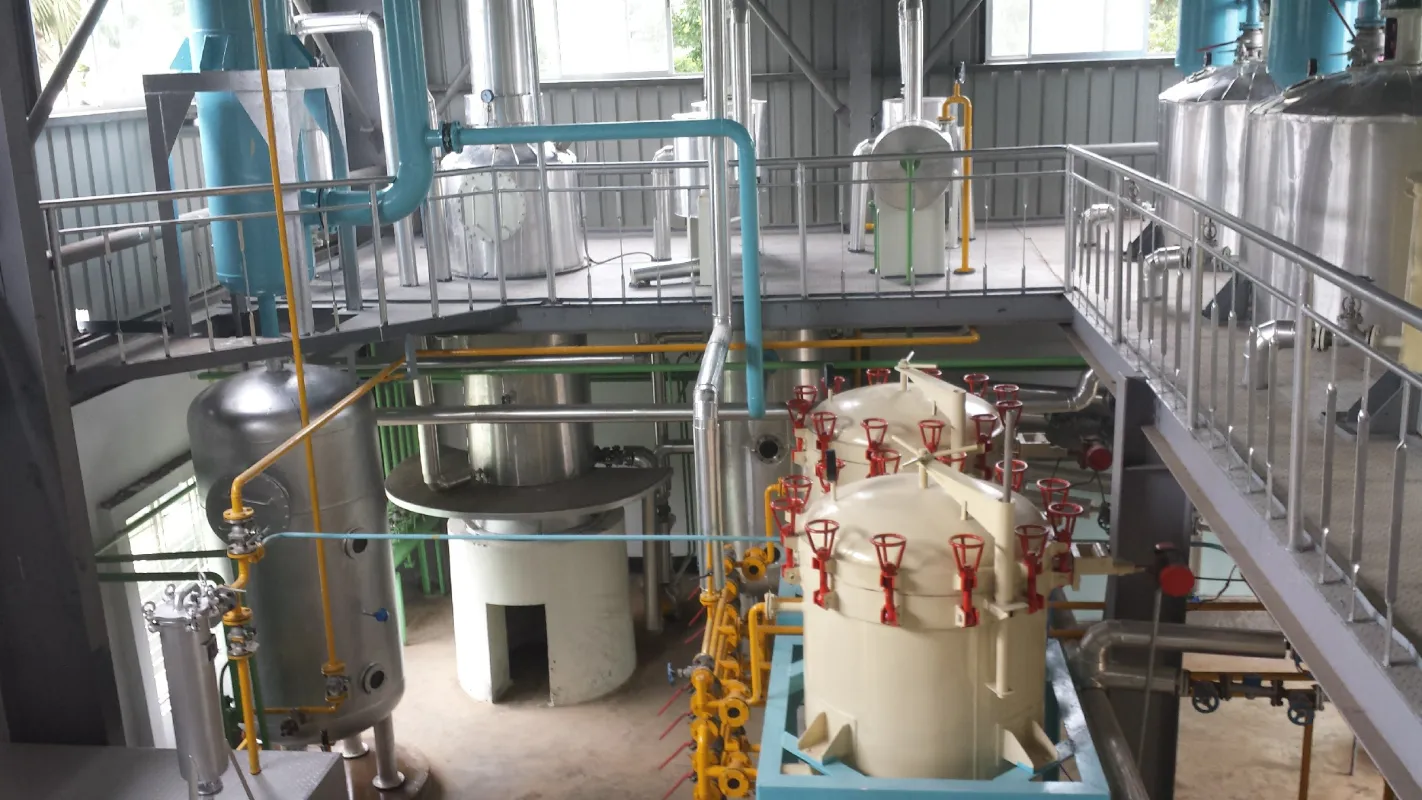
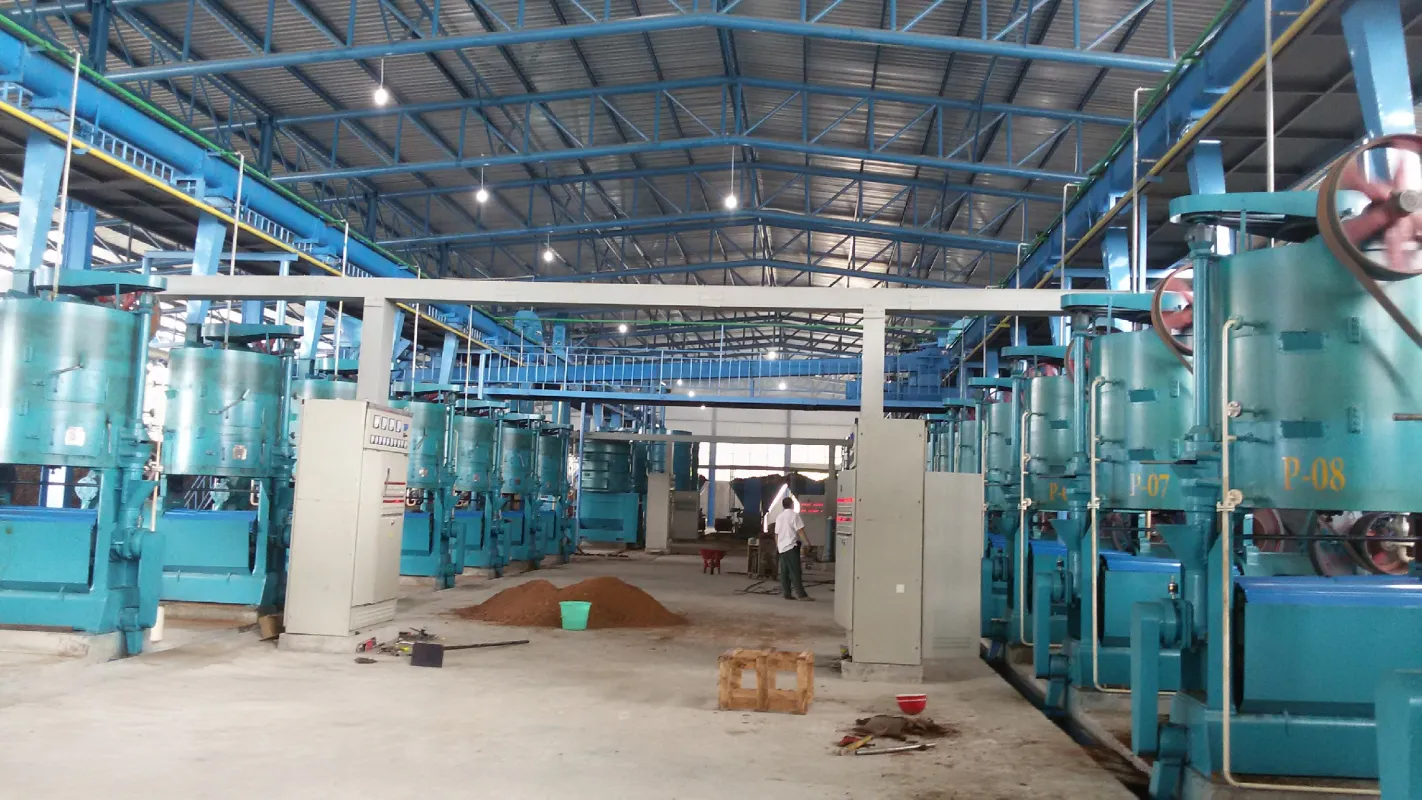
In overseas markets for grain & oil machinery—especially across Asia, Africa, and South America—competition is rarely decided by price alone. For B2B buyers running edible oil projects, the real risk is not the initial procurement cost; it is the total lifecycle stability of the production line: installation execution, operator readiness, spare parts continuity, and long-term technical support.
This page explains the practical decision logic behind overseas supplier selection and why long-term service capability and end-to-end solution capability are increasingly the true differentiators—an approach consistently emphasized by Qi'e Grain and Oil Machinery Co., Ltd. (企鹅集团) in its export-facing cooperation model.
Core insight for overseas projects: as equipment categories become more standardized, buyers compare suppliers by who can keep the line running over years—through responsive support, clearer responsibility boundaries, and practical guidance from selection to commissioning and operation.
In real procurement scenarios, buyers often weigh several variables together. Price is a factor, but it is rarely the only one—especially for projects involving oil pressing, solvent extraction, and edible oil refining where process stability and compliance are essential.
| Decision factor | What the buyer is trying to avoid | What “good” looks like in practice |
|---|---|---|
| Price | Hidden costs, rework, downtime and repeated purchases | Transparent scope, clear configuration, and realistic commercial terms |
| Equipment quality | Unstable performance and early wear impacting output and reliability | Stable operation under local conditions and consistent manufacturing control |
| Delivery & execution | Schedule slippage, incomplete shipments, poor coordination on-site | Clear delivery plan, documentation readiness, and on-site installation guidance |
| After-sales support | Long troubleshooting cycles and production losses | Structured support process, spare parts planning, and remote technical response |
| Brand credibility | Unclear responsibility, weak cooperation continuity | Reliable communication, consistent commitments, and long-term cooperation mindset |
For overseas edible oil processing projects, the supplier’s long-term service capability directly influences operational continuity. In practice, buyers often encounter challenges that cannot be solved by a low upfront price:
Practical takeaway: the “cheapest” option can become the most expensive if service, delivery execution, or technical support is insufficient to keep the line stable over time.
In overseas markets, buyers increasingly prefer suppliers who can support the full project journey—from selection to installation guidance and ongoing technical support. For Qi'e Grain and Oil Machinery Co., Ltd., this “solution capability” is typically reflected in structured cooperation steps such as:
Confirm raw material type and project objectives, then propose a suitable configuration across oil pressing equipment, oil production line equipment, and/or oil refining equipment.
Align interface details for installation and commissioning, and prepare practical documentation to reduce execution friction across borders.
Provide technical guidance to help the project move from “equipment delivered” to “line running steadily,” with attention to operator use and process stability.
Establish a support path for troubleshooting, maintenance coordination, and spare parts planning—aiming to keep production predictable over the lifecycle.
Long-term service is not an abstract promise—it is the ability to reduce uncertainty when real-world conditions vary. In overseas projects, service value often shows up in scenarios like:
When evaluating grain & oil machinery export suppliers, consider asking questions that reveal their long-term service capability—without relying on slogans:
Qi'e Grain and Oil Machinery Co., Ltd. (企鹅集团) is a specialized manufacturer focused on oil pressing equipment, oil production line equipment, and edible oil refining equipment, serving B2B customers in overseas markets. With exports reaching multiple regions including Asia, Africa, and South America, the company emphasizes technology-driven manufacturing, quality control, and service continuity as foundations for long-term cooperation.
If you are planning a new edible oil project or upgrading an existing line, a service-oriented evaluation—covering selection, delivery execution, installation guidance, and ongoing technical support—can be a more reliable way to reduce lifecycle risk than focusing on price alone.
Cooperation direction: grain & oil machinery export projects that value long-term service capability and end-to-end solution capability.