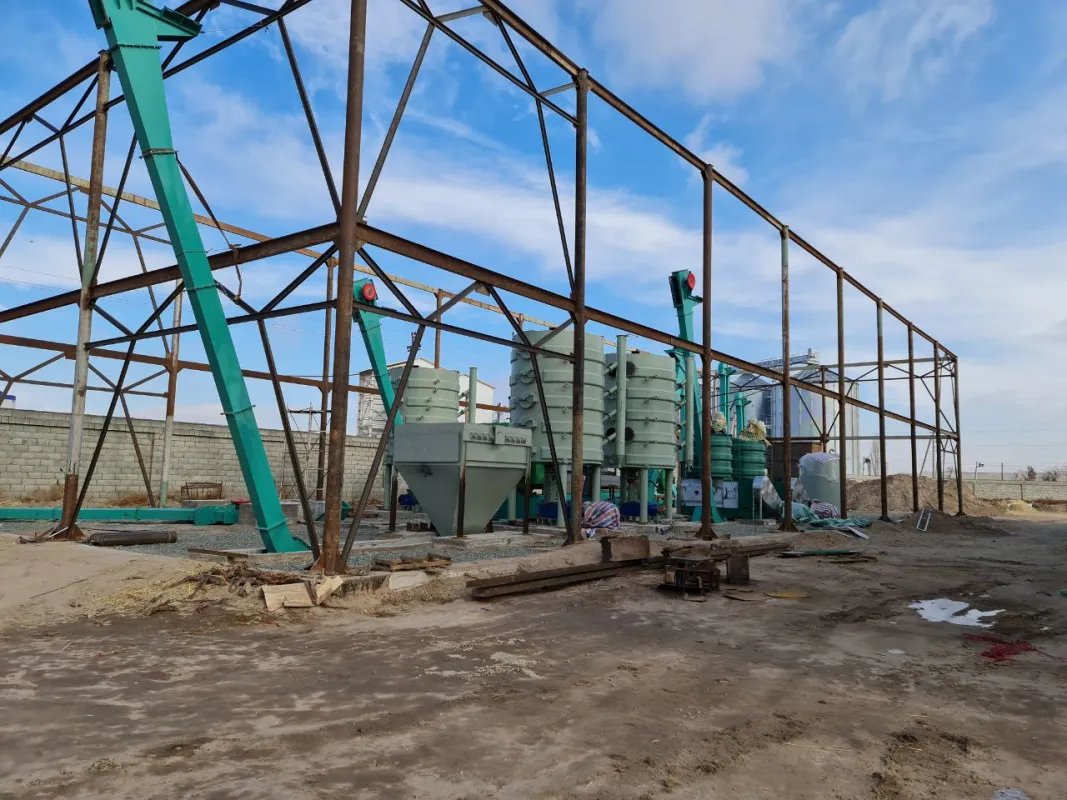
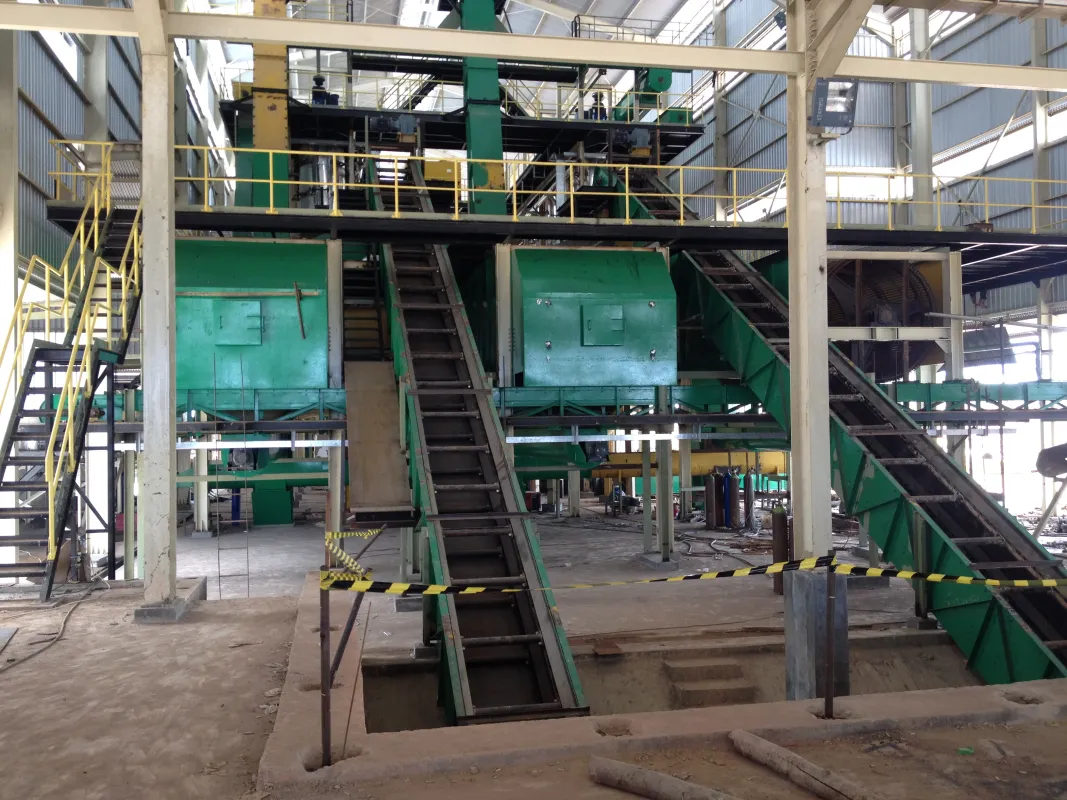
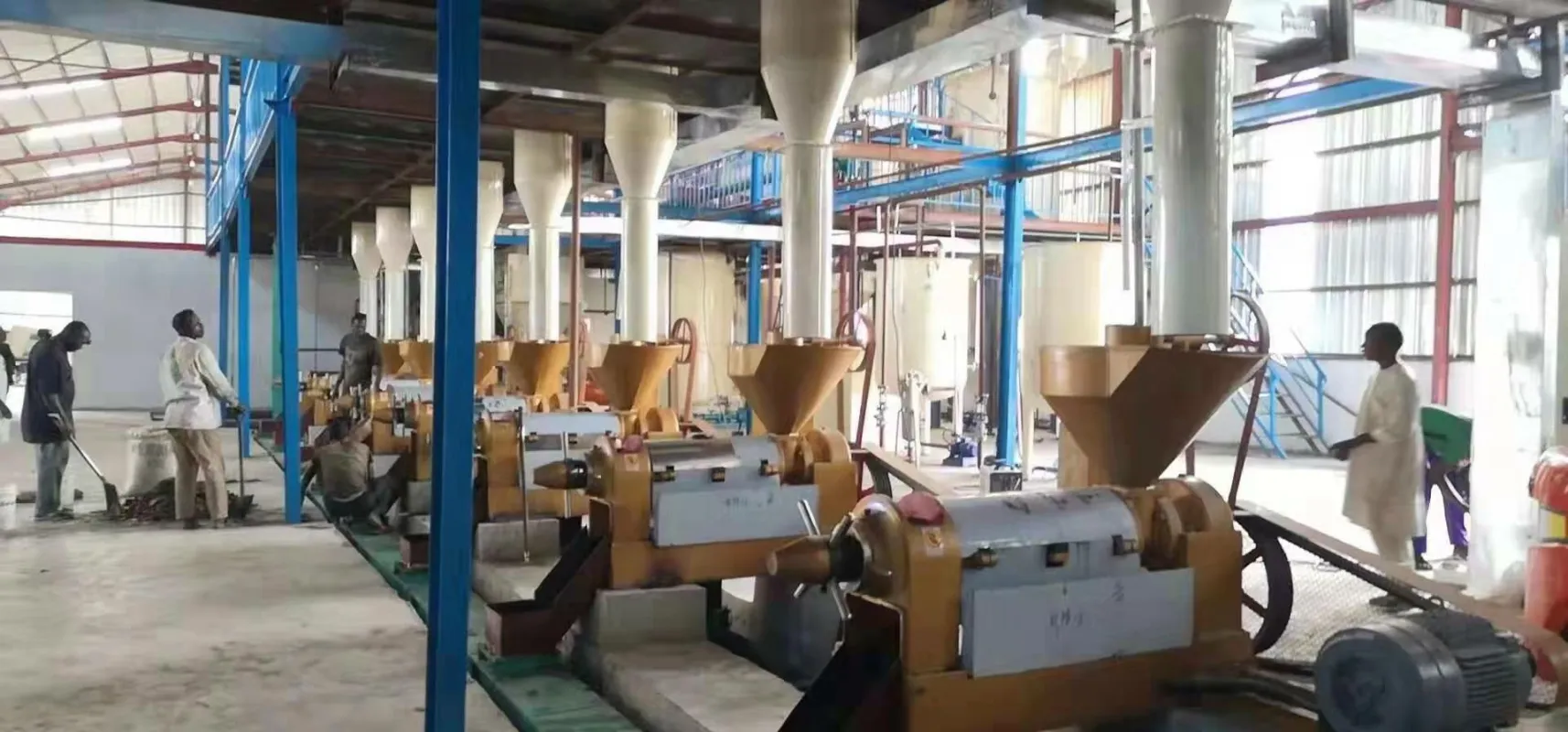
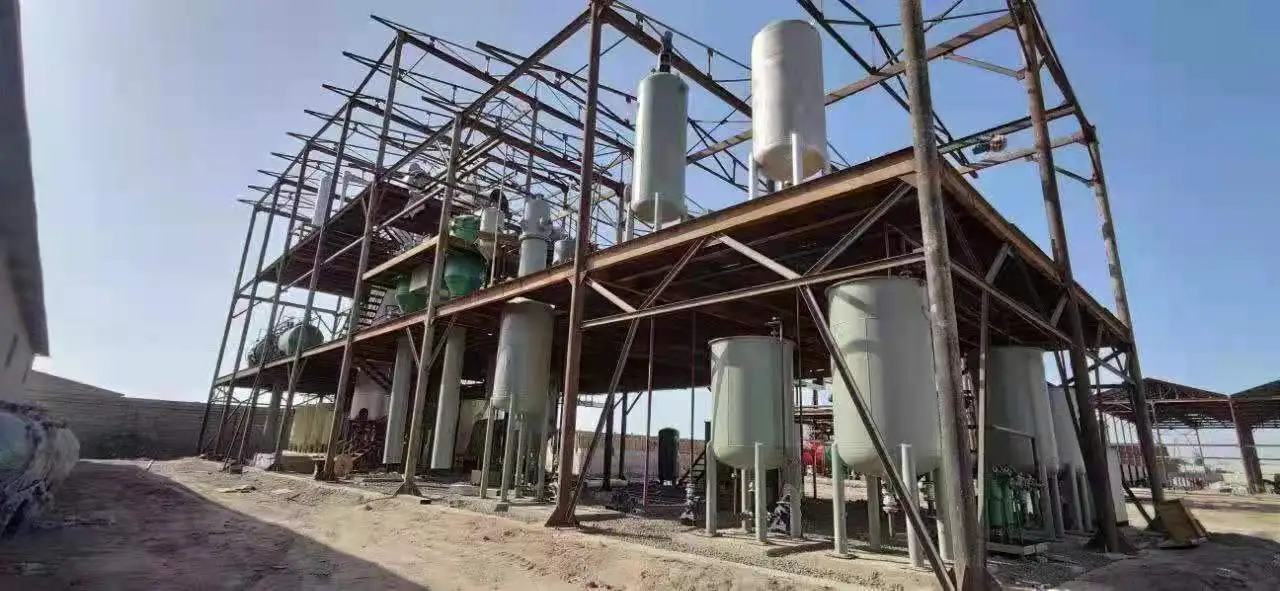
Building an oil mill plant (pressing, extraction, and/or refining) is not only about buying a few machines—it’s an engineering system involving raw material characteristics, capacity definition, process integration, layout, utilities, compliance, and start-up support.
This practical guide from Qi'e Grain and Oil Machinery Co., Ltd. (企鹅集团) summarizes 8 often-overlooked issues that can cause delays, rework, unstable commissioning, or long-term operating inefficiencies—plus checklists you can use for supplier evaluation, technical confirmation, installation, commissioning, and training.
A low quoted price can hide critical gaps: missing upstream/downstream equipment, insufficient automation, non-standard materials, incomplete documentation, or limited commissioning support. For B2B projects, the real metric is stable output at target quality after start-up.
Different oilseeds and feedstocks vary in moisture, impurities, oil content, hardness, and fiber—affecting cleaning, dehulling, flaking, cooking/conditioning, and pressing/extraction performance. If pre-treatment is underconfigured, you may see lower yield stability, higher wear, or off-spec crude oil.
Confirm early: feedstock type(s), seasonal variability, impurity level, moisture range, and storage/handling conditions.
Translate to design: cleaning stages, dehulling/cracking choice, conditioning targets, and material conveying method.
Capacity should be defined with clear assumptions: operating hours per day, planned downtime, cleaning and changeover, maintenance windows, and upstream supply rhythm. Without that, plants may be oversized (wasting capex) or undersized (creating bottlenecks and overtime).
Recommended definition approach: set target throughput → define effective operating hours → apply realistic utilization → size key equipment (press/extractor/refinery) with balanced margins.
Oil mill projects fail quietly when the line is not matched: inconsistent conveying capacity, wrong buffer bin sizing, uncoordinated temperature/conditioning steps, or incompatible control logic. Integration issues usually appear during commissioning—when fixes are slow and expensive.
Refining is often added later—yet crude oil characteristics, target edible oil specs, and product positioning determine the right configuration. A mismatch can lead to quality instability, higher consumables, or operational complexity.
| Refining decision point | What to confirm before design freeze |
|---|---|
| Capacity matching | Press/extraction output vs. refinery throughput and storage/buffer strategy |
| Product goals | Target edible oil grade/specs, color/odor expectations, packaging and shelf-life requirements |
| Utilities & consumables | Steam, vacuum, cooling water, power, and handling of soapstock/bleaching earth and wastewater |
| Operability | Instrumentation, sampling points, cleaning plan, and training needs for operators |
Layout is often finalized too late. Poor spacing, unclear material routes, or neglected maintenance access can increase contamination risk, slow troubleshooting, and raise operating costs.
Layout basics: clear zones for raw material, processing, finished oil, and by-products.
Maintenance access: lifting points, service platforms, and safe walkways.
Future expansion: reserved space for additional presses, tanks, or refining stages.
Many commissioning delays come from non-core systems: insufficient power distribution, unstable steam/vacuum, inadequate cooling water, poor ventilation/dust control, or incomplete wastewater/by-product handling. These are essential for stable, compliant operation.
Tip: treat utilities and environmental provisions as part of the process scope—include them in the same technical review and timeline, not as “later civil works”.
Even good equipment needs correct installation, commissioning, and operator readiness. If training is superficial or documentation is incomplete, plants may run inconsistently, with higher downtime and higher consumable use.
Inputs: feedstock, impurities/moisture range, target products, packaging/storage needs.
Line matching: capacity balance, buffer strategy, conveying selection, tank sizing.
Utilities: power, steam, vacuum, cooling water, ventilation/dust control, wastewater.
For smoother handover, define acceptance criteria in writing (what “ready for production” means) and keep a commissioning log for parameter tuning and training notes.
Qi'e Grain and Oil Machinery Co., Ltd. (企鹅集团) focuses on grain & oil machinery including oil pressing equipment, oil production line equipment, and edible oil refining equipment. For B2B buyers, we emphasize practical engineering alignment—from technical scheme confirmation and layout coordination to installation guidance, commissioning support, and operator training—so that equipment is delivered as a workable production system.
If you are preparing a new plant or expansion in Asia, Africa, or South America, this checklist can be used as your internal review tool to reduce project risks and improve start-up readiness—before decisions become costly to change.