Selecting an Oil Pressing Production Line: Matching Feedstock, Capacity, Process & Automation
Qi'e Grain and Oil Machinery Co., Ltd. explains how to choose an oil pressing production line by aligning feedstock type, daily capacity, process route, automation level, and environmental requirements—helping buyers build a clear selection framework before solution discussions.
Choosing an oil pressing production line is not just about selecting a press machine—it is a system decision that should align with your feedstock type, target daily capacity, process route, automation level, and environmental compliance requirements.
This page provides a practical matching framework for buyers planning a new plant or capacity expansion, so discussions with Qi'e Grain and Oil Machinery Co., Ltd. can start with clear inputs and lead to an efficient, fit-for-purpose configuration.
1) Start with feedstock: the key driver of process and equipment configuration
Different oil-bearing materials behave differently in cleaning, preparation, pressing, and downstream separation. Before selecting equipment, define what you will process now—and what you may add later.
Feedstock definition checklist
- Primary material(s) (e.g., soybean, sunflower seed, palm kernel, etc.)
- Material condition: moisture, cleanliness, impurity level
- Target oil type and typical quality expectations (crude vs. refined)
- Future flexibility needs (single feedstock or multi-feedstock operation)
Why this matters
- Preparation steps (cleaning, dehulling, flaking/cooking) depend on material traits
- Press selection and sizing should match material throughput and process goals
- Oil clarification and filtration requirements vary by crude oil characteristics
2) Capacity planning: define daily throughput before picking machines
Capacity planning is the bridge between your business plan and the equipment list. A well-defined daily capacity target supports correct sizing of preparation units, press units, oil clarification, and auxiliaries.
Inputs to confirm
| Target daily capacity |
Your planned feed processing volume per day (and expected operating hours/shift plan). |
| Expansion path |
Whether you want modular growth (add presses/auxiliaries later) or a one-time build. |
| Utility conditions |
Power availability, water/steam options, and site constraints that influence line layout. |
| Staffing model |
Operator skill level and headcount constraints, which affect automation decisions. |
3) Process route matching: choose a practical path from raw material to crude oil (and beyond)
The “best” process route is the one that matches your feedstock characteristics, desired output, operating environment, and compliance requirements. At the selection stage, define the scope clearly: pressing-only, or pressing plus downstream refinement.
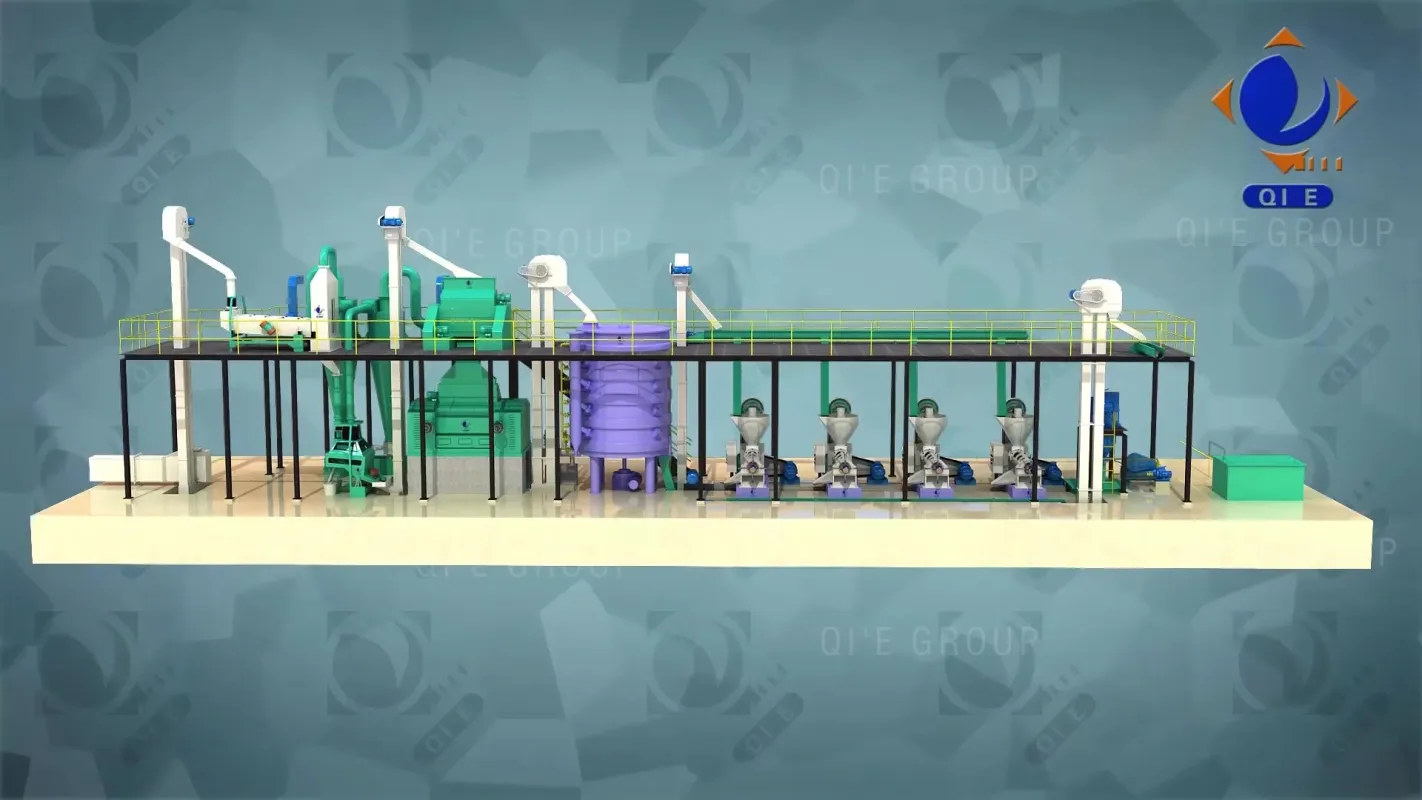
Typical functional modules to consider
- Pre-treatment & preparation: cleaning, separation, conditioning steps to stabilize feeding and protect core machines
- Oil pressing: core extraction stage sized to your daily capacity and operating schedule
- Oil clarification/filtration: remove solids and improve crude oil handling and storage
- Optional refining scope: if your business requires refined edible oil, plan integration with refining equipment as a separate but connected system
- Auxiliaries: conveying, tanks, controls, and safety measures supporting steady production
Selection tip: define the process boundary early (from raw material intake to crude oil storage, or to refined oil storage). This prevents under- or over-specifying the line.
4) Automation level: balance manpower, stability, and management needs
Automation is a design choice tied to operating discipline, labor cost, and production stability. Instead of “as automatic as possible,” aim for “as automatic as necessary” for your site and team.
Lower-to-mid automation (common for many SMEs)
- Suitable when operators have hands-on experience
- Allows simpler control architecture and maintenance routines
- Still benefits from key interlocks and basic monitoring
Higher automation (for stable, repeatable operation)
- Helps standardize critical parameters and reduce variability
- Supports centralized control and clearer production reporting
- Typically requires stronger commissioning and operator training
5) Environmental & compliance requirements: plan early to avoid redesign
Environmental compliance requirements vary by country and industrial park. Early confirmation helps determine ventilation, dust control, wastewater handling needs, and overall plant layout.
What to prepare for technical communication
- Local emission and workplace safety requirements (as applicable to your region)
- Site restrictions: space, noise considerations, and utility access
- Preferred housekeeping level and dust management expectations
Note: The final design should follow your local regulations and project-specific engineering evaluation.
A practical selection framework (use this before requesting a quotation)
To speed up solution matching, compile the decision inputs below. This makes it easier for Qi'e Grain and Oil Machinery Co., Ltd. to propose a configuration that fits your process route and capacity planning goals.
- Feedstock type(s): current and future materials; any special characteristics you already know.
- Target daily capacity: desired throughput and operating hours per day.
- Process route preference: pressing-only scope or integration with edible oil refining equipment.
- Automation level: operator availability, desired monitoring, reporting, and control approach.
- Environmental requirements: local compliance expectations and site constraints.
How Qi'e Grain and Oil Machinery supports oil pressing line planning
As a grain and oil machinery manufacturer focused on oil pressing equipment, oil production line equipment, and oil refining equipment, Qi'e Grain and Oil Machinery Co., Ltd. supports B2B buyers with solution-oriented communication—linking your decision inputs to an equipment configuration that is practical for installation, operation, and maintenance.
What we typically clarify with buyers
- Material handling and preparation scope based on feedstock type
- Capacity planning assumptions and equipment sizing logic
- Process matching between pressing, clarification, and optional refining
- Automation level and control requirements aligned to staffing
What you can expect in collaboration
- Engineering-oriented discussion to confirm scope and boundaries
- Support for line layout and installation planning as applicable
- Technical service coordination for commissioning and operation readiness
Next step: share your inputs for a faster, clearer solution discussion
If you are planning a new plant or expanding capacity, prepare your feedstock type, daily capacity target, preferred process route, automation level, and environmental requirements. With these inputs, our team can communicate more efficiently and align equipment configuration with your project scope.
Best for: new oil pressing plants, capacity expansion, multi-feedstock planning.
Focus: process matching + capacity planning + automation level fit.
Output: a clear selection framework ready for solution configuration discussions.