Delivering Overseas Grain & Oil Processing Projects: Key Steps from Configuration to Commissioning
Qi'e Grain and Oil Machinery Co., Ltd. breaks down practical delivery experience from overseas grain & oil processing projects across Asia, Africa, and South America—covering equipment configuration, installation & commissioning, technical service, and cross-region delivery coordination.
Delivering an overseas grain & oil processing project is not only about shipping machines—it is a structured, cross-region implementation that aligns equipment configuration, site installation & commissioning, and technical service into a controllable go-live path.
Based on Qi'e Grain and Oil Machinery Co., Ltd.'s long-term export experience across Asia, Africa, and South America, this page outlines practical steps that help buyers and EPC/plant teams evaluate a supplier’s full-line delivery capability for oil pressing equipment, oil production line equipment, and edible oil refining systems.
What “Project Delivery” Means in Grain & Oil Processing
In practice, overseas delivery is a lifecycle that starts from requirement confirmation and line design, continues through manufacturing and logistics, and ends with commissioning and operator readiness. For edible oil projects, it typically covers:
- Line configuration: matching process flow and capacity planning to target oilseed/cake and final oil specs.
- Engineering interface: layout, utilities, and civil/steel structure coordination for on-site installation.
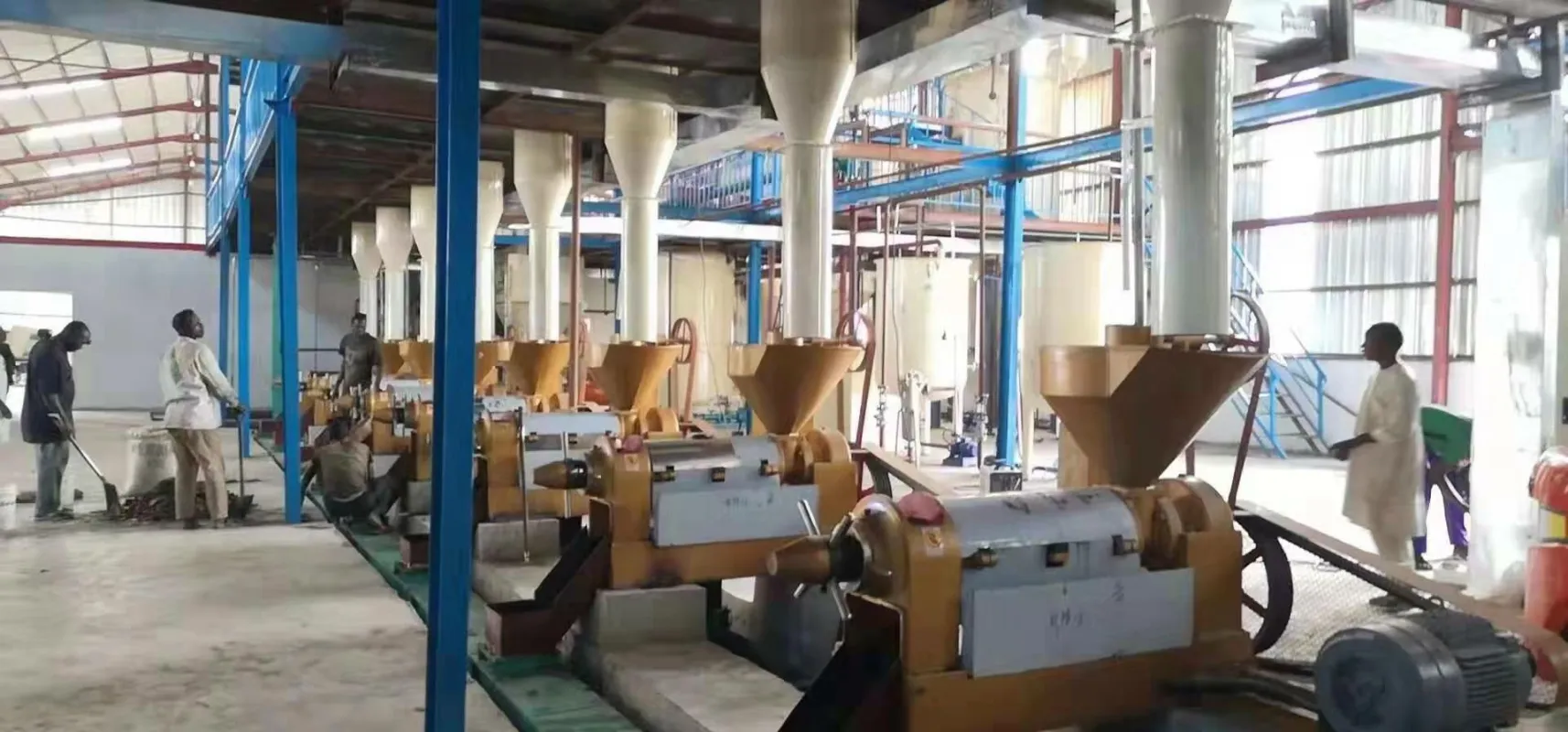
- Installation & commissioning: start-up sequencing, parameter tuning, and stability checks.
- Technical service: documentation, training, and ongoing operational support.
Who This Workflow Helps Most
- Investors planning an oil pressing line, solvent extraction line, or edible oil refining unit overseas.
- Plant managers upgrading or expanding existing grain & oil processing capacity.
- Engineering contractors coordinating multi-vendor installation and site readiness.
- Importers/distributors looking for a supplier with cross-region delivery coordination experience.
Key Steps from Configuration to Commissioning
Step 1 — Requirement & Process Definition (Before Quotation Is Final)
Overseas project success starts with defining boundaries early: raw material type, target product (crude oil vs. refined oil), expected operating hours, utilities, and local constraints. Clear inputs reduce redesign and on-site changes.
- Feedstock & process route: pressing, pre-press + extraction, or solvent extraction; optional refining depending on market requirements.
- Site interfaces: available power, steam/thermal oil, water, compressed air, and discharge treatment expectations.
- Local compliance & customs: documentation preparation and labeling needs to reduce clearance risk.
Step 2 — Equipment Configuration & Line Engineering
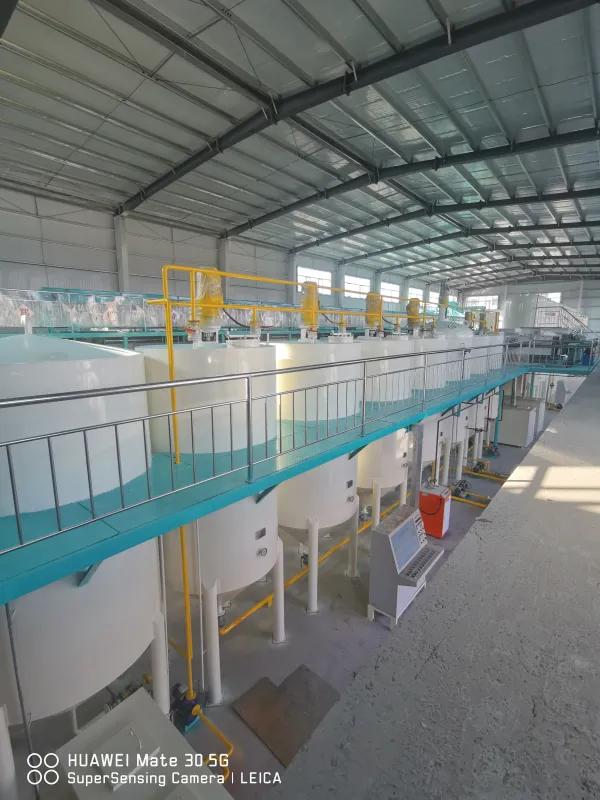
Configuration is where a “list of machines” becomes an implementable line. For grain & oil processing, this typically means selecting and matching modules such as pretreatment, pressing, extraction, filtration, and refining—then validating throughput balance and operational continuity.
Deliverable focus
Process flow confirmation, module matching, and interface list (utilities & layout requirements).
Risk to control
Capacity mismatch, missing auxiliaries, and unclear responsibilities between supplier/site contractor.
Practical method
Use checklists for auxiliaries and spares; confirm drawing approvals before shipment.
Step 3 — Manufacturing Readiness & Pre-Shipment Verification
Cross-region delivery requires disciplined packaging, marking, and document completeness. A pre-shipment verification routine helps ensure on-site installation is not delayed by missing parts or unclear identification.
- Scope confirmation: main equipment, auxiliaries, piping/valves (if included), and electrical/control cabinets.
- Crating & protection: moisture and corrosion protection suitable for sea freight and inland handling.
- Documents: packing list, manuals, drawings, and commissioning check items aligned to the installed configuration.
Step 4 — Logistics & Cross-Region Delivery Coordination
For Asia, Africa, and South America, lead time risk is often driven by multi-leg transportation, port congestion, and inland route constraints. Coordinated planning reduces site idle time and improves installation sequencing.
| Coordination item |
Why it matters on overseas sites |
Typical control action |
| Shipment split & sequence |
Installation depends on arrival order of foundations, frames, and key modules |
Define “first-install” package and label crates by area/level |
| Customs documentation completeness |
Missing docs can stall clearance and push back commissioning windows |
Pre-check packing list vs. invoice and local requirements |
| Inland handling capability |
Heavy/oversize items may need special lifting and route planning |
Confirm crane/forklift capacity and unloading plan before vessel arrival |
Step 5 — On-Site Installation: From Civil Handover to Mechanical Completion
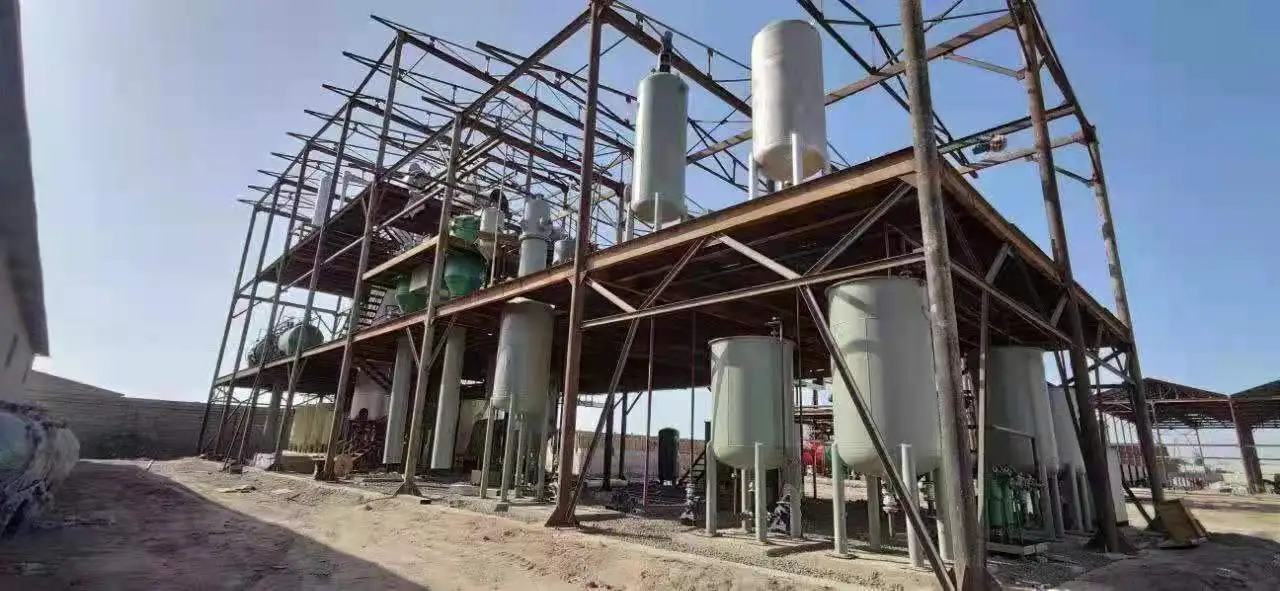
Installation quality directly affects start-up stability. For overseas projects, it is important to clarify interfaces between local contractors and the equipment supplier’s technical guidance.
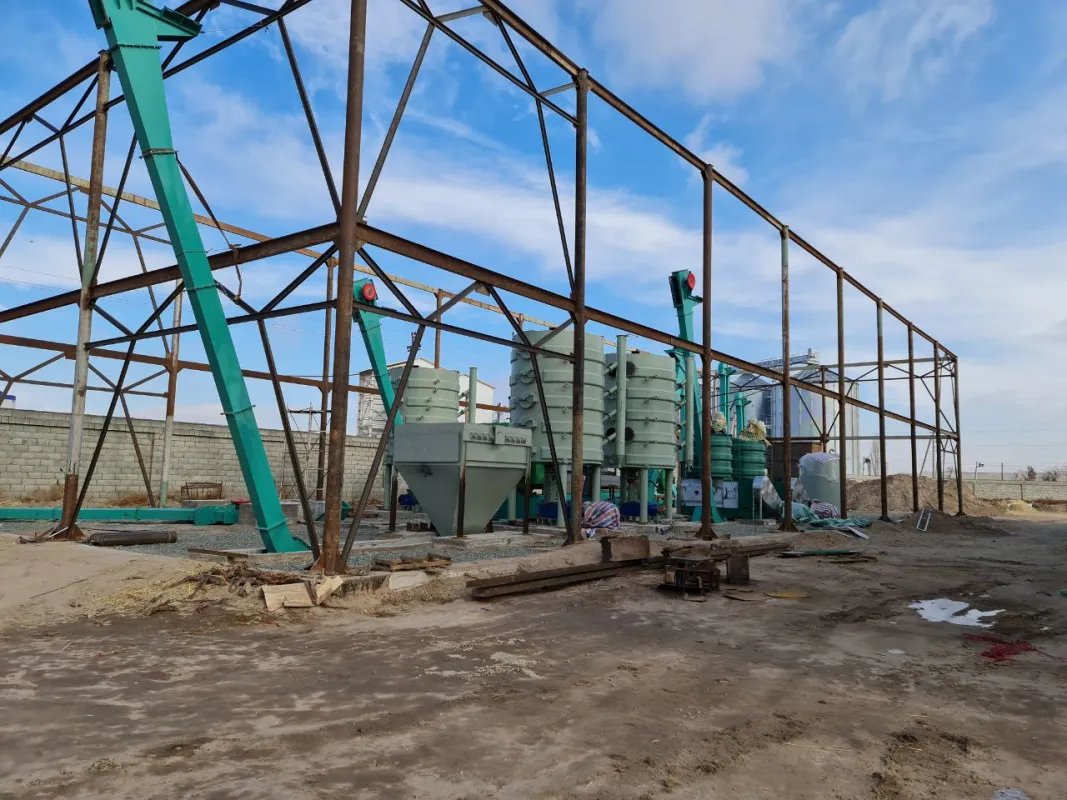
- Site readiness: foundations accepted, anchor bolts positioned, utilities routed to connection points.
- Mechanical alignment: key rotating equipment alignment and lubrication checks.
- Electrical & control: cabinet placement, cable identification, interlock checks (as applicable to the delivered scope).
- Mechanical completion list: punch items tracked before commissioning begins.
Step 6 — Commissioning & Go-Live: Safe Start-Up and Stable Operation
Commissioning translates installed equipment into operational capability. A controlled sequence—dry run, load test, parameter tuning, and stability verification—helps reduce downtime after handover.
- Pre-commissioning: inspection, cleaning, lubrication, instrument checks, and safety verification.
- Dry run: verify rotation direction, vibration/noise, and interlocks (where applicable).
- Trial production: gradual feeding, temperature/pressure monitoring, and process parameter stabilization.
- Handover readiness: maintenance plan, spare recommendations, and operator competency confirmation.
Commissioning is most efficient when equipment configuration, documentation, crate labeling, and installation interfaces are aligned from the start—this is a core part of cross-region delivery coordination.
Step 7 — Technical Service & Long-Term Support
Overseas operators need practical service that keeps production predictable. Qi'e Grain and Oil Machinery Co., Ltd. supports customers with service elements aligned to delivered scope—covering installation guidance, commissioning support, and technical documentation for operation and maintenance.
- Training: operating principles, routine checks, and safe shutdown/start-up.
- Documentation: manuals, drawings, and commissioning checklists organized by line modules.
- Spare parts planning: recommendation based on usage-critical items and maintenance cycles (as applicable).
- Remote coordination: structured communication for troubleshooting and parameter adjustments when needed.
Common Overseas Challenges (and How to Reduce Them)
Unclear scope boundaries
Risk increases when responsibilities for piping, cabling, foundations, and utilities are not explicit. Control it by confirming a scope matrix and interface points during configuration.
Site readiness gaps
Delays often come from foundations, power availability, or lifting constraints. A readiness checklist and staged delivery sequencing help keep installation on track.
Cross-region logistics variability
Multi-leg shipping and inland transport can impact timelines. Pre-planning packaging marks, documents, and unloading methods reduces handover friction.
How to Engage with Qi'e for an Overseas Delivery Assessment
To evaluate feasibility and delivery planning for your grain & oil processing project, provide basic project inputs so our team can align equipment configuration, installation & commissioning planning, and technical service scope.
- Project location (country/region) and site status (new build / expansion).
- Raw material type and expected operating mode.
- Target output: crude oil, refined edible oil, or both (and any specific quality requirements).
- Utilities availability: power, steam/thermal oil, water, and compressed air.
- Preferred delivery model: equipment supply only vs. installation guidance/commissioning support.
Qi'e Grain and Oil Machinery Co., Ltd. focuses on practical, implementable overseas project delivery for oil pressing equipment, oil production line equipment, and edible oil refining systems—supporting customers in Asia, Africa, and South America with coordinated execution from configuration to commissioning.