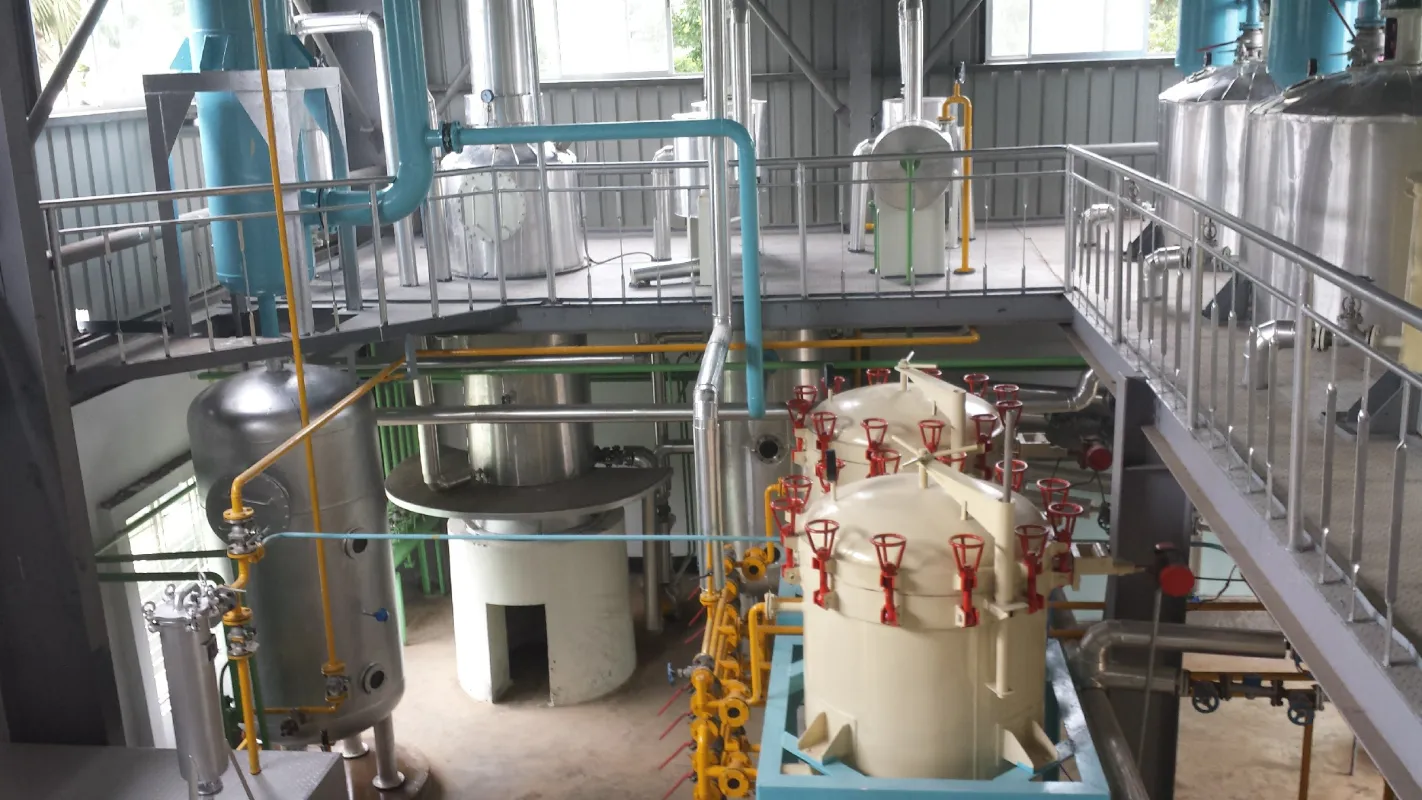
As global palm oil producers face increasing pressure to reduce carbon footprints and improve operational efficiency, optimizing the deodorization process has become a critical lever for sustainable growth. This article walks you through real-world strategies used by leading refineries—backed by data from actual implementations—to cut energy use, enhance equipment uptime, and align with ESG goals.
In typical palm oil refining, deodorization accounts for up to 40% of total thermal energy usage. According to a 2023 study by the International Palm Oil Council (IPOC), inefficient steam management alone can waste over 15% of this energy annually—a cost that adds up quickly at scale. For a mid-sized plant processing 50 tons/day, that’s an estimated $25,000–$35,000 in avoidable expenses per year.
| Process Stage | Avg. Energy Use (kWh/ton) | Optimized Target |
|---|---|---|
| Vacuum System | 180 kWh | 140 kWh |
| Steam Injection | 220 kWh | 175 kWh |
| Condensate Recovery | N/A | +10–15% recovery rate |
Many plants still rely on manual checks or outdated PLC systems. But integrating IoT-enabled sensors—such as temperature probes, flow meters, and pressure gauges—can identify inefficiencies before they escalate. One Malaysian refinery reported a 22% drop in steam consumption within six months after deploying smart monitoring across its deodorizer lines.
A well-maintained deodorizer doesn’t just run longer—it runs smarter. Based on field data from 12 facilities in Indonesia and Malaysia, companies implementing structured maintenance plans saw:
Key actions include weekly cleaning of vacuum pumps, monthly calibration of steam valves, and quarterly audits of heat exchanger performance. These aren't just good practices—they’re ROI drivers.
Pro Tip: Start small—with one deodorizer line—and measure impact over 90 days. Then scale to full production. It’s not about perfection; it’s about progress.
If you're a production manager, engineer, or sustainability officer looking to make tangible improvements in your facility, now is the time to act. Whether it's upgrading control systems, adopting predictive maintenance tools, or simply tracking daily energy metrics, every step counts toward better performance—and better profits.
Download our free Energy Audit Checklist for Palm Oil Deodorizers—a practical tool used by top refiners worldwide.
Get My Free Checklist →