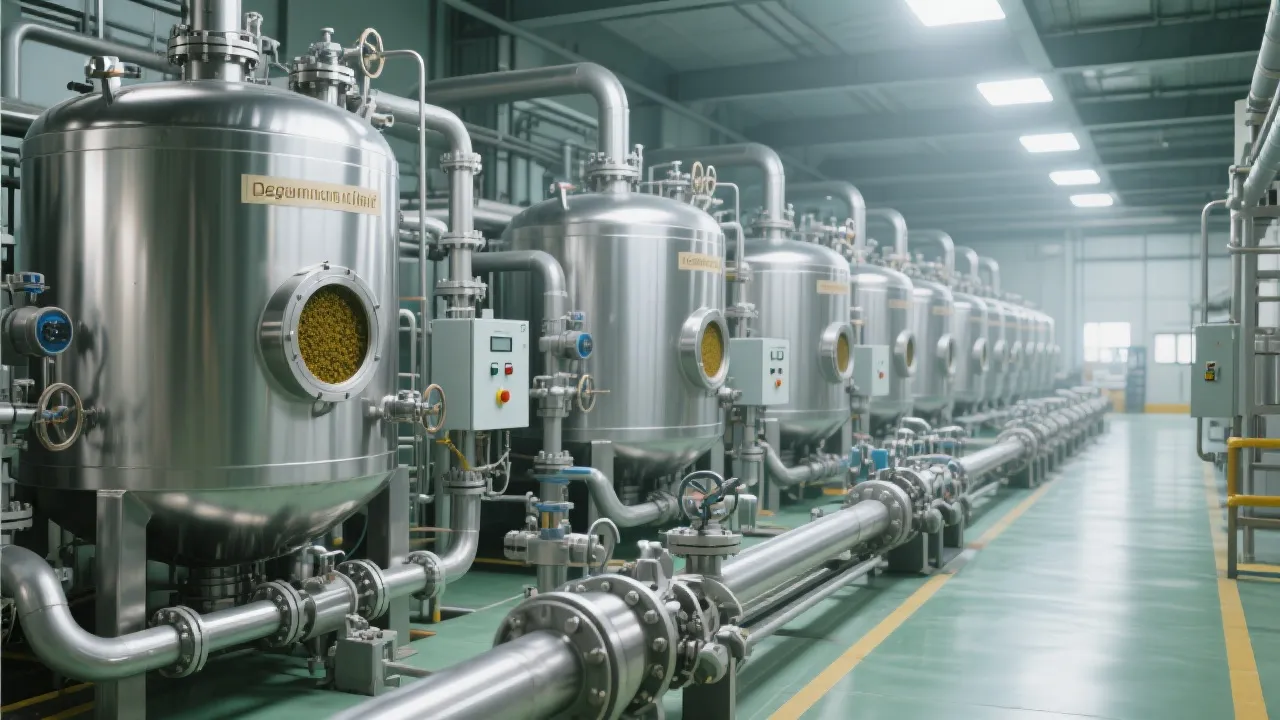
In the palm oil production industry, high energy consumption and complex equipment maintenance have long been major pain points. This article focuses on the core application of heat recovery technology, presenting key steps to improve the energy efficiency of palm oil production lines.
To effectively reduce energy consumption in the palm oil pressing process, five key steps in heat recovery technology are crucial. From the steaming stage to the pressing stage, each step requires precise energy - control strategies.
During the steaming process, controlling the steam temperature and pressure is essential. By using advanced steam regulation valves, the energy consumption can be reduced by up to 20%. For example, in a palm oil factory in Malaysia, after implementing this energy - control strategy, the steam consumption decreased significantly.
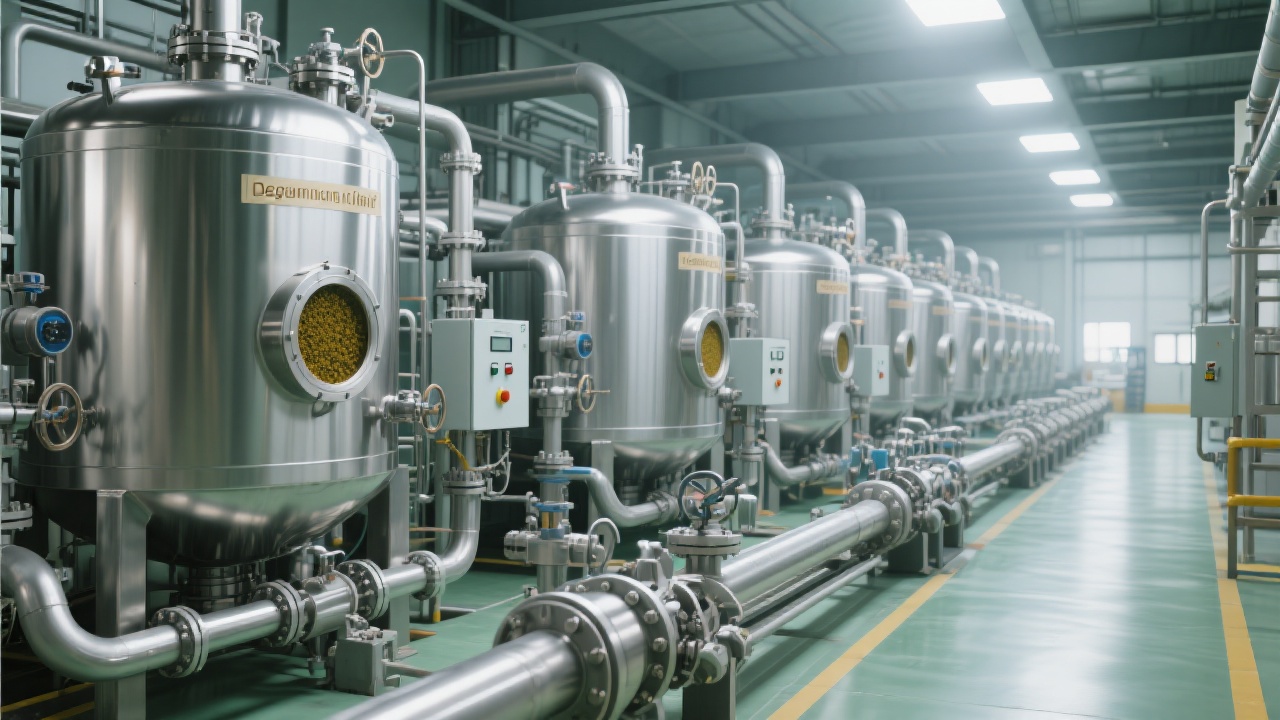
Before the actual pressing, pre - pressing operations can be optimized. Using energy - efficient pre - pressing equipment can cut down the energy required for the subsequent pressing process. Data shows that this step can save around 15% of the total pressing energy.
In the main pressing stage, adjusting the pressing speed and force according to the raw material characteristics can improve energy utilization. In a real - world case, a factory in Indonesia achieved a 18% reduction in energy consumption through this method.
After the pressing, the residual heat can be recovered and reused. By installing heat exchangers, the recovered heat can be used for other processes, such as pre - heating the raw materials. This can save approximately 12% of the overall energy consumption.
Integrating an intelligent monitoring system can continuously monitor the energy consumption and equipment status. It can detect abnormal energy usage in real - time and adjust the production parameters accordingly. In some factories, the use of intelligent monitoring systems has led to an overall energy reduction of 25%.
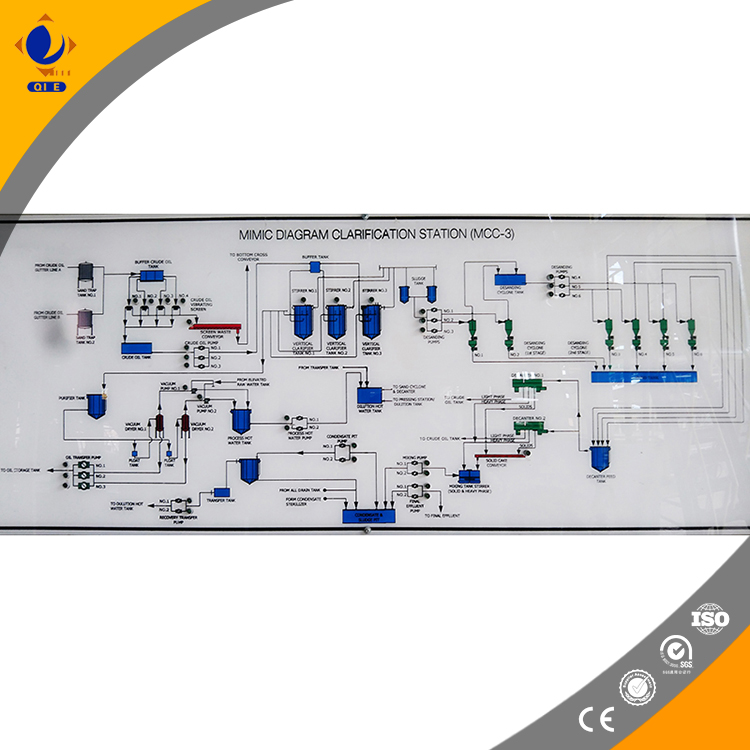
Selecting energy - saving and environmentally friendly equipment is also important. For example, using low - energy motors and high - efficiency pumps can reduce energy consumption. At the same time, ensuring the safety of equipment is a top priority. The following table shows the comparison of energy consumption and safety performance between traditional and energy - saving equipment:
| Equipment Type | Energy Consumption | Safety Performance |
|---|---|---|
| Traditional Equipment | High | General |
| Energy - Saving Equipment | Low | High |
Regular and scientific equipment maintenance is the key to ensuring long - term efficient operation. A preventive maintenance list should be established, including regular inspections, lubrication, and part replacements. For example, in a factory in Thailand, by following a preventive maintenance plan, the equipment failure rate decreased by 30%.
When a fault occurs, a systematic troubleshooting method should be used. By referring to the fault code and equipment operating data, the root cause of the problem can be quickly identified. The following is a simple troubleshooting process diagram:
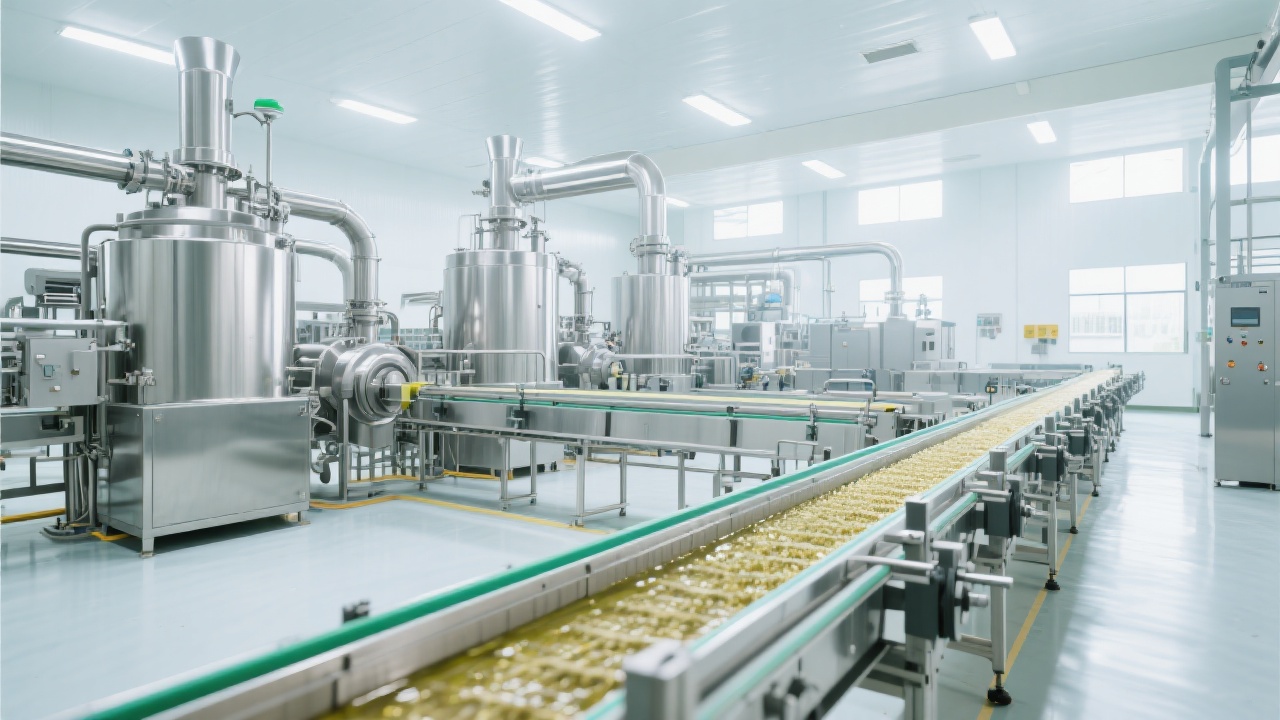
Combining real - world cases and practical guidelines, this article provides a scientific maintenance method and common fault - troubleshooting skills. It aims to help production line managers achieve the goals of energy conservation, consumption reduction, and production efficiency improvement, realizing the maximization of green sustainable development and economic benefits.
"According to our customer in Africa, after implementing the heat recovery technology we recommended, their energy cost decreased by 35% in just one year." - Customer Interview
Get the detailed "Palm Oil Production Line Energy - Saving Self - Check List" now and start a new era of efficient and energy - saving production!