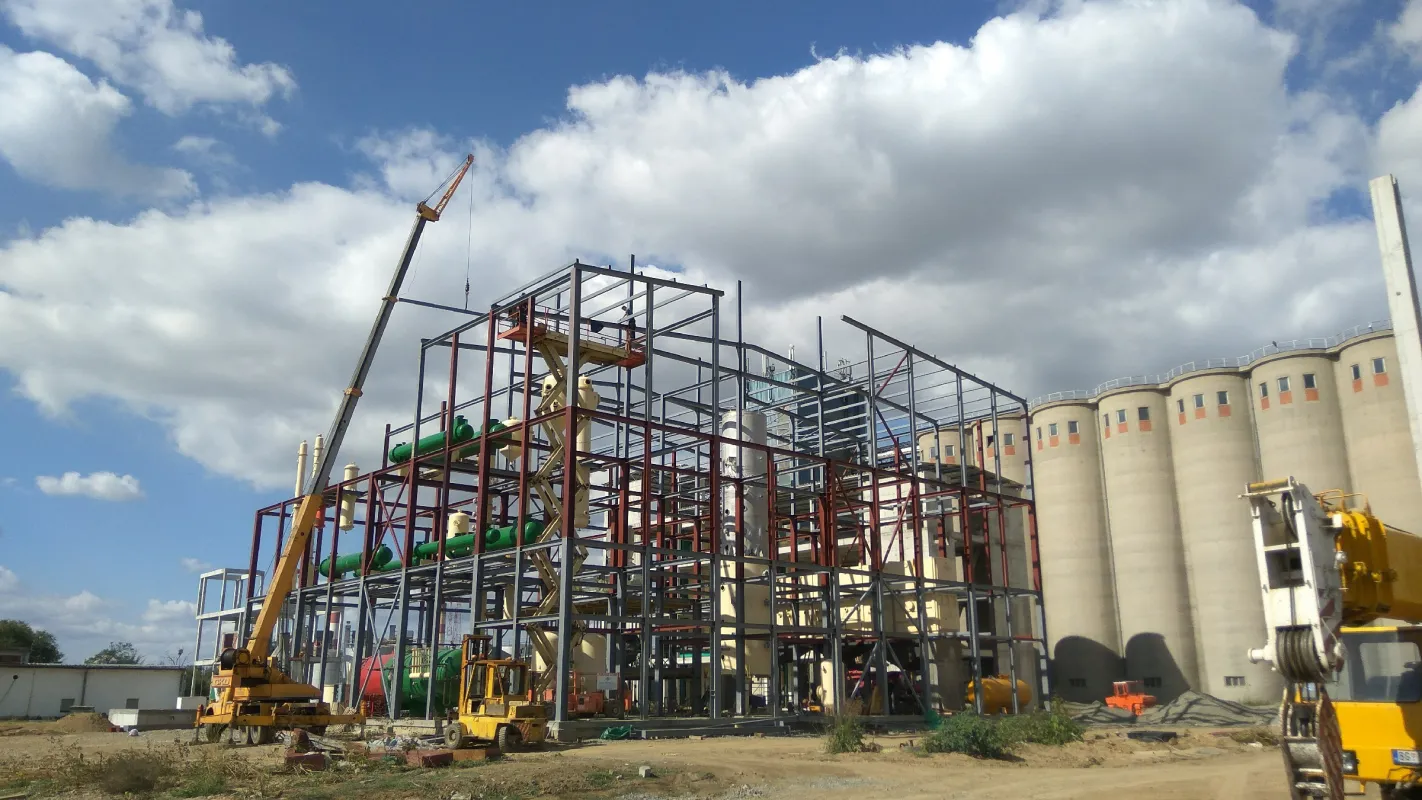
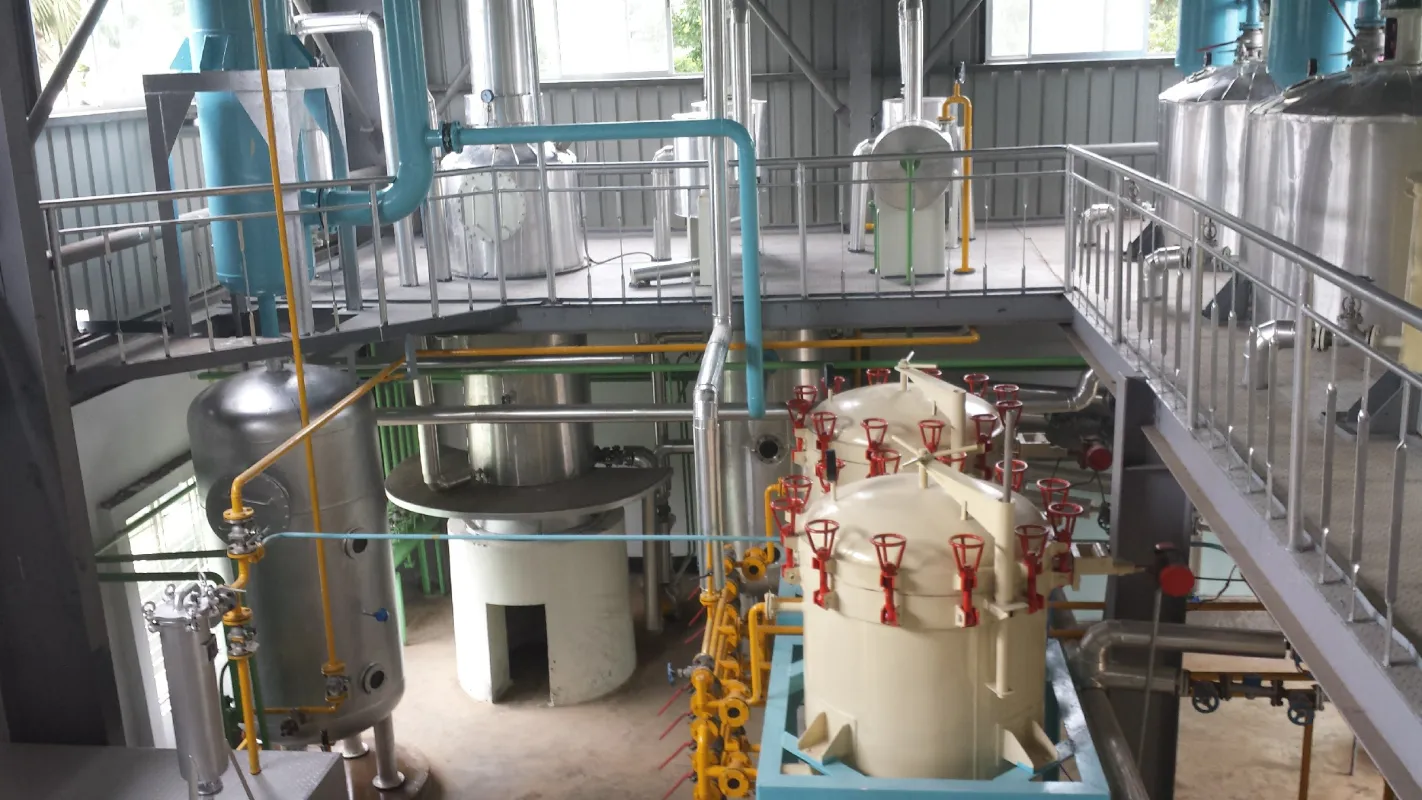
In the competitive palm oil industry, reducing operational costs while maintaining high output is a persistent challenge for producers. Through tailored design and process optimization, one industry-leading manufacturer achieved a remarkable 30% reduction in energy consumption on their palm oil production line. This case study delves into the key technological and operational strategies that enabled this breakthrough, offering actionable insights for stakeholders aiming to enhance their production efficiency sustainably.
A scientifically engineered production layout formed the foundation of the energy-saving gains. By redesigning the sequence and spatial arrangement of processing units, the company minimized redundant material handling and thermal losses. The streamlined material flow reduced the total processing time by approximately 12%, directly contributing to less energy expenditure in transportation and equipment runtime.
Critical to the success was the implementation of advanced energy-saving machinery, including:
The production line incorporated innovative techniques such as:
This comprehensive optimization resulted in tangible benefits validated by monitored production data over six months:
| Metric | Before Optimization | After Optimization | Improvement |
|---|---|---|---|
| Energy Consumption (kWh/ton) | 480 | 336 | -30% |
| Operating Cost ($/ton) | $120 | $84 | -30% |
| Processing Time (hours/ton) | 4.2 | 3.7 | -12% |
The customized production line prioritized maintenance accessibility, reducing downtime and operational risks. Modular equipment layout and user-centric interfaces enabled faster troubleshooting, ensuring stable and continuous operation. As a result, unscheduled downtime dropped by nearly 20%, a critical factor in sustaining energy and cost savings long-term.
Incorporating state-of-the-art energy recovery setups and automation software aligned the plant with global trends in green manufacturing. Compliance with international environmental standards not only reduced carbon footprint but also enhanced the brand’s market credibility among eco-conscious buyers.
Interested in implementing a custom high-efficiency palm oil production line tailored to your unique operational needs? Contact us now to design your energy-saving solution and drive your business toward sustainable growth.