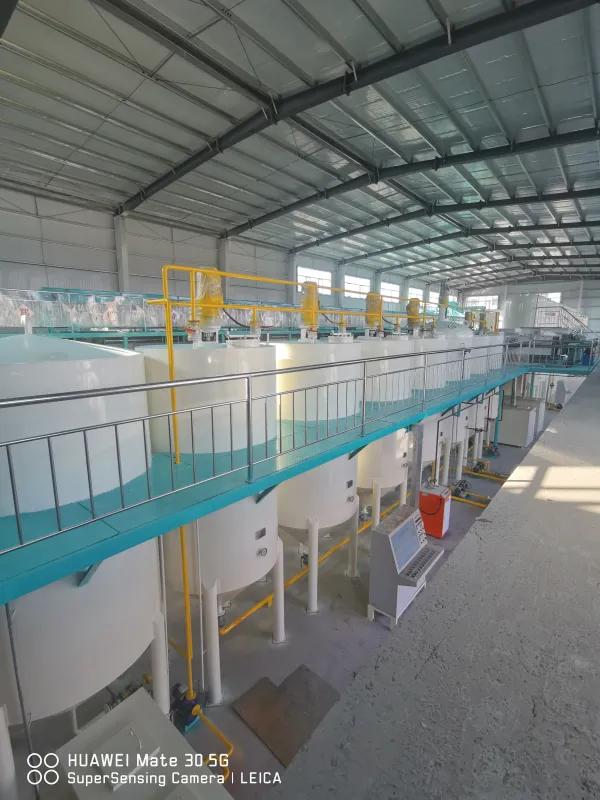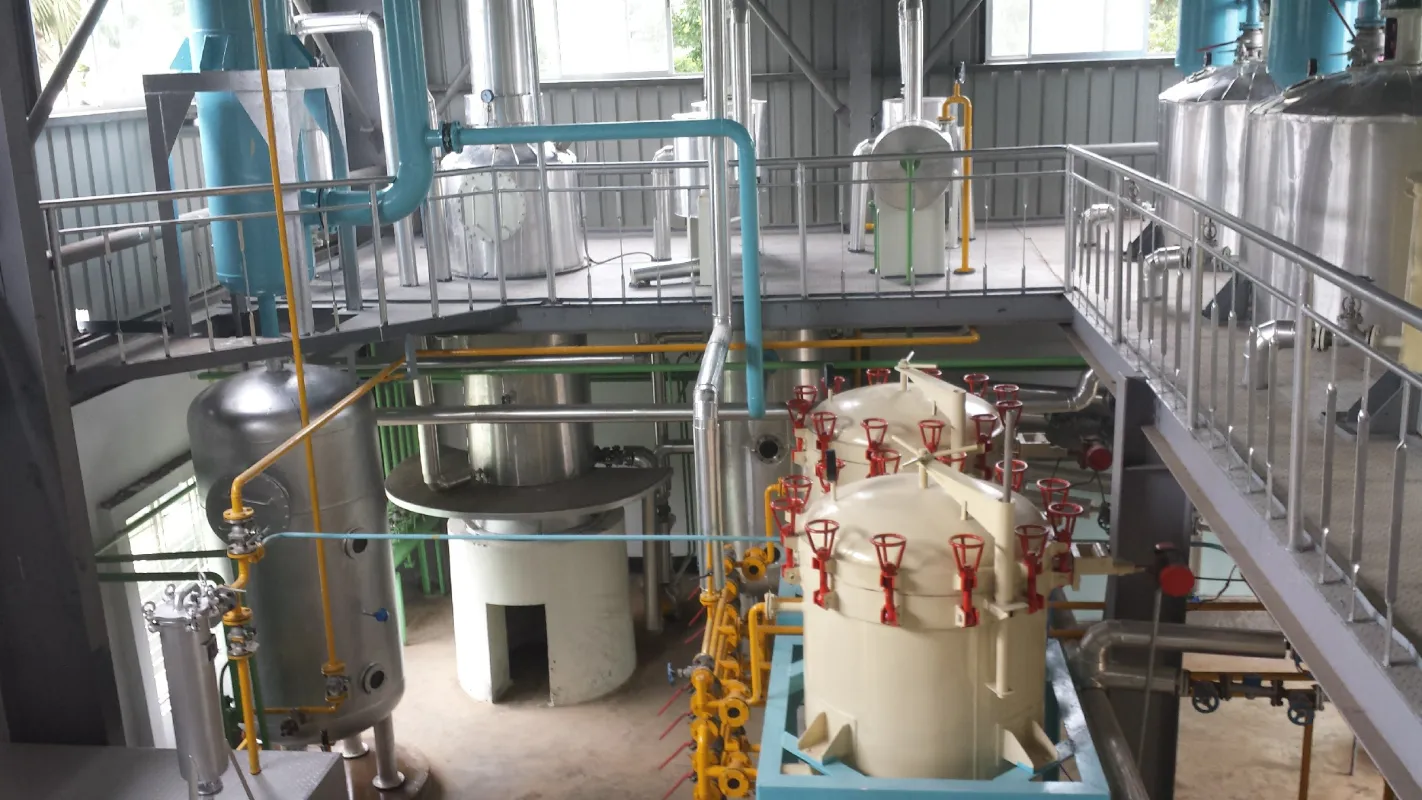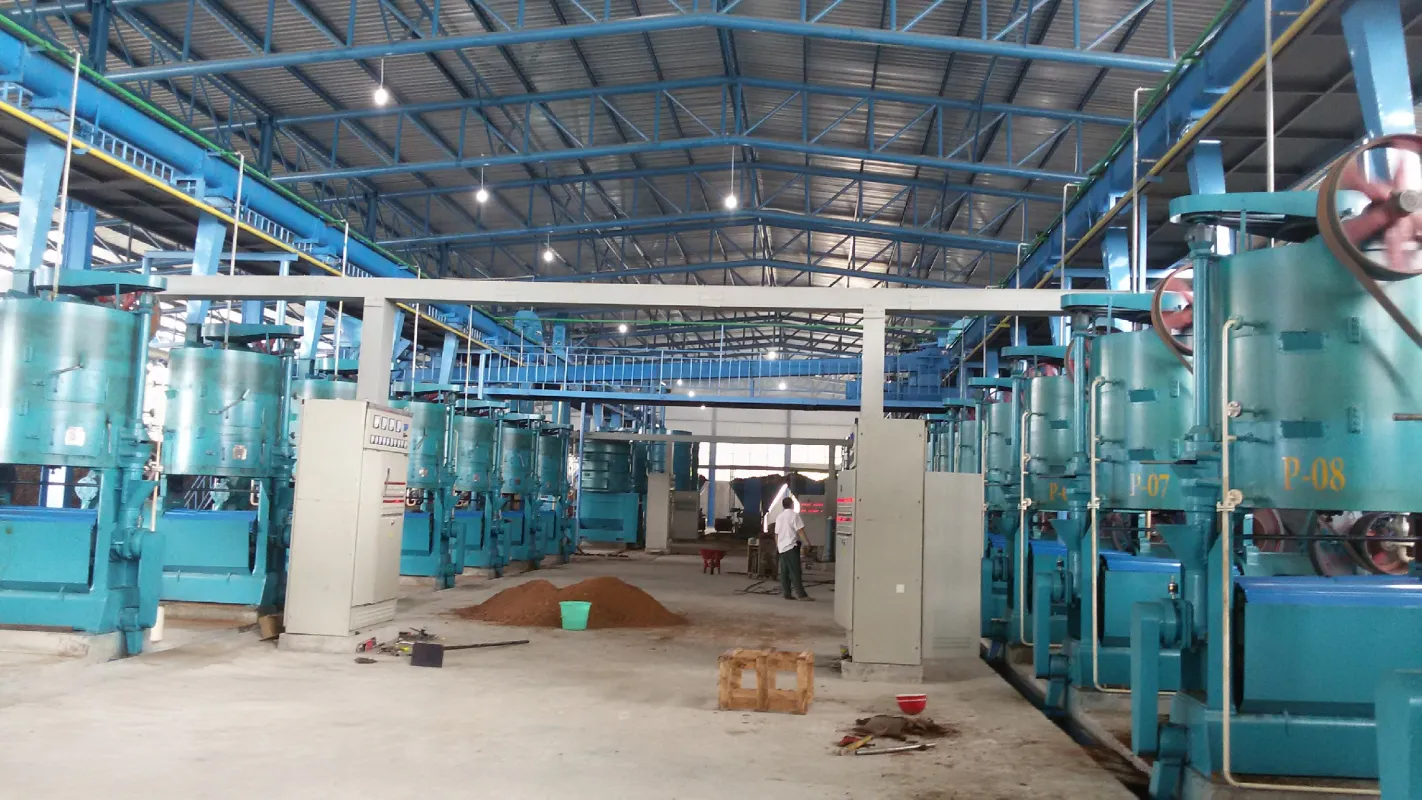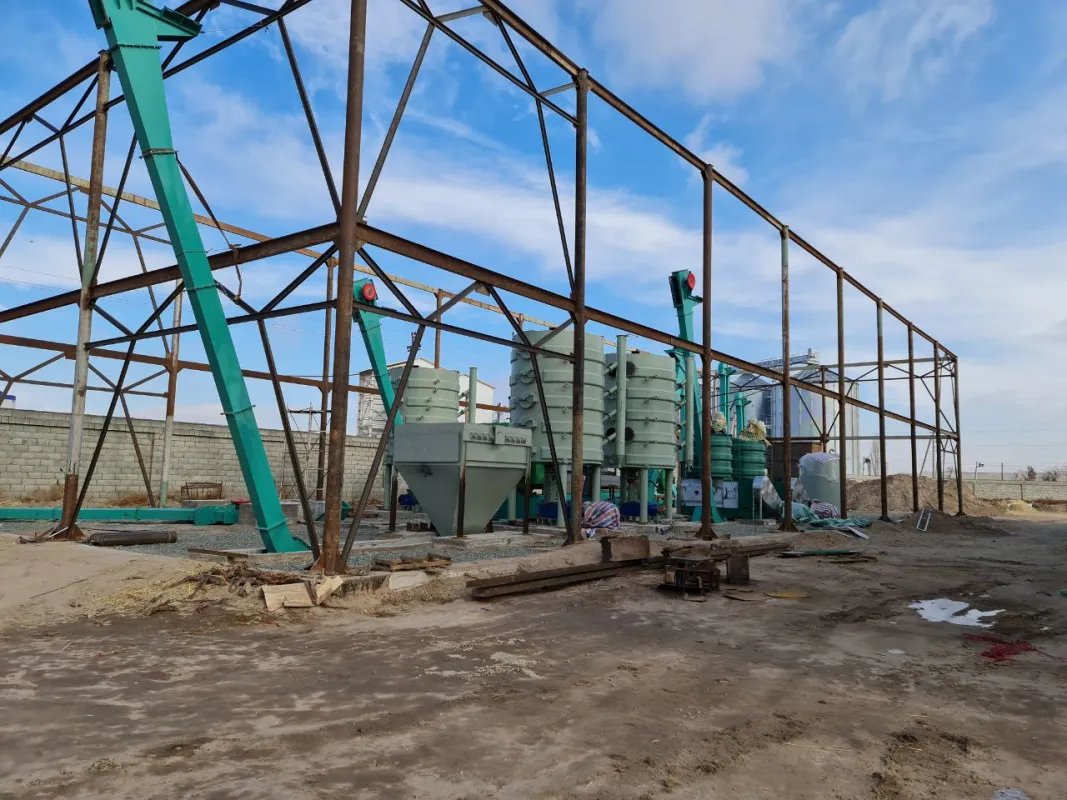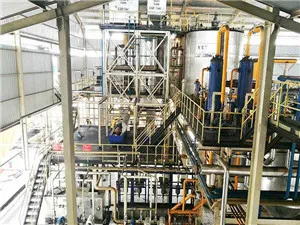
In the palm oil production industry, high energy consumption has long been a significant challenge that affects both the environment and production costs. This guide focuses on practical ways to reduce energy consumption in the cooking section of the palm oil production line by up to 30% through energy - saving transformation.
Before implementing any energy - saving measures, it is crucial to understand the current energy consumption situation. On average, the cooking section of a palm oil production line accounts for about 40% of the total energy consumption. Through data collection and analysis, we can identify the main energy - consuming processes and equipment.
For example, in a typical palm oil production plant, the steam used in the cooking process consumes a large amount of energy. By installing energy - monitoring devices, we found that the energy loss during steam generation and transportation was as high as 20%. This data provides a clear direction for subsequent energy - saving measures.
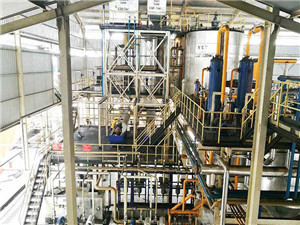
There are several key energy - saving technologies that can be applied in the cooking section. Firstly, the use of high - efficiency steam boilers can increase the thermal efficiency from the traditional 70% to over 90%. This means that for the same amount of fuel, more steam can be generated, thereby reducing energy consumption.
Secondly, the installation of heat - recovery systems can capture and reuse the waste heat generated during the cooking process. For instance, the waste heat from the exhaust steam can be used to pre - heat the incoming water, which can save up to 15% of the energy required for steam generation.
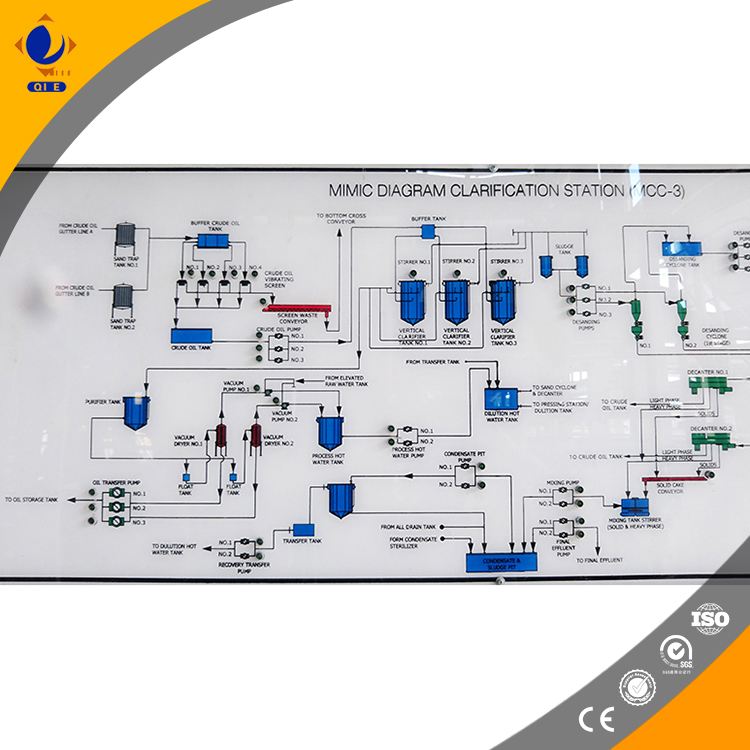
In addition to energy - saving technologies, the use of energy - saving equipment is also essential. For example, energy - efficient pumps and fans can reduce power consumption by up to 30%. Moreover, integrating an intelligent monitoring system can real - time monitor the energy consumption of each equipment and process.
This system can analyze the data and provide optimization suggestions. For example, if the system detects that a certain piece of equipment is consuming more energy than normal, it can send an alarm to the maintenance staff, enabling timely troubleshooting and energy - saving adjustments.
Regular maintenance is crucial for the long - term energy - saving performance of the production line. A well - maintained steam boiler can maintain high thermal efficiency, while a poorly maintained one may experience a significant decline in efficiency. Establishing a regular maintenance schedule and training the maintenance staff are necessary steps.
In case of equipment failures, a quick and effective troubleshooting mechanism should be in place. Based on historical data, we found that about 10% of energy consumption increases are caused by equipment failures. By promptly identifying and fixing these problems, energy waste can be reduced.

One of our customers, a medium - sized palm oil production company, implemented the energy - saving transformation measures mentioned above. After six months, they successfully reduced the energy consumption in the cooking section by 28%. This not only significantly reduced their production costs but also improved their environmental performance, enhancing their market competitiveness.
Are you ready to take the first step towards energy - efficient palm oil production? Download our Palm Oil Production Line Energy - Saving Self - Check List PDF now and start optimizing your production line!