Selecting the right process route is one of the most important decisions in building an edible oil processing line. In practice, most plants evaluate two mainstream options: mechanical pressing and solvent extraction. Each route affects oil yield, suitable oilseeds, equipment configuration, continuous operation, energy use, environmental requirements, operating complexity, and total investment.
As an equipment provider, Qi'e Grain and Oil Machinery Co., Ltd. (企鹅集团) supports oilseed processors and edible oil plants with process selection and line configuration—covering oil pressing equipment, solvent extraction systems, and edible oil refining equipment—so the final solution fits your raw materials, capacity plan, and product positioning.
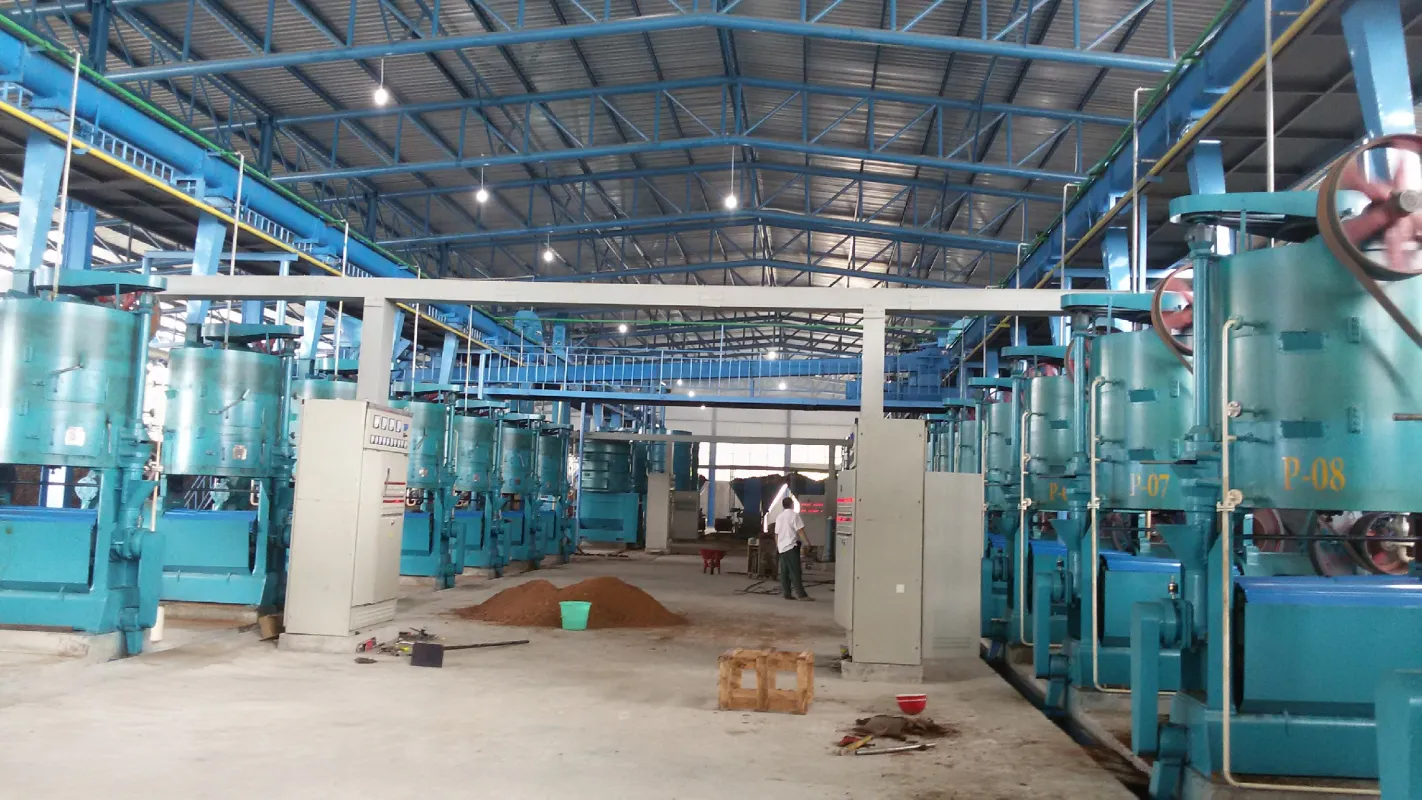
Uses mechanical force to separate oil from prepared oilseeds (cleaning → conditioning/cooking or cold pressing → pressing → crude oil filtration). It is often selected for product positioning that values a straightforward physical process and flexible batch or semi-continuous production.
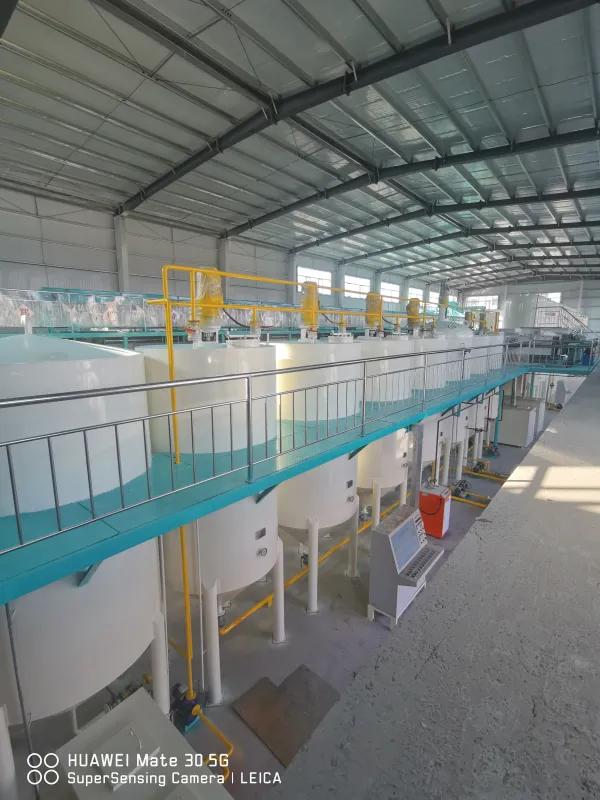
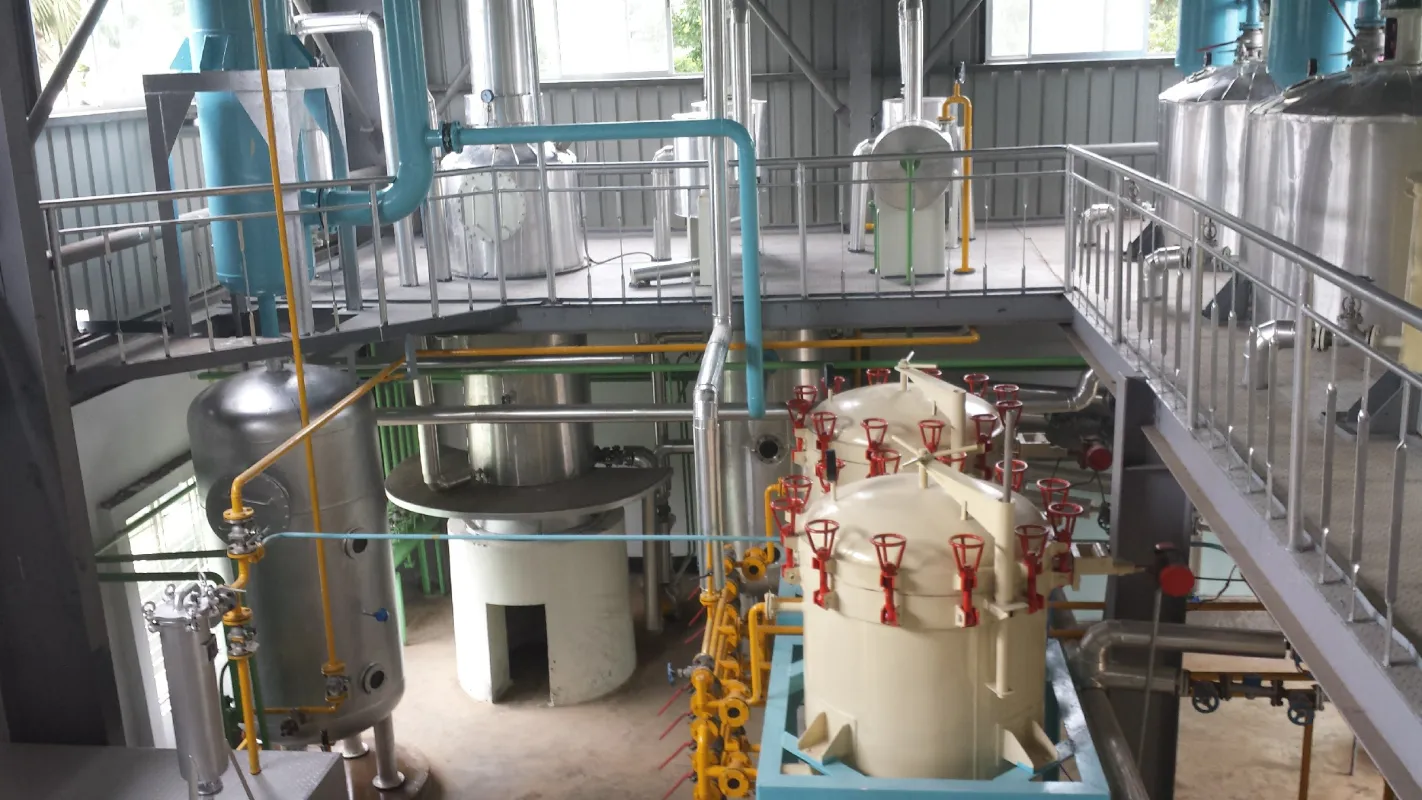
Uses a food-grade solvent (commonly hexane in industry) to dissolve oil from prepared material, followed by desolventizing/toasting and solvent recovery. This route is widely used when the goal is to reduce residual oil in meal and support higher-capacity, continuous operation—while requiring strict safety and environmental controls.
Use the factors below to align your process route with raw material characteristics, capacity target, plant conditions, and compliance requirements. In many projects, a combined route (e.g., pre-pressing + solvent extraction) can also be evaluated depending on oilseed type and throughput.
| Decision factor | Mechanical pressing | Solvent extraction |
|---|---|---|
| Oil yield / residual oil | Yield depends on oilseed, pretreatment, and press settings; press cake typically retains more residual oil than extraction meal. | Generally targets lower residual oil in meal, with process complexity added by solvent handling and recovery. |
| Suitable oilseeds | Common for many oilseeds; selection often driven by desired product positioning and scale. | Widely applied for high-throughput operations and materials where extracting remaining oil is economically important. |
| Equipment composition | Pretreatment + press + oil filtration/clarification; refining is added based on edible oil spec. | Pretreatment/flaking + extractor + DT + evaporation/stripping + solvent recovery; higher requirements for sealing, instrumentation, and safety systems. |
| Production continuity | Can be batch or continuous depending on line design and capacity; flexible for smaller plants. | Typically designed for continuous, stable operation with integrated recovery loops. |
| Energy use & utilities | Energy profile is concentrated in conditioning/cooking (if used) and pressing; utilities depend on heating method and throughput. | Requires thermal energy for desolventizing and solvent recovery; utilities and control loops tend to be more intensive. |
| Environmental & safety compliance | Focuses on dust control, noise management, and general industrial safety; fewer solvent-related compliance items. | Requires strict VOC control, explosion-proof design, solvent storage/handling compliance, and well-managed emission and recovery systems. |
| Operation & management | Relatively straightforward operation; quality is sensitive to pretreatment and press parameter management. | Higher management complexity: solvent balance, sealing integrity, instrumentation, and operator safety training are critical. |
| Total investment level | Often fits small-to-mid scale investment strategies; configuration can be modular (pressing + optional refining). | Typically higher CAPEX due to solvent systems, safety design, and recovery units; investment justification relies on scale and yield economics. |
Process selection should be validated with your oilseed type, target capacity, site utilities, and local compliance requirements. If you plan to export edible oil, also align the refining route with destination market expectations.
For some projects, pre-pressing removes a portion of oil first, then extraction is used to recover remaining oil from press cake. This can balance throughput and yield objectives while keeping extraction load more stable.
As a grain & oil machinery manufacturer serving Asia, Africa, and South America, we provide modular equipment for edible oil production lines, including:
Raw materials
Capacity & continuity
Compliance & site conditions
Investment & operation
If you share your oilseed(s), desired capacity, and whether your priority is simpler operation or higher recovery, Qi'e Grain and Oil Machinery can help map a practical edible oil processing line route and the matching equipment modules.
Note: The appropriate process depends on raw material properties, local regulations, and plant conditions. Final configuration should be confirmed through engineering review and compliance checks for your target location.