One-Stop Rapeseed Oil Processing Equipment for Export-Ready Plants
2026-01-05
This news feature introduces Penguin Group’s end-to-end rapeseed oil processing solution for export-oriented producers, spanning seed cleaning and conditioning, flaking, cooking, pressing, and integrated physical/chemical refining. It explains how temperature, residence time, and pressure influence yield, color, FFA reduction, and the retention of tocopherols and phytosterols. Core refining steps—degumming, deacidification (neutralization), bleaching, and deodorization—are optimized through advanced controls, heat integration, and coordinated unit operations to deliver compliant, high-yield output that meets major import standards. The article includes parameter ranges, process-flow diagrams, KPI charts, line-layout case examples, and a video walkthrough of equipment collaboration—helping plants boost throughput, stabilize quality, and lower OPEX.
Export-focused edible oil processors face a precise equation: consistent quality that meets multi-market compliance, with predictable throughput and controlled unit costs. Penguin Group’s one-stop rapeseed oil processing equipment solution is engineered to deliver that balance—combining grain & oil processing technology, robust automation, and best-practice refining control. This solution covers the entire chain—from seed intake and pretreatment to pressing/extraction and physical-chemical refining—so producers can scale B2B rapeseed oil production with confidence.
For SEO: rapeseed oil refining process, rapeseed oil processing equipment, grain and oil processing technology, one-stop processing solution, B2B rapeseed oil production—core terms addressed in this article to support discoverability and buyer intent.
End-to-End Architecture: From Seed to Export-Ready Oil
The integrated line minimizes interfaces and loss points while maximizing yield and quality. Typical canola/rapeseed seed oil content: 38–45%. With optimized pretreatment and pressing, crude oil yield reaches 90–93% of seed oil potential; after refining, 95–97% yield relative to crude is achievable under controlled parameters.
Intake & Cleaning
→
Dehulling & Conditioning
→
Pre‑press / Full‑press
→
Crude Oil Filtration
→
Degumming
→
Deacidification
→
Bleaching
→
Deodorization
→
Polishing & Storage
Optional modules: solvent extraction post pre-pressing (to reduce residual oil in cake to 0.8–1.2%), winterization/fractionation (for specific markets), and in-line dry fractionation for specialty applications.
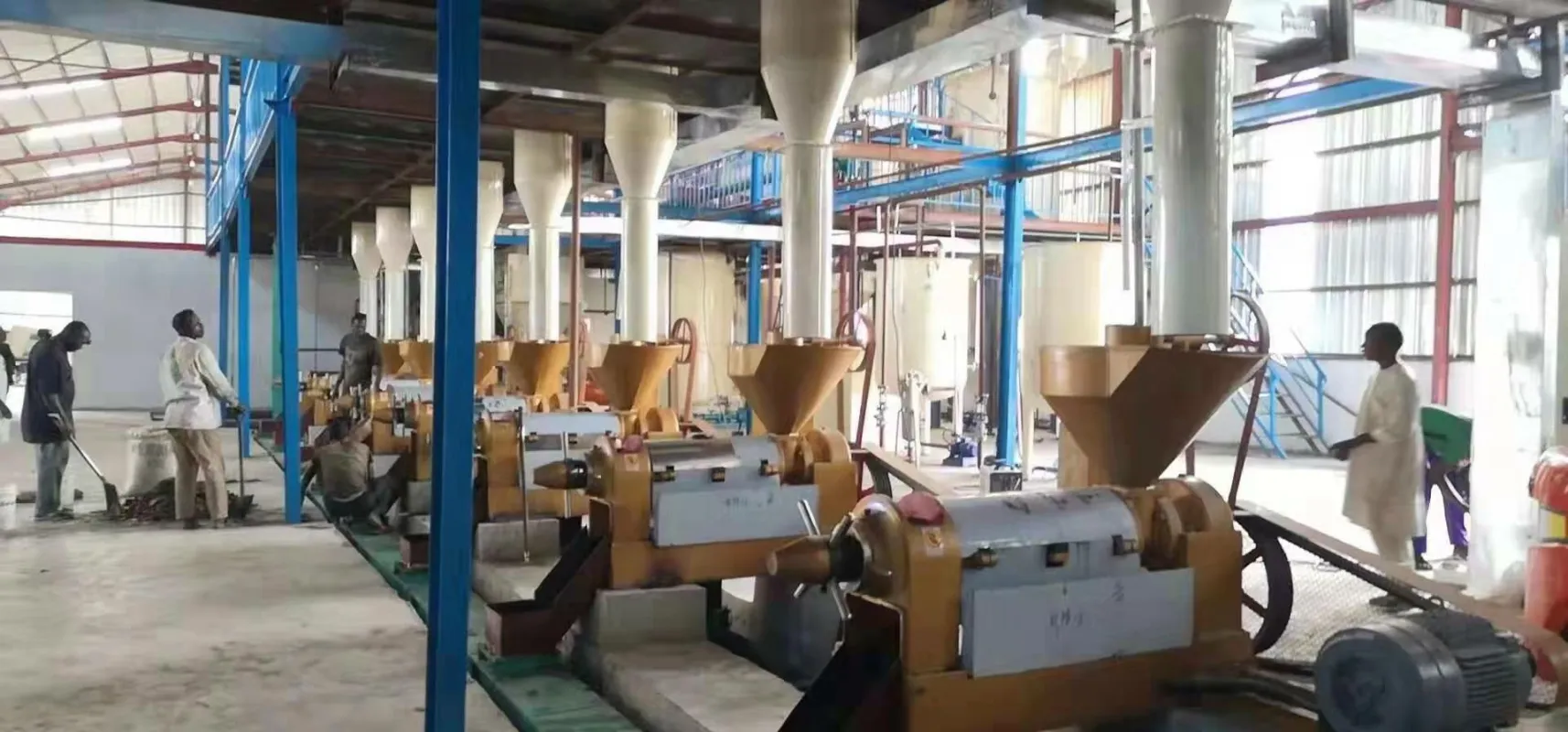
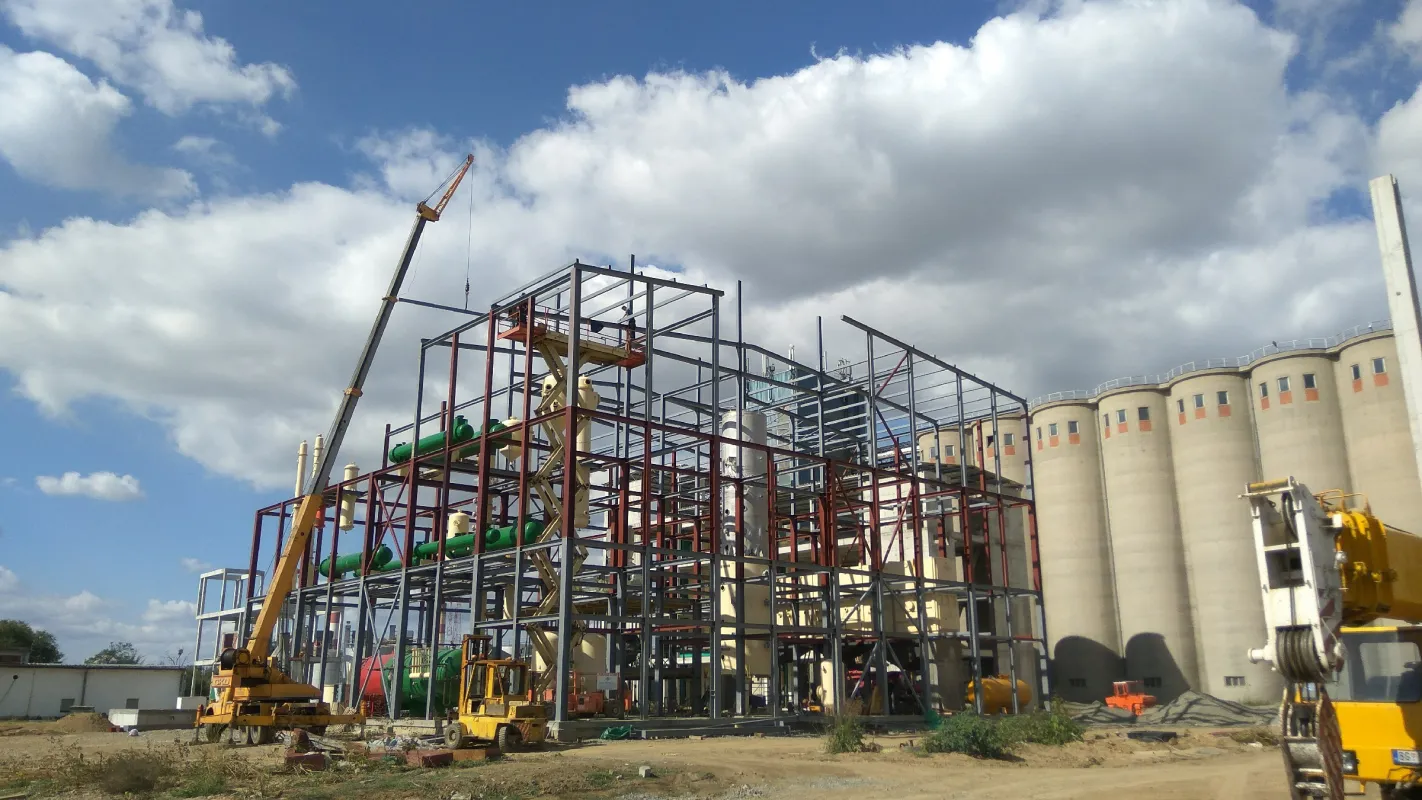
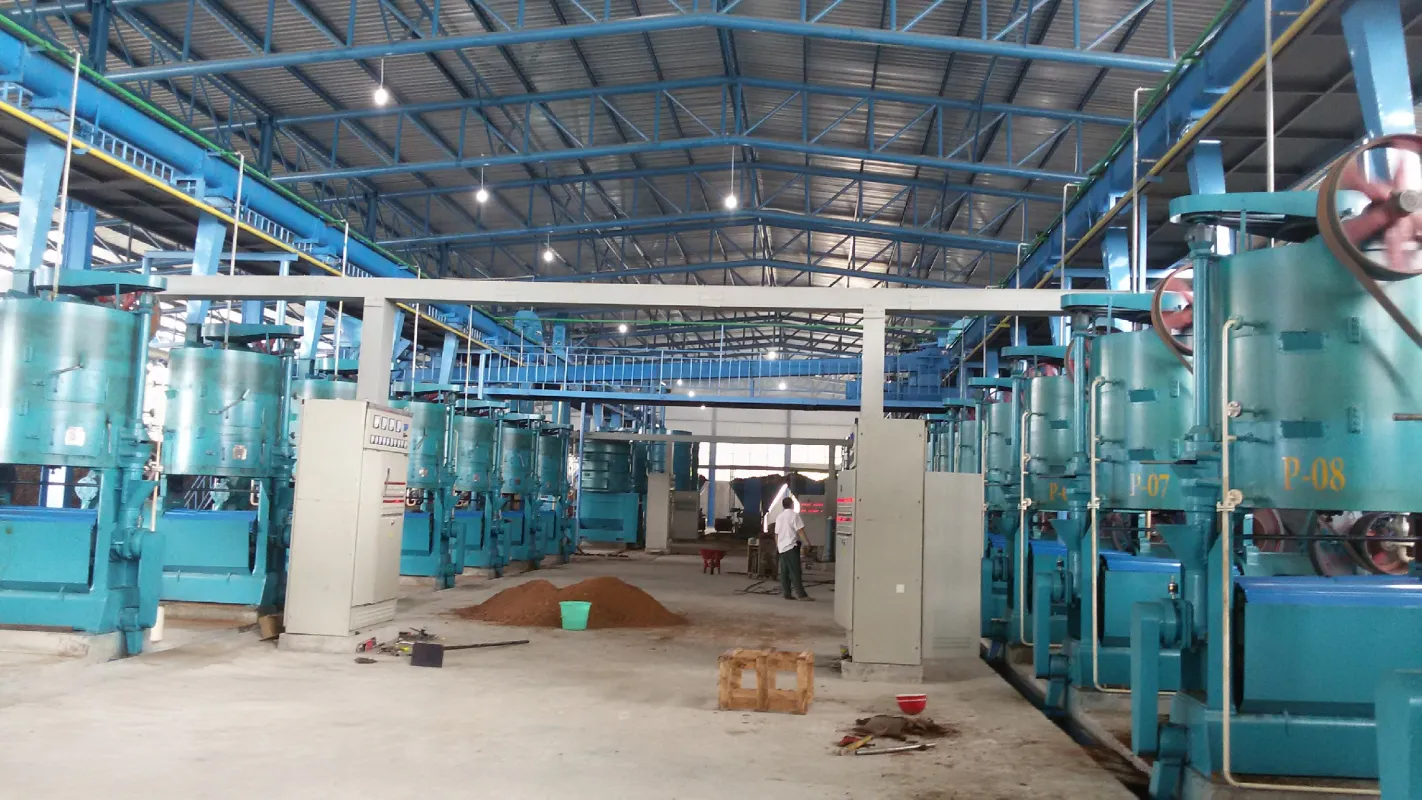
Integrated plant layout for continuous, compliance-ready rapeseed oil production.
Parameter Windows That Protect Quality and Boost Yield
Controlling temperature, time, and pressure at each stage stabilizes flavor, color, and nutritional markers (e.g., tocopherols), while minimizing FFA, PV, and anisidine. The following reference ranges are widely used by efficient B2B rapeseed oil production lines:
Residual oil in cake: 6–8% (pre-press); ≥12% if full cold press
Degumming
Water/acid 0.1–0.3%; 70–80°C; 20–30 min
Phospholipids ↓ to ≤10–30 ppm (for physical refining)
Neutralization (if chemical)
NaOH 12–18°Bé; 60–70°C
FFA removal to <0.1–0.3%; manage soapstock loss
Bleaching
0.5–1.0% earth; 90–110°C; <50 ppm moisture
Color correction; metals and peroxides reduction
Deodorization
180–230°C; <3 mbar; 2–4 h; sparge steam 1–2%
FFA to <0.05–0.1%; neutral flavor; minimize trans/isomerization
Core Refining Operations: Practical Notes for Export Compliance
1) Degumming
Switch between water, acid, or enzymatic degumming depending on target markets. For physical refining at scale, acid or enzymatic routes help push phosphatides toward <30 ppm and metals below 0.1 ppm, lowering bleaching earth consumption by 10–20%.
2) Deacidification (Neutralization vs. Physical)
Chemical neutralization is robust for variable crude quality but adds soapstock handling. Physical refining (steam stripping under deep vacuum) can reduce total neutral oil loss by 0.3–0.8% when gums are very low—ideal for consistent, high-volume B2B rapeseed oil production.
3) Bleaching
Use low-peroxide earth; tight control of moisture and temperature prevents post-bleach PV rebound. Inline chlorophyll monitoring helps ensure export grade color in the 10–15 Lovibond range (5.25” cell), depending on specification.
4) Deodorization
Deep vacuum (<3 mbar) and optimized residence time protect natural tocopherols (often >70% retention vs. crude), while meeting sensory targets for EU/US buyers. Integrate heat recovery to cut steam demand.
Equipment Synergy and Automation That Scale
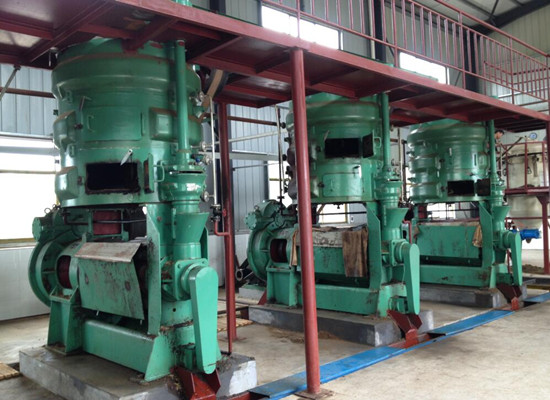
Servo-driven screw presses with variable pitch and torque feedback stabilize residual oil in cake.
Inline degumming reactors with static mixers and residence-time control for reproducible ppm targets.
Bleach filters with cake precoat; automated earth dosing reduces overdosing by 5–10%.
Deodorizer with structured packing and energy integration (economizers, thermal oil loops).
PLC/SCADA with historian, OEE dashboards, and recipe management; CIP-ready where applicable.
Reference utilities per ton refined oil (typical): steam 180–280 kg; electricity 35–55 kWh; water 0.5–1.5 m³; bleaching earth 0.5–1.0%; citric/phosphoric acid 0.05–0.2%. Real figures vary with crude quality and spec.
Compliance by Design
Food safety: HACCP-ready layouts, hygienic design in contact zones; supports ISO 22000, FSSC 22000.
Equipment conformity: CE/UKCA marking; pressure vessels per ASME/EN; explosion safety per ATEX where required.
Traceability: lot-based MES integration and lab data linkage for export documentation and audits.
Result: lower risk during customer audits and faster market clearances in EU, North America, MENA, and APAC.
Performance Benchmarks and Business Impact
KPI
Typical Result
What It Means for Exporters
Refined oil yield
95–97% of crude
More sellable liters per ton; compounding margin over volumes
FFA (final)
<0.05–0.1%
Meets stringent buyer specs; reduced claim risk
Color (Lovibond)
10–15 Y; 1.0–1.5 R (5.25”)
Shelf appeal and consistency across markets
OEE (refinery)
≥85% in mature operations
Predictable lead times for B2B contracts
ROI Snapshot (illustrative):
For a 100 TPD line operating 330 days/year, a 0.8% yield gain and 6% utility savings can translate to mid six-figure annual value, before logistics benefits from fewer reworks/claims. Exact ROI depends on crude quality, energy rates, and product mix.
Industry Cases
Southeast Asia, 200 TPD Export Line
Pre-press + physical refining with energy integration. KPIs: refined yield +0.9%, earth consumption −15%, FFA final 0.06%. Lead time adherence improved (on-time shipments +8%) due to OEE stabilization and recipe control.
Eastern Europe, 50 TPD Multi-Market Compliance
Flexible degumming (switchable acid/enzymatic) and chemical neutralization for variable seed quality. Achieved color 12Y/1.2R consistently, reduced off-spec batches by 70% within first quarter, enabling expansion into EU private label channels.
Coordinated control logic and historian data simplify audits and spec proof for global buyers.
Lifecycle support—spare parts, remote monitoring, and optimization—protects uptime and yields.
SEO note for buyers: rapeseed oil refining process, rapeseed oil processing equipment, one-stop processing solution—these are the performance levers that de-risk export growth and create measurable value.
Accelerate Your Export-Ready Rapeseed Oil Line
See how a unified design, precise parameter control, and automation improve yield, quality, and compliance—start with a tailored process audit and ROI model.