Automation Control System Operating Guide for Rice Bran Oil Production Lines: Start/Stop, Alarms, Handover, and Performance Validation
Based on delivered project documentation, this guide by Qi'e Grain and Oil Machinery Co., Ltd. explains standardized start/stop conditions, permission checks, status monitoring, alarm response, shift handover records, and post-maintenance verification for a rice bran oil production line automation control system, including operating benefit evaluation boundaries and methods.

This page provides an automation control system operating guide for a rice bran oil production line, prepared by Qi'e Grain and Oil Machinery Co., Ltd. (Qi'e Group) for plant managers, operators, and technical support teams. The guidance is intended to be used together with delivered manuals, approved process documents, and project-specific configuration for your site.
Operating boundaries: This guide does not provide instructions to bypass interlocks, mask alarms, or run with known faults. Operating parameters, recipes, and setpoints must follow the delivered documentation and approved process files.
What this guide covers
- Permission & role verification for safe, auditable operations
- Standardized start/stop prerequisite checks and conditions
- Real-time status monitoring and key indications
- Alarm response workflow, escalation, and record retention
- Shift handover logs and exception communication
- Post-maintenance verification and controlled return to service
- Operational performance evaluation: energy, runtime, downtime, quality variability
Process linkage (interlocks)
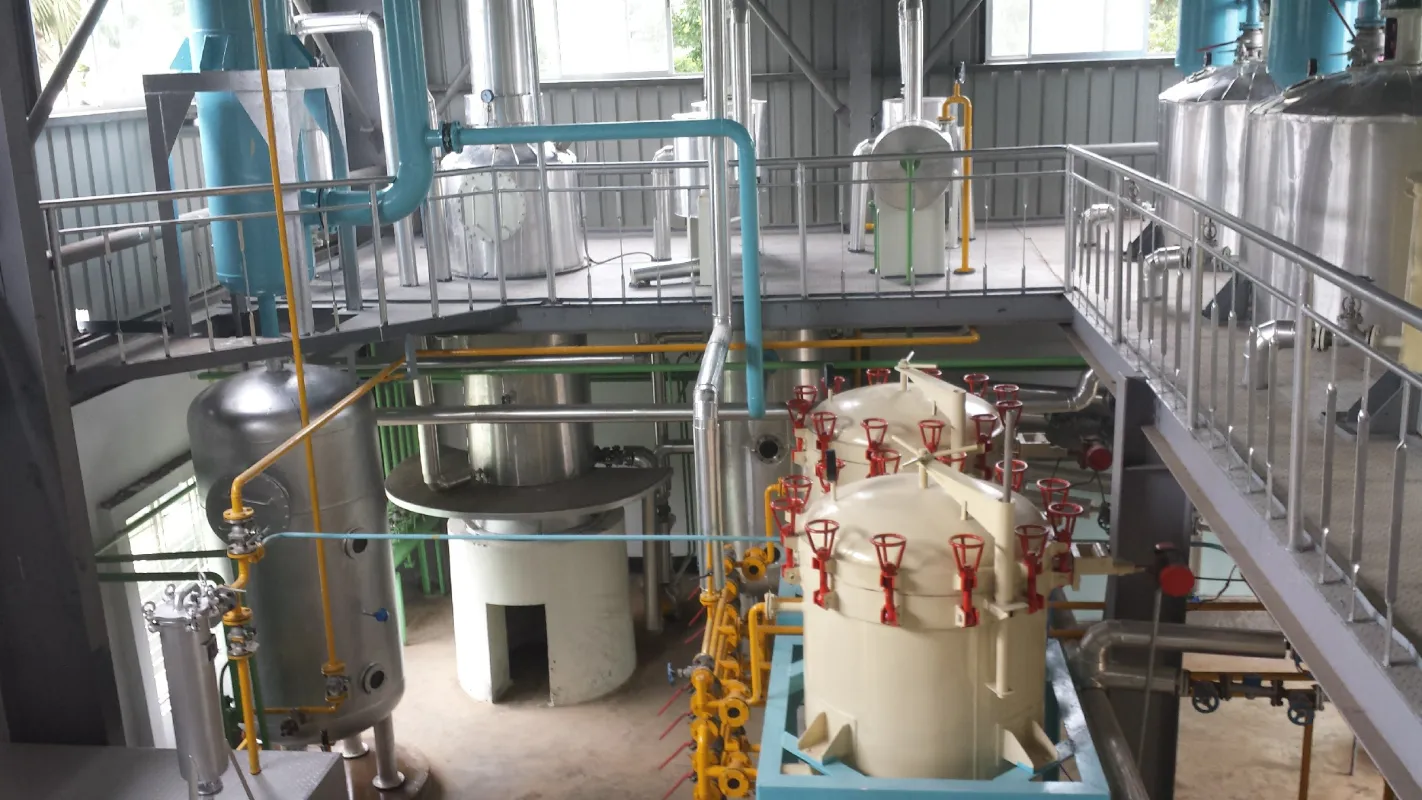
The automation control system is designed to coordinate upstream/downstream interlocks across sections typically configured in a rice bran oil line, such as:
- Extraction section coordination and safe material/utility readiness
- Refining section sequencing with quality and safety constraints
- Winterization section linkage to downstream stability requirements
Note: Exact signals, permissives, and sequence logic must be confirmed against your delivered project drawings and approved process documents.
1) Role permissions & pre-operation verification
Before any start/stop action, confirm that the operator account and workstation meet the site’s authorization rules. Permission checks reduce the risk of unintended actions and support traceability in daily operation and audits.
Recommended verification checklist
- User identity: log in with assigned role (operator/shift lead/maintenance/engineer).
- Control mode: confirm the section is in the intended mode (as defined in your delivered manuals).
- Active alarms: review current alarms and unresolved events prior to startup.
- Safety readiness: confirm that safety devices and required permissives are available (do not bypass).
- Documentation: verify current approved process files/recipes are loaded as required by the project configuration.
2) Start-up: prerequisite checks and standardized sequence
For stable output and safe operation, use a prerequisite-first approach. Start-up should only proceed when all defined conditions are met in accordance with delivered project documentation.
Start-up flow (high-level)
- Confirm prerequisites: utilities, safety permissives, section readiness, and required interlocks available.
- Verify status: equipment states and instrumentation indications are within acceptable ranges per approved files.
- Execute start sequence: follow system prompts/sequence steps; do not force-run against interlocks.
- Stabilize & monitor: observe trend charts and key status indicators until stable operation is achieved.
- Record: log start time, abnormalities, and corrective actions as required by your SOP.
Tip for operators: If prerequisites are not satisfied, treat it as a condition to resolve rather than attempting repeated start commands. Use the alarm/event list and permissive status screens to identify the blocking condition.
3) Normal operation: status monitoring and control objectives
During continuous production, the automation control system supports consistent processing by providing real-time status monitoring and control objectives aligned with extraction, refining, and winterization sections configured for your project.
What to monitor (operator focus)
| Area |
Typical checks (project-defined) |
Record / action |
| System status |
Active alarms, interlock status, mode states, key equipment run/stop states |
Acknowledge per SOP; escalate recurring events |
| Process stability |
Trend deviations, abnormal fluctuations, section-to-section coordination |
Log abnormality; apply approved adjustment steps only |
| Quality risk points |
Indicators linked to refining/winterization performance (as defined in approved files) |
Hold/notify QA where required; keep traceable records |
| Utilities boundary |
Utility availability and consumption signals used for evaluation boundaries |
Use consistent boundaries in performance reporting |
4) Alarm response workflow (no masking, no bypass)
Alarm management should be consistent and auditable. The goal is to restore safe, stable operation while preserving event history for troubleshooting and continuous improvement.
Standard workflow
- Recognize & classify: identify alarm type (process deviation / equipment status / safety permissive) based on system definition.
- Stabilize: follow delivered SOP actions to keep the section stable; prioritize safety and interlocks.
- Investigate cause: use alarm/event logs and trend history to locate the upstream trigger.
- Correct: perform only approved corrective steps; if maintenance is needed, create/assign a work order and define isolation steps per site rules.
- Verify & record: confirm the alarm clears under normal conditions; record time, action, and responsible person.
- Escalate when required: notify shift lead/engineering/technical support according to severity rules.
If an alarm persists or repeats, treat it as a signal of unresolved root cause—avoid repeated resets or continued running with known faults.
5) Shutdown: planned stop and safe state confirmation
Shutdown actions should follow standardized conditions to protect equipment, maintain product integrity, and ensure a predictable restart. Always use the defined stop sequence and confirm the system reaches a safe state.
Planned stop (recommended)
- Confirm downstream readiness for stop per interlock design
- Execute stop sequence as prompted by the control system
- Verify equipment states and required isolation per site procedures
- Record stop reason, time, and any abnormalities
Unplanned stop (event-driven)
- Follow alarm response workflow and escalation rules
- Capture event history and key trend windows for troubleshooting
- Do not restart until permissives and post-maintenance validation are completed
6) Shift handover: records that prevent repeated incidents
A structured handover reduces operational variability. Handover records should be clear enough for the next shift to understand current status, constraints, and open issues.
Handover record items
- Current operating mode and section-by-section status (extraction / refining / winterization as configured)
- Active/standing alarms, temporary measures (approved), and escalation status
- Quality-related notes (in-process holds, sampling status, deviations) per site QA rules
- Maintenance activities in progress, isolations applied, and safe access constraints
- Planned tasks for next shift and any prerequisites
7) Post-maintenance verification & controlled return to service
After maintenance, the control system and field devices must be validated before resuming production. The objective is to ensure that instrumentation feedback, interlocks, and sequences behave as designed under approved operating conditions.
Verification steps (typical)
- Scope confirmation: confirm what was changed/repaired and which tags/loops are affected.
- Functional checks: verify sensor indications, actuator responses, and communication status per delivered checklists.
- Interlock confirmation: confirm permissives and interlocks are intact; no bypasses remain.
- Trial run under control: restart according to the approved start sequence and monitor trends.
- Record retention: keep test records, approvals, and timestamps per site policy.
8) Performance validation: methods and boundaries
Performance evaluation should be based on defined feedstock conditions, a clear statistical period, and consistent utility boundaries. This helps operations teams compare periods fairly and identify improvement opportunities without overstating results.
Recommended KPI definitions (example framework)
Use the KPI list below as a structure; exact calculation rules must follow your delivered project documentation and site-approved reporting standards.
| Metric |
What it reflects |
Boundary notes |
| Energy per unit throughput |
Energy efficiency of the operating period |
Define included utilities and measurement points consistently |
| Effective runtime |
Time the line runs under acceptable conditions |
State what counts as “effective” (quality/stability rules) |
| Unplanned downtime |
Reliability and maintainability performance |
Classify by cause category using event and work-order data |
| Quality variability |
Process consistency and control effectiveness |
Use a defined sampling plan and stable feedstock window |
Evaluation integrity: When reporting performance, state the feedstock condition (e.g., lot/period definition), the statistical window (shift/day/week/month), and the included utilities/sections. Avoid comparing periods with different boundaries.
About the rice bran oil production line (Qi'e Group)
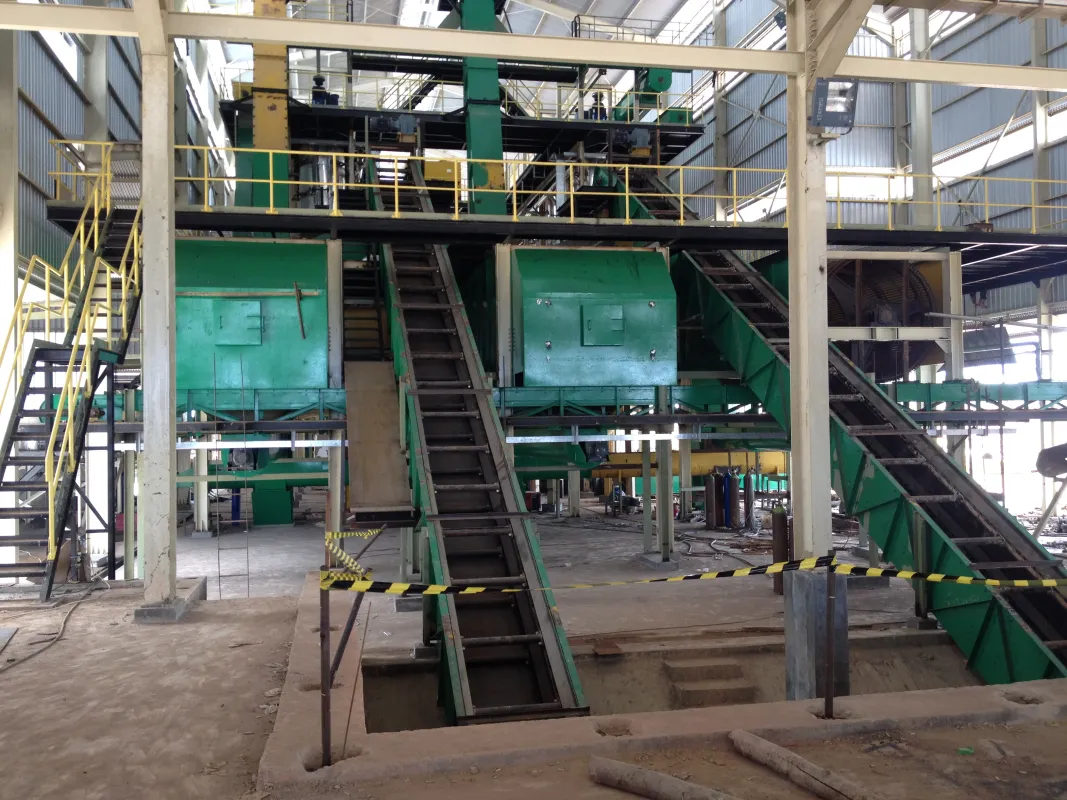
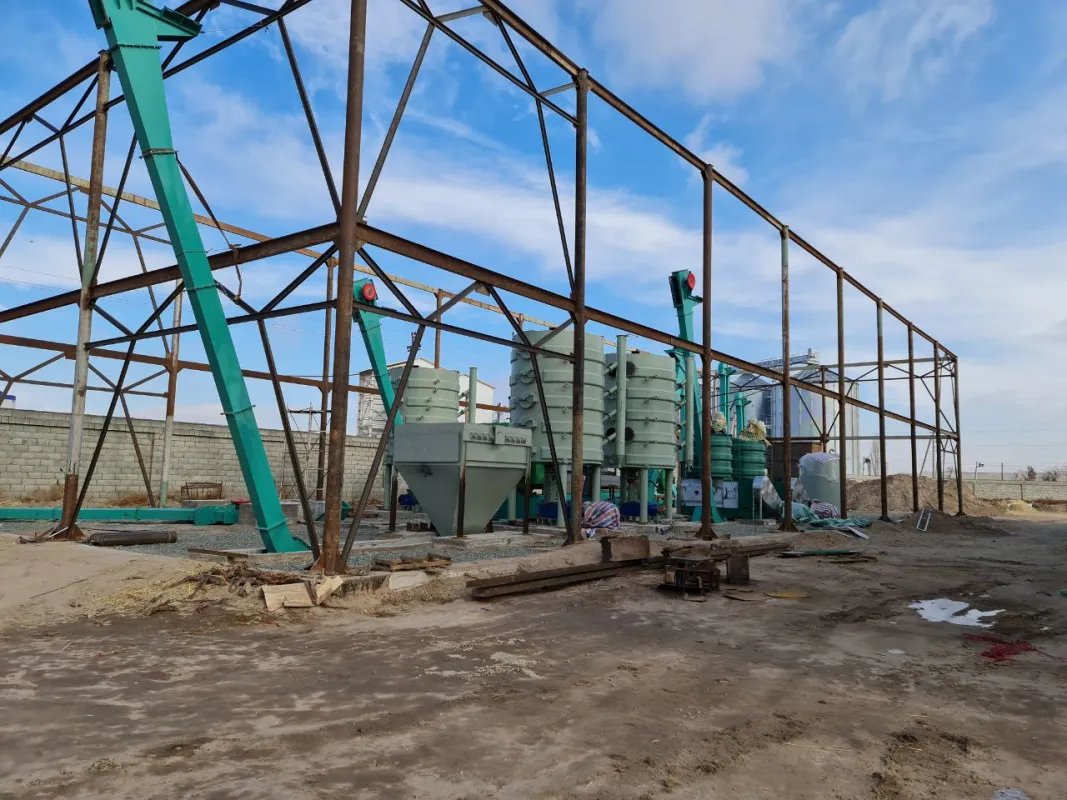
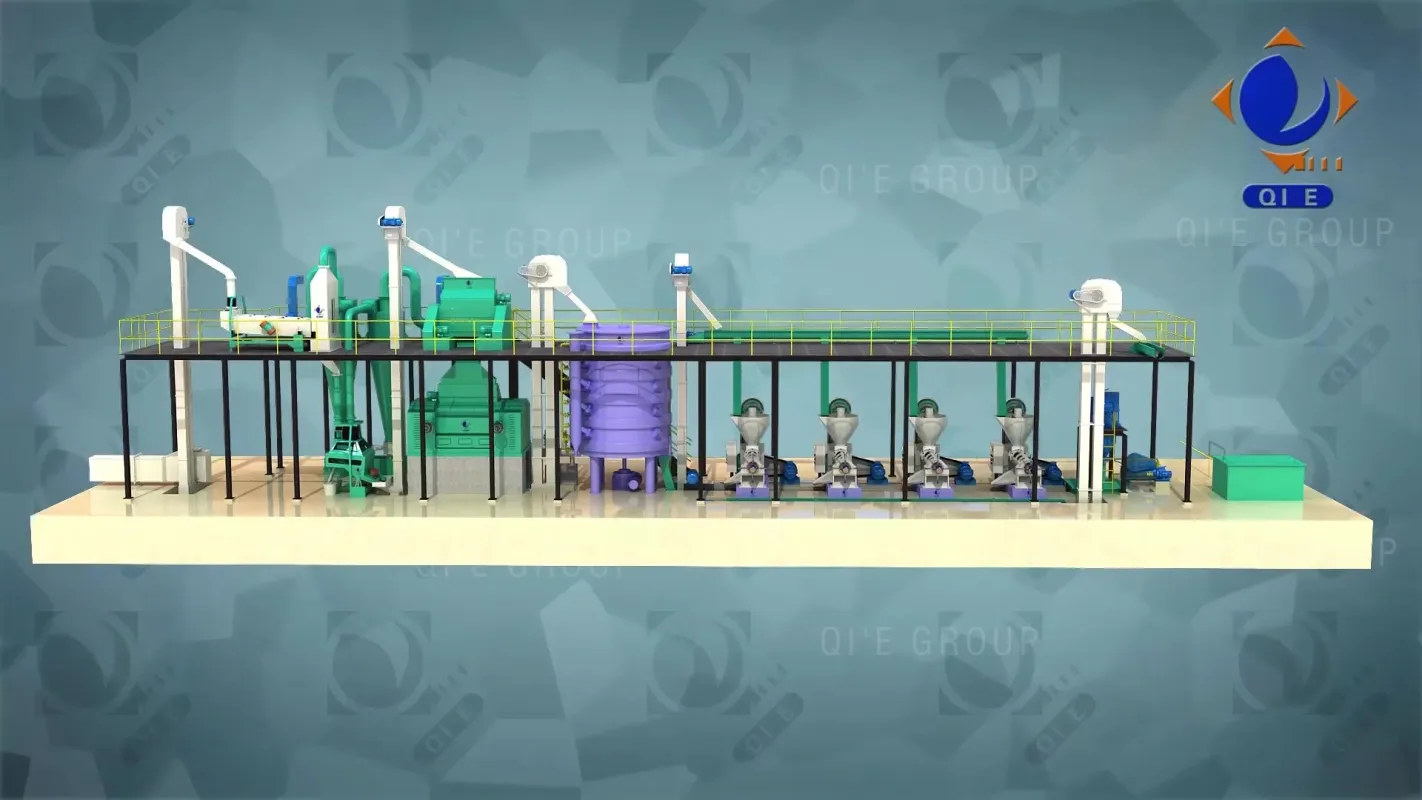
Qi'e Group develops and supplies rice bran oil production line equipment for global B2B projects, with design emphasis on automation, high efficiency, and environmental protection. Typical configurations can integrate steps such as raw material processing, extraction, refining, winterization, grading, and oil packaging, subject to project scope and approved process files.
For operation and maintenance teams, the most reliable results come from aligning daily actions with the delivered manuals, enforcing interlocks and alarm discipline, and maintaining complete handover and verification records.
Document control notes (recommended for onsite use)
- Keep this operating guide linked to the latest approved process documents and project manuals.
- Store alarm/event exports, handover logs, and post-maintenance verification records per your retention policy.
- If configuration changes are made, update operating steps only after approval and validation.