Verification Guide for Assessing Rice Bran Oil Production Line Advancement: From Process Coordination to Energy & Safety Validation
Qi'e Grain and Oil Machinery provides a practical verification guide for evaluating rice bran oil production lines—covering raw material readiness, process coordination from pretreatment to extraction, refining and optional winterization, plus automation monitoring, yield/energy KPIs, and environmental & solvent safety compliance.
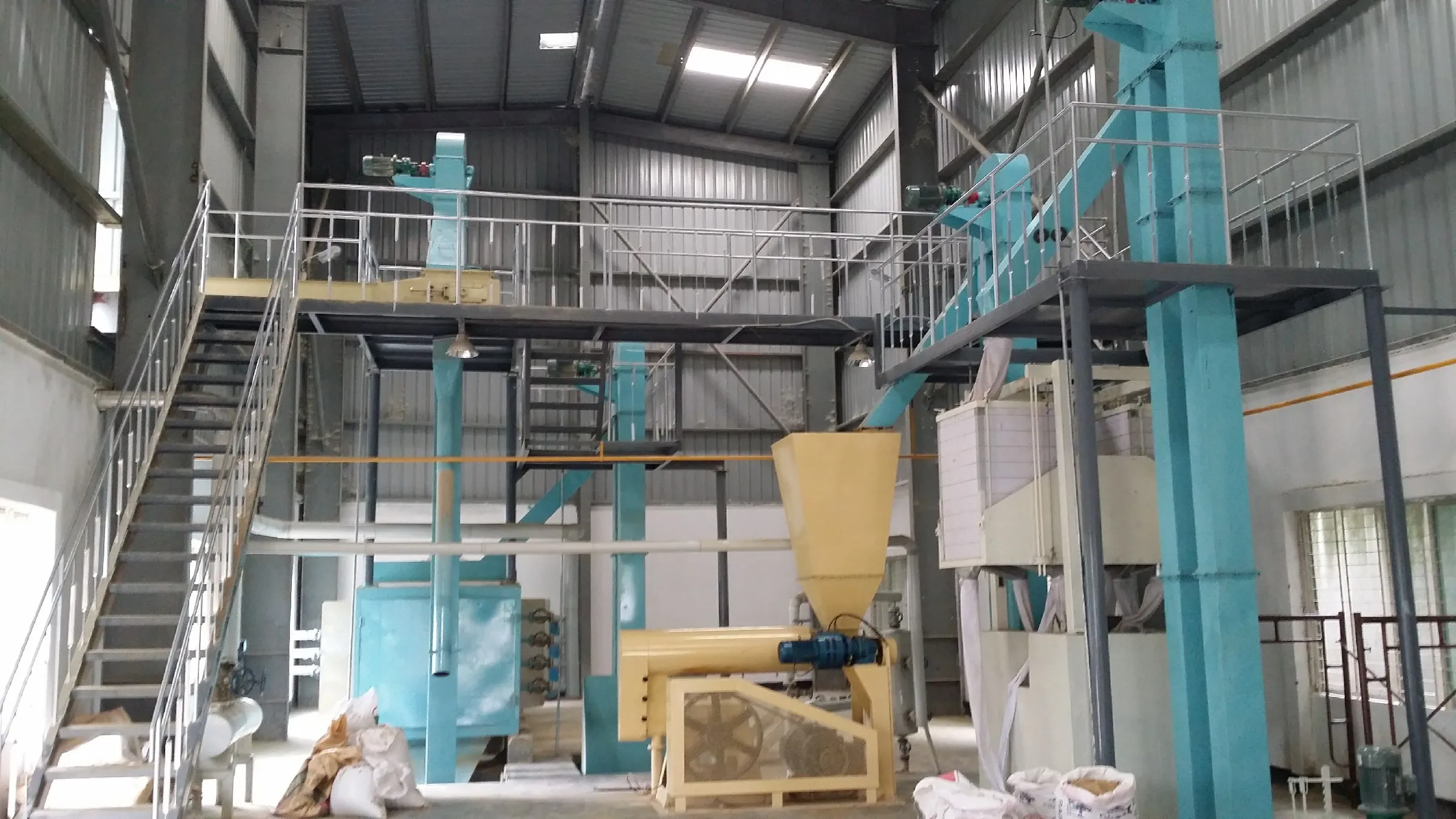
For engineering, procurement, and project teams, evaluating an “advanced” rice bran oil production line should be more than a supplier claim—it should be a verifiable, project-specific checklist that connects process synergy, quality stability, energy performance, and solvent/environmental safety.
Framework owner: Qi'e Grain and Oil Machinery Co., Ltd. (企鹅集团) — grain & edible oil machinery manufacturer serving global B2B projects with equipment, line design support, installation guidance, and technical service.
1) Start with Raw Material Readiness (Rice Bran ≠ Rice Husk)
A technically sound evaluation begins upstream. Rice bran is prone to rapid quality change; your verification should confirm whether the line design matches your local rice milling conditions and bran handling reality.
- Material identification: confirm the project scope is rice bran (oil-bearing layer) rather than rice husk (outer shell with very limited oil value for edible oil production).
- Freshness & storage path: verify time from milling to processing, storage temperature control, and whether the supplier has a stabilization approach suitable for your site conditions.
- Moisture/impurity control: confirm target moisture range, screening/removal strategy, and how variability is handled without disrupting extraction stability.
- Incoming inspection items: define acceptance checks (moisture, impurities, consistency) and align them to your quality requirements and contracts.
Practical tip: If the supplier cannot clearly state how bran variability affects extraction efficiency, refining load, and final oil stability, the “advanced technology” claim is difficult to validate.
2) Verify Process Synergy: Pretreatment → (Optional) Pre-Pressing → Solvent Extraction → Refining
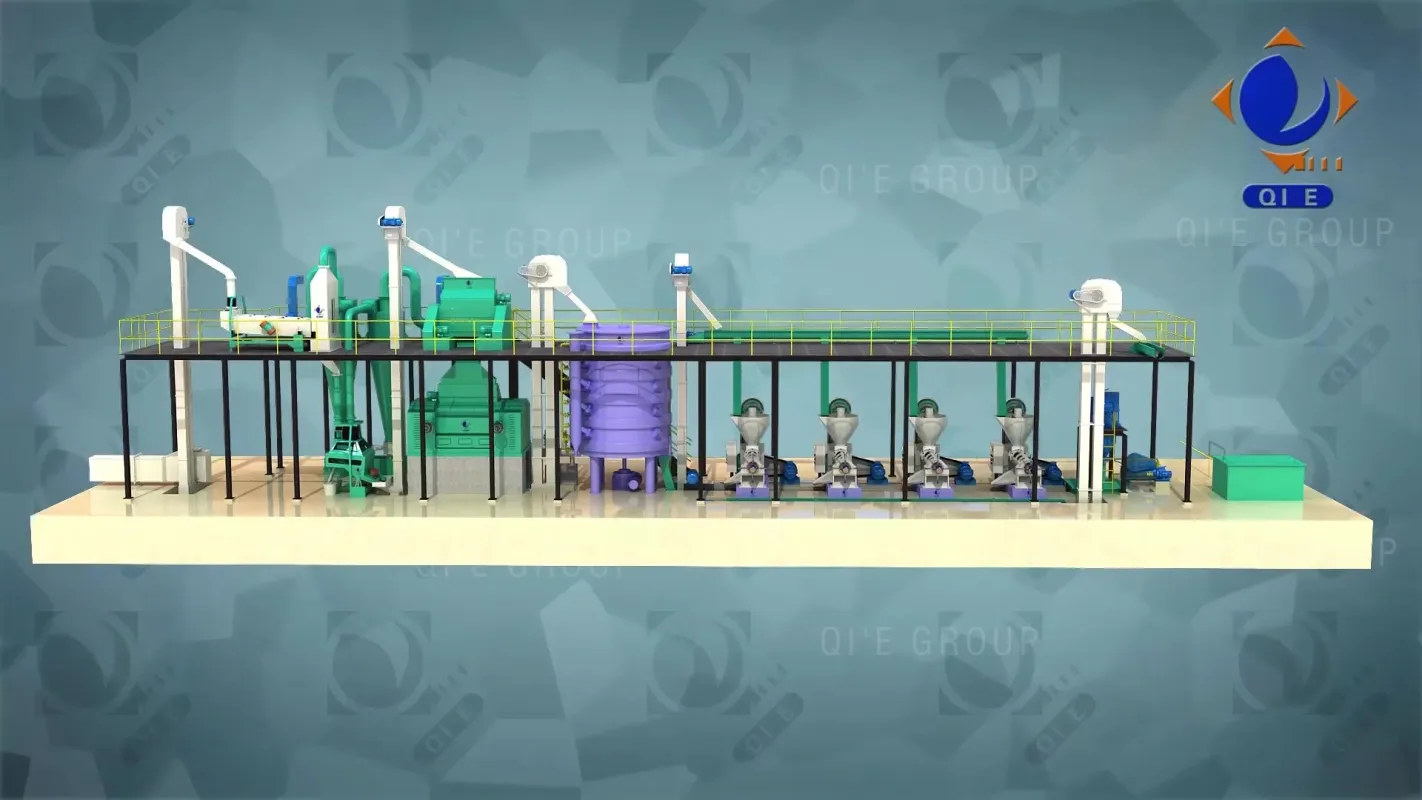
An advanced line is not defined by a single machine—it is defined by how each section stays coordinated under continuous operation and real-world feed fluctuations. For the Rice Bran Oil Production Line offered by Qi'e Grain and Oil Machinery, the process can be configured as an integrated route covering pretreatment, extraction, refining, and optional winterization/grading.
Process coordination checkpoints (what to ask & what to confirm)
- Pretreatment stability: capacity matching, moisture conditioning logic, and how steady feed is maintained to downstream units.
- Optional pre-pressing decision: verify when pre-pressing is recommended and how it affects extraction load, solvent demand, and operating cost.
- Solvent extraction integration: confirm solvent management concept, sealing strategy, and how extraction parameters are kept stable for consistent crude oil quality.
- Refining fit: ensure the refining section is sized and configured for your crude oil characteristics and finished oil specification.
- Optional winterization / grading: validate whether required for your target market, and how it is integrated without becoming a bottleneck.
| Line Section |
Evidence to Request |
Why It Matters |
| Pretreatment |
Process description, capacity matching notes, control points list |
Upstream instability propagates into yield swings and quality drift |
| Extraction |
Solvent handling boundary, sealing/venting design principles, interlock overview |
Directly impacts safety, compliance, operating continuity, and energy use |
| Refining |
Refining route options, quality targets definition, instrumentation list |
Determines finished oil stability, purity, and ability to meet market specs |
| Winterization (Optional) |
Bottleneck check, cooling/filtration concept, control strategy |
Avoids downstream constraints when producing higher-grade products |
3) Confirm Automation & Monitoring: “Easy to Operate” Must Be Testable
High automation is valuable only when it supports stable production and reduces reliance on operator experience. When assessing a rice bran oil line, validate the control scope and alarm/interlock logic across the full route—from raw material processing to extraction, refining, and oil packaging.
- Control boundaries: which steps are automated, which remain manual, and how setpoints are managed.
- Traceability: how batch/shift data, key parameters, and deviations are recorded for quality review.
- Start-up & shutdown procedures: whether standard procedures and safeguards are provided to reduce risk and downtime.
- Maintainability: accessibility for cleaning, routine inspections, and replacement of wear parts without extended line stoppage.
A practical procurement requirement is to request the supplier to map each critical step to:
sensor → control action → alarm threshold → operator response. This is where “advanced” becomes verifiable.
4) Define KPIs Upfront: Capacity, Yield & Energy per Ton
Performance evaluation should use agreed KPIs tied to your raw material conditions and target product grade. Rather than accepting generic figures, confirm how the supplier proposes to verify performance during commissioning and steady operation.
Recommended KPI checklist (project-specific values required)
- Throughput (t/day or t/h): define rated capacity and acceptable operating range.
- Yield verification: define how yield is calculated and what measurement method will be used on-site.
- Energy consumption per ton: confirm electricity/steam (as applicable) boundaries and measurement points.
- Finished oil stability: define the quality stability checks you require across shifts and seasons.
Note: KPIs are sensitive to rice bran freshness, moisture, impurities, and target refining/winterization specs—ensure your contract and acceptance test plan reflect your actual feedstock and market requirements.
5) Environmental & Solvent Safety: Boundary Checks for Compliance
For solvent-based extraction lines in particular, advancement includes verifiable controls that reduce emissions, improve resource recovery, and protect people and facilities. Qi'e Grain and Oil Machinery’s rice bran oil production line configuration emphasizes low energy consumption, low emissions, and engineering provisions for modern environmental requirements.
Environmental verification items
- Exhaust treatment boundary: confirm what is included, measurement points, and operating logic.
- Wastewater recovery concept: confirm recovery routes and how load fluctuations are managed.
- Low-emission operation: verify sealing philosophy and maintenance requirements that keep emissions controlled over time.
Solvent & fire/explosion protection checks
- Solvent management: storage/transfer boundaries, leak detection approach, and handling procedures.
- Safety interlocks: emergency stop logic, alarms, and critical shutoff points for abnormal conditions.
- Site compliance: confirm equipment and pipeline standards alignment to food production safety and applicable industry norms.
When comparing suppliers, prioritize those who can provide a clear scope boundary list for environmental systems and safety systems—what is included in supply, what depends on site utilities, and what must be completed by the EPC or plant owner.
6) What “Advanced” Looks Like in Practice (Evaluation Outcomes)
An advanced rice bran oil production line should demonstrate, during technical clarification and acceptance planning, that it can:
- Maintain stable operation through coordinated sizing and control across pretreatment, extraction, refining, and optional winterization.
- Deliver repeatable oil quality through defined process parameters and monitoring—not operator guesswork.
- Support measurable performance validation with agreed KPIs (capacity, yield calculation method, energy consumption per ton).
- Meet project-specific environmental and solvent safety requirements with defined boundaries, safeguards, and maintenance logic.
Work with Qi'e Grain and Oil Machinery
If you are planning a rice bran oil extraction and refining project for Asia, Africa, South America, or other export-oriented markets, Qi'e Grain and Oil Machinery can support technical evaluation with a line configuration discussion (pretreatment, extraction, refining, optional winterization/grading), automation scope clarification, and compliance-oriented boundary checks—helping your team translate requirements into an executable, auditable procurement specification.