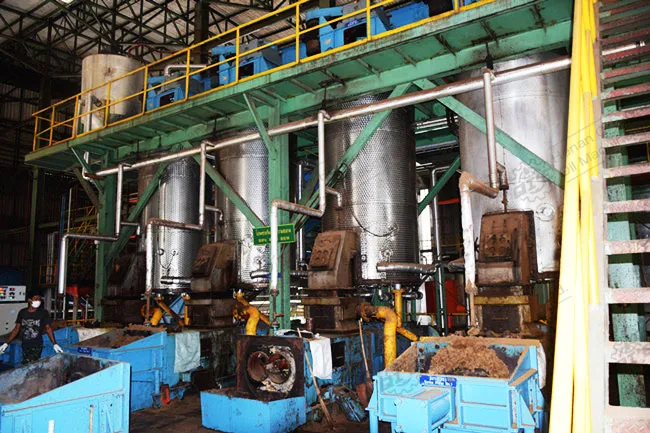
Export-Ready Rice Bran Oil Production Line: Process Configuration Checks & Verification Documents
Qi'e Grain and Oil Machinery Co., Ltd. explains an export-oriented evaluation path for rice bran oil production lines—linking target market requirements, finished oil specifications, process & equipment configuration (extraction, refining, winterization, grading), and the inspection/acceptance documents needed for supplier communication and project handover.

For export-oriented projects, evaluating a Rice Bran Oil Production Line is not only about “capacity” or “equipment brand”. What matters is whether the process configuration can consistently meet your target market’s finished oil specification—and whether the supplier can provide a verification document package that supports factory inspection, communication, and project handover.
This page shares an evaluation path used by Qi'e Grain and Oil Machinery Co., Ltd. (Qi'e Group): Target country/region → finished oil requirements → process & equipment configuration → inspection/acceptance evidence. Scope focuses on extraction (leaching), refining, winterization, and grading.
1) Start with Export Requirements: Define “Pass/Fail” Before You Check Equipment
Before reviewing a process diagram or quotation, clarify the finished rice bran oil requirements for your destination market and customer contract. Your evaluation checklist should translate requirements into verifiable items for the line configuration and documents.
- Finished oil specification: target grade/quality positioning, key quality indicators you will verify by sampling and testing (per your contract and local regulations).
- Production mode: continuous/batch preferences, operating hours, expected stability and quality consistency expectations.
- Food safety & engineering expectations: materials, hygienic design logic, and safety documentation you require from the supplier.
- Environmental boundary: expectations for waste-gas treatment and wastewater recovery operating conditions and evidence.
Note: manufacturing specifications and supplier files support evaluation and acceptance, but they are not automatically equivalent to certification or export approval. Final compliance conclusions should follow current regulations, contracts, and project evidence.
2) Process Configuration Review: Do the Modules Connect to Your Product Spec?
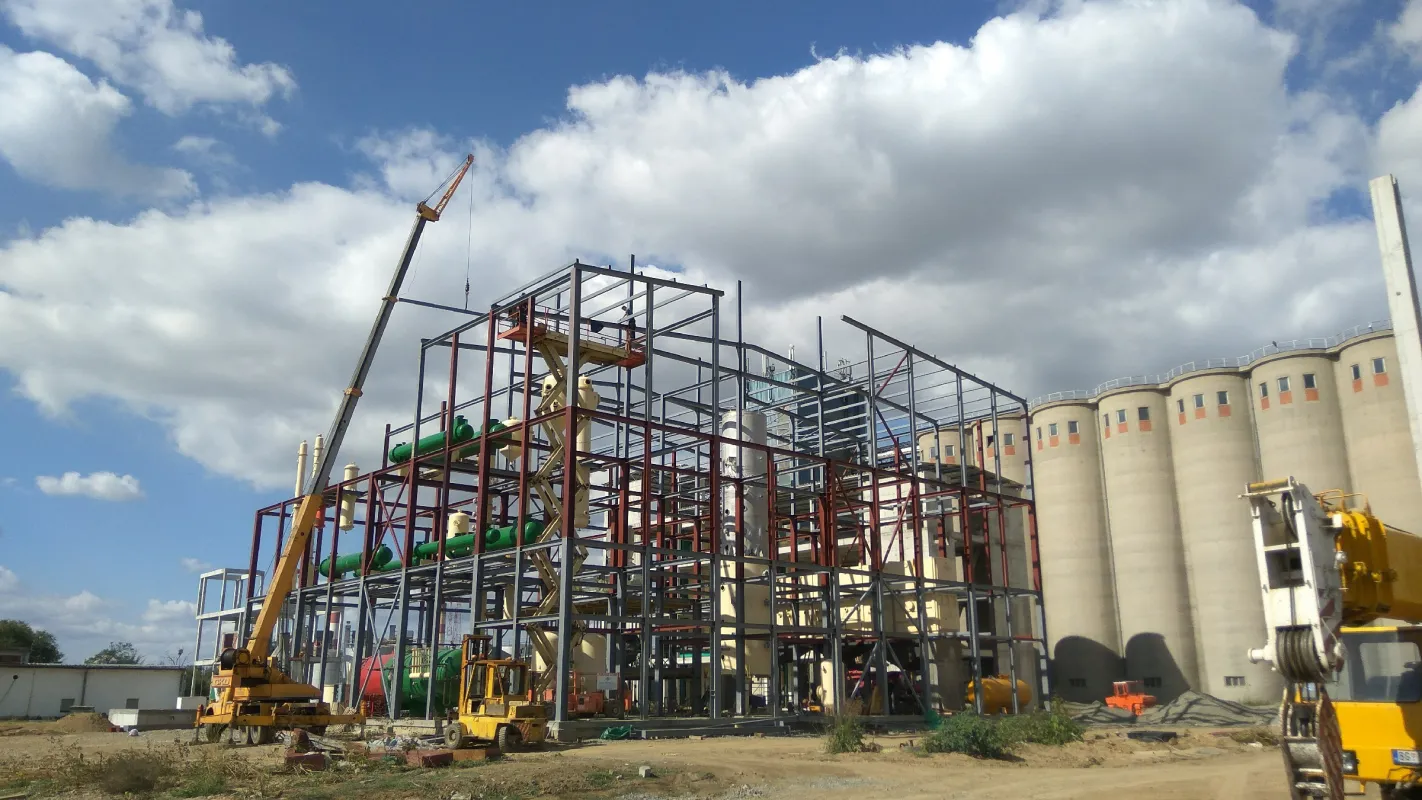
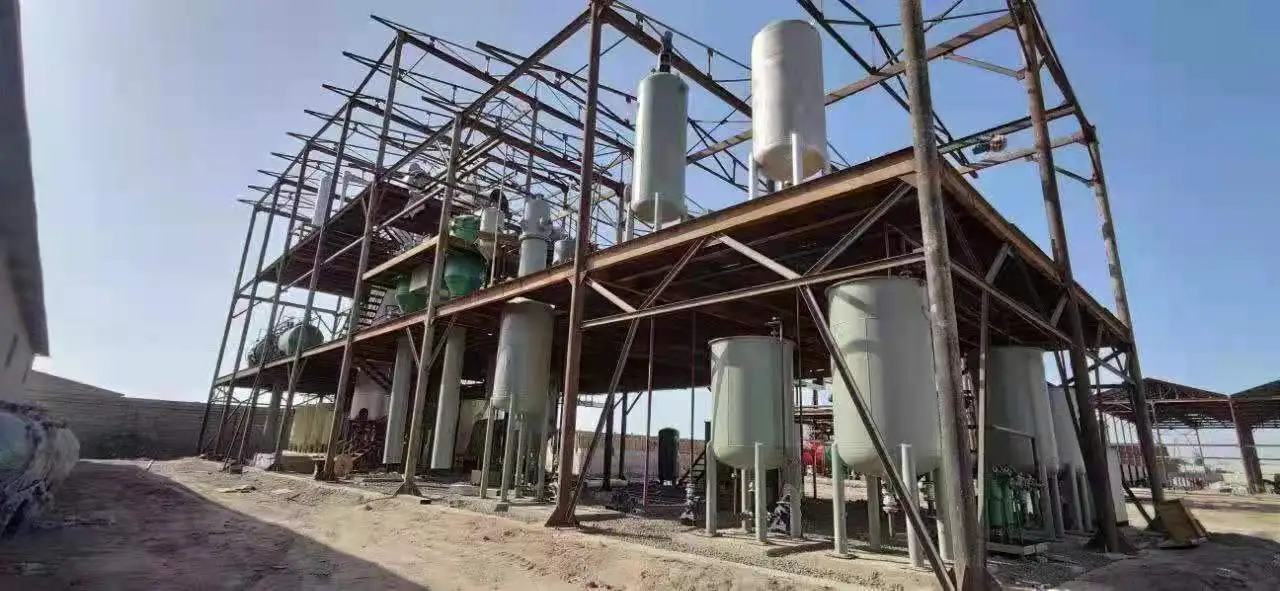
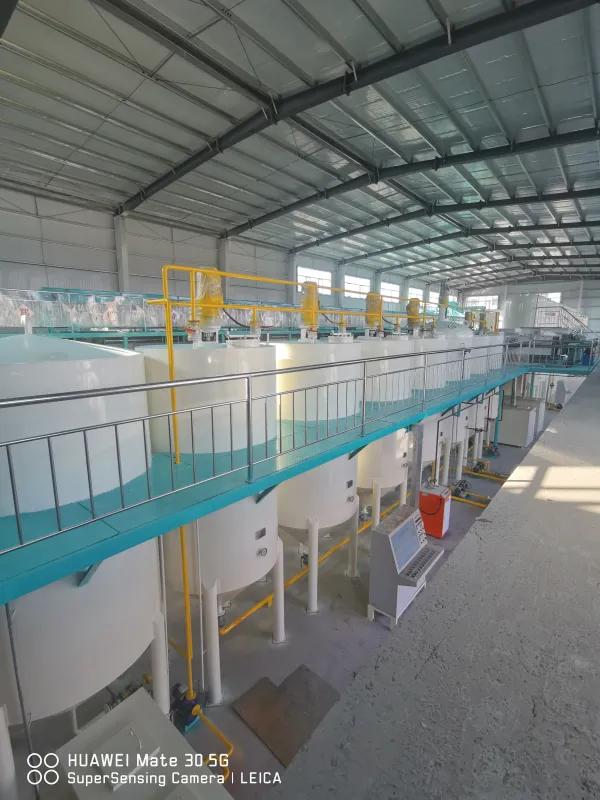
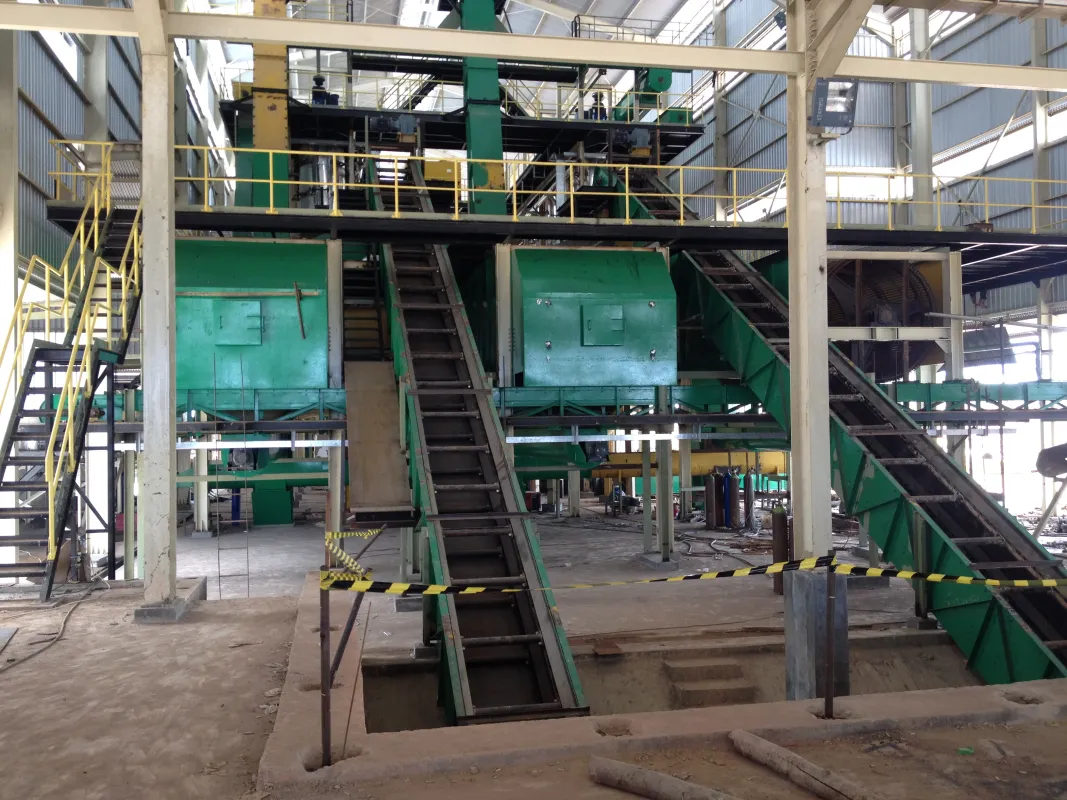
Qi'e Group’s Rice Bran Oil Production Line is designed for global B2B projects and supports a one-stop process route from raw material handling to oil output, with emphasis on automation, production efficiency, and energy-saving & eco-friendly operation. When you evaluate configuration, focus on the logic of the full process chain—not isolated machines.
Extraction (Leaching) Module
- Check whether the extraction route matches your raw material condition and target oil quality positioning.
- Confirm the line’s automation and control points for stable operation and consistent output.
- Review interface points to downstream refining (flow balance, transfer, filtration expectations per design).
Refining Module
- Verify that the refining configuration aligns with your finished oil specification and stability expectations.
- Confirm safety and hygienic design assumptions for equipment, pipelines, and operator safety.
- Check maintenance accessibility and long-term operating cost considerations (energy-saving design intent).
Winterization Module
- Confirm whether winterization is included/required for your target market and product appearance/clarity expectation.
- Review operating parameters that influence stability (cooling/holding/filtration logic per supplier design).
- Check how winterization connects to grading and final oil handling.
Grading / Product Routing
- Verify the configuration supports your intended product tiers (e.g., different grades/spec routes if planned).
- Confirm instrumentation and sampling points for acceptance checks.
- Clarify boundaries with downstream filling/packaging (not assumed included unless specified in contract).
Practical evaluation tip: Ask the supplier to map each module to your finished oil requirement list, showing where quality is formed, which parameters are controlled, and what evidence will be provided for inspection and acceptance.
3) Verification Documents Checklist for Supplier Q&A and Project Handover
For export projects, the inspection and acceptance documents matter as much as the equipment list. They reduce misunderstanding during supplier communication and help you build a structured acceptance checklist. Based on the configuration scope (extraction, refining, winterization, grading) and the environmental design emphasis, consider requesting:
| Document Category |
What to Verify / How It Helps |
| Equipment & pipeline manufacturing files |
Supports factory inspection and traceability for main equipment and pipeline systems; helps confirm build quality and consistency with the agreed configuration. |
| Safety design documentation |
Clarifies safety assumptions, operator protection logic, and design boundaries used during engineering and installation planning. |
| Operating conditions for waste-gas treatment |
Shows how the environmental protection subsystem is intended to run; helps you check whether site conditions and operating plan match the design. |
| Operating conditions for wastewater recovery |
Supports your environmental review and acceptance checklist; helps define what is required for stable, compliant operation at your site. |
| Module-to-module interface confirmation |
Ensures extraction → refining → winterization → grading are connected with clear boundaries, control points, and acceptance criteria. |
In supplier negotiations, you can treat the document package as a “second specification”: it defines what must be
provable at inspection and acceptance, not just what is promised in a brochure.
4) Factors That Affect Quality Stability and Production Efficiency (What to Check During Review)
- Raw material condition: variations in rice bran condition can impact extraction performance and final oil stability; align pretreatment assumptions with your supply reality.
- Automation level: higher automation can improve repeatability and manageability; confirm what is automated and what depends on operator judgment.
- Operating parameters: require clarity on key control parameters per module and how they are monitored/recorded for acceptance and operation.
- Maintenance and long-term cost: check design intent for low energy consumption, low emissions, and ease of maintenance to reduce long-term operating cost.
- Environmental subsystems: confirm waste-gas treatment and wastewater recovery are included as designed modules with clear operating conditions and evidence files.
5) Working with Qi'e Group: What You Can Align Early
Qi'e Grain and Oil Machinery Co., Ltd. provides export-oriented grain & oil processing equipment and integrated solutions covering design, installation coordination, and technical support. For the Rice Bran Oil Production Line, we recommend aligning the following items early to speed up evaluation and reduce rework:
- Your target country/region and the finished oil requirements you must meet (contract/regulation driven).
- Required modules and boundaries: extraction (leaching), refining, winterization, grading, and whether filling/packaging is in or out of scope.
- Your preferred inspection/acceptance document list (manufacturing files, safety design docs, waste-gas & wastewater operating conditions, and interface confirmations).
- Site constraints and operational expectations (utilities, layout, staffing, and maintenance plan assumptions).
By connecting process configuration with a clear verification documents package, your export project can move forward with more transparent supplier communication and more controllable acceptance milestones.