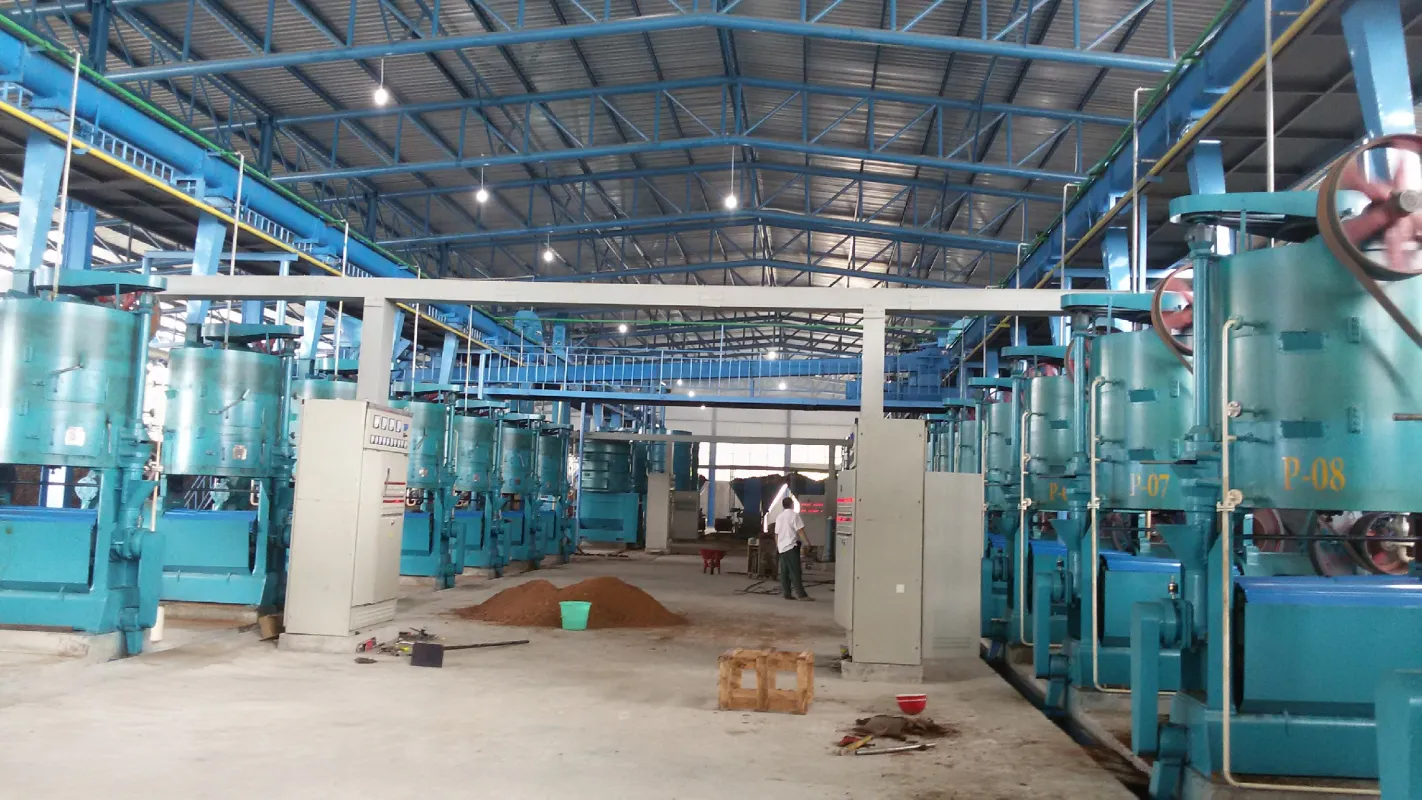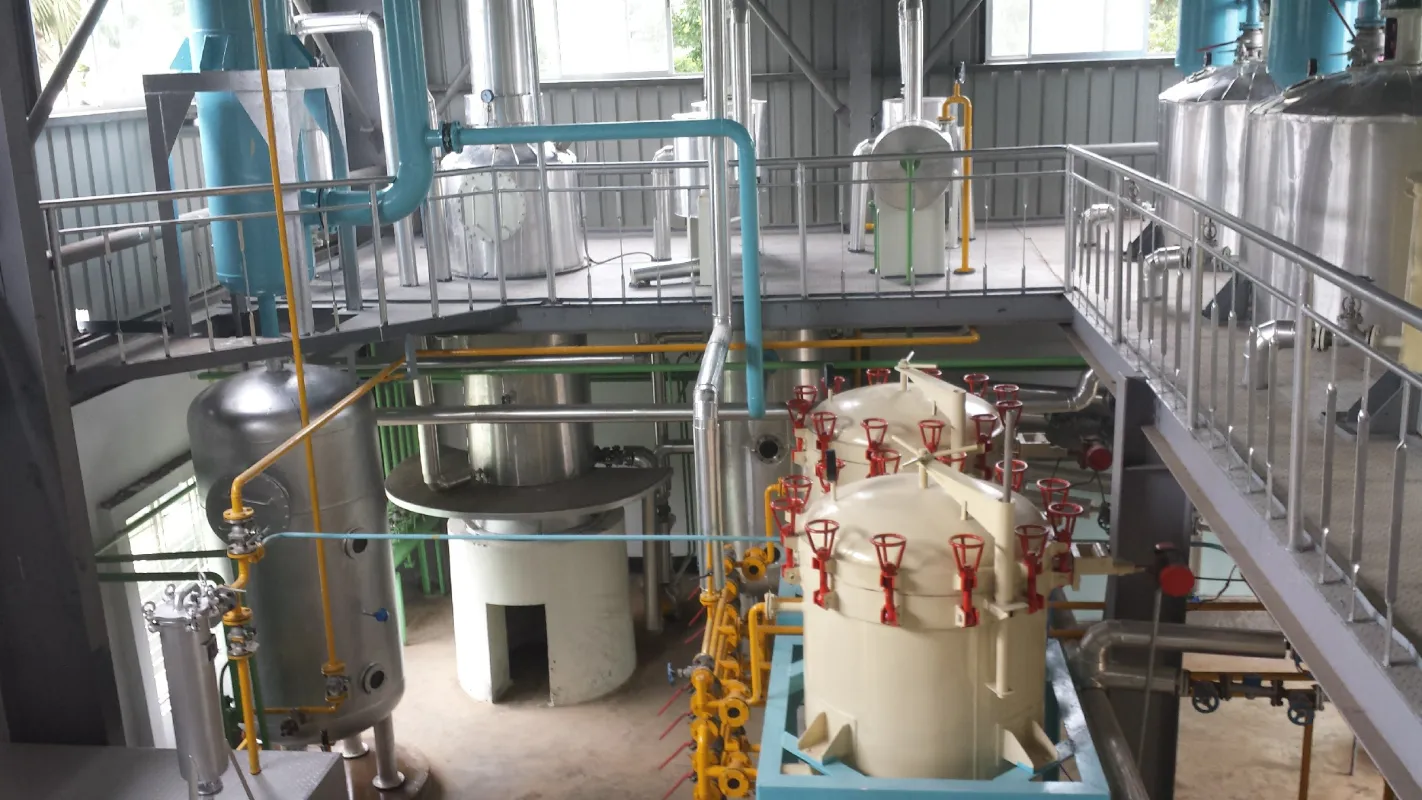
For palm oil producers facing rising energy costs and tight margins, optimizing the production line isn’t just smart—it’s essential. In a real-world case study from a Malaysian refinery processing 50 tons/day, implementing an intelligent monitoring system led to a 17% reduction in steam consumption across蒸煮 (steaming) and脱臭 (dehydration) stages—saving over $48,000 annually.
Traditionally, palm oil plants rely on manual checks for temperature, pressure, and flow rates. But that approach often misses inefficiencies—like overheated digesters or underperforming condensate recovery units—that silently drain energy. Our client’s data showed:
| Process Step | Avg. Steam Usage (kg/hr) | Post-Implementation |
|---|---|---|
| Steaming | 1,250 kg/hr | 1,040 kg/hr |
| Pressing | 980 kg/hr | 930 kg/hr |
| Deodorizing | 1,600 kg/hr | 1,320 kg/hr |
“Before the system, we were guessing when equipment needed maintenance. Now, we get alerts before failures happen—and our engineers can act remotely.”
— Ahmad Rahman, Maintenance Manager, MPOB-certified Refinery
The platform’s real power lies in predictive analytics and actionable insights. For example, by tracking heat exchanger efficiency over time, operators identified a 12% drop in thermal transfer performance—a sign of fouling—before it caused downtime. With remote access via mobile app, technicians adjusted parameters instantly, avoiding a potential 3-day shutdown.
Key features used daily include:
Even without full automation, small changes yield big results:
Get the Palm Oil Line Energy Audit Template—a practical tool used by top 10 global refiners to spot hidden inefficiencies in under 30 minutes.
👉 Download the PDF Now