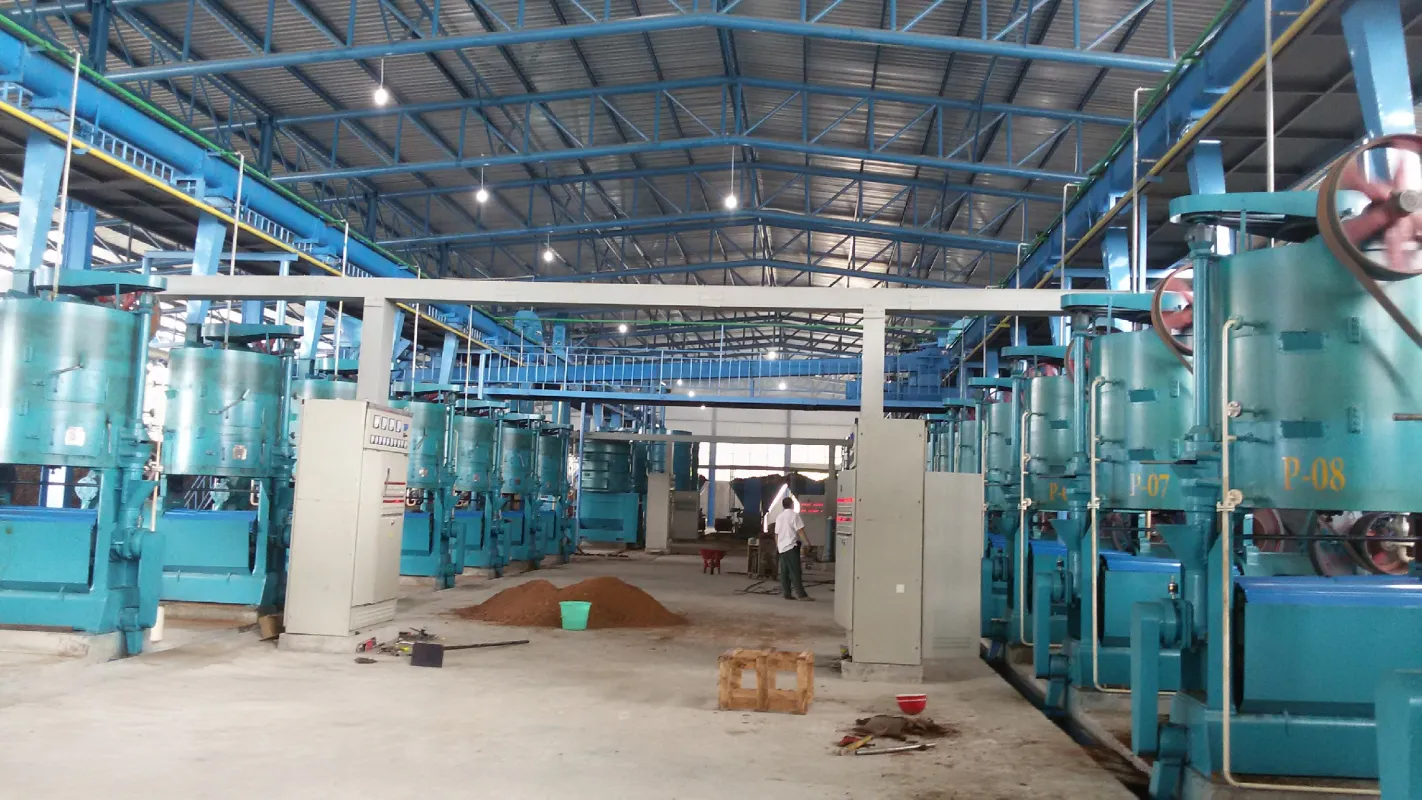
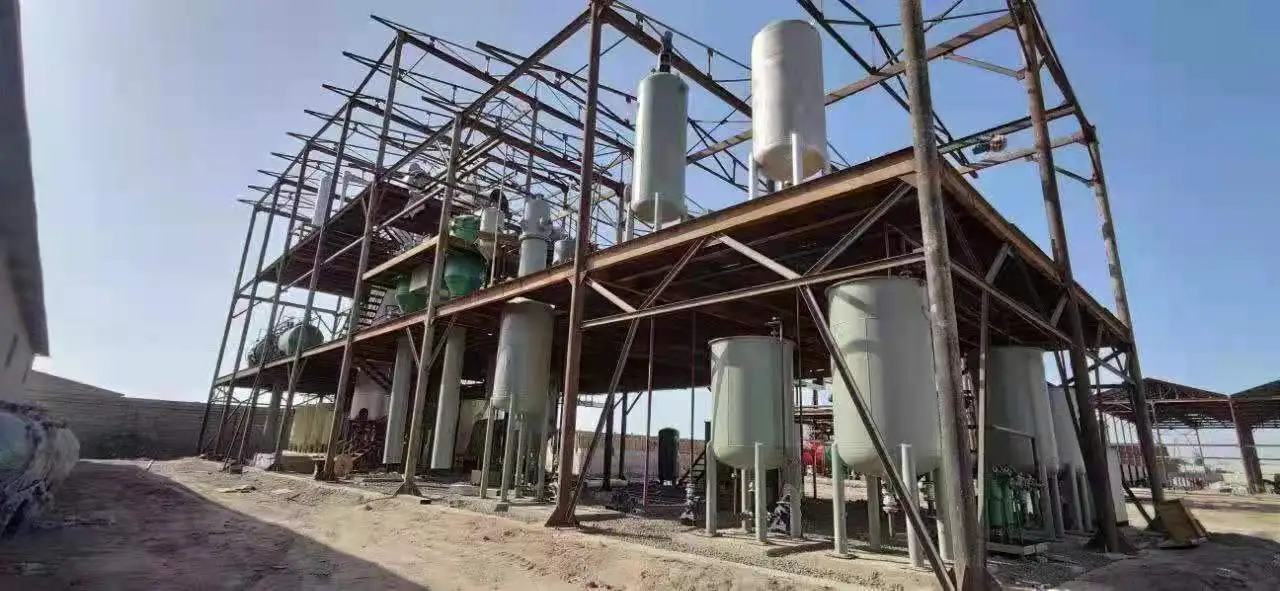
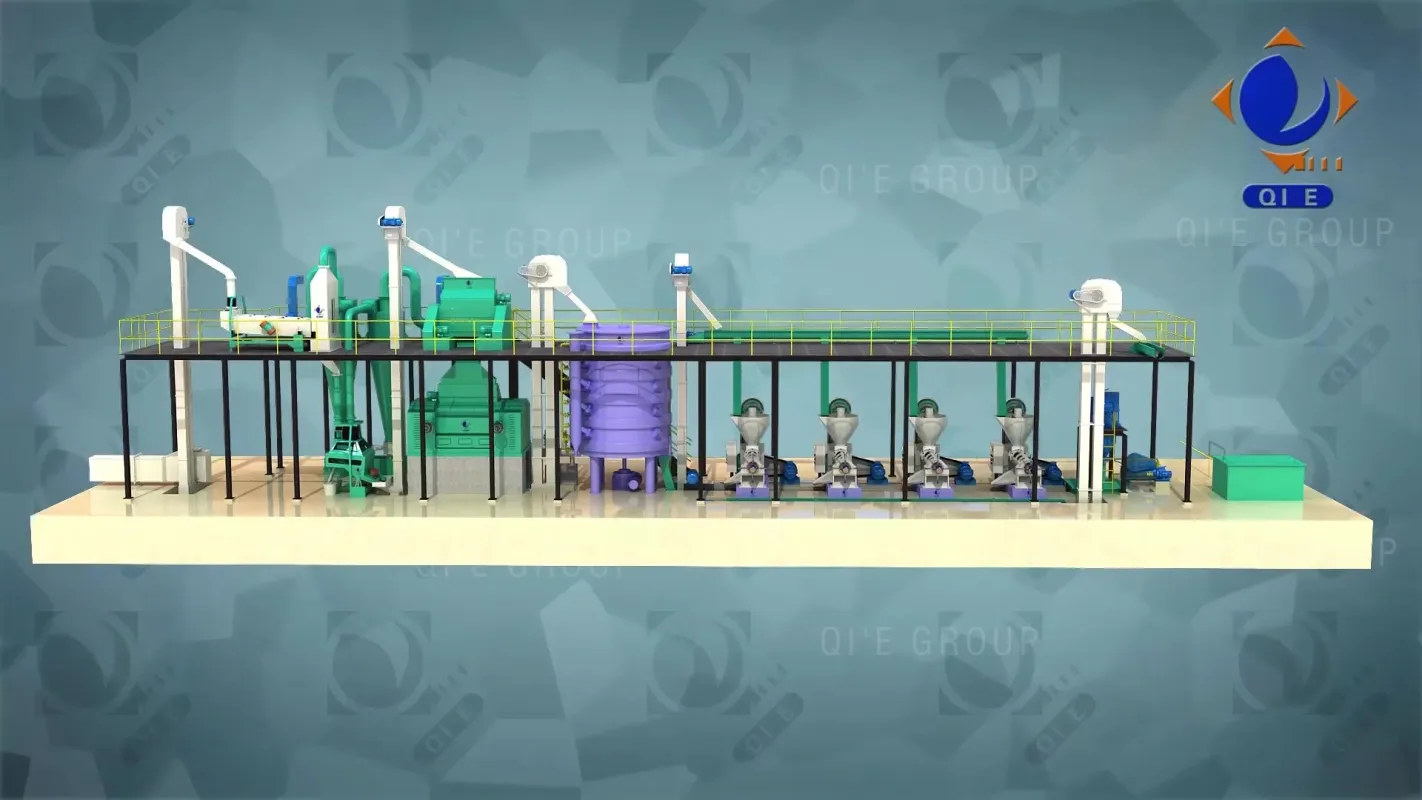
Is your sunflower oil extraction plant struggling with low yield? Before blaming the extraction process, take a critical look at your seed cleaning system. Industry data shows that inefficient cleaning can reduce oil yield by 5-12%, costing manufacturers thousands of dollars annually in lost production. This comprehensive guide reveals three game-changing technologies that leading processors like Penguin Group have implemented to maximize oil recovery through optimized seed cleaning.
Many oil mill operators focus exclusively on extraction equipment when yield declines, overlooking the critical role of seed preparation. Contaminants like dirt, stones, and broken seeds not only damage expensive extraction machinery but also create micro-environments that reduce oil release during pressing. A European study on sunflower processing facilities found that plants with optimized cleaning systems consistently achieved 8.2% higher yields compared to those with outdated cleaning processes.
"Don't let inefficient cleaning sabotage your production capacity. The seed cleaning stage determines up to 30% of your final oil yield potential."
Uneven seed feeding creates bottlenecks and inconsistent cleaning results. Modern systems utilize variable speed conveyors and level sensors to maintain a uniform material flow. By controlling feed rates between 2.5-3.5 tons per hour for sunflower seeds, processors can ensure each seed receives optimal cleaning time without overloading the system.
Key components of effective feeding systems include:
A Ukrainian sunflower processor recently upgraded their feeding system and reported a 3.4% yield increase within the first month, solely from improved material flow and initial separation.
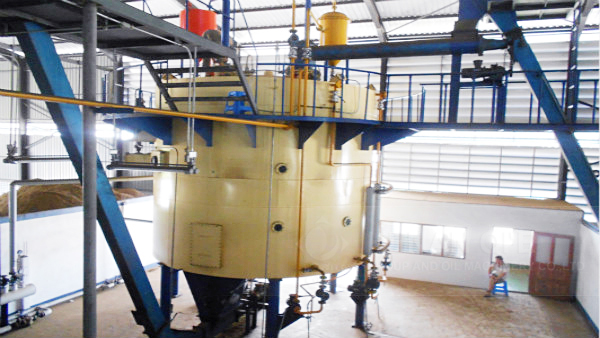
Single-stage screening simply cannot match the precision of multi-stage systems. Effective sunflower seed cleaning requires at least three distinct screening stages, each targeting specific contaminants and seed sizes:
By implementing a three-stage screening process, a Romanian oil mill reduced foreign material content from 4.7% to 0.8%, resulting in a 5.1% increase in oil yield and significantly reduced equipment wear.
The secret to separating lightweight contaminants from sunflower seeds lies in the precise balance of airflow and vibration. Optimal settings typically range between 12-18 m/s air velocity for sunflower seeds, combined with vibration frequencies of 1,500-2,000 vibrations per minute.
Key adjustment parameters include:
| Seed Moisture Content | Recommended Airflow | Vibration Frequency |
|---|---|---|
| 8-10% | 12-14 m/s | 1,500-1,700 VPM |
| 10-12% | 14-16 m/s | 1,700-1,900 VPM |
| 12-14% | 16-18 m/s | 1,900-2,000 VPM |
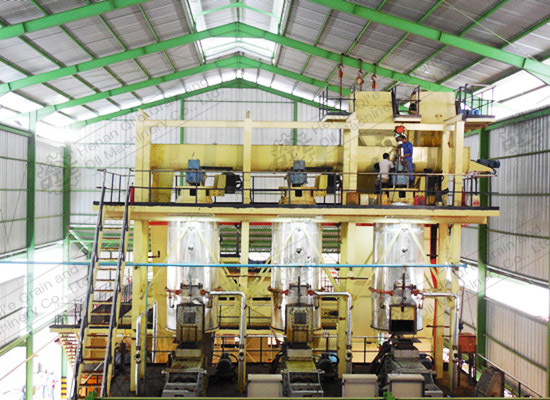
Even with advanced equipment, common operational mistakes can negate your cleaning system's effectiveness. Based on our analysis of over 50 sunflower processing facilities, these three issues cause the most significant yield losses:
Facilities attempting to clean seeds with a single machine typically achieve only 60-70% contaminant removal. Multi-stage systems are essential for thorough cleaning.
Moisture variations of just 2% can require significant adjustments to airflow and vibration settings. Daily moisture testing should be standard procedure.
Failure to clean screens and air ducts leads to a 1-2% yield reduction within just two weeks. Establishing a regular maintenance schedule is critical.
Implement this maintenance timeline to ensure peak cleaning system performance:
True yield optimization comes from viewing the cleaning system as an integrated process rather than isolated components. Each adjustment in feeding, screening, or airflow affects the entire system's performance. By implementing the three key technologies discussed—precision feeding, multi-stage screening, and balanced airflow/vibration control—processors typically see cumulative yield improvements of 7-10% within the first 90 days.
Consider conducting a baseline assessment of your current cleaning efficiency, measuring key metrics like foreign material removal rate, seed damage percentage, and ultimately, oil yield. This data will provide the benchmark needed to quantify improvements as you implement these technologies.
Discover how Penguin Group's advanced seed cleaning solutions can help you achieve consistent, measurable yield improvements. Our team of process engineers will analyze your current system and develop a customized optimization plan.
Schedule Your Free Cleaning System AssessmentRemember that oil yield optimization is an ongoing journey. Even after implementing these technologies, regular monitoring, data analysis, and process refinement will ensure you maintain peak performance and adapt to changing seed characteristics and market demands. The processors who consistently outperform their competitors are those who view cleaning not as a necessary step, but as a strategic opportunity to maximize profitability.