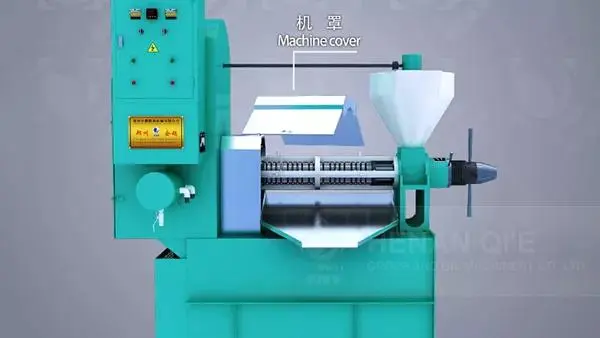
In the competitive landscape of edible oil manufacturing, even 0.1% impurity can reduce sunflower oil yield by up to 2.3% and increase refining costs by 15-20%. This comprehensive guide explores how magnetic separation, air classification, and gravity separation technologies from 企鹅集团 (Penguin Group) can transform your production efficiency while ensuring premium oil quality.
Modern sunflower oil facilities face dual challenges: maximizing extraction efficiency and meeting stringent quality standards. Research from the International Association of Edible Oil Manufacturers shows that inadequate seed cleaning results in:
These challenges necessitate a systematic approach to impurity removal that addresses both organic and inorganic contaminants through multiple processing stages.
Magnetic separation technology serves as the critical first step in modern seed cleaning systems, efficiently removing ferrous contaminants that pose risks to downstream processing equipment.
| Parameter | Optimal Range | Impact |
|---|---|---|
| Magnetic Field Strength | 8,000-12,000 Gauss | Removes particles as small as 0.1mm |
| Throughput Capacity | 5-25 TPH (adjustable) | Matches production line requirements |
| Material Contact Surface | Stainless Steel 304/316 | Prevents contamination and corrosion |
When selecting magnetic separation equipment, consider both drum and pulley configurations based on your specific contamination levels. For facilities processing more than 100 TPD, automatic self-cleaning models reduce labor costs by 40% while maintaining consistent separation efficiency above 99.5%.
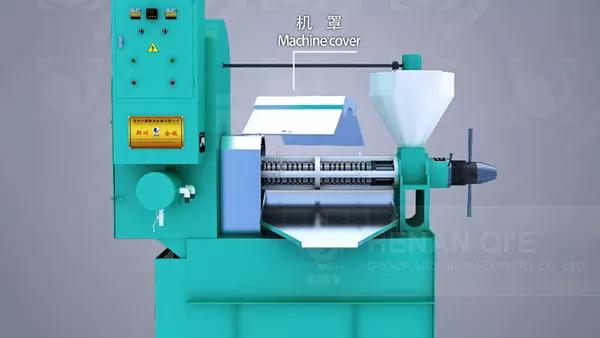
Air separation technology effectively removes light contaminants such as dust, hull fragments, and straw through precisely controlled air flow and adjustable separation chambers. The technology relies on differential density between sunflower seeds (approximately 640-720 kg/m³) and common impurities (120-450 kg/m³).
Key design considerations include:
Case Study: A Ukrainian sunflower processor implemented a three-stage air classification system, resulting in 98.7% impurity removal efficiency and a 1.8% increase in oil yield within the first production cycle. The ROI was achieved in just 7 months through reduced waste and improved extraction efficiency.
Gravity separation technology represents the final purification stage, removing heavier impurities such as stones, glass, and metal particles that逃过 earlier separation processes. This technology is particularly critical for facilities aiming for premium oil quality and reduced refining costs.
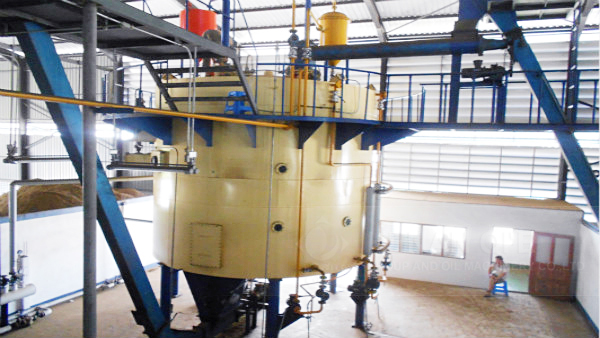
Modern gravity separators utilize inclined vibrating decks with controlled air flow to create stratified separation based on specific gravity differences. For sunflower processing, optimal results are achieved with:
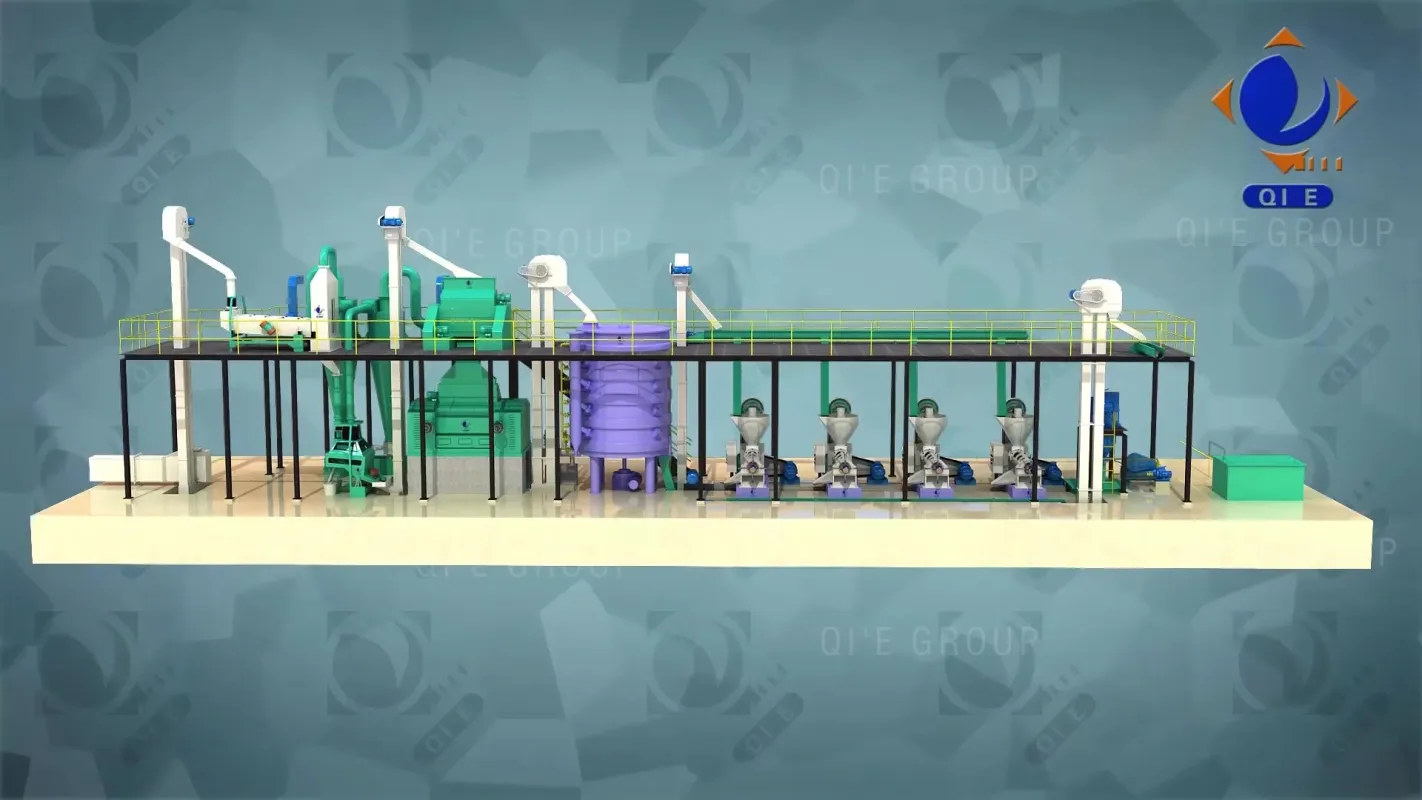
The most effective seed cleaning systems combine magnetic, air, and gravity separation technologies in a sequential process tailored to specific seed characteristics and contamination profiles. 企鹅集团 (Penguin Group) engineers recommend the following configuration for typical sunflower processing facilities:
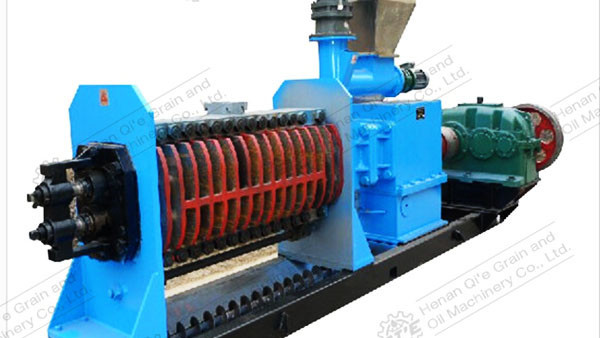
Proper maintenance of cleaning equipment ensures consistent performance and extends equipment lifespan. Critical maintenance tasks include:
By implementing a proactive maintenance schedule, facilities typically reduce unplanned downtime by 65% and extend equipment service life by 3-5 years.
Discover how 企鹅集团 (Penguin Group)'s integrated cleaning solutions can increase your oil yield by 2-5% while reducing operational costs. Our technical experts will conduct a free process audit and provide a customized solution tailored to your specific production needs.
Request Your Free Technical ConsultationEach sunflower processing facility faces unique challenges based on seed quality, regional growing conditions, and production goals. The most successful operations view seed cleaning not as a necessary cost center but as a strategic investment that directly impacts bottom-line profitability through improved yield, quality, and operational efficiency.